Find the Best Parking Lot Resurfacing Contractors for Your Business
No obligation • Fast responses • Nationwide coverage
Why you can trust Tidy Parking
Tidy Parking is a leading U.S. source for parking lot maintenance services, including striping, sealcoating, sweeping, paving, resurfacing, and repairs. Our content is created independently, and providers cannot pay to influence ratings or recommendations.
Search providers near you
Find Parking Lot Resurfacing Contractors near you
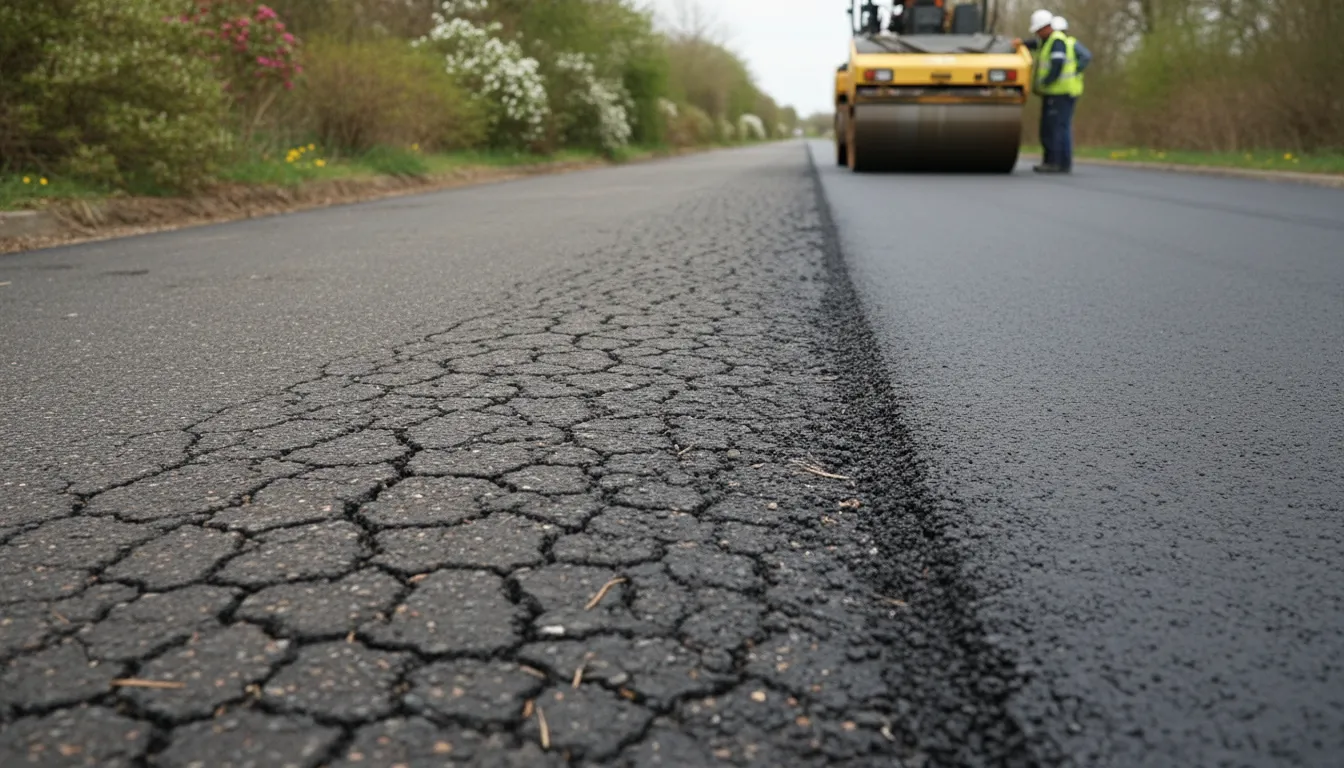
Parking lot resurfacing, often called an asphalt overlay, is a strategic maintenance solution that restores a worn pavement surface without the expense and disruption of a full reconstruction. This process is crucial for maintaining a safe, functional, and professional appearance for commercial properties, retail centers, and multi-family housing. When your lot shows signs of age like widespread cracking or fading, a professional overlay can extend its life for years. This guide explains the process, costs, and key considerations to help you evaluate your property's needs and connect with qualified local paving specialists for an assessment.
Search providers near you
What is Parking Lot Resurfacing?
Parking lot resurfacing is a rehabilitation technique designed for asphalt that is structurally sound but has significant surface deterioration. It involves installing a new layer of hot-mix asphalt, typically 1.5 to 2 inches thick, over the existing pavement after necessary repairs and preparation 1. This method is most effective for pavements that are 12-20 years old and have less than 30% surface damage, as it relies on a stable underlying base 2. A properly executed overlay can renew your lot's appearance, correct minor drainage issues, and add 8 to 15 years of service life, making it a highly cost-effective alternative to complete removal and replacement 1.
The Step-by-Step Resurfacing Process
A professional asphalt overlay is a multi-stage operation that ensures longevity and performance. Understanding the steps can help you know what to expect from a quality contractor.
1. Initial Inspection and Cleaning
The process begins with a thorough site evaluation. Contractors look for structural failures like alligator (all-over) cracking or base failures that must be addressed first. The entire surface is then meticulously cleaned using blowers and pressure washers to remove debris, vegetation, and oil stains, which is essential for proper adhesion of subsequent layers.
2. Repair and Patching
Before the new layer is applied, the existing pavement must be repaired. This involves cutting out and removing damaged sections like potholes and deep cracks, then filling them with new hot-mix asphalt. This step is critical to prevent underlying problems from "reflecting" through the new surface. Drainage corrections are also made at this stage to ensure water flows off the pavement properly 3.
3. Milling the Surface
For many projects, the next step is milling. A milling machine grinds down the top 1.5 to 2 inches of the old asphalt. This serves several purposes: it creates a rough, textured surface for the new layer to bond to, ensures proper height transitions at curbs and driveways, and allows for the use of recycled materials.
4. Applying the Tack Coat
A tack coat-a sticky, liquid asphalt emulsion-is sprayed onto the prepared old surface. This acts as a glue, creating a strong, waterproof bond between the old pavement and the new overlay. Skipping or improperly applying the tack coat can lead to delamination and premature failure.
5. Installing the Asphalt Overlay
Fresh hot-mix asphalt is delivered, typically at temperatures between 300°F and 350°F. It is poured and spread evenly across the lot by a paving machine to the specified thickness. The crew works quickly to place and level the material before it begins to cool.
6. Compaction
Immediately after spreading, heavy steel-wheel and pneumatic rollers compact the new asphalt. Proper compaction is vital to achieve the required density, which eliminates air pockets, strengthens the pavement, and provides a smooth, durable finish.
7. Curing and Final Striping
The new surface needs time to cool and harden. Traffic can usually be restored within 24 to 48 hours. Once fully cured, the final step is re-striping the lot with fresh pavement markings for parking stalls, handicap symbols, directional arrows, and safety zones.
Find the perfect parking lot resurfacing contractors for your needs
Get personalized recommendations and expert advice
Materials Used in Asphalt Overlays
The quality of an overlay depends heavily on the materials used. Here are the key components:
- Hot-Mix Asphalt (HMA): This is the standard material, a precisely engineered mixture of aggregate (stone, sand, gravel) and asphalt cement (bitumen) heated for workability and compaction 4.
- Recycled Asphalt Pavement (RAP): The old asphalt removed during milling can be crushed and reprocessed into new mix. Using RAP is environmentally friendly and can reduce project material costs by 20-30% 5 6.
- Asphalt Cement/Bitumen: This is the black, sticky binding agent that holds the aggregate together. Its grade is selected based on climate and expected traffic loads 7.
- Tack Coat: As mentioned, this emulsion ensures a monolithic bond between pavement layers 8.
- Crack Sealant: A hot-poured, elastic sealant is often used to fill working cracks in the existing pavement before the overlay is placed, preventing water intrusion.
Cost Guide for Parking Lot Resurfacing
The cost of an asphalt overlay can vary based on size, condition, location, and materials. On average, resurfacing costs between $1 and $3 per square foot in the US 9. It's important to note that prices are typically higher in major urban areas or regions with a higher cost of living 10.
To help with budgeting, here are some typical project ranges:
- Small Lot (5,000 sq ft): $5,000 - $15,000
- Medium Lot (10,000 sq ft): $10,000 - $30,000
- Large Lot (50,000 sq ft): $50,000 - $150,000
These estimates are for the overlay itself. Necessary preparatory work will add to the total cost:
- Crack Filling: $1-$2 per linear foot 11.
- Patching/Repairs: $3-$12 per square foot, depending on depth 12.
- Sealcoating (applied 6-12 months later): $0.14-$0.25 per square foot 13.
Resurfacing vs. Full Replacement
Understanding the cost difference is key to making a sound investment. While resurfacing costs $1-$3 per sq ft, a full removal and reconstruction typically ranges from $4 to $10 per sq ft 14. An overlay is the prudent choice when the pavement base is intact. If the subbase has failed, replacement becomes the only viable long-term solution.
Timing, Scheduling, and Long-Term Care
Project Duration: For most commercial parking lots, the active construction phase for resurfacing takes 1 to 3 days, depending on size and weather 15 16. Curing Time: You can typically reopen the lot to traffic within 24 to 48 hours after compaction is complete 17. Optimal Season: Asphalt overlay is a warm-weather activity. The ideal time is from late spring through early fall, when temperatures are consistently above 50°F. This ensures the material remains workable and compacts properly. Post-Overlay Maintenance: To protect your investment, the new surface should be sealcoated 6 to 12 months after installation. After that, a routine maintenance plan of sealcoating every 2-3 years and prompt crack repair will maximize the lifespan of your overlay 18.
Signs Your Parking Lot Needs Resurfacing
How do you know if an overlay is the right solution? Look for these common indicators:
- Widespread Surface Cracking: A network of interconnected cracks covering large areas.
- Raveling: The surface is breaking down, leaving loose gravel and aggregate.
- Fading and Oxidation: The asphalt has lost its rich black color, turning gray and brittle.
- Minor Ponding: Small, isolated areas where water pools due to slight surface irregularities.
- Age: The pavement is within the 12-20 year range and has not had a major overlay before.
If you see alligator cracking (resembling a reptile's skin), significant base failures, or severe drainage issues, a more extensive repair or full replacement may be necessary. A professional assessment is the best way to determine the correct course of action.
Frequently asked questions
Sources
Footnotes
-
A Complete Guide On Parking Lot Resurfacing - Ace Avant - https://www.aceavant.com/a-complete-guide-on-parking-lot-resurfacing/ ↩ ↩2
-
How Long Should a Parking Lot Last Before Resurfacing? - - https://asphaltinc.com/asphalt-resurfacing-lifespan-guide/ ↩
-
Your Guide to Asphalt Resurfacing - SAE - https://southernasphaltengineering.com/your-guide-to-asphalt-resurfacing/ ↩
-
What Type of Asphalt Mix is Used in Your Parking Lot? - PLS - https://www.plsofflorida.com/asphalt-mix/ ↩
-
Asphalt Paving Cost Per Sq Ft 2025 What Affects Price - https://texpaveexperts.com/blog/how-much-does-asphalt-paving-cost/ ↩
-
Asphalt Parking Lot Sealcoating and Driveway ... - https://sealmaster.net/asphalt-sealcoating-parking-lot-driveway-sealcoating/ ↩
-
Asphalt Road Paving Process - https://acplm.net/process-making-asphalt-road/ ↩
-
PDS Parking Lot Resurfacing Specifications - Alternative 2 - https://www.pdskc.org/Portals/pdskc/Documents/general_pdf/PDS%20Parking%20Lot%20Resurfacing%20Specifications2.pdf ↩
-
How Much Does Asphalt Repair Cost in 2025? - https://yellowstoneconcretestriping.com/how-much-does-asphalt-repair-cost-in-2025-complete-guide/ ↩
-
How Much Does Asphalt Paving Cost? Breaking Down Your ... - https://americanpavingnc.com/asphalt-paving-cost-breakdown/ ↩
-
Asphalt Maintenance: What It Is, How It Works, and What It ... - https://www.welovepaving.com/asphalt-maintenance-what-it-is-how-it-works-and-what-it-really-costs-in-2025/ ↩
-
Cost to Pave a Parking Lot Price Guide [2026 Data] | Angi - https://www.angi.com/articles/cost-to-pave-parking-lot.htm ↩
-
Parking Lot Seal Coating Costs for Asphalt : 2025 Pricing Guide - https://www.fixasphalt.com/blog/how-much-does-it-cost-to-sealcoat-an-asphalt-parking-lot ↩
-
Parking Lot Resurfacing: Complete Cost Guide & Process [2025] - https://www.candcsuperseal.com/parking-lot-resurfacing-complete-cost-guide-process-2025/ ↩
-
Asphalt Resurfacing in 7 Easy Steps - BigRentz - https://www.bigrentz.com/blog/asphalt-resurfacing ↩
-
How Professionals Repair Asphalt Parking Lots In 7 Steps? - https://vfpaving.com/asphalt-parking-lot-repairs/ ↩
-
What is the Process of Asphalt Resurfacing? - https://southernasphaltengineering.com/what-is-the-process-of-asphalt-resurfacing/ ↩
-
Benefits of Parking Lot Resurfacing for High-Traffic Areas - https://www.rosepaving.com/blog/the-benefits-of-parking-lot-resurfacing-for-high-traffic-areas/ ↩