Find the Best Parking Lot Resurfacing Contractors for Your Business
No obligation • Fast responses • Nationwide coverage
Why you can trust Tidy Parking
Tidy Parking is a leading U.S. source for parking lot maintenance services, including striping, sealcoating, sweeping, paving, resurfacing, and repairs. Our content is created independently, and providers cannot pay to influence ratings or recommendations.
Search providers near you
Best Parking Lot Resurfacing Contractors in Vermont Ranked
Parking lot resurfacing is a critical maintenance investment for property owners in Vermont, involving the placement of a new asphalt overlay on an existing, structurally sound base. This process restores a smooth, safe, and professional appearance while sealing out water and extending the pavement's life. In Vermont's demanding climate, proper planning and material selection are essential for a durable result. This guide provides the key information you need to understand the process, costs, and best practices for parking lot resurfacing in the Green Mountain State, helping you connect with qualified local contractors for your project.
Why Resurface a Parking Lot in Vermont?
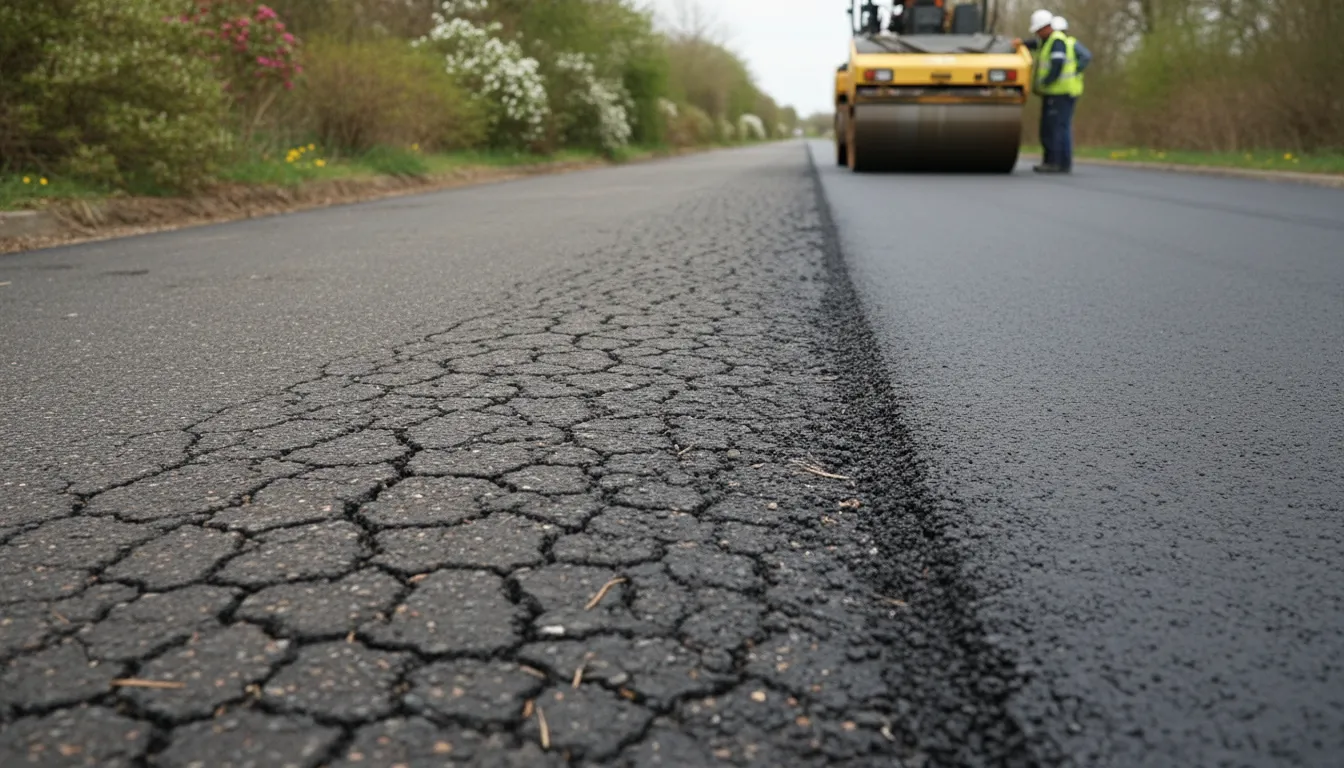
A well-maintained parking lot is more than just a place for vehicles; it's a crucial part of your property's first impression, safety, and value. In Vermont, the harsh winter weather accelerates pavement deterioration. Resurfacing addresses surface-level damage like cracks, raveling, and oxidation before it compromises the structural base. A new asphalt surface provides:
- Enhanced Safety: A smooth, clearly marked surface reduces tripping hazards and improves traction for vehicles and pedestrians.
- Waterproofing: The new layer seals the existing pavement, preventing water infiltration that leads to base failure, potholes, and frost heave during freeze-thaw cycles.
- Cost-Effectiveness: Resurfacing is significantly less expensive than a full reconstruction, often doubling or tripling the life of your pavement when done at the right time 1.
- Curb Appeal: A fresh, black surface with crisp striping immediately improves the look of any commercial or multi-family property.
Vermont's Climate: The #1 Consideration for Paving
Vermont's cold climate fundamentally shapes every aspect of parking lot construction and maintenance. The relentless freeze-thaw cycle is the primary enemy of asphalt pavement. When water seeps into cracks and freezes, it expands, widening the cracks and destabilizing the base. This makes specialized planning non-negotiable.
- Project Timing: Asphalt paving requires specific temperature conditions for proper compaction and curing. In Vermont, the paving season is typically constrained to the warmer months, from late spring through early fall. Ambient and ground temperatures must be sufficiently high; asphalt cools too quickly in freezing conditions, leading to poor compaction and premature failure 2.
- Freeze-Thaw Durability: The asphalt mix itself must be engineered to withstand severe temperature fluctuations. This involves using performance-graded binders that remain flexible in cold weather to resist cracking.
- Base Stability: Perhaps the most critical factor is the condition and preparation of the sub-base. A stable, well-compacted base is essential to support the pavement through seasonal ground movement. Resurfacing is only viable if the existing base is intact; if it has been compromised by water, a more extensive repair or full replacement may be necessary 3.
Choosing the Right Asphalt Mix for Vermont
Not all asphalt is created equal, especially for commercial applications in a cold climate. The choice of mix is a key determinant of your parking lot's longevity.
- Hot Mix Asphalt (HMA): This is the standard and recommended choice for commercial parking lot resurfacing in Vermont. HMA is produced at high temperatures, which allows for better compaction and a denser, more durable surface that can handle heavy traffic and resist weathering 4.
- Performance-Graded (PG) Binders: Contractors should use asphalt binders graded for Vermont's low temperatures (e.g., PG 58-28 or similar). These binders are designed to perform within a specific temperature range, providing greater flexibility in the cold to reduce thermal cracking 5.
- Porous Asphalt: An innovative option worth considering for certain sites. Porous asphalt allows water to drain directly through the pavement into a stone recharge bed below, reducing stormwater runoff and minimizing the amount of water available to freeze on the surface. The State of Vermont has developed specific guidance for maintaining these pavements 6.
The Critical Role of Drainage
Effective drainage is arguably as important as the asphalt itself in Vermont. Water is the catalyst for most pavement problems. A proper resurfacing project must address surface water flow to protect the new investment.
- Surface Grading: The parking lot must be sloped (typically a minimum of 1% to 2%) to direct water toward drains, curbs, or landscaped areas. Proper grading prevents ponding, which leads to accelerated wear and dangerous ice patches in winter 7.
- Stormwater Management: The resurfacing plan should integrate with existing or new drainage infrastructure. This includes ensuring catch basins, trench drains, and pipes are clear and functional. Managing runoff efficiently is key to maximizing pavement lifespan.
Find the perfect parking lot resurfacing contractors for your needs
Get personalized recommendations and expert advice
Understanding Costs for Parking Lot Resurfacing in Vermont
Costs can vary based on the size of the lot, the condition of the existing pavement, site accessibility, and material prices. The figures below provide a general framework for budgeting a commercial-grade project in Vermont.
- Resurfacing (Overlay): Applying a new 1.5- to 2-inch layer of asphalt over a sound base typically ranges from $1 to $3 per square foot. This is the most common solution for worn but structurally intact lots.
- Full Removal & Replacement: If the base has failed, a complete reconstruction may be needed, with costs generally ranging from $4 to $10 per square foot 8.
- Preventive Maintenance: To protect a new or recently resurfaced lot, sealcoating is recommended every 2 to 4 years at a cost of approximately $0.14 to $0.25 per square foot 9.
Project Scale Examples:
- A small lot with space for about 10 cars (approximately 4,000 sq ft) might cost roughly $4,000 to $12,000 for resurfacing 10.
- A large commercial lot for 300 cars (approx. 100,000 sq ft) could represent a $100,000 to $300,000 resurfacing investment, with full replacement costs being substantially higher 11 12.
The Resurfacing Process: What to Expect
A professional resurfacing project follows a systematic process to ensure quality and durability.
- Site Inspection & Proposal: A qualified contractor will assess the lot's condition, drainage, and base stability to determine if resurfacing is appropriate and provide a detailed quote.
- Preparation: This includes cleaning the surface, repairing any deep cracks or localized base failures, and ensuring proper drainage flow. All necessary markings for utilities are made.
- Paving: The new hot mix asphalt is delivered, spread with a paver, and compacted with rollers to achieve the required density and smoothness.
- Cooling & Striping: The asphalt needs time to cool and harden. Once it has cured, new traffic markings and symbols are applied with durable, reflective paint.
- Completion: The site is cleaned, and access is restored. Most commercial resurfacing projects are completed within 1 to 3 days, with traffic often able to return within 24 to 48 hours after paving.
Planning Your Vermont Parking Lot Project
To ensure a successful outcome:
- Get Multiple Quotes: Obtain detailed proposals from several licensed and insured contractors with experience in Vermont's climate.
- Review Past Work: Ask for references and examples of similar projects completed in the region.
- Plan for the Season: Schedule consultations in the spring to secure a spot in the contractor's summer/early fall paving schedule.
- Ask About the Mix: Discuss the specific type of Hot Mix Asphalt and performance-graded binder they plan to use for your project.
- Detail the Scope: Ensure the proposal includes all site preparation, drainage verification, repair work, cleanup, and new striping.
Frequently asked questions
Sources
Footnotes
-
Maximizing Parking Lot Lifespan Through Strategic Surface Treatment - https://buckbros.com/blog/maximizing-parking-lot-lifespan-through-strategic-surface-treatment/ ↩
-
How Weather Affects Paving: What You Should Know Before You ... - https://twinstatepaving.com/how-weather-affects-paving/ ↩
-
Common Parking Lot Issues and How to Fix Them: The Complete Guide - https://asphaltcoatingscompany.com/blog/common-parking-lot-issues-and-how-to-fix-them-the-complete-guide/ ↩
-
Parking Lots Paving - Hot Mix Asphalt (HMA) Recommendations - https://www.wsbeng.com/parking-lots-paving-hot-mix-asphalt-hma-recommendations/ ↩
-
Right Asphalt Mix for Industrial and Commercial Applications - https://thepavementgroup.com/choosing-the-right-asphalt-mix-for-industrial-and-commercial-applications/ ↩
-
Vermont Develops Guidance for Maintaining Porous Asphalt ... - https://maintainroads.org/vermont-develops-guidance-for-maintaining-porous-asphalt-pavements/ ↩
-
Parking Lot Drainage Design Strategies - Bolson Engineering and Environmental Services - https://bolson.ca/drainageandparking/ ↩
-
Cost to Pave a Parking Lot Price Guide [2026 Data] | Angi - https://www.angi.com/articles/cost-to-pave-parking-lot.htm ↩
-
Costs and Differences of Asphalt Parking Lot Resealing ... - https://www.andersonandsonsasphalt.com/costs-and-differences-of-asphalt-parking-lot-resealing-resurfacing-and-repaving/ ↩
-
Parking Lot Resurfacing: Complete Cost Guide & Process [2025] - https://www.candcsuperseal.com/parking-lot-resurfacing-complete-cost-guide-process-2025/ ↩
-
A Breakdown of Parking Lot Maintenance Costs - TRUEGRID Pavers - https://www.truegridpaver.com/parking-lot-maintenance-costs/ ↩
-
How To Budget for Repaving a Parking Lot or Playground - - https://arnoldasphalt.com/how-to-budget-for-repaving-a-parking-lot-or-playground/ ↩