Find the Best Parking Lot Resurfacing Contractors for Your Business
No obligation • Fast responses • Nationwide coverage
Why you can trust Tidy Parking
Tidy Parking is a leading U.S. source for parking lot maintenance services, including striping, sealcoating, sweeping, paving, resurfacing, and repairs. Our content is created independently, and providers cannot pay to influence ratings or recommendations.
Search providers near you
Best Parking Lot Resurfacing Contractors in West Virginia Ranked
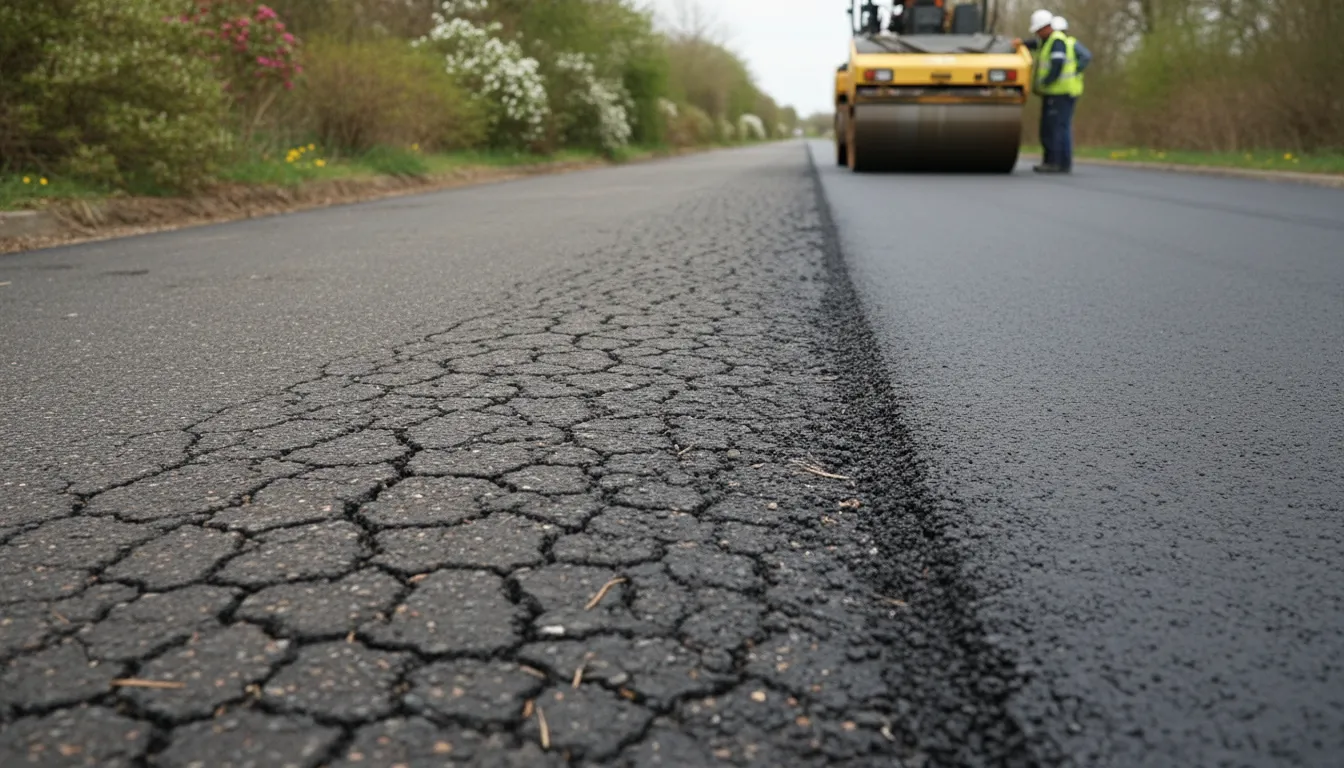
Parking lot resurfacing is a cost-effective method to restore a worn asphalt surface, providing a new driving and parking surface without the expense of a full-depth replacement. In West Virginia, this process is particularly important due to the state's challenging climate, which can accelerate pavement deterioration through freeze-thaw cycles and moisture. This guide explains the key considerations for a successful project, from material selection and climate planning to drainage and cost factors, helping you make informed decisions and connect with qualified local paving professionals.
Understanding West Virginia's Climate Challenges
West Virginia's weather is a primary factor in parking lot design and maintenance. The state experiences cold winters with significant freezing and thawing, along with high annual moisture. These conditions demand specific strategies to ensure a resurfacing project lasts.
- Temperature Restrictions: Asphalt resurfacing requires air and ground temperatures to be at or above 50°F for proper material placement and compaction. This limits the optimal work window to late spring through early fall.
- Freeze-Thaw Damage: Water that seeps into small cracks expands when it freezes, widening cracks and creating potholes. This cycle is a leading cause of pavement failure in the region.
- Moisture Management: Trapped moisture beneath the pavement can weaken the subgrade (the soil base), leading to settling and cracking. Proper drainage is not just an add-on; it's a necessity for longevity 1.
Choosing the Right Asphalt Mix
Selecting the appropriate asphalt mix is critical for durability against West Virginia's traffic and weather. The standard choice is Hot Mix Asphalt (HMA), but the specific binder grade matters.
- Hot Mix Asphalt (HMA): This is the most common material for commercial parking lots. Produced at temperatures between 300°F and 350°F, it provides a durable, smooth surface that can withstand vehicle traffic 2.
- Performance-Graded (PG) Binders: The asphalt binder's grade must match local climate. For West Virginia's temperature extremes, a higher-performance grade like PG 58E-34 is often recommended over a standard PG 64-22. This higher-grade binder offers better resistance to rutting in summer heat and cracking in winter cold 3 4.
- Porous or Permeable Asphalt: In areas with strict stormwater management requirements, porous asphalt is an option. This mix allows water to drain through the pavement into a stone reservoir below, reducing runoff. It requires specialized design and maintenance but can be a solution for meeting environmental regulations 5.
Critical Design Factor: Drainage and Slope
A perfect asphalt surface will fail quickly if water pools on it. Managing water runoff is the most important design principle for parking lots in West Virginia.
- Minimum Slope: All parking lots must be designed with a minimum slope of 1-2% (a 1 to 2-foot drop per 100 feet) to direct water toward drains or landscaped areas 6. Without this slope, water will pond, seep into cracks, and rapidly degrade the pavement.
- Subgrade and Underdrains: In areas with poor soil drainage (like clay), or where the water table is high, a stable subgrade may require the installation of underdrain systems. These pipes collect subsurface water and channel it away, preventing the base from becoming saturated and soft 7.
Cost Guide for Parking Lot Resurfacing
Understanding cost drivers helps in budgeting. In West Virginia, commercial parking lot resurfacing typically ranges from $1.00 to $3.00 per square foot.
- Project Size: Larger projects (e.g., big box store lots) often see a lower cost per square foot, potentially in the $1.00-$2.00 range, due to economies of scale 8.
- Site Preparation: The condition of your existing lot greatly affects price. Necessary repairs like crack filling, pothole patching, and drainage corrections will add to the base resurfacing cost.
- Material Choices: Opting for a higher-performance asphalt binder or a specialized mix like porous asphalt will increase material costs but can provide long-term savings through extended lifespan and reduced maintenance.
Find the perfect parking lot resurfacing contractors for your needs
Get personalized recommendations and expert advice
Resurfacing vs. Repaving: Knowing the Difference
It's crucial to determine if resurfacing is the right solution or if your lot needs more extensive work.
- When to Resurface: Resurfacing (or overlay) is ideal when the existing asphalt base is structurally sound. Signs include surface-level cracks, fading, weathering, and minor roughness, but no major potholes or areas of crumbling. If damage affects less than 25-30% of the surface, resurfacing is usually a viable and economical choice, adding 8-15 years of life.
- When to Repave: Full-depth repaving (reconstruction) is necessary when the foundation has failed. Indicators include widespread alligator cracking, deep potholes, and areas where the base material is visible. This process involves removing the old asphalt and rebuilding the base layers, costing significantly more ($4-$10 per sq. ft.) but providing a brand-new foundation 9.
Long-Term Maintenance After Resurfacing
Protect your investment with a regular maintenance plan. A newly resurfaced lot in West Virginia needs proactive care to combat the elements.
- Sealcoating: Applying a protective sealcoat every 2-3 years is the single most effective maintenance task. It shields the asphalt from UV rays, water, gasoline, and oil, preventing oxidation and cracking.
- Crack Sealing: Annually inspect and seal any new hairline cracks. This prevents water infiltration, stopping the freeze-thaw damage cycle before it starts.
- Drainage Inspection: Keep all drains, gutters, and culverts clear of debris, especially in fall and spring, to ensure water flows freely off the pavement.
Planning Your Project Timeline
Successful resurfacing requires favorable weather. Plan to solicit bids and schedule work for the dry, warm months. Starting the planning process in early spring allows time for contractor selection, material ordering, and scheduling, aiming for work to be completed by mid-fall. Always confirm that your contractor understands and plans for West Virginia's specific temperature and compaction requirements.
Frequently asked questions
Sources
Footnotes
-
PAVED SURFACES - WV Department of Transportation - https://transportation.wv.gov/highways/training/TrainingDocuments/maintenance%20manual%20ch%2008.pdf ↩
-
How to Select the Right Asphalt Mix for Your Parking Lot - https://summitasphalt.com/right-asphalt-mix-for-your-parking-lot/ ↩
-
Parking Lots Paving - Hot Mix Asphalt (HMA) Recommendations - https://www.wsbeng.com/parking-lots-paving-hot-mix-asphalt-hma-recommendations/ ↩
-
Best asphalt mixes for your parking lot - Baughman Magic Seal - https://baughmanmagicseal.com/best-asphalt-mixes-for-your-parking-lot/ ↩
-
Porous Asphalt Parking Lots - VAA - https://vaasphalt.org/pavement-guide/pavement-design-by-use/permeable-parking-lots/ ↩
-
What Is the Minimum Slope for Parking Lot Drainage? - https://4lconcretesolutions.com/concrete-contractor/parking-lot-construction/what-is-the-minimum-slope-for-parking-lot-drainage/ ↩
-
PP-1. Introduction - WV Department of Environmental Protection - https://dep.wv.gov/WWE/Programs/stormwater/MS4/Documents/Specification_4.2.4_Permeable_Pavements_WV-SW-Manual-11-2012.pdf ↩
-
Complete 2025 Parking Lot Sealcoating Cost Guide - Tennessee - https://hyderpaving.com/blogs/parking-lot-sealcoating-cost-tennessee ↩
-
Parking Lot Resurfacing: Complete Cost Guide & Process [2025] - https://www.candcsuperseal.com/parking-lot-resurfacing-complete-cost-guide-process-2025/ ↩