Find the Best Parking Lot Resurfacing Contractors for Your Business
No obligation • Fast responses • Nationwide coverage
Why you can trust Tidy Parking
Tidy Parking is a leading U.S. source for parking lot maintenance services, including striping, sealcoating, sweeping, paving, resurfacing, and repairs. Our content is created independently, and providers cannot pay to influence ratings or recommendations.
Search providers near you
Best Parking Lot Resurfacing Contractors in Texas Ranked
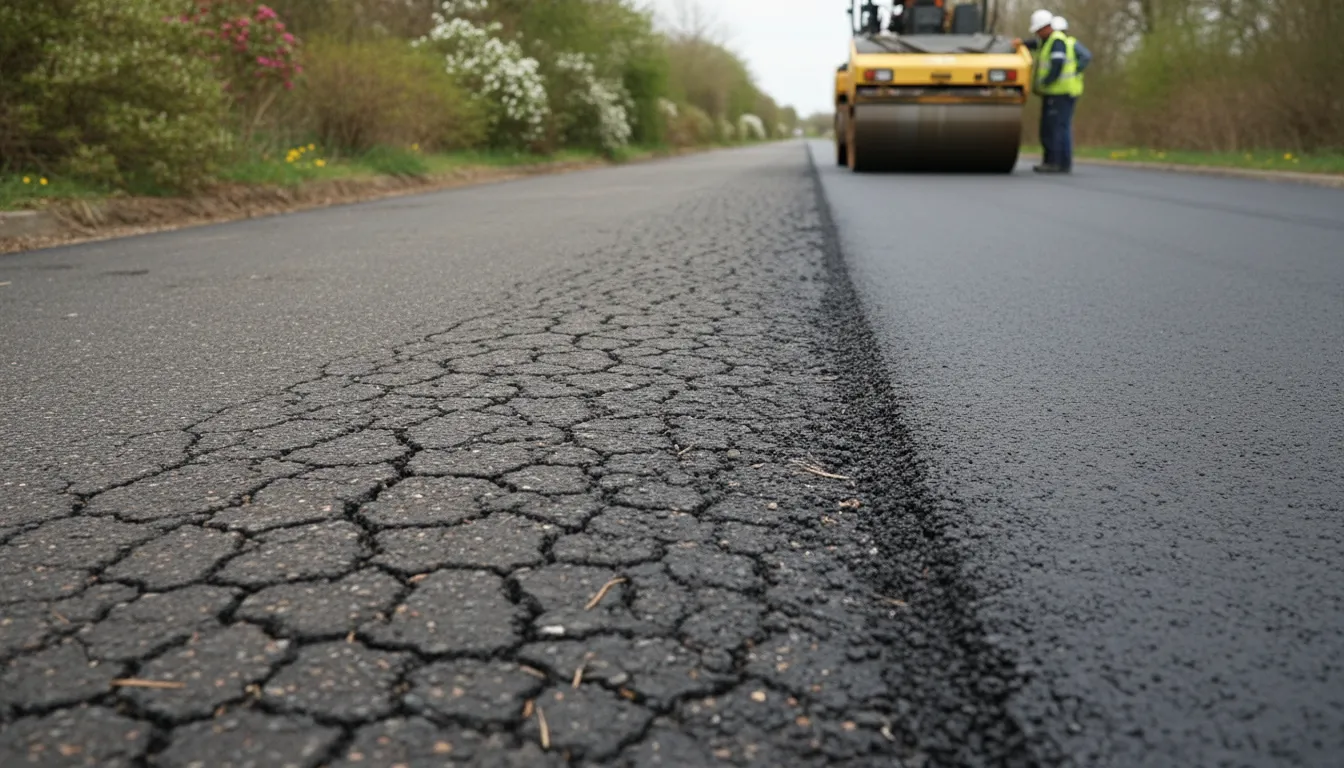
Parking lot resurfacing is a cost-effective solution to restore a worn, damaged asphalt surface without the expense of a full reconstruction. In Texas, this process is particularly critical due to the state's harsh climate, which can rapidly degrade pavement. A properly executed resurfacing project can extend the life of your lot by 10-15 years, improve safety, and enhance your property's curb appeal. This guide explains the key considerations, materials, and processes for successful parking lot resurfacing in Texas, helping you make informed decisions and connect with qualified local paving professionals.

Houston's All Pro Asphalt
30707 Huffman Cleveland Rd, Huffman, TX 77336
Houston's All Pro Asphalt is a paving and repair company serving Houston, TX. They provide asphalt paving, seal coating, concrete installation and repairs, parking lot striping including ADA certified layouts, and base work to stabilize problem areas. The company inspects and addresses underlying causes of damage to ensure lasting repairs rather than just covering issues. With over 20 years of experience, they offer a range of services for commercial, residential, and industrial properties, including general contractor work such as roof coatings and pressure washing.
AAA Paving Since 1964
14601 Lillja Rd, Houston, TX 77060
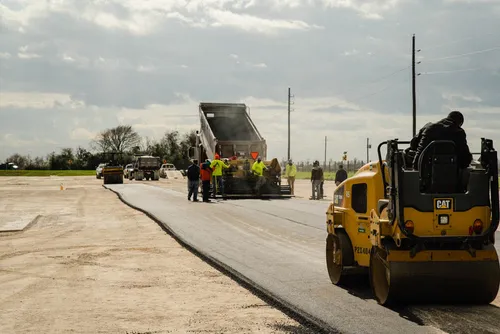
AAA Paving Since 1964 is a commercial paving company based in Houston, TX, offering a wide range of services including asphalt paving, sealcoating, parking lot striping, milling, resurfacing, and concrete paving. With over 50 years of experience, they serve various commercial properties such as retail centers, industrial parks, and office complexes. The company emphasizes thorough site preparation, proper drainage, and the use of high-quality materials to ensure durable and long-lasting pavement surfaces. AAA Paving operates its own milling equipment, allowing for efficient pavement removal and resurfacing while maintaining tight quality control throughout each project.
Williamson Asphalt Maintenance
813 N Main St Suite # 405, McAllen, TX 78501
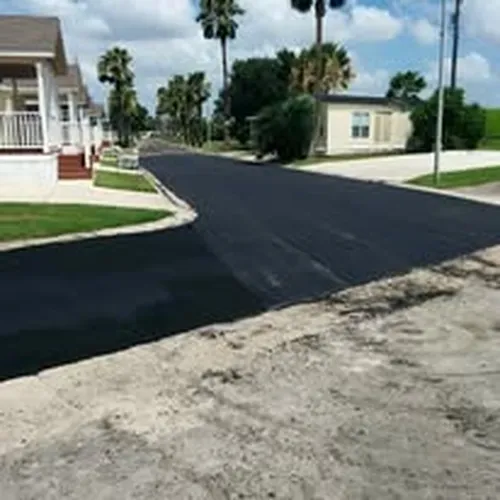
Williamson Asphalt Maintenance is a paving and asphalt maintenance company based in McAllen, TX. They provide a range of services including parking lot striping, sealcoating, paving, resurfacing, and repair for both commercial and residential clients in the Rio Grande Valley. The company emphasizes quality workmanship and uses specialized tools and machinery to ensure durable and precise results. Their services include asphalt milling and re-paving, designed to deliver long-lasting performance and smooth, safe travel. Williamson Asphalt Maintenance has a skilled team committed to customer satisfaction and project excellence.
Bishop Paving
4600 Valley View Rd, Leander, TX 78641
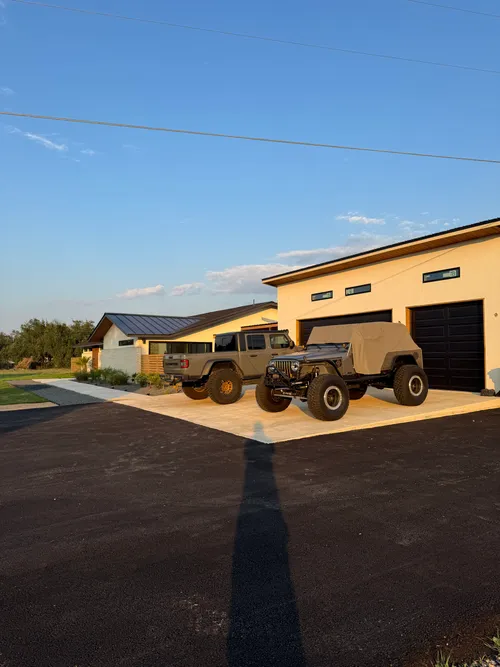
Bishop Paving is a paving contractor based in Austin, TX, specializing in asphalt paving, sealcoating, striping, resurfacing, and repair for residential and commercial properties. They provide services such as driveway and parking lot paving, ranch road paving, asphalt overlays, crack and pothole repairs, and ADA-compliant striping to enhance safety and organization. Since 2019, Bishop Paving has focused on using quality materials and proven techniques to deliver durable, long-lasting pavement solutions that improve curb appeal and property value.
Absolute Asphalt Inc
Fort Worth, TX
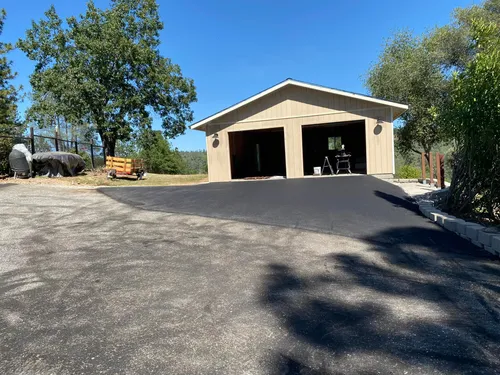
Absolute Asphalt Inc is a parking lot paving and maintenance company serving Fort Worth, TX. They offer a range of asphalt services including paving, patching, striping, sealcoating, resurfacing, and repair for residential and commercial properties. The company uses premium materials and advanced techniques to ensure durable and long-lasting asphalt surfaces. Their expertise includes parking lot striping and sealcoating to enhance safety and protect pavement from damage. With years of experience, Absolute Asphalt Inc focuses on delivering tailored asphalt solutions that meet specific customer needs.
Why Texas Climate Demands Specialized Resurfacing
The extreme environmental conditions across Texas present unique challenges for asphalt pavement. A standard resurfacing approach used in milder climates will likely fail prematurely here. Understanding these factors is the first step to a durable, long-lasting result.
- Intense Heat and UV Radiation: Constant, intense sun causes asphalt binder to oxidize, making it brittle and prone to cracking 1. This oxidation accelerates wear and reduces the pavement's flexibility.
- Thermal Expansion and Contraction: Texas experiences significant temperature swings, even seasonally within a day. Asphalt expands in the heat and contracts when cooler, which can widen existing cracks and create new ones. This cycle stresses the pavement structure.
- Heavy, Abrupt Rainfall: Intense spring and fall storms can dump large volumes of water in short periods. Without proper drainage, this water infiltrates cracks and the subbase, leading to potholes, alligator cracking, and structural failure.
- Expansive Clay Soils: Much of Texas has clay-rich soil that swells when wet and shrinks during droughts. This movement underneath the pavement can cause settling, heaving, and severe cracking.
The Resurfacing Process: Step-by-Step
A professional parking lot overlay follows a systematic process to ensure the new surface bonds properly and performs as intended.
- Comprehensive Inspection and Evaluation: A qualified contractor will first assess the existing pavement's structural integrity. Resurfacing is only viable if the base and subgrade are sound. They will identify all areas of cracking, rutting, pooling water, and base failure.
- Thorough Repair and Preparation: All repairs must be completed before resurfacing. This includes removing and replacing severely damaged sections, filling potholes, and cleaning and sealing cracks with a flexible, hot-applied rubberized sealant to prevent reflective cracking 2. The entire surface is then cleaned via power sweeping or blasting to remove debris, oil, and dirt.
- Applying a Tack Coat: A thin layer of liquid asphalt (tack coat) is applied to the clean, prepared existing pavement. This crucial step creates a strong adhesive bond between the old surface and the new overlay.
- Laying the New Asphalt Overlay: The new hot-mix asphalt (HMA) is delivered, spread, and compacted using heavy rollers. The thickness typically ranges from 1.5 to 3 inches, depending on the condition of the existing lot and expected traffic loads.
- Final Compaction and Smoothing: Proper compaction is vital for density and longevity. The rollers work the mat until it achieves the specified density, creating a smooth, uniform surface.
- Striping and Curing: Once the new asphalt has cooled and cured, new pavement markings, symbols, and curbing are applied. The lot should be kept closed to traffic for at least 24-48 hours.
Choosing the Right Asphalt Mix for Texas
Not all asphalt is created equal, especially for Texas conditions. The specific mix design is the most important factor in resisting heat, heavy loads, and moisture.
- Hot-Mix Asphalt (HMA): HMA is the standard and recommended material for parking lot resurfacing in Texas. It is produced at high temperatures (300°F+) which allows for better compaction and a more durable, dense surface compared to cold mixes 3.
- Performance-Graded (PG) Binders: The asphalt binder's grade must match the climate. For much of Texas, a stiffer binder like PG 76-22 or PG 82-22 is recommended to resist rutting and shoving in high heat 4 5. In areas with wider temperature swings, contractors may use a polymer-modified binder for added flexibility.
- Aggregate and Mix Design: A fine-graded surface mix is typically used for the top layer to create a smooth finish that sheds water effectively. The aggregate must be durable and properly sized. In areas with very heavy loads (e.g., garbage truck routes), a stone matrix asphalt (SMA) mix or even a concrete alternative may be considered for sections of the lot 6.
Find the perfect parking lot resurfacing contractors for your needs
Get personalized recommendations and expert advice
Critical Design Element: Drainage
Water is asphalt's number one enemy. A perfect resurfacing job will fail quickly if water is allowed to pond on or infiltrate beneath the surface. Proper drainage is non-negotiable in Texas.
- Surface Slope (Pitch): The finished parking lot surface must have a minimum slope of 1% to 2% (a 1 to 2-foot drop per 100 feet) to channel water toward drains or perimeters 7. Flat areas will inevitably lead to ponding.
- Catch Basins and Drainage Pipes: Surface slope must be integrated with a subsurface drainage system. Catch basins collect water, which is then carried away from the pavement structure via pipes. Ensuring these systems are clear and functional before resurfacing is essential.
- Curbing and Swales: Curbs help direct runoff, while landscaped swales can provide a natural, attractive method for managing stormwater.
Cost Guide for Texas Parking Lot Resurfacing
Costs can vary based on lot size, condition, accessibility, material costs, and regional labor rates.
- Resurfacing (Overlay): For a structurally sound lot, resurfacing typically costs between $1.00 and $3.00 per square foot 8. This is the most common and economical repair for surface wear.
- Full Reconstruction: If the base has failed, a full removal and reconstruction is necessary, with costs ranging from $4.00 to $10.00 per square foot 9.
- Project Timeline: A standard commercial parking lot resurfacing project can take 1 to 3 weeks from evaluation to completion, depending on size and weather.
- Maintenance Costs: To protect your investment, plan for sealcoating every 12 to 18 months in Texas, and budget for ongoing crack sealing and minor repairs 10 11.
Maintenance After Resurfacing
Protecting your new overlay starts immediately after the project is complete.
- Allow Proper Cure Time: Keep all traffic off the new surface for at least 24-48 hours as recommended by your contractor.
- Sealcoating Schedule: Apply a high-quality coal tar or asphalt-based sealcoat after the new asphalt has fully cured (usually 30-90 days). In Texas, a rigorous schedule of every 12-18 months is advised to protect against UV oxidation and fuel spills.
- Prompt Crack Repair: Inspect the lot seasonally, especially after winter. Seal any new hairline cracks immediately with a hot-pour rubberized sealant before they widen and allow water infiltration.
- Keep it Clean: Regularly sweep to remove debris and promptly clean oil and fluid spills.
When Resurfacing Isn't Enough: Signs You Need Reconstruction
It's important to know when an overlay is not a viable option. Contact a professional if you observe:
- Alligator (Fatigue) Cracking: A web of interconnected cracks resembling alligator skin, indicating base failure.
- Severe Rutting or Depressions: Deep channels or sunken areas that hold water, signaling a compromised subbase.
- Multiple Potholes: Numerous potholes are a clear sign of structural issues beneath the surface.
- Heaving or Settlement: Significant raised or sunken sections of pavement caused by unstable soil.
Frequently asked questions
Sources
Footnotes
-
How Does the Heat in Austin Affect Asphalt Parking Lots? - https://everlinecoatings.com/us/tx/austin/resources/how-does-the-heat-in-austin-affect-asphalt-parking-lots/ ↩
-
Preparing Commercial Parking Lots for Seasonal Changes in ... - https://dannyspaving.com/preparing-commercial-parking-lots-for-seasonal-changes-in-midland-odessa/ ↩
-
How to Select the Right Asphalt Mix for Your Parking Lot - https://summitasphalt.com/right-asphalt-mix-for-your-parking-lot/ ↩
-
Parking Lots Paving - Hot Mix Asphalt (HMA) Recommendations - https://www.wsbeng.com/parking-lots-paving-hot-mix-asphalt-hma-recommendations/ ↩
-
What to Consider Before Paving an Asphalt Parking Lot in Dallas | Renco Construction, Inc. - https://www.rencoconstruction.com/what-to-consider-before-paving-an-asphalt-parking-in-dallas/ ↩
-
TXAPA-Texas-Asphalt-Pavement-User-Guide.pdf - https://texasasphalt.org/wp-content/uploads/2022/12/TXAPA-Texas-Asphalt-Pavement-User-Guide.pdf ↩
-
The Ultimate Guide to Parking Lot Construction: Choosing the Right Material, Design, and Maintenance for Your Business - https://buckbros.com/blog/the-ultimate-guide-to-parking-lot-construction/ ↩
-
Parking Lot Construction in Texas - https://innerloopconstruction.com/services/parking-lot-construction ↩
-
Parking Lot Resurfacing: Complete Cost Guide & Process [2025] - https://www.candcsuperseal.com/parking-lot-resurfacing-complete-cost-guide-process-2025/ ↩
-
Guide For Houston Parking Lot Repairs - American Paving - https://www.americanpavingtx.com/guide-for-houston-parking-lot-repairs/ ↩
-
How to Maintain Your Commercial Parking Lot in Texas Heat - https://dannyspaving.com/how-to-maintain-your-commercial-parking-lot-in-texas-heat/ ↩