Find the Best Parking Lot Resurfacing Contractors for Your Business
No obligation • Fast responses • Nationwide coverage
Why you can trust Tidy Parking
Tidy Parking is a leading U.S. source for parking lot maintenance services, including striping, sealcoating, sweeping, paving, resurfacing, and repairs. Our content is created independently, and providers cannot pay to influence ratings or recommendations.
Search providers near you
Top Parking Lot Resurfacing Contractors in San Antonio, Texas Ranked
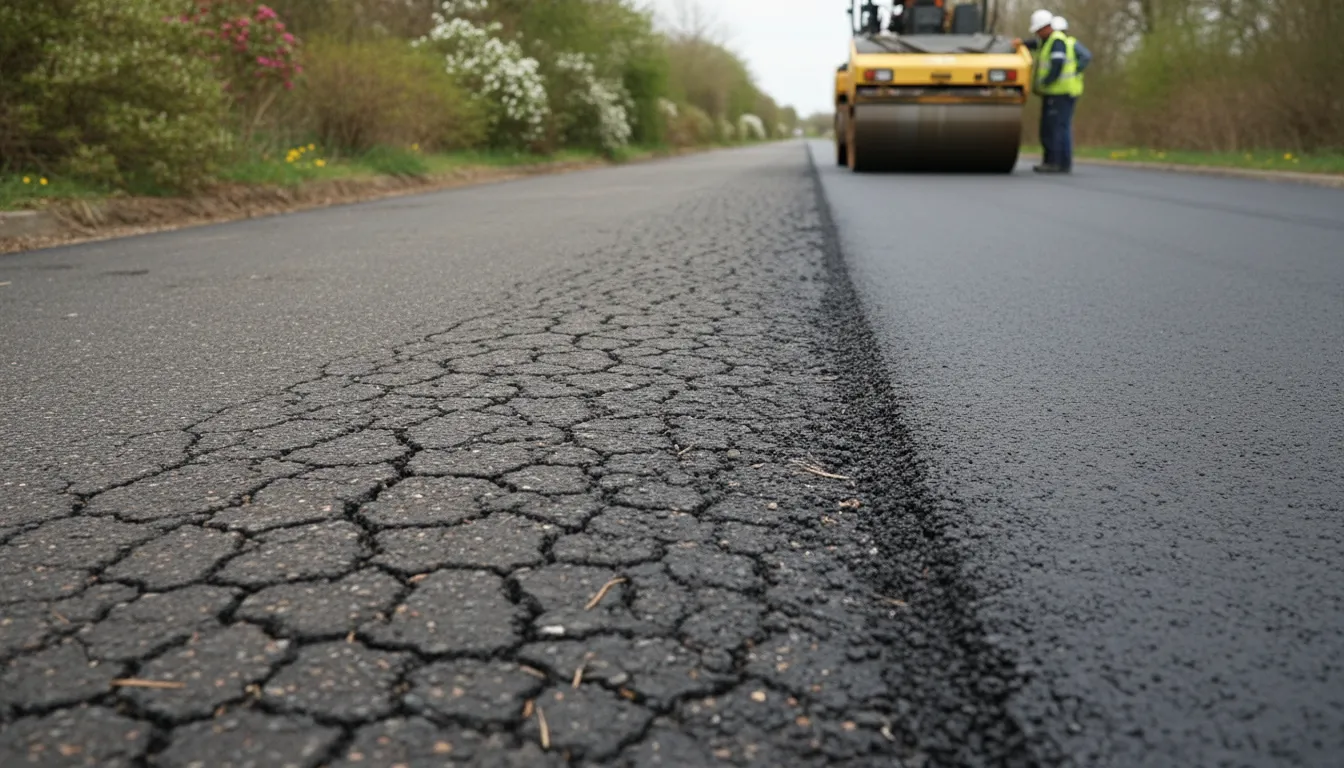
Parking lot resurfacing is a major maintenance procedure that restores a worn asphalt surface by removing the top damaged layer and replacing it with new, hot-mix asphalt. This process is critical for property owners in San Antonio to maintain safety, improve curb appeal, and protect their investment from the region's harsh climate. When your lot shows extensive cracking, fading, and minor surface deterioration, a professional overlay can be a cost-effective alternative to a full reconstruction. This guide explains the local process, costs, regulations, and timing to help you plan your project and connect with qualified local contractors.
Lukes Asphalt Paving
1033 Rainbow Dr, Spring Branch, TX 78070
Luke's Asphalt Paving is a fourth-generation, family-owned asphalt paving contractor based in Spring Branch, Texas. Serving San Antonio and surrounding areas, they provide commercial and residential asphalt paving, seal coating, chip sealing, crack filling, and parking lot repair services. With over 55 years of experience, they focus on quality workmanship, including proper base preparation and precise drainage grading to ensure durable pavement. The company emphasizes customer satisfaction and maintains owner supervision on job sites.
Hayes Asphalt Paving
Austin, TX
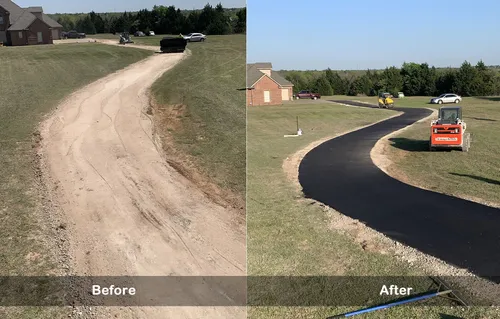
Hayes Asphalt Paving is a veteran-owned company providing asphalt paving and repair services in Austin, TX. They serve residential and commercial clients, offering parking lot paving, resurfacing, sealcoating, and asphalt repair. Their work includes durable asphalt driveways, business entrances, private roads, and chip seal projects for ranches and farms. Hayes Asphalt Paving uses materials suited for Texas weather to ensure long-lasting pavement and offers a one-year workmanship warranty.
C & T Paving
686 S Seguin Ave #311441, New Braunfels, TX 78130
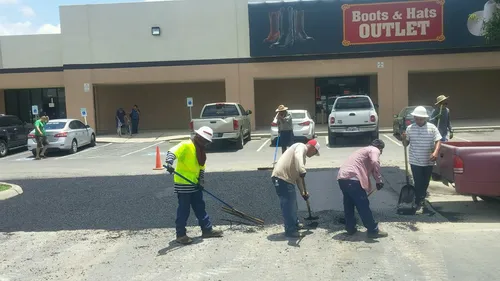
C & T Paving is a family-owned paving company serving San Antonio, TX, and the surrounding Hill Country. With over 40 years of experience, they provide a full range of services including asphalt paving, parking lot striping, sealcoating, resurfacing, and repair. Their expertise includes thorough base work and asphalt patching to ensure durable, long-lasting surfaces for residential and commercial properties. The company also offers concrete paving options and focuses on safety and functionality in all projects.
Legacy Pavement Solutions
7550 I-10 suite 800 131, San Antonio, TX 78229
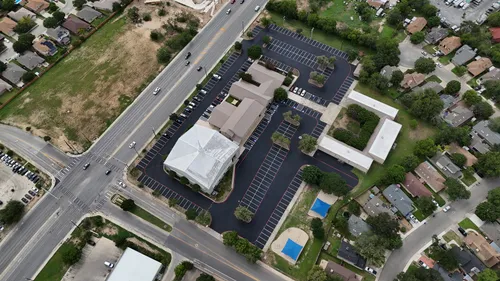
Legacy Pavement Solutions is a paving and maintenance contractor based in San Antonio, TX, offering a wide range of services including asphalt paving, sealcoating, crack repair, parking lot striping, and concrete repair. They serve commercial, educational, HOA, and property management clients, providing solutions such as ADA parking lot compliance and asphalt milling. With over 35 years of experience, Legacy Pavement Solutions has completed thousands of projects, emphasizing quality workmanship and innovative techniques to ensure durable and compliant pavement surfaces.
BK PAVING LLC
9504 N Interstate 35 #311, San Antonio, TX 78233
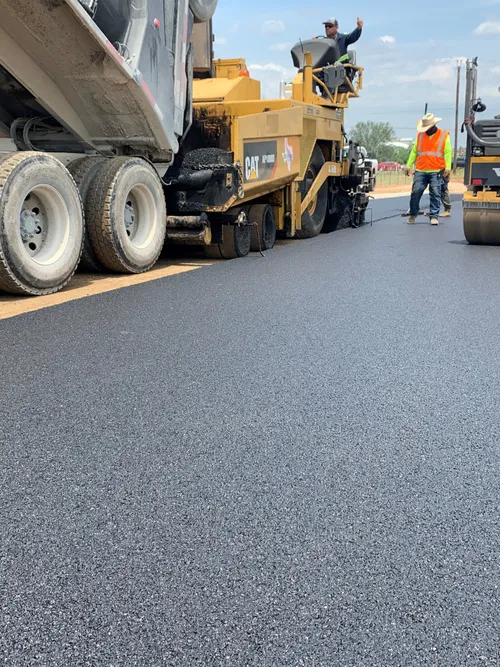
BK PAVING LLC is a veteran-owned asphalt and concrete contractor based in San Antonio, TX, serving the Central and South Texas area. They offer a wide range of services including asphalt paving, seal coating, milling, parking lot striping, resurfacing, and repair. The company is equipped to handle projects of various sizes and specializes in parking lot restoration using trusted repair techniques to extend the life of pavement surfaces. BK PAVING LLC holds SBE and VBE certifications and emphasizes safety, having maintained zero safety incidents.
What is Parking Lot Resurfacing?
Often called an asphalt overlay, parking lot resurfacing is a rehabilitation technique designed for pavement that is structurally sound but has significant surface wear. Unlike a full reconstruction, which involves tearing out the entire pavement down to the subgrade, resurfacing mills away the top 1.5 to 3 inches of deteriorated asphalt 1. A new layer of asphalt is then compacted over the prepared base. This approach addresses issues like raveling, oxidation, minor cracking, and drainage problems without the extensive cost and downtime of a complete rebuild. For San Antonio properties, this method can effectively extend the life of a parking lot by 8 to 15 years when performed correctly.
The Resurfacing Process: A Step-by-Step Breakdown
A successful overlay project follows a meticulous sequence. Understanding these steps helps you know what to expect from local contractors.
1. Site Inspection & Assessment
A professional contractor will first conduct a thorough evaluation of your existing pavement. They look for signs of base failure, such as "alligator cracking" (a series of interconnected cracks resembling alligator skin), which indicates the underlying support has failed and may need repair before an overlay. They also assess drainage patterns, identify low spots where water pools, and check the condition of curbs and islands. This inspection determines if the lot is a good candidate for resurfacing or if more extensive base repairs are needed.
2. Milling & Grinding
This is the removal phase. A milling machine, equipped with a rotating drum covered in carbide teeth, grinds off the specified depth of old asphalt. This creates a clean, level surface for the new layer and ensures proper drainage slopes are maintained. The milled material (known as reclaimed asphalt pavement or RAP) is typically hauled away for recycling.
3. Base Repairs & Cleaning
Any isolated areas of failure, such as potholes or deep cracks discovered during inspection, are now repaired. The entire milled surface is then swept clean of all debris, dust, and loose material. A pristine base is essential for a strong bond with the new asphalt 2.
4. Tack Coat Application
A thin, sticky emulsion called a tack coat is sprayed uniformly across the prepared base. This acts like a glue, creating a vital bond between the old surface and the new hot-mix asphalt to prevent layer separation 3.
5. Asphalt Overlay & Compaction
New hot-mix asphalt is delivered and spread by a paver to the specified thickness (typically 1.5 to 3 inches for a commercial overlay in Texas). Immediately following the paver, heavy steel-wheel and pneumatic rollers compact the material. Proper compaction is non-negotiable; it removes air pockets and ensures the density required for long-term durability under the weight of vehicles.
6. Curing, Striping & ADA Compliance
The new asphalt needs 24 to 48 hours to cool and harden sufficiently for light traffic. After full curing, new pavement markings are applied. Crucially, repaving almost always triggers the need to bring parking spaces into full ADA compliance. This includes providing van-accessible spaces with proper signage, ensuring a maximum slope of 1:48 in accessible routes, and having compliant curb ramps 4.
Cost Factors for San Antonio Property Owners
The most common cost range for parking lot resurfacing in San Antonio is $1 to $3 per square foot 5. Your final project cost will depend on several key variables:
- Lot Size & Condition: Larger lots benefit from economies of scale. The condition of the existing base is the biggest variable-extensive base repairs will increase the price.
- Asphalt Thickness: For commercial lots in Texas, a 3-inch overlay is common, but high-traffic areas (like loading zones or drive-thrus) may require 4 to 6 inches for longevity, which increases material costs 6.
- Scope of Work: Does the project include new curb work, drainage improvements, or full ADA upgrades? These add to the total.
- Time of Year: Scheduling during peak summer heat or the rainy season can sometimes affect pricing due to logistical challenges.
Sample Project Estimates:
- Small Lot (up to 10,000 sq ft): Approximately $10,000 - $30,000. This scope typically takes 1-2 days.
- Medium/Large Lot (30,000 - 50,000 sq ft): Approximately $30,000 - $150,000+. This scope typically takes 3-5 days of work 7.
It's important to note that if your pavement has severe base failure, a full demolition and reconstruction may be necessary, with costs ranging from $4 to $10 per square foot-significantly more than a resurfacing project 8.
Find the perfect parking lot resurfacing contractors for your needs
Get personalized recommendations and expert advice
San Antonio Permits, Codes, and Contractor Requirements
Navigating local regulations is a critical part of planning your overlay project.
- Permits: Good news for property owners: minor commercial repairs like milling, overlay, sealcoating, crack sealing, and restriping typically do not require a commercial building permit from the City of San Antonio 9. However, any work involving deep excavation (over 50 linear feet) or structural changes to the lot requires submitting plans through the city's BuildSA portal.
- Contractor Registration: Always verify that your paving contractor is registered with the City of San Antonio's Development Services Department (DSD). This is a mandatory requirement for performing work in the city 10.
- ADA Compliance: This is not optional. When you repave, you must update your striping to meet current ADA standards, including providing the correct number of van-accessible spaces 11.
- Landscaping & Drainage: San Antonio has specific requirements for interior landscaping in parking lots (generally one tree per 10 parking spaces) and for stormwater drainage, especially for projects exceeding 5,000 square feet 12 13.
Why San Antonio's Climate Demands Careful Timing
The local weather is a major factor in scheduling a successful asphalt overlay.
- Extreme Heat: Summer pavement temperatures in San Antonio can exceed 130°F. Extreme heat can cause new asphalt to cool too slowly, leading to tracking (tire marks) and making it difficult for crews to achieve proper compaction before the material sets.
- Humidity & Rain: High humidity slows the curing process of asphalt. The intense, infrequent rainstorms common to the region can be disastrous for a fresh overlay, potentially washing away the hot mix or compromising the compacted base before it cools 14.
- Expansive Clay Soil: The soil in much of San Antonio is expansive clay, which swells when wet and shrinks when dry. This constant movement is a leading cause of pavement cracking and underscores the need for a stable, well-compacted base 15.
- Ideal Paving Window: The best times for asphalt overlay projects in San Antonio are spring and early fall. These seasons typically offer a balance of warm (but not extreme) temperatures, lower humidity, and a lower chance of prolonged rain, providing ideal conditions for proper installation and curing 16 17.
Signs You Need a Resurfacing Project
How do you know if an overlay is right for your property? Look for these indicators:
- Widespread Surface Cracking: Numerous interconnected cracks covering large areas, but without severe depression or base failure.
- Raveling & Fading: The asphalt surface is breaking down, leaving loose gravel and a faded gray color due to oxidation.
- Minor Drainage Issues: Puddling in specific areas that can be corrected by milling and re-sloping during the overlay.
- Age & Appearance: The lot is 15-20 years old, has been maintained, but is now looking worn and tired, impacting your property's first impression.
If you see large, sunken areas, alligator cracking across more than 25% of the surface, or significant base movement, a full reconstruction may be the only viable solution.
Frequently asked questions
Sources
Footnotes
-
Parking Lot Resurfacing: Complete Cost Guide & Process [2025] - https://www.candcsuperseal.com/parking-lot-resurfacing-complete-cost-guide-process-2025/ ↩
-
A Complete Guide On Parking Lot Resurfacing - Ace Avant - https://www.aceavant.com/a-complete-guide-on-parking-lot-resurfacing/ ↩
-
Commercial Asphalt Parking Lots in Texas - Inner Loop Construction - https://innerloopconstruction.com/services/commercial-asphalt-parking-lots ↩
-
ADA Parking Striping Services in San Antonio, TX | G-FORCE - https://www.gogforce.com/san-antonio-tx/service/ada-parking-striping-services/ ↩
-
Parking Lot Resurfacing: Complete Cost Guide & Process [2025] - https://www.candcsuperseal.com/parking-lot-resurfacing-complete-cost-guide-process-2025/ ↩
-
The Essential Guide To Asphalt Thickness For Parking Lots - https://www.royalpavementsolutions.com/the-essential-guide-to-asphalt-thickness-for-parking-lots/ ↩
-
Duckworth Paving: Your Texas Parking Lot Paving Guide - https://duckworthpavingtx.com/2025/11/03/2025-07-09-parking-lot-paving-in-texas-tx-the-complete-guide-to-a-durable-surface/ ↩
-
Parking Lot Resurfacing: Complete Cost Guide & Process [2025] - C&C Super Seal - https://www.candcsuperseal.com/parking-lot-resurfacing-complete-cost-guide-process-2025/ ↩
-
Minor Commercial Repair Permit Application - San Antonio - https://docsonline.sanantonio.gov/FileUploads/dsd/CommercialMinorRepairsApplication.pdf ↩
-
Contractor Registration & Licensing - City of San Antonio - https://www.sa.gov/Directory/Departments/DSD/Contractor ↩
-
ADA Design Guidelines and Parking Lot Striping - Alpha Paving - https://alphapavingtexas.com/ada-design-guidelines-parking-lot-striping/ ↩
-
San Antonio Retail Parking Requirements - Shyft - https://www.myshyft.com/blog/parking-requirements-for-retail-stores-san-antonio-texas/ ↩
-
ROW Permit Types - City of San Antonio - https://www.sa.gov/Directory/Departments/PWD/ROW-Permits/Types ↩
-
How Weather Impacts Asphalt Curing & Your Timeline - https://www.alliedasphalt.com/how-weather-impacts-asphalt-curing-and-your-timeline.php ↩
-
How San Antonio's Climate Impacts Your Pavement-and ... - https://www.asphaltservicesconstruction.com/how-san-antonios-climate-impacts-your-pavement-and-what-to-do-about-it/ ↩
-
Texas Weather Parking Lot Striping Guide for Property Owners - https://www.semperfistriping.com/post/texas-weather-parking-lot-striping-guide-for-property-owners ↩
-
Your Texas Parking Lot Paving Guide - https://duckworthpavingtx.com/2025/11/03/2025-07-09-parking-lot-paving-in-texas-tx-the-complete-guide-to-a-durable-surface/ ↩