Find the Best Parking Lot Resurfacing Contractors for Your Business
No obligation • Fast responses • Nationwide coverage
Why you can trust Tidy Parking
Tidy Parking is a leading U.S. source for parking lot maintenance services, including striping, sealcoating, sweeping, paving, resurfacing, and repairs. Our content is created independently, and providers cannot pay to influence ratings or recommendations.
Search providers near you
Best Parking Lot Resurfacing Contractors in South Dakota Ranked
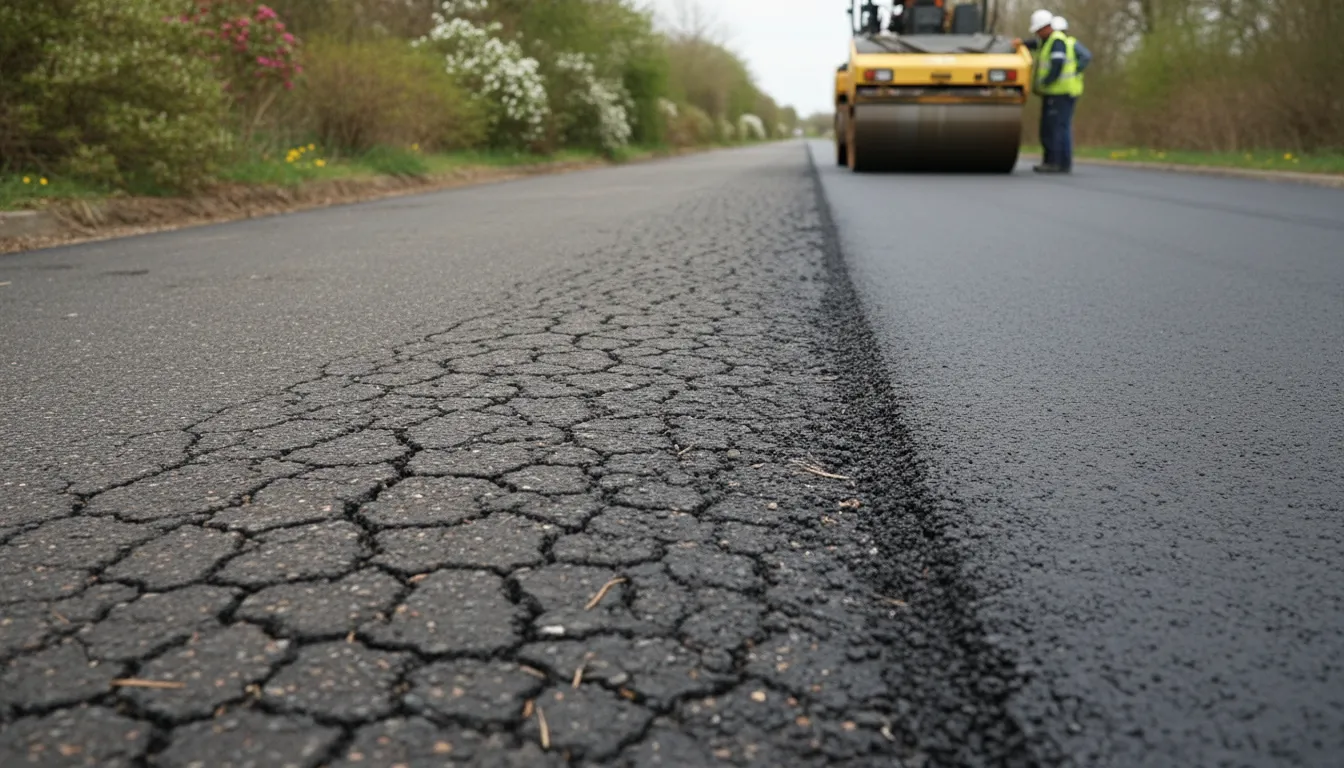
Parking lot resurfacing is a critical maintenance process that involves applying a new layer of asphalt over an existing pavement structure. In South Dakota, this service is essential for property owners to combat the severe weather conditions that rapidly deteriorate asphalt surfaces. A properly executed resurfacing project restores a smooth, safe, and professional appearance while extending the life of your pavement investment. This guide explains the local considerations, materials, and processes to help you make informed decisions and connect with qualified professionals for your project.
Black-Top Paving Co
4500 W 58th St, Sioux Falls, SD 57108
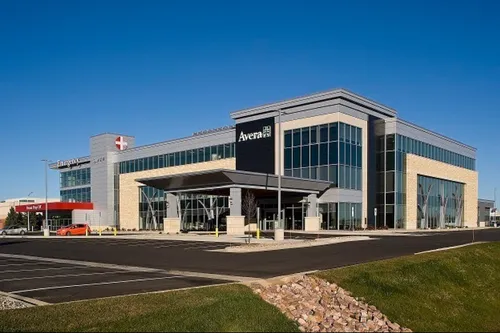
Black-Top Paving Co is a full-service asphalt and concrete contractor based in Sioux Falls, SD. They provide parking lot striping, sealcoating, paving, resurfacing, and repair services. Their work includes grading, budgeting, design, and ongoing maintenance to extend the life of asphalt surfaces. Black-Top Paving Co has experience with a variety of projects including commercial parking lots, sidewalks, curbs, and driveways. They also offer crack sealing and milling and overlay capabilities to maintain and improve pavement quality.
Asphalt Surfacing Co
1205 W Russell St, Sioux Falls, SD 57104
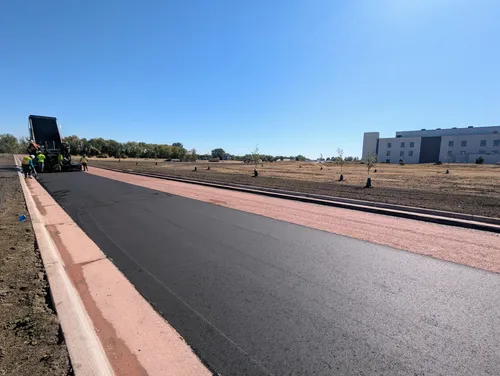
Asphalt Surfacing Co is a parking lot paving and repair company based in Sioux Falls, SD. They provide a range of asphalt services including sealcoating, resurfacing, and general maintenance to extend the life of existing asphalt surfaces. Partnered with Dakota Seal, they offer comprehensive asphalt maintenance and paving solutions for commercial, civil, and residential projects in the greater Sioux Falls area.
Why South Dakota's Climate Demands Specialized Resurfacing
South Dakota's continental climate subjects asphalt to some of the most punishing conditions in the country. Understanding these forces is key to planning a durable resurfacing project.
- Extreme Temperature Swings: Pavements endure temperatures ranging from below -30°F in winter to over 100°F in summer. This massive range causes asphalt to constantly expand and contract, leading to stress and cracking.
- Frequent Freeze-Thaw Cycles: This is the primary cause of pavement failure in the region. Water seeps into small cracks, freezes and expands, widening the cracks and breaking apart the asphalt from within. When it thaws, more water can enter, repeating the destructive cycle.
- Intense UV Exposure: High-altitude sun accelerates the oxidation process, causing asphalt to become brittle, fade in color, and lose its binding oils 1.
- Snow Removal Damage: Snow plows can scrape and gouge the surface, particularly at edges, transitions, and any raised areas, necessitating a smooth, well-designed finish.
A standard asphalt mix will fail prematurely under these conditions. A successful resurfacing plan must use specialized materials and techniques to create a flexible, resilient surface.
Critical Specifications for South Dakota Asphalt Overlays
The materials used in your parking lot overlay are the foundation of its longevity. South Dakota contractors follow specific mix designs to meet local challenges.
Performance-Graded (PG) Binders: The most critical component. Instead of traditional penetration grades, PG binders are engineered for specific temperature ranges. For South Dakota, a binder like PG 58-28 or PG 58-34 is common. The "58" indicates it performs well in high temperatures (up to 58°C/136°F), resisting rutting in summer. The "-28" or "-34" indicates it remains flexible at very low temperatures (-28°C/-18°F or -34°C/-29°F), resisting thermal cracking in winter.
Local Mix Designs: Many municipal specifications, such as those in Watertown, SD, call for Class E, Type 1 asphalt concrete. This mix is designed for durability and often incorporates Reclaimed Asphalt Pavement (RAP)-recycled old asphalt-at rates up to 20% or more, which is both economical and environmentally friendly2 3.
Proper Thickness: For a commercial parking lot resurfacing overlay, the new surface layer is typically 2 to 3 inches thick. This is applied over a structurally sound existing base. For a full-depth reconstruction, the total pavement structure (base and surface) for commercial traffic should be 6 to 8 inches deep4.
Find the perfect parking lot resurfacing contractors for your needs
Get personalized recommendations and expert advice
The Non-Negotiable: Slope and Drainage Design
No matter how high-quality the asphalt mix, standing water will destroy it. Proper drainage is the single most important design factor for a parking lot in South Dakota.
- Minimum Slope: The finished surface must have a consistent slope of at least 1.5% to 2% (a drop of 1.5 to 2 inches per 100 inches)5 6. This ensures water flows quickly to drains and does not pool.
- Preventing "Birdbaths": Low spots where water collects are called birdbaths. These areas are failure points, as water constantly infiltrates the pavement, accelerating freeze-thaw damage and base softening. A meticulous grading plan during resurfacing eliminates them.
- Integrating Drainage Structures: The resurfacing plan must account for existing curbs, gutters, and catch basins. Sometimes, resurfacing is the ideal time to add or adjust drainage features to improve water management.
The Resurfacing Process: From Evaluation to Finish
A professional parking lot overlay follows a systematic process to ensure a long-lasting result.
- Comprehensive Evaluation: A reputable contractor will first conduct a thorough inspection of the existing pavement. They assess the severity of alligator (fatigue) cracking, potholes, base failures, and drainage issues. This determines if a simple overlay is sufficient or if sections need removal and replacement first.
- Detailed Repair: All localized failures must be addressed. This involves removing deteriorated asphalt, repairing or compacting the subbase, and installing a full-depth patch. Skipping this step allows underlying problems to quickly reflect through the new surface.
- Meticulous Cleaning: The entire existing surface is cleaned with power brooms and blowers to remove all dirt, debris, and loose gravel. This is crucial for achieving a strong bond between the old pavement and the new overlay.
- Tack Coat Application: A thin layer of liquid asphalt (tack coat) is sprayed onto the clean surface. This acts as a glue, ensuring the new hot mix asphalt adheres properly to the old layer.
- Precise Paving and Compaction: The new hot mix asphalt is laid at the correct temperature and depth by a paving machine. Immediate and proper compaction with rollers is vital to achieve the required density, smoothness, and to remove air pockets that could hold water.
- Curing and Striping: The new surface is left to cool and harden. Once fully cured, new pavement markings, symbols, and stencils are applied for safety and organization.
Understanding Resurfacing Costs in South Dakota
Pricing for asphalt overlay can vary based on project specifics, location, and material costs, which are tied to oil prices. The following are general price ranges for commercial projects.
- Resurfacing/Overlay: $2.00 - $5.00 per square foot. This is the cost for adding a new surface layer (typically 2-3 inches) after necessary repairs. The final price depends on the amount of preparatory repair work needed, the asphalt mix specified, and the project's size.
- Remove and Replace: $5.00 - $10.00+ per square foot. This higher cost applies to areas where the existing pavement is beyond repair and must be fully excavated down to the subbase before new asphalt is installed.
Proactive Maintenance After Resurfacing
Protecting your investment starts as soon as the new surface is laid.
- Initial Cure: Keep traffic off the new asphalt until it has fully cooled and hardened as directed by your contractor.
- Sealcoating Schedule: Plan to apply a high-quality sealcoat approximately 6 to 12 months after resurfacing7. This allows the new asphalt to fully cure while providing a protective barrier against UV oxidation, gasoline, oil, and de-icing chemicals.
- Prompt Crack Sealing: Inspect the lot annually and seal any new hairline cracks immediately. This low-cost step prevents water infiltration and is the best defense against freeze-thaw damage8 9.
- Careful Snow Removal: Instruct plow operators to keep blades slightly above the surface to avoid scraping and gouging, especially during the first winter.
Frequently asked questions
Sources
Footnotes
-
How Weather Affects Parking Lot Surfaces - https://ottospm.com/how-weather-affects-parking-lot-surfaces/ ↩
-
TECHNICAL SPECIFICATIONS FOR ASPHALT CONCRETE ... - https://watertownsd.us/DocumentCenter/View/1601/ASPHALT-TECHNICAL-SPECIFICATION ↩
-
Different Types of Asphalt Mixes and When To Use Them - https://streetworksus.com/blog/asphalt-mixes-types-and-uses-paving ↩
-
How Thick Should Your Asphalt Parking Lot Be? - NAC Supply - https://nacsupply.com/blogs/asphalt-advisor-blog/how-thick-should-your-asphalt-parking-lot-be ↩
-
Engineering FAQs | Asphalt Institute Technical Questions - https://www.asphaltinstitute.org/engineering/engineering-faqs/ ↩
-
How Summer Heat Affects Your Commercial Concrete Parking Lots - https://truckparkingclub.com/news/how-summer-heat-affects-concrete-parking-lots/ ↩
-
IAPA :: Parking Lots - Illinois Asphalt Pavement Association - https://www.il-asphalt.org/asphalt-info/private-commercial/parking-lots/ ↩
-
Weather and Environmental Breakdown of Parking Lot Pavement - https://buckbros.com/blog/environmental-breakdown-of-parking-lot-pavement/ ↩
-
How Does Hot Weather Affect Asphalt Parking Lots? - https://www.a1asphaltinc.com/how-does-hot-weather-affect-asphalt-parking-lots.php ↩