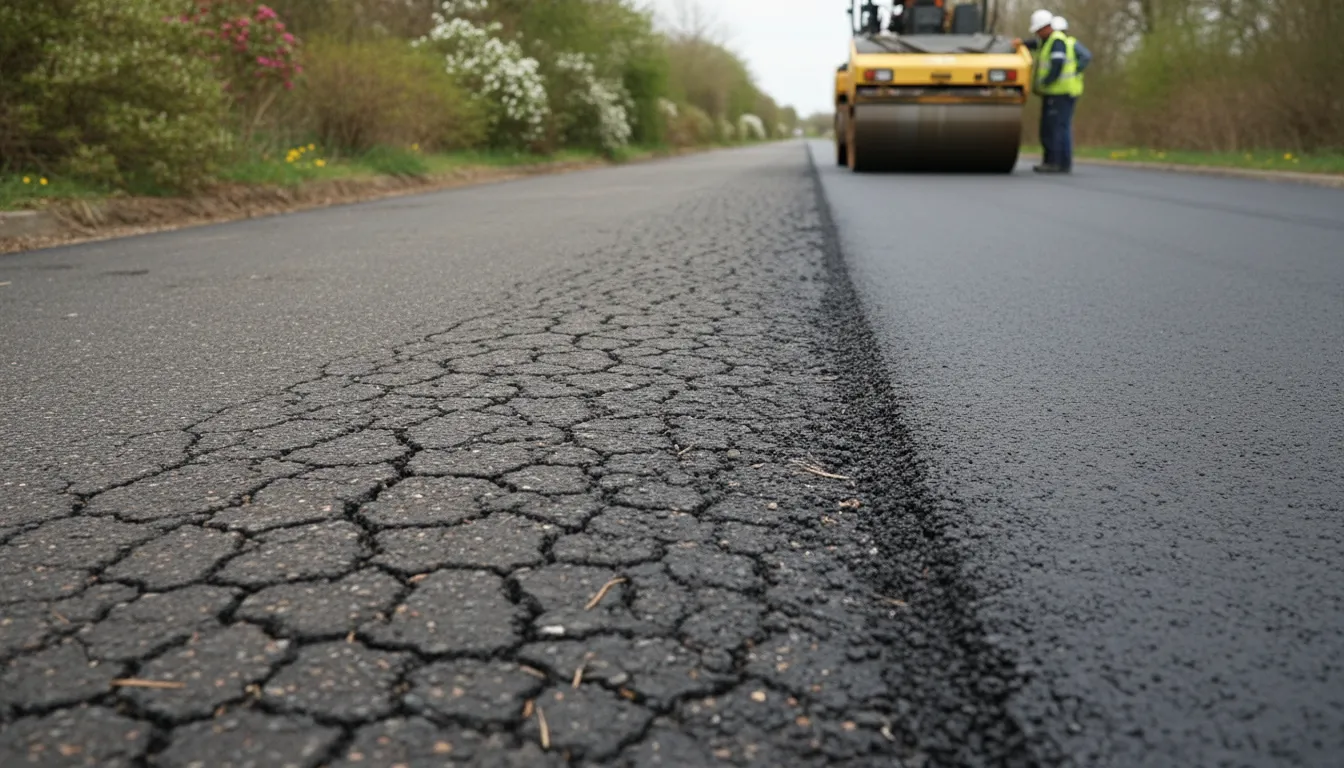
Find the Best Parking Lot Resurfacing Contractors for Your Business
No obligation • Fast responses • Nationwide coverage
Why you can trust Tidy Parking
Tidy Parking is a leading U.S. source for parking lot maintenance services, including striping, sealcoating, sweeping, paving, resurfacing, and repairs. Our content is created independently, and providers cannot pay to influence ratings or recommendations.
Search providers near you
Best Parking Lot Resurfacing Contractors in Pennsylvania Ranked
Parking lot resurfacing is a critical maintenance procedure for commercial properties, restoring a smooth, safe, and professional surface without the high cost of a full reconstruction. In Pennsylvania, this process is particularly vital due to the state's demanding climate, which can rapidly degrade asphalt. This guide explains the resurfacing process, key considerations for Pennsylvania property managers, and how to connect with qualified local contractors to protect your investment and ensure long-lasting results.
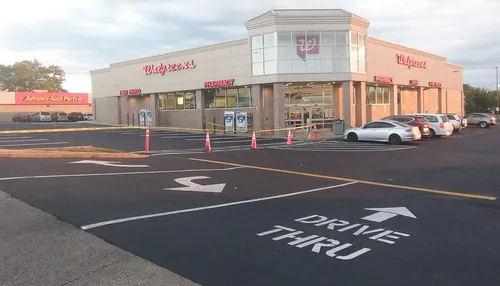
Premier Sealcoating Line Striping & Asphalt Maintenance LLC
Allentown, PA
Premier Sealcoating Line Striping & Asphalt Maintenance LLC provides comprehensive asphalt maintenance services in Allentown, PA. Their offerings include crack sealing, sealcoating, line striping, pothole patching, resurfacing sports courts, and traffic sign installation. The company uses high-quality materials such as Sherwin-Williams traffic marking paints and premium sealers fortified with silica sand to enhance durability and appearance. They serve a wide area across Pennsylvania and New Jersey, including cities like Bethlehem, Harrisburg, and Philadelphia. Premier Sealcoating is fully licensed and insured, with certifications including COSTARS, PennDOT DBE, Pennsylvania SDB, and WBENC, emphasizing their commitment to quality and compliance.
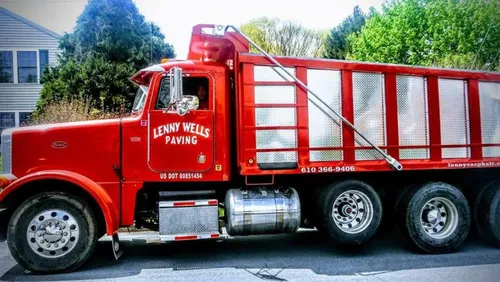
Lenny Wells Paving
Allentown, PA
Lenny Wells Paving is a family-owned paving contractor based near Allentown, PA, specializing in parking lot paving, resurfacing, and repair. They serve commercial, residential, and industrial clients in Alburtis and Lehigh County, offering services such as road paving, water drainage, excavating, and land grading. With over 50 years of experience, Lenny Wells Paving uses state-of-the-art equipment to ensure durable and smooth asphalt surfaces. The company operates year-round and focuses on customer satisfaction through quality workmanship and effective solutions.
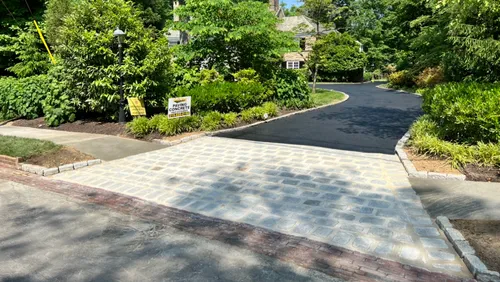
Quality Paving & Concrete
2 Bala Plaza Suite 300-726, Bala Cynwyd, PA 19004
Quality Paving & Concrete is a contractor based in Philadelphia, PA, specializing in asphalt paving, concrete work, and parking lot repair and resurfacing. They offer a range of services including asphalt overlay, removal, and replacement, as well as concrete installation and repair. The company also provides hardscaping, masonry, patios, retaining walls, and basement waterproofing. With over 20 years of experience, Quality Paving & Concrete has developed expertise in delivering durable paving and concrete solutions. They serve a wide area including Bucks County, Montgomery County, Chester County, and surrounding communities.
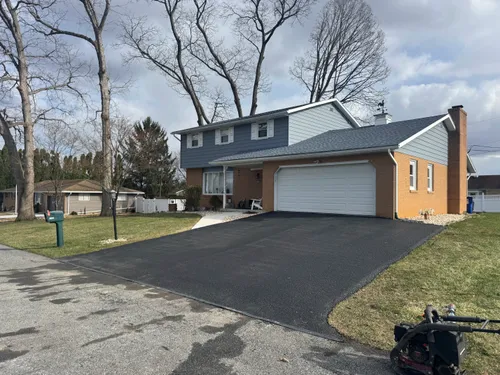
Levi’s Paving and Contracting LLC
723 Ludlow St, Easton, PA 18045
Levi's Paving and Contracting LLC is a family-owned paving company serving Allentown, PA, and surrounding areas. They provide a range of commercial and residential paving services including new paved parking lots, seal coating, resurfacing, line striping, grading, excavating, and sinkhole repairs. The company handles all projects in-house without subcontracting and uses modern equipment and quality materials to complete jobs efficiently. Levi's Paving and Contracting LLC has built a reputation for delivering reliable paving solutions and maintaining long-term client partnerships.
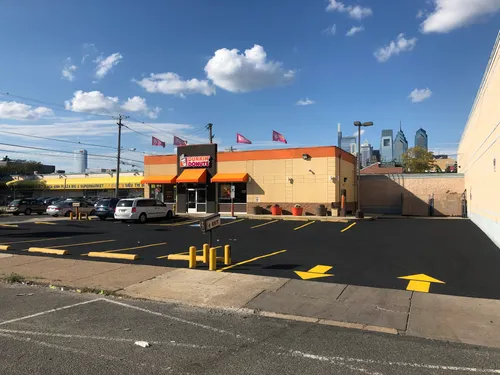
All Out Parking Lots
501 Abbott Dr, Broomall, PA 19008
All Out Parking Lots is a full-service parking lot contractor based in Philadelphia, PA, offering a comprehensive range of asphalt and concrete services. Their expertise includes asphalt repair, sealcoating, pavement marking, paving, and concrete replacement, serving commercial clients with flexible solutions for parking lot projects. They have worked on multiple high-profile sites in the Greater Philadelphia region, providing services such as overlays, pothole remediation, and ADA-compliant pavement marking. The company emphasizes safety and quality in all projects and has experience managing large-scale multi-site facility partnerships.
Understanding the Resurfacing Process
Resurfacing, often called an asphalt overlay, is a cost-effective solution for parking lots that are structurally sound but show significant surface wear. The typical process involves milling away the top 1.5 to 2 inches of deteriorated asphalt and then installing a fresh layer of hot mix asphalt (HMA). This method addresses issues like widespread cracking, raveling (loose aggregate), and minor surface irregularities, providing a new wearing course that extends the pavement's life by 8-15 years with proper maintenance.
This approach is ideal for lots less than 20 years old with a stable, uncompromised base. It's crucial to distinguish resurfacing from reconstruction. If the underlying base material (subgrade) has failed due to water intrusion or heavy loads, simply adding a new top layer will not solve the problem, and the new surface will quickly fail. A professional assessment is the first step to determine if resurfacing is the appropriate remedy for your lot's condition.
Pennsylvania's Climate: The Freeze-Thaw Challenge
Pennsylvania's seasonal extremes are the primary driver of asphalt deterioration. The relentless freeze-thaw cycle is a destructive force that property owners must actively combat through proper design and materials.
How Freeze-Thaw Causes Damage: Water seeps into small cracks and pores in the asphalt. When temperatures drop, this water freezes and expands, widening the cracks and stressing the pavement structure. Upon thawing, more water can enter the newly enlarged voids, repeating the cycle and progressively weakening the asphalt and its base 1 2. This process is the leading cause of potholes and alligator (fatigue) cracking in the state.
Optimal Timing for Work: To ensure the new asphalt cures properly and achieves maximum density and strength, resurfacing should be scheduled when ambient and ground temperatures are consistently above 50°F. This typically limits the ideal paving window in Pennsylvania to late spring through early fall. Planning your project for this period is essential for a durable outcome.
Selecting the Right Asphalt Mix for PA Lots
Using the correct asphalt mix is not a matter of preference but a requirement for longevity in Pennsylvania's variable climate. Commercial parking lots require robust, engineered mixes different from residential driveways.
Performance Grade (PG) Binders: The asphalt binder's grade indicates its performance at high and low temperatures. For most of Pennsylvania, a PG 64-22 binder is the standard specification. The "64" indicates it performs well in high temperatures up to 64°C (147°F), resisting rutting from parked cars and traffic. The "-22" signifies it remains flexible at low temperatures down to -22°C (-8°F), helping to resist thermal cracking 3. Some specifications may call for PG64E-22, where "E" denotes engineered for enhanced durability.
Heavy-Duty Applications: For areas expecting heavy truck traffic, loading docks, or frequent stop-and-go movement, a higher-grade binder like PG 58E-34 may be recommended. This mix is designed to withstand greater shear forces and prevent rutting and shoving under extreme loads 4.
Surface Mix & Thickness: The final surface course typically uses a finer aggregate blend, such as a 9.5mm or 12.5mm nominal maximum aggregate size, for a smooth finish. For commercial parking lots, the new overlay is generally applied in a compacted thickness of 3 to 4 inches to handle vehicular traffic effectively 5.
Find the perfect parking lot resurfacing contractors for your needs
Get personalized recommendations and expert advice
The Critical Role of Drainage and Slope
Water is the single greatest enemy of asphalt pavement. In Pennsylvania, managing water runoff is inseparable from ensuring pavement longevity. A perfectly resurfaced lot with poor drainage will fail prematurely as water undermines the sub-base 6.
Minimum Slope Requirements: A paved surface must be sloped to direct water toward drains or pervious areas. The industry standard minimum slope for effective drainage is 1% to 2% (a 1 to 2-foot drop per 100 feet) 7. During resurfacing, contractors must re-establish or correct these slopes to prevent ponding water, which accelerates deterioration and creates safety hazards like ice patches.
Porous Pavement Considerations: In municipalities with strict stormwater management regulations, such as Philadelphia, porous asphalt may be a requirement or a beneficial choice for new sections or replacements. Porous asphalt is a special open-graded mix that allows water to infiltrate through the pavement into a stone reservoir below, reducing runoff 8 9. It requires specific design and maintenance but can be an excellent solution for managing Pennsylvania's rainfall.
Inlet and Catch Basin Maintenance: As part of any resurfacing project, existing drainage inlets and catch basins must be cleaned, adjusted to the new pavement height, and ensured to be fully functional. Neglecting this step can render the entire drainage system ineffective.
Cost Factors for Resurfacing in Pennsylvania
Understanding the cost drivers helps in budgeting and comparing proposals. In Pennsylvania, the average cost for parking lot resurfacing (milling and overlay) ranges from $1 to $3 per square foot 10 11. Several key factors influence where your project falls within or beyond this range:
- Lot Size and Configuration: Larger projects often benefit from a lower cost per square foot due to economies of scale. However, lots with many small stalls, tight turns, and light poles require more detailed milling and handwork, which can increase labor time and cost.
- Depth of Mill and Overlay: Removing and replacing 2 inches is standard, but lots with more severe surface damage may require a deeper mill (3+ inches) and a correspondingly thicker overlay, increasing material costs.
- Base Repairs: The condition discovered after milling directly impacts cost. Areas of localized base failure must be excavated, the sub-base re-compacted, and a full-depth patch installed before the overlay. The extent of these repairs is a major variable.
- Asphalt Mix Specifications: The cost of the specific PG-graded mix, including any premium polymers or modifiers for heavy-duty areas, will affect the price.
- Site Accessibility and Preparation: Costs can be higher for sites with difficult access, the need for extensive traffic control, or requirements for overnight work.
For comparison, a complete parking lot reconstruction, which involves full removal and replacement of asphalt and base layers, is a significantly larger investment, typically ranging from $4 to $10 per square foot 12 13.
Protecting Your Resurfacing Investment
A new overlay is a substantial investment that should be protected. Sealcoating is the primary maintenance activity, acting as a barrier against water, oil, gasoline, and UV oxidation. For a newly resurfaced lot, the first sealcoat should be applied after the asphalt has fully cured (typically 6-12 months). Thereafter, a high-quality commercial sealcoat should be reapplied every 2 to 3 years to maximize the life of the surface. Proactive crack sealing in the first year or two is also a cost-effective way to prevent water intrusion and extend the pavement's service life.
Frequently asked questions
Sources
Footnotes
-
How Seasonal Changes Impact Asphalt Pavement in Pennsylvania - https://jandjasphaltllcpa.com/seasonal-asphalt-damage-pennsylvania/ ↩
-
Parking Lot Resurfacing: Complete Cost Guide & Process [2025] - C&C Super Seal - https://www.candcsuperseal.com/parking-lot-resurfacing-complete-cost-guide-process-2025/ ↩
-
Parking Lots Paving - Hot Mix Asphalt (HMA) Recommendations - https://www.wsbeng.com/parking-lots-paving-hot-mix-asphalt-hma-recommendations/ ↩
-
NJAPA Pavement Guide 2009.102408.FINAL.qxp - https://www.njapa.com/wp-content/uploads/2016/10/NJAPA-Design-Guide-2013-64E-Rev-11-4-13.pdf ↩
-
The Essential Guide To Asphalt Thickness For Parking Lots - https://www.royalpavementsolutions.com/the-essential-guide-to-asphalt-thickness-for-parking-lots/ ↩
-
Right Asphalt Mix for Industrial and Commercial Applications - https://thepavementgroup.com/choosing-the-right-asphalt-mix-for-industrial-and-commercial-applications/ ↩
-
What Is the Minimum Slope for Parking Lot Drainage? - https://4lconcretesolutions.com/concrete-contractor/parking-lot-construction/what-is-the-minimum-slope-for-parking-lot-drainage/ ↩
-
4.2 Porous Pavement - Philadelphia Water Department - https://water.phila.gov/development/stormwater-plan-review/manual/chapter-4/4-2-porous-pavement/ ↩
-
Porous Pavements Guide Specs-parking lot - NC.indd - https://www.carolinaasphalt.org/aws/CAPA/asset_manager/get_file/383198?ver=223 ↩
-
Parking Lot Resurfacing: Complete Cost Guide & Process [2025] - https://www.candcsuperseal.com/parking-lot-resurfacing-complete-cost-guide-process-2025/ ↩
-
How To Budget for Repaving a Parking Lot or Playground - - https://arnoldasphalt.com/how-to-budget-for-repaving-a-parking-lot-or-playground/ ↩
-
How to Budget for Commercial Parking Lot Paving Projects - https://thepavementgroup.com/how-to-budget-for-commercial-parking-lot-paving-projects/ ↩
-
Commercial Parking Lot Paving Costs and Timelines - KNL Industries - https://www.kandlindustries.com/commercial-parking-lot-paving-costs/ ↩