Find the Best Parking Lot Resurfacing Contractors for Your Business
No obligation • Fast responses • Nationwide coverage

Why you can trust Tidy Parking
Tidy Parking is a leading U.S. source for parking lot maintenance services, including striping, sealcoating, sweeping, paving, resurfacing, and repairs. Our content is created independently, and providers cannot pay to influence ratings or recommendations.
Search providers near you
Best Parking Lot Resurfacing Contractors in Hawaii Ranked
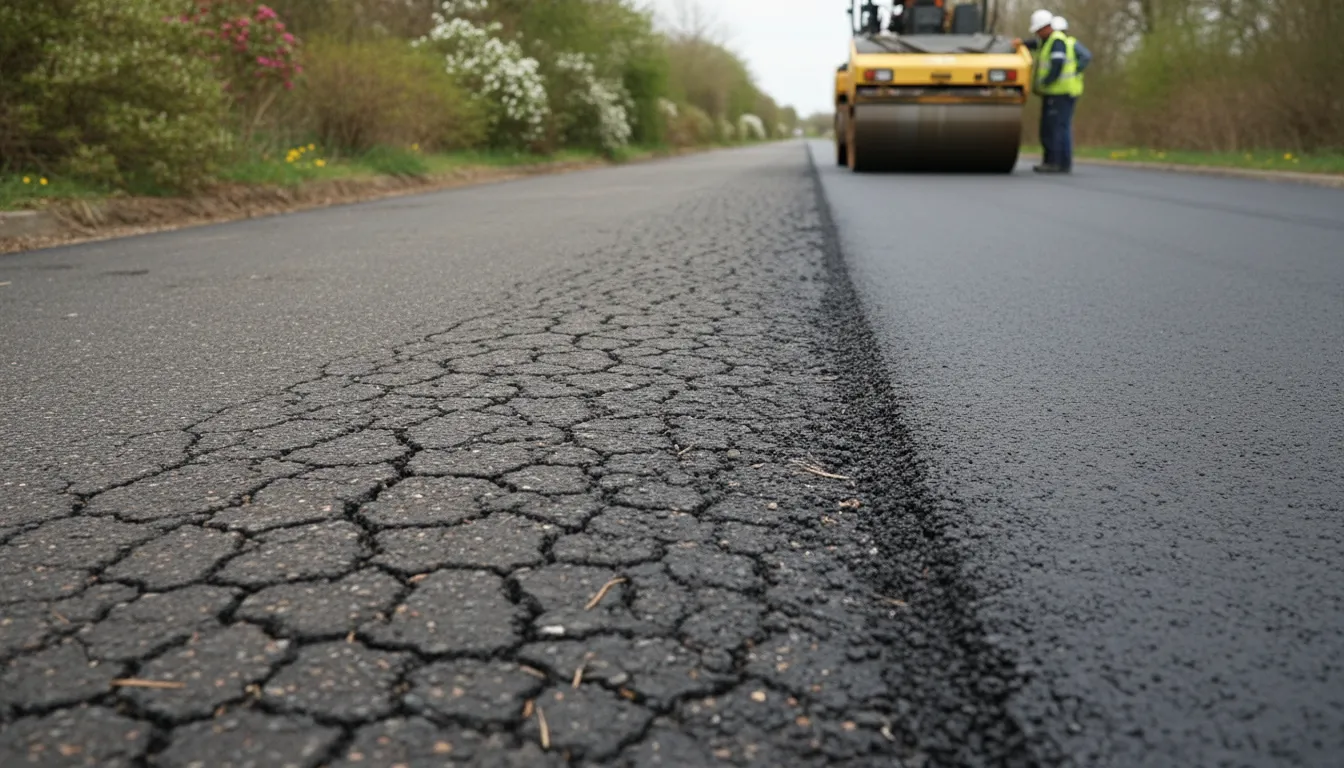
Parking lot resurfacing is a critical maintenance procedure that involves applying a new layer of asphalt over an existing, structurally sound pavement. In Hawaii, this process is essential for combating the unique challenges of a tropical climate, which can rapidly degrade asphalt surfaces. A well-executed resurfacing project restores a smooth, safe driving surface, improves curb appeal, and protects your property investment from costly foundational repairs. This guide explains the key considerations, materials, and processes for successful parking lot resurfacing in the Aloha State, helping you understand what to look for in a local paving contractor.

The Hawaiian Climate Challenge
Hawaii's idyllic weather presents a harsh environment for asphalt pavement. Understanding these factors is the first step in planning a durable resurfacing project.
- Intense UV Exposure & Heat: Constant, year-round sun accelerates the oxidation process, causing asphalt binders to become brittle and lose flexibility, which leads to cracking. High ambient temperatures can also keep the asphalt surface softer, making it more susceptible to deformation and oil stains from vehicles.
- Heavy Rainfall & Humidity: Tropical downpours and consistent high humidity demand superior drainage. Without it, water can saturate the subgrade soil beneath the pavement, weakening the entire structural foundation and leading to potholes and alligator cracking.
- Material Specifications: To withstand these conditions, resurfacing in Hawaii requires specialized hot-mix asphalt (HMA) formulas, such as State Mix 5 or City/County Mix 4, which are engineered for durability under high heat and UV stress.
Key Steps in the Resurfacing Process
A proper resurfacing project is more than just laying new asphalt. It's a systematic approach to ensure longevity.
- Comprehensive Evaluation: A professional contractor will first assess the existing pavement's condition. They look for alligator cracking, potholes, drainage issues, and base failures to determine if the lot is a candidate for resurfacing or requires more extensive repair.
- Repair & Preparation: Any areas with foundational problems must be addressed. This includes removing and replacing severely damaged sections, filling potholes, and sealing cracks. The entire surface is then thoroughly cleaned.
- Drainage Verification: This is a critical step in Hawaii. The contractor will check that the pavement has the proper slope (typically a minimum of 2%) to channel water away to storm drains and ensure the subgrade is properly graded 1 2.
- Application of Tack Coat: A thin layer of liquid asphalt is applied to the existing pavement. This acts as a glue, ensuring a strong bond between the old surface and the new overlay.
- Overlay Installation: The new layer of hot-mix asphalt is laid using a paver, typically at a minimum thickness of 2 inches for a resurfacing project. It is then compacted with rollers to achieve a smooth, dense finish.
- Curing & Striping: The new asphalt needs time to cool and harden. Once cured, new parking stall lines, arrows, handicap symbols, and other markings are applied.
Material Choices for Hawaii
Selecting the right asphalt mix is paramount for performance in the islands.
- Hot-Mix Asphalt (HMA) Overlay: This is the standard for resurfacing. HMA is heated and mixed at a plant before being transported and laid. For a smooth, durable finish suitable for Hawaii's conditions, contractors often use a finer surface mix like Mix 5 or City & County Mix 4 3.
- Concrete as an Alternative: In some high-heat areas, property owners consider concrete. Its light color reflects more solar radiation, staying cooler than asphalt. Concrete also generally requires less frequent maintenance, though its initial cost is higher and repairs can be more complex 4.
Find the perfect parking lot resurfacing contractors for your needs
Get personalized recommendations and expert advice
The Critical Role of Drainage
In Hawaii, effective drainage isn't just a recommendation-it's a requirement for pavement survival. Water is the primary enemy of asphalt. A resurfacing project must include an assessment and correction of drainage issues. The base and subgrade must be stable and properly sloped (with minimal variation) to prevent water from pooling or, worse, infiltrating and weakening the pavement structure from below. Ensuring water flows quickly to designated drains protects your investment far more than the surface layer alone.
Understanding Costs in Hawaii
Parking lot resurfacing costs in Hawaii are influenced by the size of the project, accessibility, existing conditions, and the specialized materials required. Prices are typically quoted per square foot.
- Resurfacing/Overlay: Applying a new 2-inch layer of asphalt over an existing lot generally ranges from $1.50 to $3.00 per square foot.
- New Asphalt Paving: For a brand-new installation, costs are higher, typically ranging from $2.50 to $4.50 per square foot 5.
- Protective Maintenance: Sealcoating, which should be part of a regular maintenance plan after resurfacing, costs between $0.20 and $0.50 per square foot 6. Add-on services like crack sealing or re-striping can range from $0.15 to $0.30 per square foot 7.
Investing in resurfacing at the right time can add 8 to 15 years of functional life to a parking lot, delaying the far greater expense of a full reconstruction 8.
Maintaining Your Resurfaced Lot
To protect your investment after resurfacing, a proactive maintenance plan is essential.
- Regular Sealcoating: Apply a protective sealcoat every 2-3 years. This shields the asphalt from UV rays, oil, gasoline, and water, significantly slowing the oxidation process 9.
- Prompt Crack Sealing: Fill small cracks as soon as they appear to prevent water from seeping into the base.
- Cleanliness: Regularly sweep the lot to remove debris and address oil stains promptly with appropriate cleaners to prevent them from breaking down the asphalt binder 10.
- Drainage Inspection: Keep all drains, gutters, and culverts clear of obstructions, especially before the rainy season.
Frequently asked questions
Sources
Footnotes
-
Parking Lots - Hawaii Asphalt Paving Industry - http://hawaiiasphalt.org/guide/modules/02_design_catalog/02_parking_lots.htm ↩
-
Right Asphalt Mix for Industrial and Commercial Applications - https://thepavementgroup.com/choosing-the-right-asphalt-mix-for-industrial-and-commercial-applications/ ↩
-
Asphalt Options - DC Asphalt Services - Honolulu - https://www.dcasphaltservices.com/asphalt-options/ ↩
-
Parking Lots - Concrete VS Asphalt | Seal Pros Hawaii - https://sealproshawaii.com/seal-pros-hawaii/parking-lots-concrete-vs-asphalt/ ↩
-
How Much Does Parking Lot Paving Cost in 2025? - Eli's Paving - https://elispaving.com/how-much-does-parking-lot-paving-cost-in-2025/ ↩
-
Parking Lot Seal Coating Costs for Asphalt : 2025 Pricing Guide - https://www.fixasphalt.com/blog/how-much-does-it-cost-to-sealcoat-an-asphalt-parking-lot ↩
-
Hawaii Parking Lots Costs & Prices - ProMatcher Cost Report - https://parking-lots.promatcher.com/cost/hawaii.aspx ↩
-
Parking Lot Resurfacing: Complete Cost Guide & Process [2025] - https://www.candcsuperseal.com/parking-lot-resurfacing-complete-cost-guide-process-2025/ ↩
-
How To Delay Asphalt Repaving Costs For Oahu Parking Lots - https://www.gpmaintenancesolutions.com/blog/how-delay-asphalt-repaving-costs-oahu-parking-lots ↩
-
Tackling Oil Stains on Asphalt in a Hot Tropical Climate - https://www.gpmaintenancesolutions.com/blog/tackling-oil-stains-asphalt-hot-tropical-climate-best-solutions-property-managers-hawaii ↩