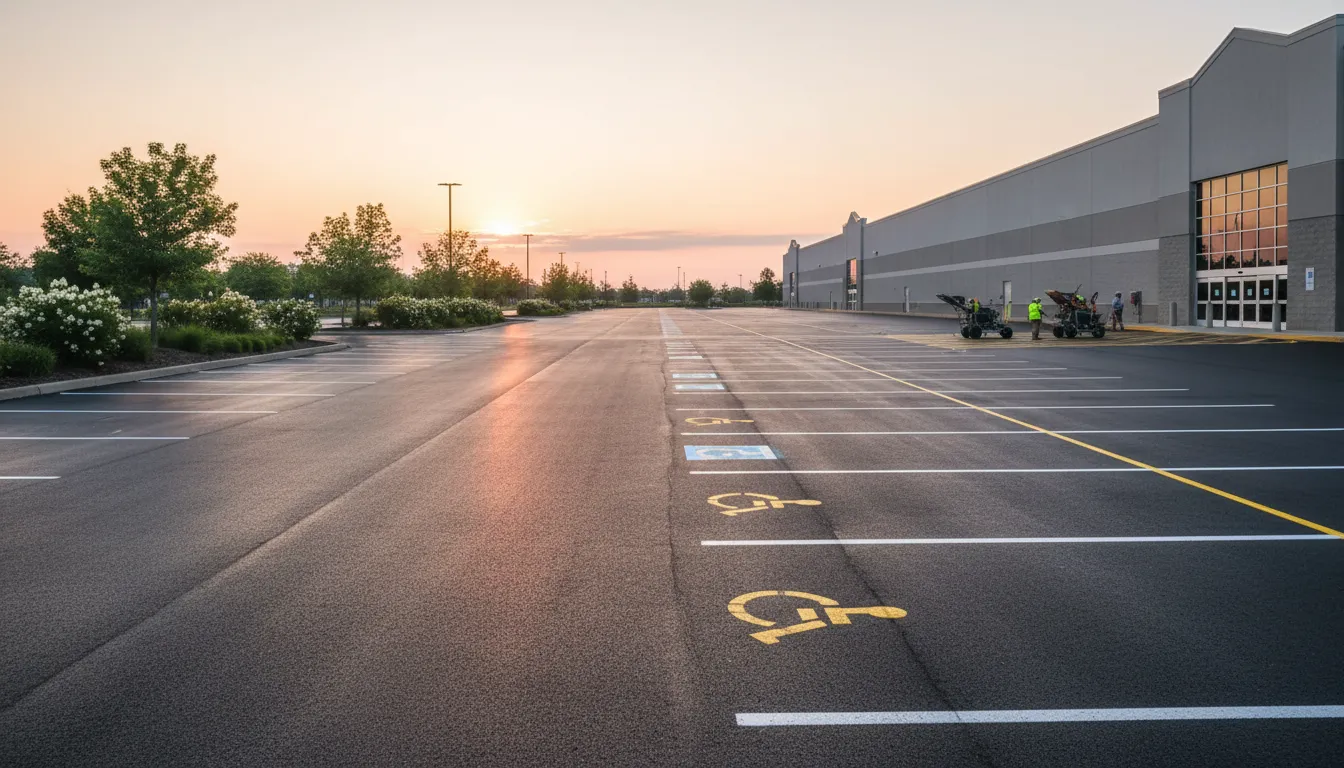
Find the Best Parking Lot Striping Companies for Your Business
No obligation • Fast responses • Nationwide coverage
Why you can trust Tidy Parking
Tidy Parking is a leading U.S. source for parking lot maintenance services, including striping, sealcoating, sweeping, paving, resurfacing, and repairs. Our content is created independently, and providers cannot pay to influence ratings or recommendations.
Search providers near you
Top Parking Lot Striping Companies in Dallas, Texas Ranked
A well-marked parking lot is essential for safety, accessibility, and efficient traffic flow at any commercial property. Parking lot striping involves applying clear, durable pavement markings to designate stalls, fire lanes, accessible spaces, and pedestrian walkways. In Dallas, these markings are not just a best practice-they are a legal requirement governed by strict state and local codes. This guide explains the key regulations, best practices, and maintenance schedules for parking lot line painting in Dallas, helping you understand what to look for and how to ensure your property remains compliant and safe.
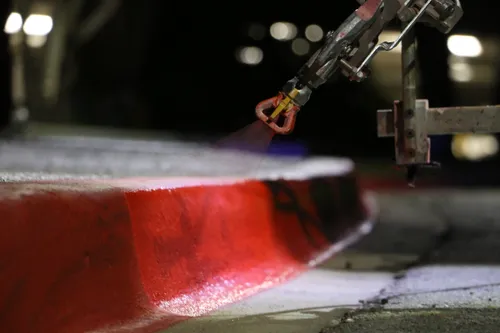
Precise Property Maintenance
650 Dalworth Dr, Mesquite, TX 75149
Precise Property Maintenance is a parking lot striping, sealcoating, and repair company serving Dallas, TX. Founded in 2019, the company offers a range of services including detailed parking lot striping, pavement repair, sealcoating, and routine pressure washing. They specialize in code-compliant markings such as ADA parking and fire lanes, and provide flexible scheduling to meet client needs. With over a decade of prior industry experience among its team, Precise Property Maintenance focuses on maintaining parking lots in optimal condition across the Dallas-Fort Worth Metroplex.
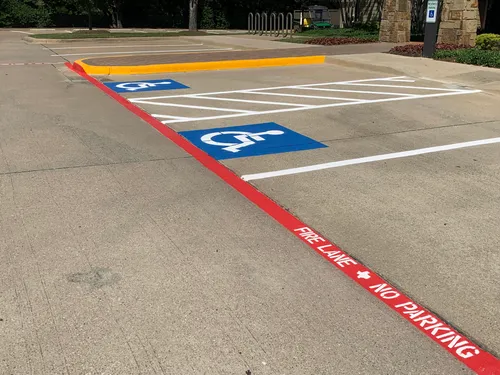
Lonestar Lot Maintenance
Dallas, TX
Lonestar Lot Maintenance is a locally owned and operated company based in Dallas, TX, specializing in parking lot maintenance services including striping and pressure washing. They serve clients throughout North Texas, including Arlington, Prosper, Fort Worth, and Garland. The company is known for quality workmanship and certified expertise, offering services that enhance property value and curb appeal. Lonestar Lot Maintenance also handles parking lot repairs and can accommodate scheduling needs around client operations.
G-FORCE Parking Lot Striping of Fort Worth
Dallas, TX
G-FORCE Parking Lot Striping of Fort Worth is a veteran-owned company providing parking lot striping and pavement marking services in Dallas, TX. They offer a range of services including parking lot striping, warehouse floor markings, parking lot sign installation, athletic field markings, and ADA parking compliance. Using Sherwin-Williams premium traffic paints and advanced striping equipment, they ensure durable and precise markings. The company serves Fort Worth and surrounding cities with a national network of locations to support broader projects. Their military background influences their focus on precision and accountability.
General Striping
2205 Wenneca Ave, Fort Worth, TX 76102
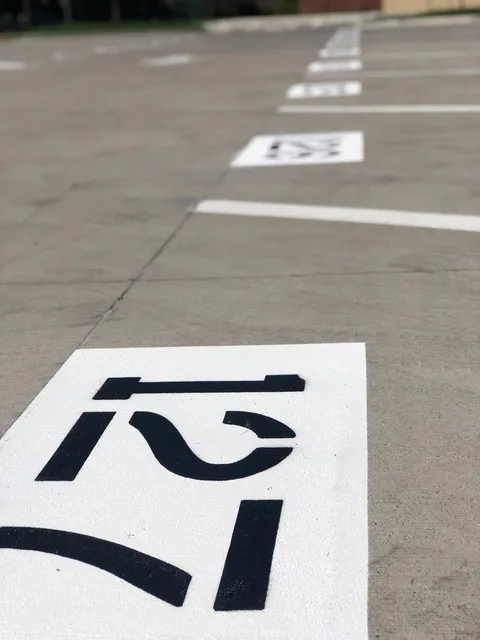
General Striping is a parking lot striping company based in Dallas, TX. They provide striping services for a wide range of surfaces including athletic courts, turf and grass fields, roads, parking lots, garages, warehouses, and airports. The company uses advanced striping technology and a skilled crew to deliver precise and professional results. Inspired by the U.S. Marine Corps ethos, General Striping emphasizes quality and attention to detail in every project.
Evoren Development
Richardson, TX
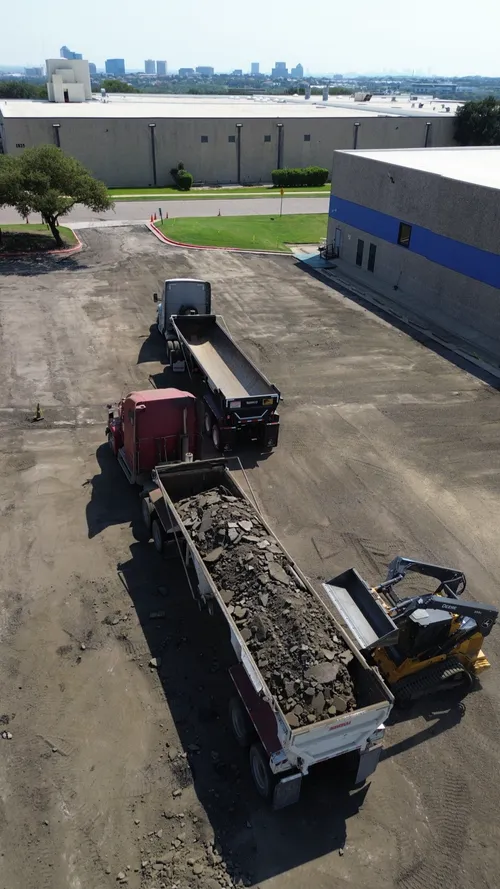
Evoren Development is a general contractor based in Richardson, TX, offering a wide range of services including parking lot striping, asphalt paving, concrete work, and full-scale structural rehabilitation for both commercial and residential projects. They provide comprehensive site solutions from demolition and site grading to finishing touches like custom painting and fencing. Their capabilities include large-scale parking lot striping and durable asphalt paving designed to withstand local weather conditions. Serving multiple cities in the Dallas-Fort Worth area, Evoren Development combines advanced technology with skilled craftsmanship to deliver lasting results.
Understanding Dallas and Texas Striping Regulations
Parking lot marking in Dallas is regulated by a combination of the Texas Accessibility Standards (TAS), which align with the federal Americans with Disabilities Act (ADA), and the Dallas Fire-Rescue Department's fire code. Non-compliance can result in significant fines, liability issues, and create unsafe conditions for visitors. The most critical areas of focus are accessible parking spaces and fire apparatus access roads, commonly known as fire lanes.
Accessible Parking Space Requirements
Properly marked accessible spaces are a cornerstone of ADA/TAS compliance. Key requirements include:
- Location: Accessible spaces must be located on the shortest accessible route from the parking area to the building's accessible entrance.
- Dimensions: Standard accessible car spaces must be at least 8 feet wide, accompanied by a 5-foot-wide access aisle. Van-accessible spaces require an 8-foot-wide access aisle.
- Access Aisle Markings: The access aisle is crucial. It must be at least 60 inches wide and marked with diagonal blue or white stripes to indicate it is a "no parking" zone for vehicles. This aisle cannot be blocked or overlapped by the parking stall lines.
- Vertical Signage: Each accessible space must be identified with a vertical sign featuring the International Symbol of Accessibility. Van-accessible spaces require additional wording on the sign.
Fire Lane Striping Codes
Dallas Fire-Rescue has specific, non-negotiable rules for marking fire lanes to ensure emergency vehicles have unobstructed access 1.
- Curb and Pavement Color: The curb face or the pavement surface of the fire lane must be painted red.
- Lettering: The words "NO PARKING FIRE LANE" must be stenciled in white on the red background. The letters must be a minimum of 6 inches in height.
- Visibility: These markings must be kept clear, clean, and highly visible at all times. Faded or obscured fire lane markings are a common code violation.
Other Essential Pavement Markings
A complete parking lot layout includes more than just stalls and fire lanes.
- Crosswalks: Pedestrian walkways that cross vehicular traffic must be clearly marked, typically with solid white parallel lines or zebra stripes, to ensure pedestrian safety 2.
- Loading Zones: Areas for deliveries or passenger drop-off should be marked with white paint and often include the words "LOADING ZONE" or "NO PARKING" 3.
- Directional Arrows & Symbols: One-way traffic flow arrows, stop bars, and handicap symbols within stalls are all part of a comprehensive and safe parking lot marking plan.
How Often Should You Restripe Your Dallas Parking Lot?
The intense Texas sun, heat, and regular traffic take a toll on pavement markings. A general rule for the Dallas-Fort Worth area is to restripe your parking lot every 18 to 24 months to maintain visibility and compliance 4. However, several factors can accelerate the need for repainting:
- High-Traffic Volumes: Lots for shopping centers, medical facilities, or schools may require restriping every 12 months 5.
- Material Quality: Lower-quality paint fades faster than more durable thermoplastic or epoxy-based markings.
- Weather Exposure: Direct sunlight and seasonal temperature extremes cause paint to brittle and fade.
- Maintenance Activities: Sealcoating a parking lot will completely cover existing lines, necessitating a full restriping job immediately afterward.
Regular visual inspections are the best way to determine need. If markings are significantly faded, cracked, or missing, it's time for a refresh. Proactive maintenance is more cost-effective than dealing with fines or an accident caused by poor visibility.
Find the perfect parking lot striping companies for your needs
Get personalized recommendations and expert advice
Common Compliance Failures to Avoid
Many property owners and managers unknowingly violate codes due to overlooked details. Being aware of these common pitfalls can help you avoid them:
- Faded or Missing Access Aisle Striping: The blue or white diagonal lines in the access aisle are mandatory. A solid blue box or a completely faded aisle is not compliant 6.
- Incorrect Van-Accessible Aisle Width: Providing only a 5-foot aisle for a van-accessible space is a frequent error. It must be 8 feet wide 7 8.
- Missing Vertical Signs: An accessible parking space is not legally compliant without the proper posted sign, even if the pavement marking is perfect 9.
- Obscured Fire Lane Markings: Overgrown landscaping, debris, or severely faded red paint and white lettering on fire lanes can lead to fire code violations 10 11.
- Improper Stall Dimensions: Over time, as lots are repaved or restriped, stall sizes can shrink below the 9-foot width standard for standard stalls, or the 8-foot width for accessible stalls.
Choosing Materials for Durability and Performance
The longevity of your parking lot markings depends heavily on the material used. Professional contractors typically offer a few key options:
- Water-Based Latex Paint: The most common and economical option. It's quick-drying and suitable for most applications but has the shortest lifespan, especially under harsh Texas conditions.
- Thermoplastic: A melted plastic material that is applied hot and forms a thick, highly durable coating. It is extremely resistant to fading and tire wear and is often used for high-traffic areas, crosswalks, and symbols. It reflects light well for night visibility.
- Epoxy and MMA (Methyl Methacrylate): Two-part, 100% solid compounds that create a very hard, chemical-resistant, and long-lasting line. These are premium options for environments exposed to fuel, oil, or industrial chemicals.
A reputable pavement marking professional can advise on the best material for your specific budget, traffic patterns, and compliance needs.
The Process of Professional Parking Lot Striping
A high-quality line painting job involves careful preparation and execution:
- Site Assessment & Layout: The contractor will review the existing layout, check for compliance issues, and plan the new marking scheme. This may involve measuring and chalk-lining the entire lot.
- Surface Preparation: The pavement must be clean, dry, and free of oil, dirt, and loose debris. Any old, peeling paint may need to be removed via grinding or blasting.
- Masking & Stenciling: Areas for symbols (handicap, arrows, letters) and complex markings are often prepared with stencils.
- Application: Using professional airless or air-assisted striping machines, the crew applies the paint or thermoplastic in smooth, even passes. Proper equipment ensures straight lines and consistent width.
- Curing & Reopening: The lot must be closed until the markings are fully dry or cured to prevent smearing. Drying times vary by material and weather conditions.
Investing in professional parking lot striping ensures the job is done correctly, complies with all Dallas and Texas regulations, and provides a safe, organized environment for everyone who uses your property.
Frequently asked questions
Sources
Footnotes
-
Texas Fire Lane Striping Requirements Explained | Semper Fi - https://www.semperfistriping.com/post/texas-fire-lane-striping-requirements-explained ↩
-
Parking Lot Striping - CI Pavement - https://cipavement.com/services/striping/parking-lot-striping/ ↩
-
Make Your Parking Lot Layout and Striping Compliant - https://www.ppm.us/parking-lot-layout-by-industry/ ↩
-
Fire Lane Striping in Dallas Fort Worth Metroplex - https://alliancewashing.com/fire-lane-striping-in-dallas-fort-worth-metroplex/ ↩
-
When to Re-stripe Parking Lots | Dallas Property Guide - https://alliancewashing.com/when-to-re-stripe-parking-lots-dallas-property-guide/ ↩
-
Parking Lot Striping Laws & ADA Compliance in Texas - https://www.compassrefresh.com/post/parking-lot-striping-laws-ada-compliance-texas ↩
-
TAS CHAPTER 5: GENERAL SITE AND BUILDING ELEMENTS - https://www.tdlr.texas.gov/ab/2012abtas5.htm ↩
-
ADA Compliance Brief: Restriping Parking Spaces - https://www.ada.gov/resources/restriping-parking-spaces/ ↩
-
13 Critical ADA Compliance & ADA Modifications for Business - https://www.paveamarillo.com/ada-compliance-modifications/ ↩
-
Fire Apparatus Access Roads (Fire Lanes) | City of Dallas - https://dallascityhall.com/departments/fire-rescue/Fire%20Code%20Information%20Sheets/Fire%20Apparatus%20Access%20Roads%20%28Fire%20Lanes%29.pdf ↩
-
Fire Lane Striping in Dallas and Fort Worth - https://canddservicesinc.com/blog/striping-fire-lanes/ ↩