Find the Best Parking Lot Striping Companies for Your Business
No obligation • Fast responses • Nationwide coverage

Why you can trust Tidy Parking
Tidy Parking is a leading U.S. source for parking lot maintenance services, including striping, sealcoating, sweeping, paving, resurfacing, and repairs. Our content is created independently, and providers cannot pay to influence ratings or recommendations.
Search providers near you
Top Parking Lot Striping Companies in Philadelphia, Pennsylvania Ranked
Maintaining clear and compliant pavement markings is a critical responsibility for any property owner or manager in Philadelphia. Proper parking lot striping, also known as line striping or pavement marking, ensures safety, maximizes space, and is legally required to meet strict federal and local regulations. This guide explains the key rules for ADA stalls, fire lanes, and loading zones in Philadelphia, helping you understand what's needed to keep your property safe and avoid costly fines from authorities like the Philadelphia Parking Authority (PPA).
Premier Sealcoating Line Striping & Asphalt Maintenance LLC
Allentown, PA
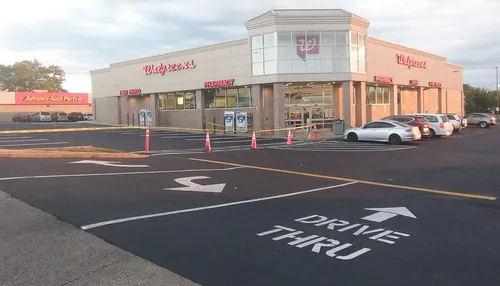
Premier Sealcoating Line Striping & Asphalt Maintenance LLC provides comprehensive asphalt maintenance services in Allentown, PA. Their offerings include crack sealing, sealcoating, line striping, pothole patching, resurfacing sports courts, and traffic sign installation. The company uses high-quality materials such as Sherwin-Williams traffic marking paints and premium sealers fortified with silica sand to enhance durability and appearance. They serve a wide area across Pennsylvania and New Jersey, including cities like Bethlehem, Harrisburg, and Philadelphia. Premier Sealcoating is fully licensed and insured, with certifications including COSTARS, PennDOT DBE, Pennsylvania SDB, and WBENC, emphasizing their commitment to quality and compliance.
Abc sealcoating llc
30 Acres Dr, Ridley Park, PA 19078
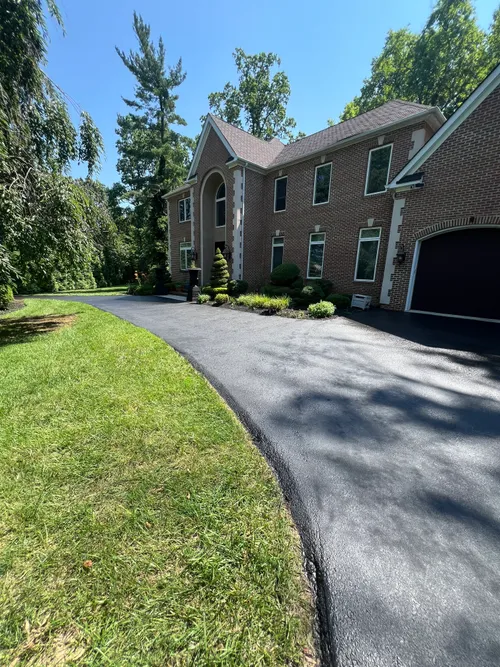
Abc Sealcoating LLC is a paving contractor based near Philadelphia, PA, offering a range of services including parking lot striping, sealcoating, paving, and repair. With over 20 years of experience, the company handles projects from large commercial parking lots to residential driveway repairs. Their capabilities include asphalt maintenance such as fixing potholes and unstable walkways, as well as professional sealcoating to protect and restore pavement surfaces. Abc Sealcoating LLC serves the Ridley Park area and is equipped to manage both small and large paving jobs.
Conti Line Striping
Philadelphia, PA
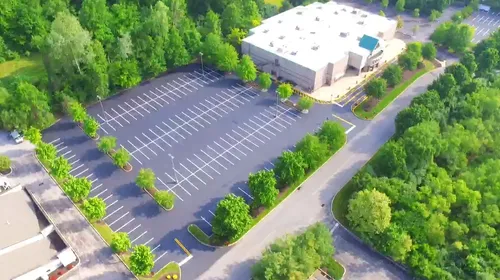
Conti Line Striping is a parking lot striping company serving Philadelphia, PA, as well as New Jersey and Delaware. They provide comprehensive asphalt maintenance and line striping services for property managers, pavers, and business owners. Their expertise includes precise and professional line striping that enhances parking lot organization, traffic flow, and safety. Established in 1996, Conti Line Striping has over two decades of experience in the industry.
Three Sons Driveway Maintenance LLC
Philadelphia, PA
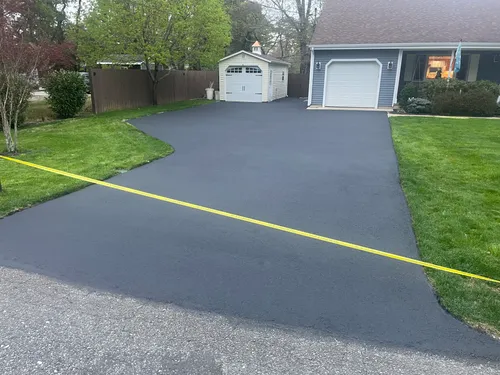
Three Sons Driveway Maintenance LLC is a family-owned business serving residential and commercial customers in Philadelphia, PA. They provide parking lot sealcoating, line striping, crack sealing, patching, and tar and chip services. The company specializes in maintaining and repairing parking lots and driveways with services such as hot crack filling and sport surface maintenance. Operating locally in South Jersey, they are licensed and insured, offering free estimates and price matching for reasonable local competitor quotes.
MACK SEAL - Sealcoating - Line Striping - Asphalt
537 E County Line Rd, Hatboro, PA 19040
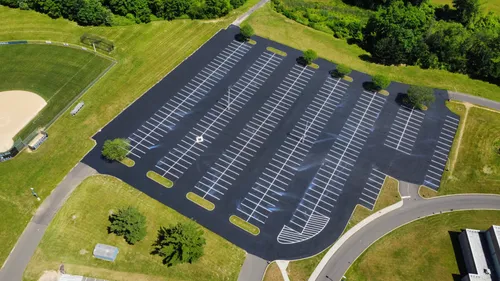
MACK SEAL - Sealcoating - Line Striping - Asphalt is a family-owned business serving Philadelphia, PA, and the surrounding areas. With over 20 years of experience, they specialize in residential and commercial sealcoating and parking lot line striping. Their services include asphalt maintenance and professional line striping, supported by licensed and insured contractors. The company emphasizes quality workmanship and has completed over 500 projects, making them a recognized provider in the region.
Understanding Philadelphia's Parking Lot Marking Regulations
In Philadelphia, your parking lot markings must satisfy a layered set of rules. At the federal level, the Americans with Disabilities Act (ADA) sets the baseline for accessible parking. Locally, the Philadelphia Parking Authority (PPA) enforces on-street and certain off-street parking rules, while the city's fire code dictates requirements for emergency access 1. Non-compliance isn't just a safety risk-it can lead to significant fines and liability. The most common violations involve faded markings, incorrect dimensions for accessible stalls, and improperly marked fire lanes.
The core purpose of these regulations is to create order and safety for all users: drivers, pedestrians, and emergency responders. Faded lines cause confusion and accidents. Incorrectly sized accessible parking spaces prevent people with disabilities from safely entering or exiting their vehicles. Obstructed fire lanes can delay emergency crews during a critical situation. Regular maintenance and precise initial application are your best defenses against these issues.
ADA-Compliant Accessible Parking in Philadelphia
ADA standards are non-negotiable, and Philadelphia enforces them rigorously. Each accessible parking space is more than just a painted stall; it's a system comprising the space itself, an access aisle, and proper signage.
Space Dimensions and Layout:
- Standard Accessible Stall: Must be at least 8 feet (96 inches) wide 2.
- Access Aisle: A 5-foot (60-inch) wide access aisle must be located on the passenger side of the parking space. This aisle must be marked with diagonal stripes to clearly indicate it is not for parking.
- Van-Accessible Spaces: For every six accessible spaces, at least one must be van accessible. These require an 8-foot (96-inch) wide access aisle, or alternatively, an 11-foot wide parking space with a 5-foot aisle 3. The van-accessible space provides the extra room needed for a wheelchair lift or ramp.
- Location: Accessible spaces must be located on the shortest accessible route to the building entrance, with a slope no greater than 1:48 4.
Marking and Signage Requirements:
- Paint Color: Accessible stalls and their access aisles must be outlined in blue paint 5.
- Symbol: The International Symbol of Accessibility should be painted within the stall.
- Signage: This is a critical and often missed component. Each accessible space must have a permanent sign displaying the International Symbol of Accessibility mounted at least 60 inches from the ground to the bottom of the sign 6 7. The sign must be visible at all times, not obscured by vehicles or landscaping.
Failure to maintain these standards can result in substantial penalties. A common pitfall for property owners is allowing paint to fade, which effectively renders a compliant space non-compliant. Regular inspection and prompt restriping are essential.
Fire Lane Striping and Marking Specifications
Clearly marked fire lanes are a legal requirement for public safety and a top priority for Philadelphia fire officials. These lanes ensure unobstructed access for fire trucks and other emergency vehicles.
Marking Standards:
- Curb or Pavement Marking: Fire lanes must be distinctly marked. This is typically done by painting the curb red or by applying an 8-inch wide red stripe on the pavement itself along the length of the fire lane.
- Lettering: The words "NO PARKING - FIRE LANE" or "NO PARKING-FIRE LANE-TOW AWAY ZONE" must be stenciled in white letters on the red background. These letters are typically 3 inches high for curb markings and larger for pavement applications 8 9.
- Spacing: The lettering must be repeated at intervals not exceeding 50 feet, with many specifications recommending repetition every 20-30 feet for maximum clarity 10.
- Signage: In addition to pavement markings, signs must be posted at intervals not exceeding 50 feet to reinforce the restriction.
Key Requirements for Property Owners:
- Width: Fire lanes must be at least 20 feet wide to accommodate large emergency vehicles 11.
- Maintenance: The property owner is responsible for keeping these lanes clear of obstructions. The markings themselves must be repainted and re-stenciled at least every two years, or more frequently if required by the fire official, to ensure they remain highly visible 12 13.
- Enforcement: The Philadelphia Fire Department and the PPA can issue tickets and have vehicles towed from fire lanes. Proper, bright markings are your first line of defense against accidental or illegal parking in these zones.
Find the perfect parking lot striping companies for your needs
Get personalized recommendations and expert advice
Loading Zone and Crosswalk Marking Guidelines
Philadelphia has specific rules for areas where vehicles load and unload passengers or goods, especially in busy commercial districts.
Passenger Loading Zones: These zones, often found at hospitals, hotels, and apartment buildings, have ADA requirements if they serve the public.
- They require a vehicle pull-up space at least 20 feet long and 8 feet wide.
- An access aisle at least 5 feet wide and 20 feet long must be adjacent and parallel to the vehicle space 14 15.
- Like accessible stalls, these zones should be clearly marked with paint and signage.
Smart Loading Zones: In high-congestion areas like Center City, Philadelphia has implemented "Smart Loading Zones" 16. These are designated curbside areas with specific signage that may allow for a short period (e.g., 3 minutes) of free loading, after which a parking fee or a fine (which can be $51 or more) applies 17. It is crucial for commercial drivers and property managers directing delivery services to be aware of these zones and their rules to avoid penalties.
Crosswalk and Traffic Flow Markings:
- Crosswalks: Pedestrian paths that cross vehicular traffic lanes within a lot should be marked with solid white lines to define the walking area and enhance safety 18.
- Directional Arrows: One-way traffic lanes should have large white arrows painted on the pavement to direct the flow of traffic and prevent head-on conflicts.
- Stop Bars and Yield Markings: These white lines at intersections within a lot indicate where vehicles must stop or yield, contributing to overall safety for both vehicles and pedestrians.
Maintenance, Costs, and Planning for Restriping
Parking lot markings are not a one-time expense. They are a consumable surface treatment degraded by sunlight, snow plows, tire friction, and chemical de-icers.
The Importance of Proactive Maintenance: Waiting for markings to completely disappear is a risk. Faded lines lead to poor space utilization, safety hazards, and non-compliance fines. A proactive maintenance schedule involves annual inspections and restriping every 1-2 years for high-traffic lots, or as soon as significant fading occurs.
Factors Influencing Restriping Costs: While specific 2026 Philadelphia contractor rates are not detailed in the research, the cost for professional pavement marking services is typically influenced by:
- Lot Size and Linear Footage: Most contractors price based on the total linear feet of lines to be painted or the number of stalls to be remarked.
- Paint Type: Standard traffic paint is most common, but specialized, more durable paints like thermoplastic or epoxy may cost more. Specific colors like ADA blue and fire lane red are standard requirements 19 20.
- Surface Preparation: A clean, dry surface is essential. Costs may increase if extensive power washing or clearing of debris is needed.
- Complexity: A simple grid of stalls is less expensive than a lot requiring numerous ADA stalls with aisles, fire lanes, loading zones, arrows, and custom stenciling.
Investing in clear, compliant striping is an investment in safety, legal protection, and the professional appearance of your property. It is the most visible sign of a well-maintained and responsibly managed facility.
Frequently asked questions
Sources
Footnotes
-
Smart Loading Zones - The Philadelphia Parking Authority. - https://philapark.org/2025/03/smart-loading-zones/ ↩
-
Chapter 5: Parking Spaces - Access-Board.gov - https://www.access-board.gov/ada/guides/chapter-5-parking/ ↩
-
Accessible Parking Spaces - ADA.gov - https://www.ada.gov/topics/parking/ ↩
-
ADA Parking Striping Services in Philadelphia, PA | G-FORCE - https://www.gogforce.com/philadelphia-pa/service/ada-parking-striping-services/ ↩
-
Parking Lot Striping - https://www.blackstonepavingpa.com/services/pavement-maintenance/parking-lot-striping/ ↩
-
ADA Compliance Guide for Parking Lot Line Striping - https://www.pavementsolutions.org/ada-compliance-guide-for-parking-lot-line-striping/ ↩
-
ADA Requirements for Parking: Compliance and Penalties - https://www.accessibilitychecker.org/blog/ada-requirements-for-parking-standards-compliance-and-penalties/ ↩
-
Parking Regulations; Handicapped Parking; Fire Lanes - https://ecode360.com/6756968 ↩
-
No Parking Fire Lane: Letter Heights, Placements & Proven ... - https://1800stencil.com/blogs/default-blog/no-parking-fire-lane-letter-heights-placements-proven-paint-systems ↩
-
Compliant Philadelphia, PA Fire Lane Striping Services - https://www.gogforce.com/philadelphia-pa/service/fire-lane-striping/ ↩
-
FIRE LANE REQUIREMENTS | epcesd1 - https://www.epcesd1.com/wp-content/uploads/2020/02/Fire-Lane-Requirements.pdf ↩
-
FIRE LANE REQUIREMENTS - epcesd1 - https://www.epcesd1.com/wp-content/uploads/2022/03/Fire-Lane-Requirements.pdf ↩
-
The Importance of Clearly Marked Fire Lanes in Parking Lots - https://everlinecoatings.com/us/the-importance-of-clearly-marked-fire-lanes-in-parking-lots/ ↩
-
Article III: Parking Regulations; Handicapped Parking; Fire Lanes - https://ecode360.com/6756968 ↩
-
Passenger Loading Zones - Access Board - https://www.access-board.gov/files/ada/guides/plz.pdf ↩
-
Smart Loading Zones - The Philadelphia Parking Authority. - https://philapark.org/2025/03/smart-loading-zones/ ↩
-
Philadelphia's Smart Loading Zones: What You Need to Know - https://www.tiktok.com/@cbsphiladelphia/video/7486510767471201578 ↩
-
ADA Resource Reference Materials - DCNR eLibrary - https://elibrary.dcnr.pa.gov/PDFProvider.ashx?action=PDFStream&docID=1742298&chksum=&revision=0&docName=ct+Sheet+2015&nativeExt=pdf&PromptToSave=False&Size=795943&ViewerMode=2&overlay=0 ↩
-
Complete Parking Lot Striping Guide 2025 - https://ada-striping.com/complete-parking-lot-striping-guide/ ↩
-
Parking Lot Striping Standards & Specifications | Linex | PA - https://www.linexstriping.com/parking-lot-striping-standards-and-specifications ↩