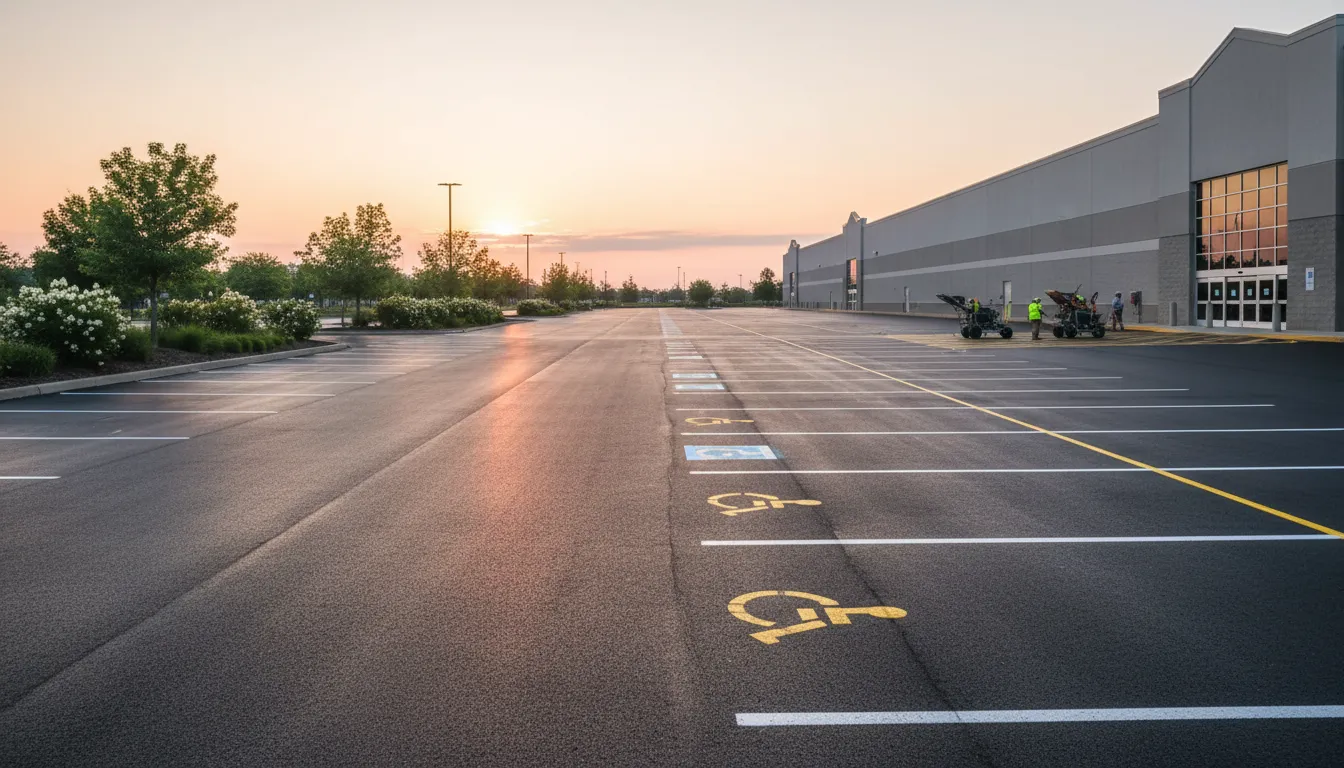
Find the Best Parking Lot Striping Companies for Your Business
No obligation • Fast responses • Nationwide coverage
Why you can trust Tidy Parking
Tidy Parking is a leading U.S. source for parking lot maintenance services, including striping, sealcoating, sweeping, paving, resurfacing, and repairs. Our content is created independently, and providers cannot pay to influence ratings or recommendations.
Search providers near you
Top Parking Lot Striping Companies in Lowell, Massachusetts Ranked
Parking lot striping is the essential process of applying painted lines, symbols, and markings to define traffic flow, parking stalls, and safety zones. In Lowell, this isn't just about aesthetics; it's a critical legal requirement that ensures safety, accessibility, and compliance with a complex web of federal, state, and local regulations. Proper pavement marking helps prevent accidents, maximizes space, and provides clear guidance for drivers and pedestrians. This guide explains the specific requirements and considerations for line striping in Lowell, helping property owners and managers understand their obligations and connect with qualified local professionals to maintain compliant and safe parking areas.
Baystate Sealcoating & Paving
166 Cross St, Winchester, MA 01890
Baystate Sealcoating & Paving is a parking lot striping, sealcoating, paving, and repair company serving Boston, MA. They provide a full range of asphalt maintenance services including driveway sealcoating, crack filling, pothole repair, parking lot maintenance, and line striping. Their capabilities include professional asphalt paving and protective sealant application designed to extend the life of asphalt surfaces and improve safety and appearance. Baystate Sealcoating & Paving serves multiple cities across Massachusetts and is known for using top-grade materials and thorough preparation to ensure durable results.
Property Innovation Sealcoating & Line Striping
2 Harris St, Londonderry, NH 03053
Property Innovation Sealcoating & Line Striping is a parking lot striping and sealcoating company based in Manchester, NH. They provide services that include parking lot striping and sealcoating using state-of-the-art equipment that meets industry standards. The company focuses on delivering quality work for parking lot maintenance and improvement.
Standard Sealcoating
250 Turnpike Rd, Southborough, MA 01772
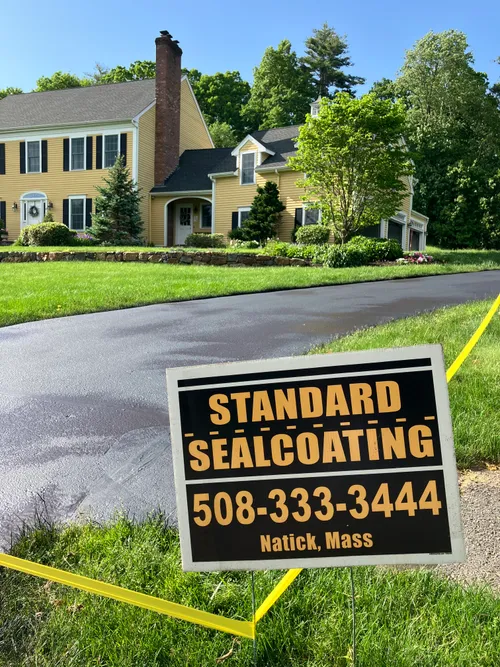
Standard Sealcoating is a parking lot and driveway maintenance company based in Worcester, MA. They offer a range of services including sealcoating, parking lot striping, asphalt repair, crack filling, pothole repair, paving, and pressure washing. Serving multiple counties in Massachusetts, they use modern equipment and high-quality materials to prepare and protect asphalt surfaces effectively. Established in 2005, Standard Sealcoating has over 15 years of experience in residential and commercial asphalt maintenance projects.
R. Cooper & Sons Paving
321 Fremont Rd, Chester, NH 03036
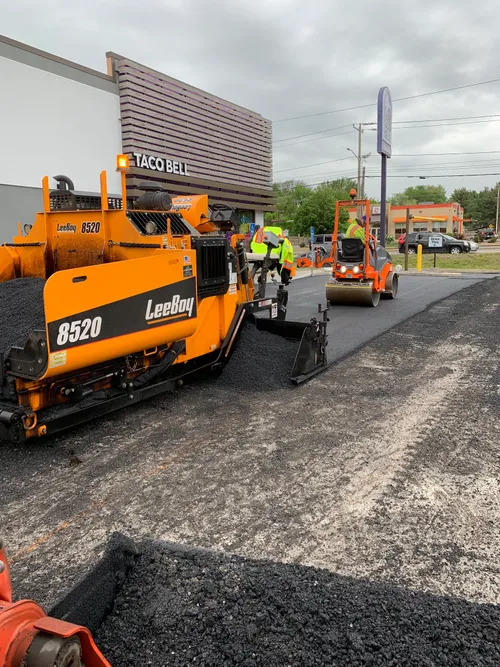
R. Cooper & Sons Paving is a family-owned paving contractor based near Manchester, NH. Serving Rockingham County and surrounding areas, they provide a range of services including driveway paving, asphalt repairs, parking lot striping, sealcoating, and coating. Established in 1960, the company has developed expertise in asphalt paving and excavating to meet various property needs efficiently.
Absolute Asphalt
Boston, MA
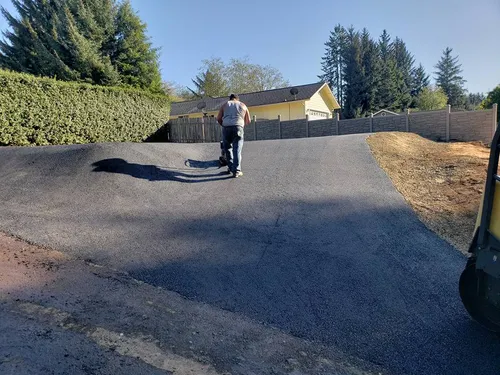
Absolute Asphalt is an asphalt contractor serving Boston, MA, specializing in residential and commercial asphalt paving, patching, striping, sealcoating, and driveway installation. They provide comprehensive asphalt services including parking lot resurfacing and repair, using high-quality materials and advanced techniques to ensure durable and visually appealing surfaces. The company is fully licensed and insured, prioritizes safety, and operates with a skilled team experienced in delivering tailored asphalt solutions. Absolute Asphalt is based in Waltham, MA, and focuses on meeting customer needs with transparent pricing and detailed project estimates.
Understanding Lowell's Regulatory Landscape for Pavement Markings
Parking lot line painting in Lowell is governed by a strict hierarchy of rules. At the federal level, the Americans with Disabilities Act (ADA) Standards for Accessible Design set the baseline for accessible parking 1. Massachusetts enforces these through the Massachusetts Architectural Access Board (MAAB) regulations (521 CMR), which can sometimes be more stringent 2 3. Finally, the City of Lowell has its own fire, zoning, and parking ordinances that dictate specifics like fire lane dimensions and enforcement 4 5. Failure to comply can result in significant fines and liability. For example, the Lowell Police Department enforces fire lane violations with a $100 fine 6. Restriping to correct accessibility barriers is considered a "readily achievable" action under the ADA, making compliance a clear expectation for businesses 1 7.
Detailed Requirements for Parking Lot Markings
Accessible (Handicap) Parking Spaces
ADA and MAAB regulations mandate specific dimensions and signage for accessible stalls. Each space must be at least 8 feet wide (96 inches) with an adjacent access aisle that is a minimum of 5 feet wide. These aisles, which must be clearly marked with diagonal stripes, cannot be used for parking and provide room for wheelchair lifts and ramps.
- Van-Accessible Spaces: For every six accessible spaces (or fraction thereof), at least one must be van accessible. These require an 8-foot-wide access aisle to provide the necessary 98 inches of vertical clearance, or alternatively, an 11-foot-wide parking space with a 5-foot aisle 8. They must be located on the shortest accessible route to the building entrance.
- Signage: Each accessible space must have a permanent sign displaying the international symbol of accessibility. The bottom of the sign must be mounted at least 60 inches above the pavement to ensure visibility.
- Quantity: A standard 100-space parking lot requires a minimum of four accessible spaces, one of which must be van-accessible. An access aisle can be shared between two adjacent accessible spaces, which is a common space-saving design.
Fire Lane Striping and Markings
Fire lane maintenance is a major priority for local safety codes. These zones must be kept free of obstructions at all times to allow emergency vehicle access.
- Dimensions: Fire lanes in Lowell must be at least 20 feet wide.
- Markings: The pavement within fire lanes must be painted yellow. The words "NO PARKING FIRE LANE" or "FIRE LANE NO PARKING" must be stenciled onto the pavement in yellow block letters at least 12 inches high.
- Signage: "Fire Lane No Parking" signs must be posted at a height no greater than 7 feet above ground and placed at intervals of no more than 100 feet. Repainting of fire lane markings is typically required every two years or as directed by the local fire official.
Standard Stall Striping and Traffic Flow
While standard stall dimensions aren't universally codified, typical widths range from 8.5 to 9 feet for angled parking and 9 to 10 feet for perpendicular parking. Clear, crisp lines are crucial for defining these spaces and directing traffic. Arrows, stop bars, and directional symbols should be used to create a logical, safe flow of vehicles and minimize congestion and "fender bender" incidents.
Crosswalk and Pedestrian Safety Markings
Pedestrian safety is paramount. Lowell often utilizes the highly visible "continental" style for crosswalks, which features 12-inch wide stripes spaced 3 feet on-center across an 8-foot wide walkway. These bold markings are far more effective than simple parallel lines at alerting drivers to pedestrian right-of-way areas.
Loading Zones and Other Specialty Markings
Commercial loading zones are designated for active loading and unloading, typically with a 30-minute time limit. These are often indicated by yellow curb markings, though specific pavement striping may be detailed in approved site plans. Other common specialty markings include "No Parking" areas, handicap symbol stencils within accessible stalls, and reserved parking designations.
Find the perfect parking lot striping companies for your needs
Get personalized recommendations and expert advice
Material and Method Considerations for Line Striping
The longevity and visibility of your parking lot markings depend heavily on the materials and techniques used.
- Paint Types: Water-based latex paint is common for its quick drying time and lower cost, but it may require more frequent reapplication. Thermoplastic is a more durable, melted material applied hot that offers superior longevity and reflectivity but at a higher initial cost. Epoxy paints provide a strong, chemical-resistant middle ground.
- Application: Professional striping companies use specialized equipment to ensure straight lines, consistent width, and proper paint thickness. Proper surface preparation, including cleaning and drying, is essential for paint adhesion. Weather conditions (temperature, humidity) during application also critically impact the final result.
- Maintenance Cycle: Even the best materials degrade. A general maintenance cycle involves restriping every 1-2 years, depending on traffic volume, snow plowing frequency, and material used. Fire lane repainting is often on a mandated two-year schedule.
Cost Factors for Striping Services in Lowell
Costs for parking lot line painting can vary based on the lot's size, condition, the complexity of the layout, and the materials chosen. Available data provides the following general estimates for line striping work 9:
- Standard Stall Striping: Typically ranges from $2 to $5 per individual stall.
- Accessible Symbol Stenciling: Applying the handicap symbol within a stall generally costs between $50 and $100 per symbol.
- Fire Lane Marking: Painting and stenciling fire lanes is often priced at $2 to $4 per linear foot.
- Crosswalks: Lining a crosswalk can cost an estimated $1 to $3 per linear foot, with the continental style being on the higher end due to increased material use.
These are estimates, and obtaining quotes from local professionals who can assess your specific site is essential. The cost of non-compliance-in the form of fines, lawsuits, or reduced accessibility-far outweighs the investment in proper, professional striping.
The Importance of Professional Installation and Planning
Hiring a professional line striping contractor in Lowell is highly recommended. Experienced contractors understand the local code nuances-such as the specific fire lane lettering height or MAAB interpretations-that a DIY project might miss 10. They can also assist with site planning to maximize space efficiency while ensuring compliance. Before painting begins, a detailed layout plan should account for all required elements: the correct number and type of accessible spaces, properly sized fire lanes, safe pedestrian pathways, and efficient traffic flow. A professional ensures the job is done right the first time, with durable materials and precise execution.