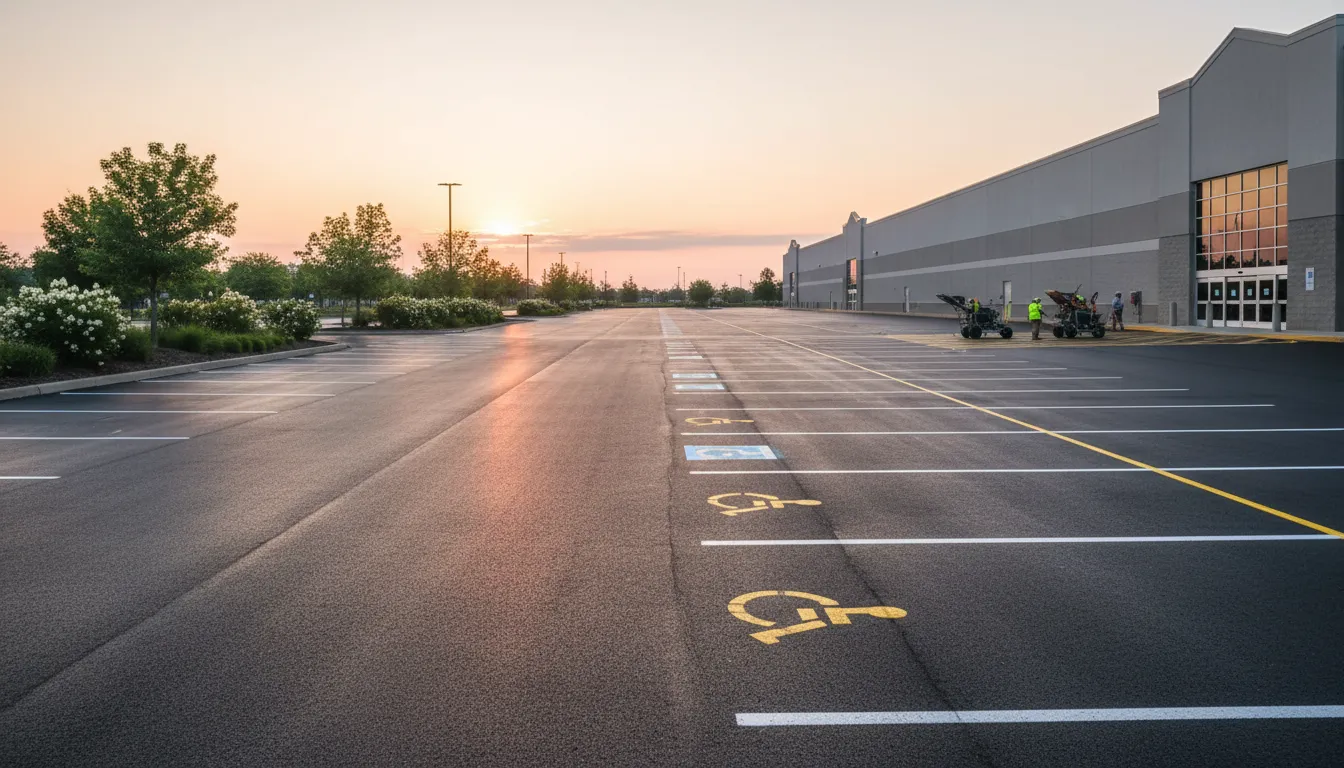
Find the Best Parking Lot Striping Companies for Your Business
No obligation • Fast responses • Nationwide coverage

Why you can trust Tidy Parking
Tidy Parking is a leading U.S. source for parking lot maintenance services, including striping, sealcoating, sweeping, paving, resurfacing, and repairs. Our content is created independently, and providers cannot pay to influence ratings or recommendations.
Search providers near you
Top Parking Lot Striping Companies in Boston, Massachusetts Ranked
Maintaining clear and compliant pavement markings is a critical aspect of property management in Boston. Proper parking lot striping ensures safety, maximizes space, and fulfills legal obligations. This guide explains the key regulations, standards, and practical considerations for line striping and pavement marking in the city, helping you understand what's required and how to ensure your property meets local and federal codes.
Baystate Sealcoating & Paving
166 Cross St, Winchester, MA 01890
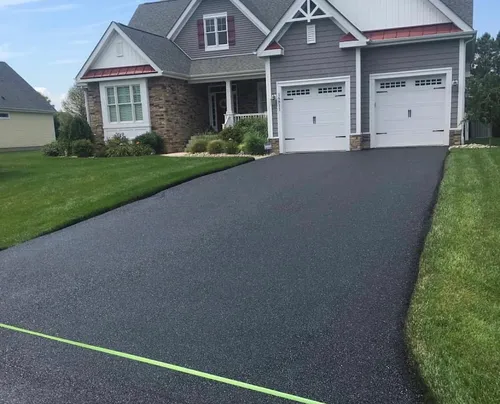
Baystate Sealcoating & Paving is a parking lot striping, sealcoating, paving, and repair company serving Boston, MA. They provide a full range of asphalt maintenance services including driveway sealcoating, crack filling, pothole repair, parking lot maintenance, and line striping. Their capabilities include professional asphalt paving and protective sealant application designed to extend the life of asphalt surfaces and improve safety and appearance. Baystate Sealcoating & Paving serves multiple cities across Massachusetts and is known for using top-grade materials and thorough preparation to ensure durable results.
Standard Sealcoating
250 Turnpike Rd, Southborough, MA 01772
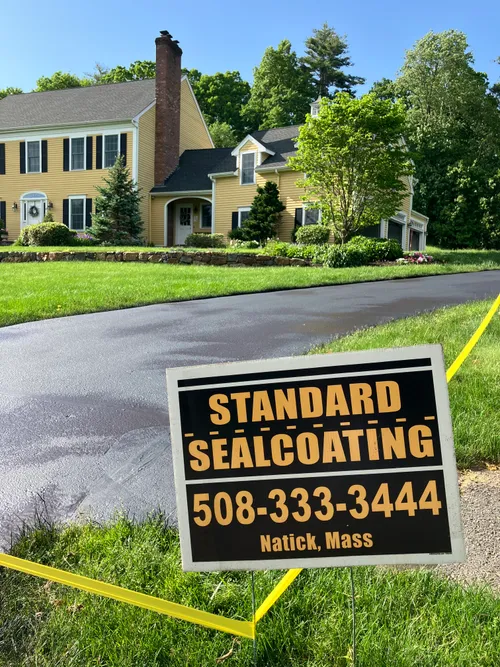
Standard Sealcoating is a parking lot and driveway maintenance company based in Worcester, MA. They offer a range of services including sealcoating, parking lot striping, asphalt repair, crack filling, pothole repair, paving, and pressure washing. Serving multiple counties in Massachusetts, they use modern equipment and high-quality materials to prepare and protect asphalt surfaces effectively. Established in 2005, Standard Sealcoating has over 15 years of experience in residential and commercial asphalt maintenance projects.
Absolute Asphalt
Boston, MA
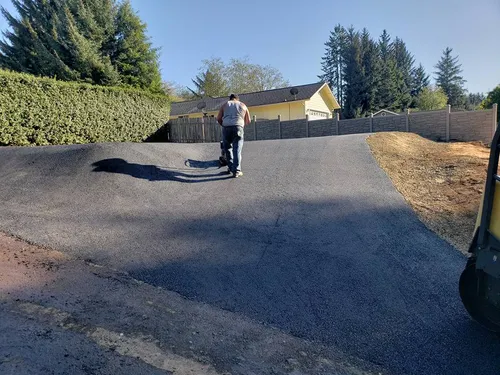
Absolute Asphalt is an asphalt contractor serving Boston, MA, specializing in residential and commercial asphalt paving, patching, striping, sealcoating, and driveway installation. They provide comprehensive asphalt services including parking lot resurfacing and repair, using high-quality materials and advanced techniques to ensure durable and visually appealing surfaces. The company is fully licensed and insured, prioritizes safety, and operates with a skilled team experienced in delivering tailored asphalt solutions. Absolute Asphalt is based in Waltham, MA, and focuses on meeting customer needs with transparent pricing and detailed project estimates.
Oasis Asphalt
Boston, MA
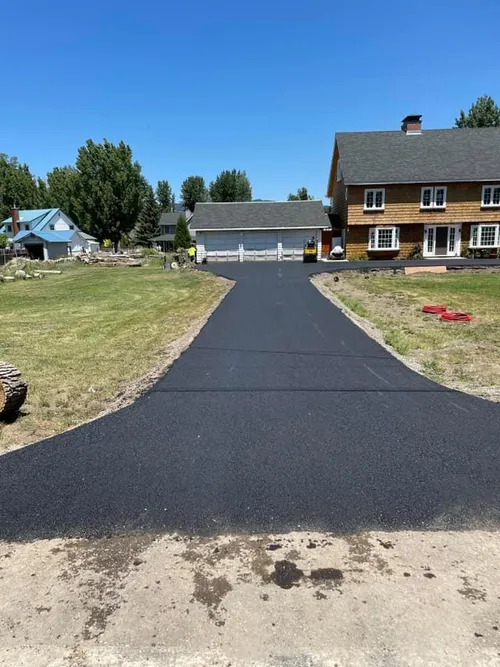
Oasis Asphalt is a parking lot paving contractor based in Boston, MA, specializing in asphalt installations, repairs, sealcoating, and line striping. They provide customized solutions for various surfaces including driveways, parking lots, and walkways, focusing on quality materials and precise craftsmanship. The company emphasizes thorough project assessment and uses advanced techniques to ensure durable and visually appealing results. Oasis Asphalt also offers ongoing maintenance and support to extend the lifespan of asphalt surfaces.
D&R Line Striping and Sealcoating LLC
19 Divittorio Dr, Milford, MA 01757
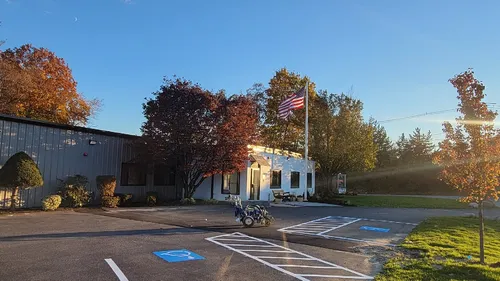
D&R Line Striping and Sealcoating LLC is a veteran-owned company based near Worcester, MA, specializing in parking lot striping and sealcoating services. They serve a wide area including Milford, Boston, Providence, and surrounding communities. Their services include professional striping of parking lots, commercial handicap and ADA markings, and other pavement markings for various property types such as parking garages, warehouses, churches, and golf courses. The company emphasizes quality workmanship and clear, durable markings to enhance parking areas.
Understanding Boston's Striping Regulations
In Boston, pavement marking is governed by a combination of federal and state accessibility laws, as well as local fire safety codes. The primary standards are the 2010 Americans with Disabilities Act (ADA) Standards for Accessible Design and the regulations enforced by the Massachusetts Architectural Access Board (MAAB). These rules are not just suggestions; they are legal requirements for nearly all public accommodations and commercial properties. Non-compliance can result in significant fines and legal liability, making it essential for property owners and managers to stay informed.
The MAAB regulations often require that a minimum of 5% of parking spaces in a lot be designated as accessible 1. Furthermore, the City of Boston has specific fire lane requirements designed to ensure emergency vehicle access in its dense urban environment. A professional striping contractor familiar with these overlapping jurisdictions is invaluable for navigating the compliance landscape successfully.
ADA and MAAB Accessible Parking Requirements
Accessible parking is one of the most regulated aspects of lot layout. The number of required spaces is based on the total number of parking spaces in the lot. For example, a lot with 1 to 25 total spaces must have at least one accessible space, while a lot with 51 to 75 spaces requires three. For a 100-space lot, four accessible spots are required, one of which must be van-accessible.
The specifications for these spaces are precise:
- Dimensions: A standard accessible parking space must be at least 8 feet wide, accompanied by a 5-foot-wide access aisle. A van-accessible space can be configured as an 8-foot-wide space with an 8-foot aisle, or an 11-foot-wide space with a 5-foot aisle.
- Markings: The space itself must be outlined, and the access aisle must be marked with diagonal hatch lines, typically in blue paint, to clearly indicate it is a no-parking zone 2.
- Signage: Each accessible space must have a vertical sign displaying the International Symbol of Accessibility. This sign must be mounted at least 60 inches (5 feet) above the pavement surface to ensure visibility 3 4.
- Location: Accessible spaces must be located on the shortest possible accessible route to the building entrance, and the path must be level and free of obstructions 5.
Fire Lane Striping and Safety Markings
Boston's fire codes mandate clearly designated fire lanes to provide unobstructed access for emergency vehicles. These are not optional and are strictly enforced.
- Specifications: Fire lanes must be striped with 6-inch-wide lines, traditionally in red, though yellow is also commonly used for high visibility. The pavement must be stenciled with "NO PARKING - FIRE LANE" at regular intervals.
- Location: The required proximity of a fire lane to a building depends on its height. For buildings three stories or taller, a fire lane must be within 50 feet of an entrance. For one- or two-story buildings, the requirement extends to 150 feet 6.
- Enforcement: Illegally parked vehicles in a properly marked fire lane can be ticketed and towed immediately by the Boston Fire Department.
Standard Traffic and Pedestrian Markings
Beyond accessible and fire lanes, a well-marked lot uses a standard color scheme to direct traffic and ensure pedestrian safety.
- White Paint: This is used for the vast majority of markings, including standard parking stall lines, directional arrows, stop bars, and crosswalks.
- Yellow Paint: Yellow is reserved for areas with restrictions, such as loading zones, no-parking zones along curbs, and for emphasizing specific hazards.
- Crosswalks: Clearly marked white crosswalks at logical pedestrian pathways are essential for safety. They should be placed in high-traffic areas between parking aisles and building entrances.
Find the perfect parking lot striping companies for your needs
Get personalized recommendations and expert advice
The Striping Process and Material Considerations
Professional line striping is more than just painting lines. The process typically involves:
- Surface Preparation: The pavement must be clean, dry, and free of debris, oil, and loose material. Power sweeping or blowing is often necessary.
- Layout and Measurement: Using precise measuring tapes, chalk lines, or laser layout tools, the contractor marks the position of all stalls, aisles, and symbols. This is the stage where compliance with dimensional standards is verified.
- Application: High-quality, traffic-grade paint or thermoplastic is applied using professional striping machines. Stencils are used for symbols like the handicapped logo, arrows, and fire lane lettering.
- Curing: The new markings need adequate time to dry and cure before opening the lot to traffic, which can take anywhere from 30 minutes to a few hours depending on the material and weather.
Two common material choices are:
- Water-Based Traffic Paint: A cost-effective and commonly used option that dries relatively quickly. It typically lasts 1-3 years before needing reapplication.
- Thermoplastic: A melted plastic material that is applied hot and sets quickly. It is significantly more durable and reflective than paint, lasting 3-6 years, but is also more expensive.
Cost Factors for Parking Lot Striping in Boston
The cost of a striping project in Boston depends on several variables. Contractors often price work by the linear foot for standard lines and a separate fee for stencils and symbols. Research indicates costs can range from $0.10 to $0.30 per linear foot 7. For a complete project on a small-to-medium lot, total costs often range from $500 to over $3,000 7.
Key factors influencing price include:
- Lot Size and Layout: The total linear footage of lines to be painted and the complexity of the layout (angled vs. perpendicular stalls).
- Condition of Existing Markings: Lots with heavy, old paint that needs to be removed or obscured may incur higher preparation costs.
- Number of Stencils: Each accessible symbol, fire lane letter, or directional arrow requires a stencil, which adds to the labor and time.
- Material Choice: Upgrading from standard paint to longer-lasting thermoplastic will increase the project cost.
- Traffic Control: For lots that cannot be fully closed, setting up cones and signage to protect wet paint adds to labor time.
Maintaining Your Pavement Markings
Striping is not a one-time expense. Faded, worn markings are a liability and can be deemed non-compliant. A proactive maintenance plan includes:
- Annual Inspection: Walk your lot each spring to assess the condition of all lines, symbols, and signs. Look for fading, chipping, or wear in high-traffic areas.
- Prompt Repainting: Plan for a full restriping every 1-3 years for paint, or 3-6 years for thermoplastic, depending on traffic volume and weather exposure. Touch up heavily worn areas like stop bars and crosswalks as needed.
- Post-Winter Assessment: Boston's harsh winters, with plowing, salting, and freeze-thaw cycles, are particularly hard on pavement markings. A post-winter evaluation is crucial.
Frequently asked questions
Sources
Footnotes
-
Boston's Essential Guide To Professional Parking Lot Striping ... - https://www.myshyft.com/blog/parking-lot-striping-services-boston-massachusetts-2/ ↩
-
ADA Compliance in Striping: Stalls, Aisles, Signs - - https://asphaltinc.com/ada-parking-striping-stalls-aisles-signs/ ↩
-
ADA Compliance Brief: Restriping Parking Spaces - https://www.ada.gov/resources/restriping-parking-spaces/ ↩
-
ADA Compliance Guide for Parking Lot Line Striping - https://www.pavementsolutions.org/ada-compliance-guide-for-parking-lot-line-striping/ ↩
-
Complete Parking Lot Striping Guide 2025 - ADA Striping - https://ada-striping.com/complete-parking-lot-striping-guide/ ↩
-
Fire Lane Striping | Unlimited Line Striping Massachusetts - https://unlimitedlinestriping.com/fire-lane-striping-2/ ↩
-
Parking Lot Striping Standards: Measurements, Colors, and More - https://www.getonecrew.com/post/parking-lot-striping-standards ↩ ↩2