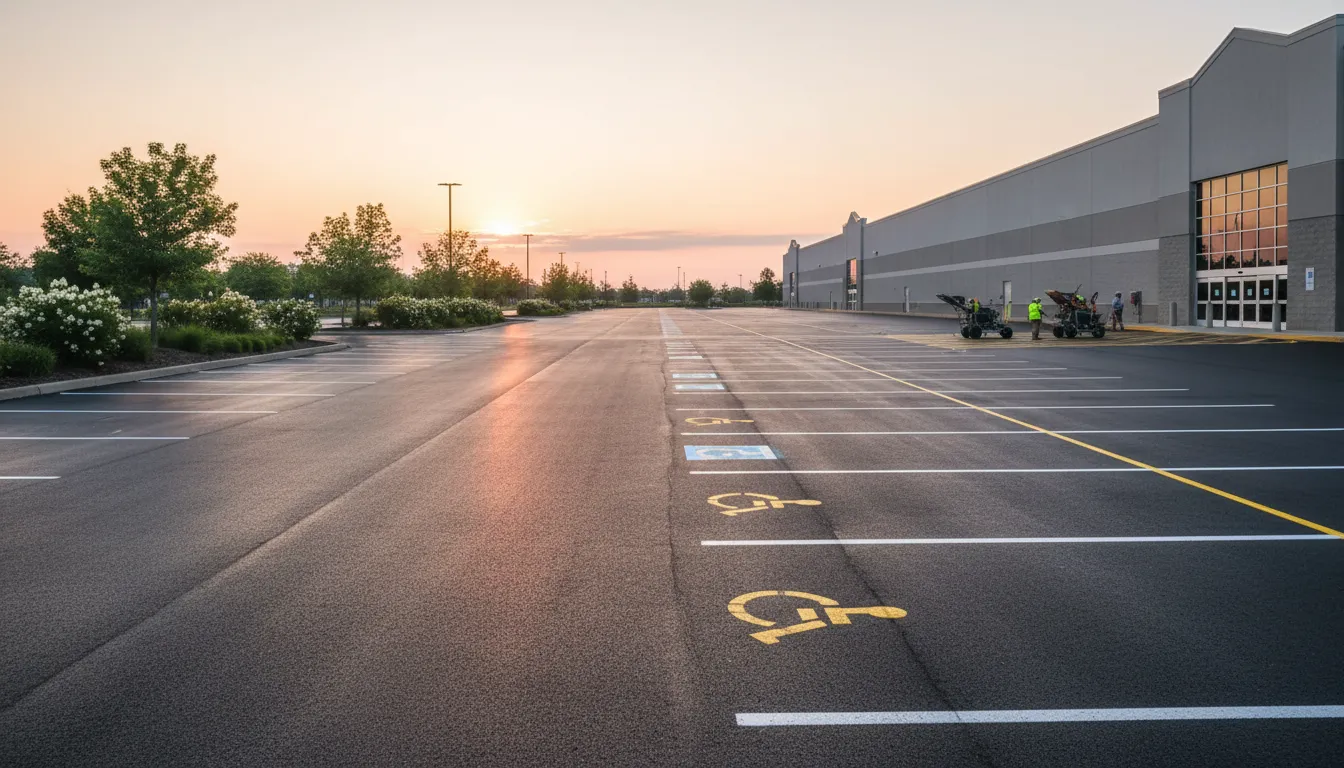
Find the Best Parking Lot Striping Companies for Your Business
No obligation • Fast responses • Nationwide coverage

Why you can trust Tidy Parking
Tidy Parking is a leading U.S. source for parking lot maintenance services, including striping, sealcoating, sweeping, paving, resurfacing, and repairs. Our content is created independently, and providers cannot pay to influence ratings or recommendations.
Search providers near you
Top Parking Lot Striping Companies in Haverhill, Massachusetts Ranked
Clear, compliant parking lot striping is a critical component of property management in Haverhill. It's not just about painting lines; it's a fundamental safety and accessibility feature that organizes traffic flow, protects pedestrians, and ensures your property adheres to a complex web of local and federal regulations. From ADA-accessible spaces to fire lane markings, proper pavement marking helps prevent accidents, avoids costly fines, and creates a professional, welcoming environment for customers and employees. This guide outlines the key requirements, standards, and considerations for parking lot line striping in Haverhill, helping you understand what's needed to maintain a safe and legally compliant lot.
Baystate Sealcoating & Paving
166 Cross St, Winchester, MA 01890
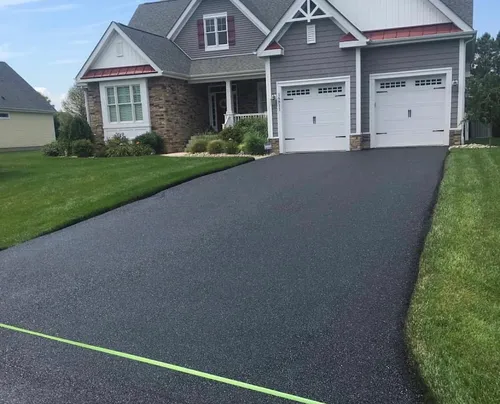
Baystate Sealcoating & Paving is a parking lot striping, sealcoating, paving, and repair company serving Boston, MA. They provide a full range of asphalt maintenance services including driveway sealcoating, crack filling, pothole repair, parking lot maintenance, and line striping. Their capabilities include professional asphalt paving and protective sealant application designed to extend the life of asphalt surfaces and improve safety and appearance. Baystate Sealcoating & Paving serves multiple cities across Massachusetts and is known for using top-grade materials and thorough preparation to ensure durable results.
Property Innovation Sealcoating & Line Striping
2 Harris St, Londonderry, NH 03053
Property Innovation Sealcoating & Line Striping is a parking lot striping and sealcoating company based in Manchester, NH. They provide services that include parking lot striping and sealcoating using state-of-the-art equipment that meets industry standards. The company focuses on delivering quality work for parking lot maintenance and improvement.
R. Cooper & Sons Paving
321 Fremont Rd, Chester, NH 03036
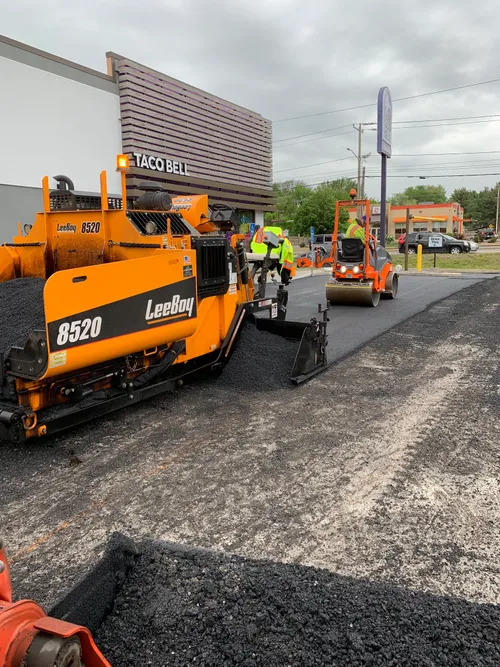
R. Cooper & Sons Paving is a family-owned paving contractor based near Manchester, NH. Serving Rockingham County and surrounding areas, they provide a range of services including driveway paving, asphalt repairs, parking lot striping, sealcoating, and coating. Established in 1960, the company has developed expertise in asphalt paving and excavating to meet various property needs efficiently.
Absolute Asphalt
Boston, MA
Absolute Asphalt is an asphalt contractor serving Boston, MA, specializing in residential and commercial asphalt paving, patching, striping, sealcoating, and driveway installation. They provide comprehensive asphalt services including parking lot resurfacing and repair, using high-quality materials and advanced techniques to ensure durable and visually appealing surfaces. The company is fully licensed and insured, prioritizes safety, and operates with a skilled team experienced in delivering tailored asphalt solutions. Absolute Asphalt is based in Waltham, MA, and focuses on meeting customer needs with transparent pricing and detailed project estimates.
Tarmac Paving
Bedford, NH 03110
Tarmac Paving is a locally owned and family-operated asphalt paving contractor serving Manchester, NH, and northern Massachusetts. Since 2005, they have provided residential and commercial asphalt paving services, including new construction, resurfacing, repairs, sealcoating, and parking lot striping. Their capabilities cover a wide range of projects such as driveways, parking lots, sidewalks, curbs, and playgrounds. Tarmac Paving is fully licensed and insured, offering expertise for jobs of any size.
Understanding Haverhill's Regulatory Landscape
Parking lot striping in Haverhill is governed by a three-tiered system of regulations: federal, state, and local. Non-compliance at any level can lead to fines, failed inspections, and potential liability issues 1 2.
At the federal level, the Americans with Disabilities Act (ADA) sets the baseline for accessible parking design 3. Massachusetts enforces its own, often more stringent, rules through the Massachusetts Architectural Access Board (MAAB 521 CMR). Finally, the City of Haverhill has specific zoning ordinances and traffic rules that dictate elements like fire lane placement and parking prohibitions. A successful striping project must satisfy all these requirements simultaneously.
ADA and Massachusetts Accessible Parking Requirements
Creating accessible parking is one of the most regulated aspects of lot striping. For a standard 100-space commercial lot in Haverhill, a minimum of four accessible parking spaces is required, with one of those being van-accessible 4. These spaces must be located on the shortest accessible route to the building entrance.
The specific dimensions and markings are precise:
- Standard Accessible Space: Must be at least 8 feet wide.
- Access Aisle: A 5-foot wide access aisle is required adjacent to the parking space. This aisle must be marked with diagonal stripes to clearly indicate it is a no-parking zone for vehicles.
- Van-Accessible Space: Requires an 8-foot wide parking space with an 8-foot wide access aisle, or an 11-foot wide space with a 5-foot aisle.
- Slope: The surface of the space and access aisle must be stable and have a slope not exceeding 1:48 (2.08%) in any direction.
- Signage: Each space must be identified by a permanent sign featuring the International Symbol of Accessibility. The bottom of the sign must be mounted at least 60 inches above the ground 5.
These spaces are not suggestions; they are legal requirements. Improperly marked or configured accessible parking can result in significant penalties.
Fire Lane and Safety Markings
Fire safety is a top priority for the Haverhill Fire Department, and your parking lot markings play a direct role. Fire lanes must be clearly identified to ensure emergency vehicles have unobstructed access at all times 6.
- Marking: Fire lanes are typically defined by a 6-inch solid red line along the curb and/or edge of the driving lane.
- Stenciling: The text "NO PARKING - FIRE LANE -- TOW AWAY ZONE" must often be painted in white letters at least 3 inches tall on the pavement surface at intervals not exceeding 50 feet.
- Width: Fire lanes must maintain an unobstructed width of at least 20 feet.
- Hydrants: Parking is always prohibited within 10 feet of a fire hydrant.
These markings are strictly enforced. Parking in a designated fire lane or too close to a hydrant is illegal and poses a serious public safety risk.
Standard Parking Stall and Traffic Flow Markings
Beyond accessible and safety zones, general parking lot layout is crucial for efficiency and accident prevention. Standard stall dimensions are typically 9 feet wide by 18 feet deep, though compact car spaces may be smaller if properly signed. Aisles between rows of parking should be at least 24 feet wide for two-way traffic and 14 feet wide for one-way traffic to allow for safe vehicle movement.
Directional arrows, stop bars, and yield markings guide drivers, while loading zones must be marked, typically with yellow paint and stenciled text, to designate areas for commercial loading and unloading 7. Furthermore, parking is prohibited within 20 feet of an intersection or marked crosswalk, a rule that must be respected in your lot's design 8.
Find the perfect parking lot striping companies for your needs
Get personalized recommendations and expert advice
Pedestrian Safety: Crosswalks and Walkways
Protecting pedestrians as they move from their cars to your building is paramount. Clearly marked crosswalks are essential. They should be painted with high-visibility white paint, using either parallel lines or the more visible "ladder" or "zebra" pattern 9. These markings legally define the pedestrian right-of-way.
Crosswalks should be integrated with accessible routes, ensuring there are no curbs without compliant ramps (curb cuts). Maintaining these markings is an ongoing task, as faded crosswalks can lead to confusion and dangerous situations.
Materials and Durability: Paint vs. Thermoplastic
The longevity and visibility of your parking lot markings depend heavily on the material used.
- Water-Based Paint: The most common and cost-effective option. It's quick to apply and dries fast but typically lasts only 1-2 years before needing re-striping, especially in New England's harsh climate with snow plowing and salting.
- Thermoplastic: A more durable material that is heated and applied as a molten liquid. It cools to form a thick, reflective, and highly durable marking that can last 3-5 years or more. While more expensive upfront, its longevity and superior visibility, especially at night and in rain, often make it a more cost-effective choice over time.
The choice depends on your budget, traffic volume, and maintenance schedule. For high-traffic areas like entrances, crosswalks, and accessible symbols, thermoplastic is often recommended.
Cost Considerations for Striping in Haverhill
Costs for parking lot line painting in the Merrimack Valley area vary based on the size of your lot, the complexity of the layout, and the materials chosen. Here are some general estimates based on industry standards:
- Standard Line Restriping: Typically ranges from $0.25 to $0.50 per linear foot.
- Accessible Space Package: Painting a single accessible stall, including the space, access aisle with diagonal stripes, and the wheelchair symbol, can range from $200 to $400 per space (this usually excludes the cost of the required metal sign and post).
- Fire Lane Marking: Painting a red curb and adding the required stenciled text may cost approximately $2 to $4 per linear foot.
- Crosswalk Marking: A standard painted crosswalk might cost $500 to $1,500+, with thermoplastic applications being at the higher end of the scale due to material and labor costs 10 11 12.
These are estimates. The most accurate way to budget is to have your specific lot measured and evaluated by a professional.
Maintaining Your Parking Lot Markings
Parking lot maintenance is not a "set it and forget it" task. Faded, worn markings are not only non-compliant but also dangerous. A regular inspection schedule should be established. Look for:
- Fading paint, especially on critical safety symbols and crosswalks.
- Cracked or peeling thermoplastic.
- Oil stains or pavement deterioration that obscures lines.
- Changes in the property that might necessitate a new layout (e.g., a new accessible entrance).
Planning for regular restriping as part of your property's capital maintenance plan is the best way to ensure ongoing compliance and safety.
Frequently asked questions
Sources
Footnotes
-
Parking | City of Haverhill - https://www.haverhillma.gov/roads-parking-and-transportation/parking/ ↩
-
Article V: Stopping, Standing, Parking - City of Haverhill, MA - https://ecode360.com/6262322 ↩
-
Accessible Parking Spaces | ADA.gov - https://www.ada.gov/topics/parking/ ↩
-
What Is an ADA Compliant Parking Lot? 2025 Requirements - https://parkerlinestriping.com/what-is-an-ada-compliant-parking-lot/ ↩
-
HANDICAPPED PARKING REGULATIONS - Mass.gov - https://www.mass.gov/doc/disability-parking-regulations-0/download ↩
-
Parking Lot Striping Standards: Measurements, Colors, and More - https://www.getonecrew.com/post/parking-lot-striping-standards ↩
-
Article V: Stopping, Standing, Parking - City of Haverhill, MA - https://ecode360.com/6262322 ↩
-
Parking Distances & Regulations Minimum Distances Numbers to know - https://driving-school.com/wp-content/uploads/2020/01/Numbers-to-Know.pdf ↩
-
2.4 Maintenance of Crosswalk Markings and Pedestrian Signals - https://highways.dot.gov/safety/pedestrian-bicyclist/research-report-guide-maintaining-pedestrian-facilities/2 ↩
-
FIRE LANE REQUIREMENTS | epcesd1 - https://www.epcesd1.com/wp-content/uploads/2020/02/Fire-Lane-Requirements.pdf ↩
-
Boston's Essential Guide To Professional Parking Lot Striping Services - https://www.myshyft.com/blog/parking-lot-striping-services-boston-massachusetts-2/ ↩
-
521 CMR, § 23.4 - PARKING SPACES | State Regulations - https://www.law.cornell.edu/regulations/massachusetts/521-CMR-23-4 ↩