Find the Best Parking Lot Resurfacing Contractors for Your Business
No obligation • Fast responses • Nationwide coverage
Why you can trust Tidy Parking
Tidy Parking is a leading U.S. source for parking lot maintenance services, including striping, sealcoating, sweeping, paving, resurfacing, and repairs. Our content is created independently, and providers cannot pay to influence ratings or recommendations.
Search providers near you
Top Parking Lot Resurfacing Contractors in Rockwall, Texas Ranked
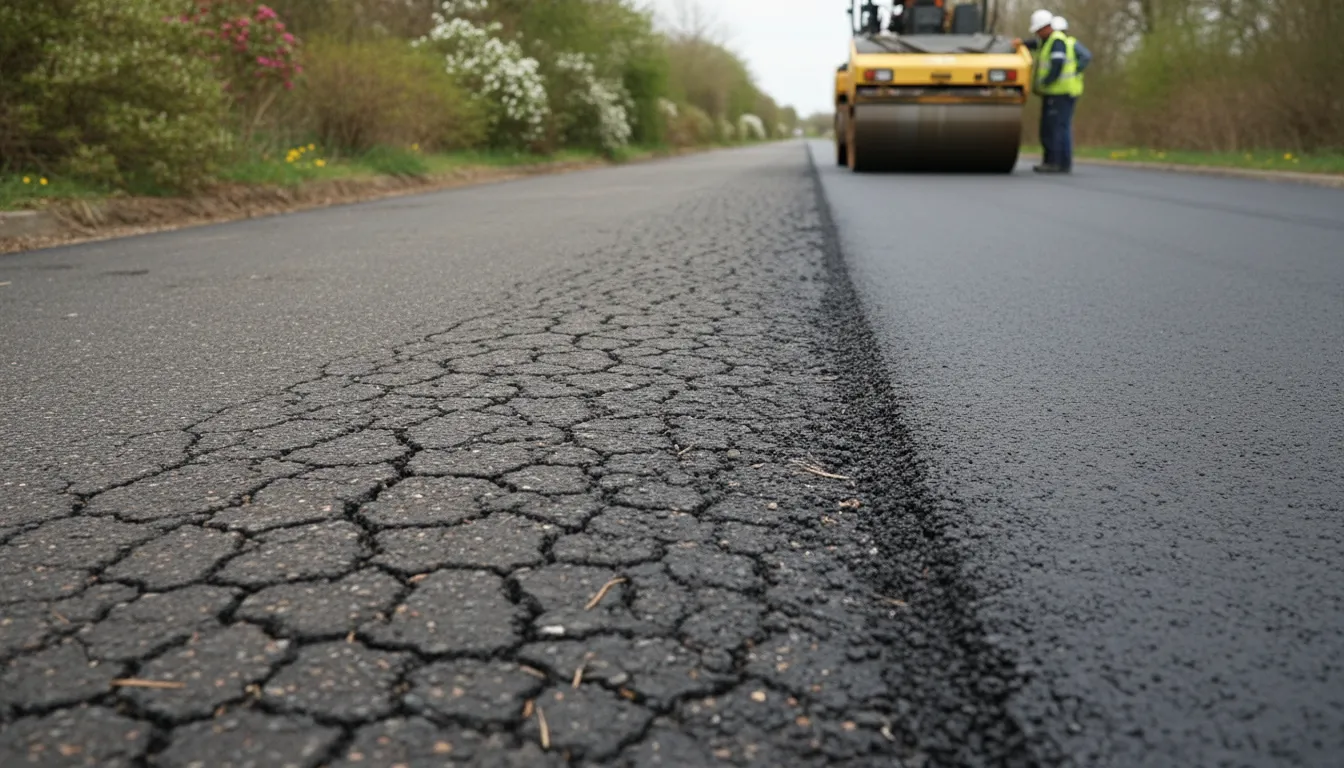
A parking lot resurfacing project is a strategic investment that renews your asphalt surface, extending its life and improving safety and curb appeal. This process, also known as an overlay, involves placing a fresh layer of asphalt over an existing, structurally sound base. For property managers and business owners in Rockwall, understanding the local process, costs, and regulations is key to a successful project. This guide provides the essential information to help you plan your asphalt overlay and connect with qualified local paving professionals.
Tex Pave Experts
718 E Quinlan Pkwy, Quinlan, TX 75474
Tex Pave Experts is a paving company based near Dallas, TX, offering a range of asphalt and concrete services. They provide parking lot paving, sealcoating, resurfacing, and repair, using high-quality materials and modern equipment to ensure durable surfaces. With over 35 years of experience, they specialize in hot mix asphalt, recycled asphalt, and concrete work, serving Quinlan, Terrell, Union Valley, Poetry, Royse City, Rockwall, Greenville, and the DFW Metroplex. Their expertise includes comprehensive asphalt maintenance and installation, contributing to long-lasting pavement solutions.
Dallas Paving Company
8111 Lyndon B Johnson Fwy, Dallas, TX 75240
Dallas Paving Company is a paving contractor serving Dallas, TX, and the surrounding Dallas-Fort Worth area. Since 1968, they have provided asphalt paving, parking lot striping, resurfacing, repairs, and concrete construction for commercial, industrial, municipal, and residential properties. Their services include new asphalt installation, targeted repairs, maintenance programs, and concrete curbs and sidewalks, all designed to ensure durable, well-drained, and functional surfaces that withstand local weather and traffic conditions. The company emphasizes proper base preparation, compaction, grading, and drainage to extend pavement life and reduce long-term costs.

Top Gun Asphalt of Mesquite
2425 Sybil Dr, Mesquite, TX 75149
Top Gun Asphalt of Mesquite provides a full range of asphalt services in Dallas, TX, including paving, patching, striping, sealcoating, and driveway installation. The company uses high-quality materials and modern equipment to deliver durable and visually appealing asphalt surfaces tailored to client needs. Their expertise includes asphalt paving and repair, with capabilities such as infrared patching and hot- and cold-pour crack filling. With decades of industry experience, Top Gun Asphalt focuses on enhancing property value and functionality through comprehensive asphalt solutions.
Anderson Paving Inc.
Dallas, TX
Anderson Paving Inc. is a commercial paving contractor based in Dallas, TX, serving the Dallas-Fort Worth Metroplex. They provide a full range of services including new asphalt and concrete construction, parking lot striping, seal coating, resurfacing, and repairs. With over 65 years of experience, Anderson Paving specializes in durable paving solutions for commercial and industrial properties such as retail centers, offices, schools, and airports. The company is licensed, bonded, and insured, and continuously updates its equipment and techniques to maintain quality and safety.
Legacy Paving LLC
11837 Judd Ct #114, Dallas, TX 75243
Legacy Paving LLC is a paving and repair contractor based in Dallas, TX, offering a wide range of services including parking lot striping, sealcoating, paving, resurfacing, and repair. The company handles projects of various sizes, from new asphalt paving to concrete repairs and ADA-compliant structures. Legacy Paving is equipped to perform asphalt milling and reclamation, as well as parking lot maintenance tasks such as crack filling and striping. With over 16 years of experience, they have completed thousands of projects and provide 24/7 emergency service to address urgent pavement needs.
What is Parking Lot Resurfacing?
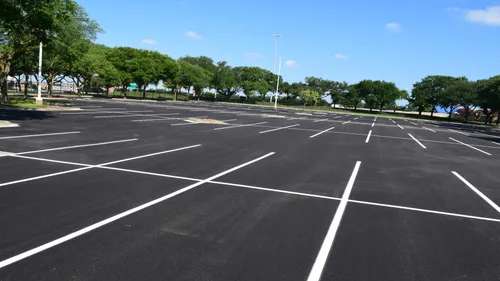
Parking lot resurfacing is a major maintenance procedure designed to restore a worn asphalt surface without the full cost and excavation of a complete reconstruction. When a parking lot has a solid foundation but the top layer shows signs of aging-like widespread cracking, fading, and minor surface irregularities-an overlay is often the most cost-effective solution. The process adds a new wearing course, typically 1.5 to 2 inches thick, which seals the surface, corrects minor drainage issues, and provides a smooth, black, like-new appearance 1 2. This can add 8 to 15 years of functional life to your pavement.
The Step-by-Step Resurfacing Process
A professional asphalt overlay follows a meticulous sequence to ensure longevity and performance.
- Preparation & Cleaning: The entire area is thoroughly cleaned of dirt, debris, and vegetation. Existing cracks are cleaned out and potholes are repaired to create a uniform base 3.
- Milling (Optional): For lots where adding height is a concern or where significant irregularities exist, the top 1-2 inches of the old asphalt may be milled off. This creates a clean, textured surface for the new layer to bond to and helps maintain proper curb reveal and drainage elevations.
- Leveling/Binder Course: Before the final overlay, a leveling course of asphalt is often applied to low spots and depressions. This step is crucial for ensuring proper water runoff and preventing ponding after the project is complete.
- Resurfacing (Overlay): The new layer of hot mix asphalt is spread across the entire lot using a paving machine. The thickness is carefully controlled to meet engineering specifications for the expected traffic load 4.
- Compaction: While the asphalt is still hot, heavy steel-wheel and rubber-tire rollers compact it. Proper compaction is critical for achieving the required density, which prevents premature raveling and cracking 5.
- Striping & Cleanup: Once the new asphalt has cured, the final step is re-applying all pavement markings. This includes parking stall lines, directional arrows, fire lanes, and compliant ADA (Americans with Disabilities Act) accessible stall markings. The site is then cleared of all equipment and remaining debris.
Rockwall-Specific Regulations and Permits
Undertaking a commercial paving project in Rockwall requires adherence to local municipal codes. Navigating these requirements is a standard part of a contractor's job, but understanding them helps you plan.
- Permits: A commercial construction permit is generally required from the City of Rockwall for parking lot resurfacing work. Your contractor will typically handle this submission, which includes site plans.
- Inspections: The City of Rockwall Engineering Department requires inspections of construction sites to ensure work complies with approved plans and city standards.
- Standards & Drainage: Site plans must follow the Rockwall City Code, with particular attention to drainage requirements. Plans must clearly indicate the paving layout and how water will flow off the surface and into appropriate catch basins or landscaped areas 6 7 8. Compliance with ADA standards for parking space and access aisle dimensions is also mandatory 7 9.
Ideal Timing and Weather Considerations
Asphalt is a temperature-sensitive material, making timing a key factor in project success in North Texas.
- Ideal Temperature: Asphalt should be placed and compacted when ambient and surface temperatures are at least 50°F and rising. This ensures it remains workable and can be properly compacted before it cools.
- Dry Conditions: Rain is a major disruptor. Moisture prevents proper bonding between the old and new asphalt layers and hinders compaction, often forcing delays 10 11.
- Seasonality: For the Rockwall area, the spring and fall seasons typically offer the most reliable windows of dry, moderate weather. Summer heat can make asphalt cool too slowly, affecting its final stability, while winter temperatures are often too cold for proper installation 12.
Understanding Costs in Rockwall
The cost of parking lot resurfacing in Rockwall is most commonly estimated on a per-square-foot basis, with the total project cost scaling directly with the size of your lot.
- Price Range: The typical cost for a standard asphalt overlay in this region ranges from $1 to $3 per square foot 13. This wide range is largely influenced by the amount of preparatory repair work needed on the base and existing pavement before the new layer can be applied.
- Project Estimates:
- A small lot of approximately 10,000 square feet could range from $10,000 to $30,000 14.
- Key Cost Factors: Beyond size, your final quote will depend on the condition of your existing pavement (requiring more or less patching), the need for milling, accessibility of the site, current material (asphalt/binder) prices, and the complexity of required striping and signage.
Find the perfect parking lot resurfacing contractors for your needs
Get personalized recommendations and expert advice
Resurfacing vs. Other Pavement Solutions
It's important to know when resurfacing is the right choice versus other pavement maintenance or repair strategies.
- Resurfacing vs. Sealcoating: Sealcoating is a protective coating applied to the surface of asphalt. It is a low-cost treatment that protects against UV rays and light fuel spills but does not add structural integrity or fix cracks. Resurfacing adds a thick, structural new layer of asphalt.
- Resurfacing vs. Reconstruction: If a pavement's base has failed-evidenced by severe alligator cracking, deep subsidence, or chronic drainage issues-an overlay will quickly fail. In these cases, full-depth reconstruction, which involves removing all old asphalt and base material and rebuilding from the ground up, is the necessary but more expensive solution.
- When to Choose Resurfacing: Resurfacing is ideal when the underlying base is stable, but the surface shows consistent wear, oxidation (graying), and interconnected cracking. It offers a faster turnaround and significant cost savings over a full rebuild.
Planning Your Project for Long-Term Value
A well-executed overlay is a long-term investment. To maximize its value:
- Get a Professional Assessment: Have a reputable contractor perform a core assessment to verify the integrity of your base before committing to an overlay.
- Plan for Striping and Safety: Use the resurfacing project as an opportunity to update your traffic flow patterns, add needed safety markings, and ensure full ADA compliance.
- Implement a Maintenance Plan: After resurfacing, protect your investment with a regular maintenance plan that includes crack sealing every 1-2 years and a sealcoat application every 3-5 years to protect the new surface.
Frequently asked questions
Sources
Footnotes
-
Commercial Asphalt Parking Lots in Texas - Inner Loop Construction - https://innerloopconstruction.com/services/commercial-asphalt-parking-lots ↩
-
A Complete Guide On Parking Lot Resurfacing - Ace Avant - https://www.aceavant.com/a-complete-guide-on-parking-lot-resurfacing/ ↩
-
Parking Lot Resurfacing: Complete Cost Guide & Process [2025] - C&C Super Seal - https://www.candcsuperseal.com/parking-lot-resurfacing-complete-cost-guide-process-2025/ ↩
-
How Often Should a Parking Lot Be Resurfaced? - https://prolineplm.com/how-often-should-parking-lots-be-resurfaced/ ↩
-
Parking Lot Paving | Top Grade Paving - https://topgradepaving.com/parking-lot-paving/ ↩
-
CITY OF ROCKWALL CONSTRUCTION NOTES - https://m.rockwall.com/documents/engineering/City%20Construction%20Notes.pdf ↩
-
SP2021-021.pdf - Rockwall - https://www.rockwall.com/pz/Planning/Development%20Cases/2021/SP2021-021.pdf ↩ ↩2
-
sp2021-017 - Rockwall - https://www.rockwall.com/pz/Planning/Development%20Cases/2021/SP2021-017.pdf ↩
-
Building Inspections - City of Rockwall - https://www.rockwall.com/buildinginspections.asp ↩
-
Logistics Parking in Texas - Inner Loop Construction - https://innerloopconstruction.com/services/logistics-parking ↩
-
Step-by-Step Guide to Planning Your Commercial Asphalt Paving Project - https://thepavementgroup.com/step-by-step-guide-to-planning-your-commercial-asphalt-paving-project/ ↩
-
Parking Lot Resurfacing: Complete Cost Guide & Process [2025] - C&C Super Seal - https://www.candcsuperseal.com/parking-lot-resurfacing-complete-cost-guide-process-2025/ ↩
-
Parking Lot Construction in Texas - https://innerloopconstruction.com/services/parking-lot-construction ↩
-
Parking Lot Resurfacing: Complete Cost Guide & Process [2025] - C&C Super Seal - https://www.candcsuperseal.com/parking-lot-resurfacing-complete-cost-guide-process-2025/ ↩
-
Parking Lot Resurfacing: Complete Cost Guide & Process [2025] - https://www.candcsuperseal.com/parking-lot-resurfacing-complete-cost-guide-process-2025/ ↩
-
Build Your Own Sustainable Parking Lot Construction Guide - https://onecommunityglobal.org/sustainable-parking-lot-construction-guide/ ↩