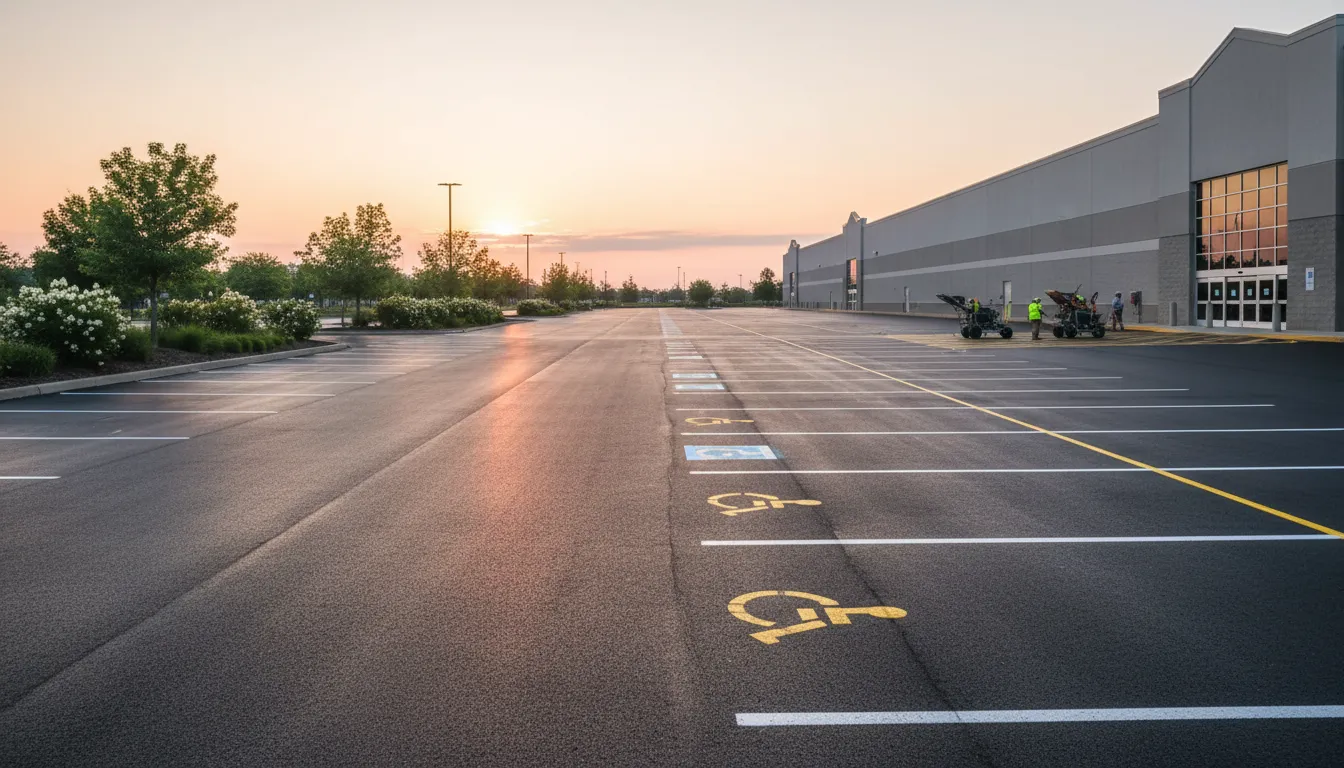
Find the Best Parking Lot Striping Companies for Your Business
No obligation • Fast responses • Nationwide coverage

Why you can trust Tidy Parking
Tidy Parking is a leading U.S. source for parking lot maintenance services, including striping, sealcoating, sweeping, paving, resurfacing, and repairs. Our content is created independently, and providers cannot pay to influence ratings or recommendations.
Search providers near you
Top Parking Lot Striping Companies in Dublin, Ohio Ranked
A well-maintained parking lot is essential for safety, accessibility, and creating a positive first impression for your business or property. In Ohio, parking lot striping is more than just painting lines; it's a regulated process that must comply with strict federal and local codes, including the Americans with Disabilities Act (ADA) and fire safety regulations. This guide explains the key requirements, best practices, and cost considerations for parking lot striping in Ohio, helping you understand what's needed to keep your property compliant, safe, and functional.
G-FORCE Parking Lot Striping of Columbus
Columbus, OH
G-FORCE Parking Lot Striping of Columbus is a veteran-owned business providing parking lot striping, sealcoating, repair, and pavement marking services in Columbus, OH. They serve Columbus and nearby cities including Dayton, Springfield, Newark, and others, with access to a nationwide network. Their capabilities include parking lot striping, warehouse floor markings, ADA compliance striping, athletic field markings, and installation of parking lot signs and bollards. The company uses Sherwin-Williams premium traffic paints and advanced striping equipment to ensure durable and precise results. Owned and operated by Eric Rine, who has over 34 years of military service, G-FORCE emphasizes quality and safety in all projects.
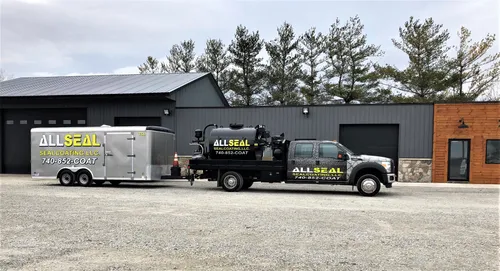
Allseal Sealcoating
252 E 1st St, London, OH 43140
Allseal Sealcoating is a locally owned company based in Columbus, OH, providing a wide range of asphalt and sealcoating services throughout Ohio. Their offerings include sealcoating, pavement striping, asphalt repair, crack filling, paving, concrete work, and signage for commercial, municipal, and residential clients. With over 20 years of industry experience, Allseal Sealcoating serves cities and towns across Central and Northeast Ohio, including Columbus and surrounding areas. They maintain and operate specialized equipment suited for projects of various sizes and types, ensuring quality results for everything from driveways to highways and hospital parking lots.
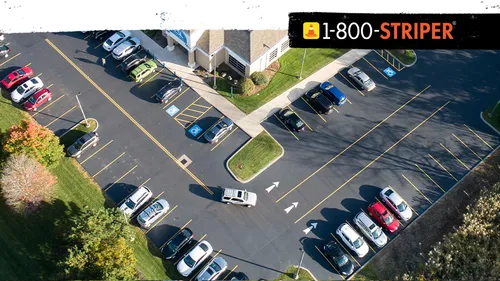
1-800-STRIPER® of Columbus
7500 Green Meadows Dr unit 6204, Lewis Center, OH 43035
1-800-STRIPER® of Columbus provides professional parking lot striping and surface space maintenance in Columbus, OH. They serve property owners in Columbus, Newark, Grove City, and Lancaster with services including retail parking lot layout design, ADA compliance upgrades, and sports court line painting. With over 25 years of experience, the company focuses on delivering clean, precise lines that enhance safety and functionality while minimizing disruption to business operations.
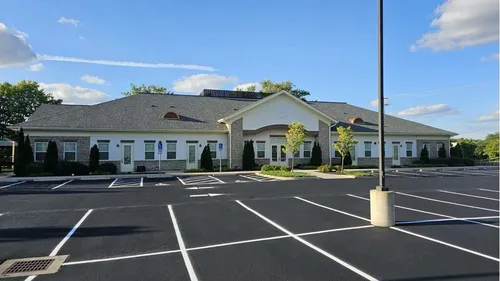
Renew Paving & Sealing, LLC
1657 Victor Ave, Columbus, OH 43207
Renew Paving & Sealing, LLC is a parking lot and driveway paving and maintenance company based in Columbus, OH. Serving both commercial and residential clients, they provide a range of asphalt services including sealcoating, crack filling, pothole repair, overlays, and new installations. The company has been operating since 2017 and offers thorough assessments to recommend appropriate solutions for asphalt maintenance and replacement needs.

Professional Pavement Services
152 Troutman Rd, Delaware, OH 43015
Professional Pavement Services is a family-owned company based in Columbus, OH, offering a wide range of property maintenance services including asphalt paving, concrete work, sealcoating, and parking lot striping. With over 25 years of experience, they serve Columbus and nearby areas such as Delaware and Findlay, providing year-round support for pavement and property maintenance needs. Their certified technicians handle projects from asphalt installation to ongoing maintenance like sealcoating and striping, ensuring durable and visually appealing results.
Understanding Ohio's Striping and Marking Requirements
Parking lot striping in Ohio is governed by a combination of national standards and local ordinances. The primary goal is to ensure orderly traffic flow, maximize space efficiency, and, most critically, guarantee safe and equal access for all individuals. Failing to meet these standards can result in fines, liability issues, and a negative experience for visitors and customers.
The two most critical regulatory frameworks are the 2010 ADA Standards for Accessible Design and the Ohio Fire Code. These are often enforced through local building departments and municipal codes 1. Regular maintenance, including restriping every 2-3 years, is necessary to keep markings visible and compliant.
ADA Compliance for Accessible Parking Spaces
Adhering to ADA guidelines is not optional; it's federal law. Ohio properties must follow the 2010 ADA Standards, which provide precise specifications for accessible parking.
Dimensions and Layout
- Standard Accessible Spaces (Car): Must be at least 96 inches (8 feet) wide.
- Van-Accessible Spaces: Must be at least 132 inches (11 feet) wide. An alternative is an 8-foot-wide space paired with an 8-foot-wide access aisle.
- Access Aisles: These are the adjacent zones that allow for wheelchair lift deployment. They must be a minimum of 60 inches (5 feet) wide and run the full length of the parking space. The surface must be level, with a slope not exceeding 2.08% (1:48) in any direction 2 3 4 5. Aisles must be marked to discourage parking, typically with diagonal hatch marks.
- Dispersion: Accessible spaces must be located on the shortest accessible route to the building entrance. Scattering them across different parking areas near multiple entrances is a best practice.
Signage and Marking
- Signage: Each accessible space must have a sign featuring the International Symbol of Accessibility. The bottom of the sign must be mounted at least 60 inches above the ground. Van-accessible spaces must have an additional "Van Accessible" plaque 6.
- Pavement Markings: The parking space itself should be outlined, and the access aisle must be clearly marked. The wheelchair symbol is often painted in blue within the stall. While blue is the standard color for ADA stall markings, local codes should always be verified.
Fire Lane and Safety Markings
Fire codes in Ohio mandate specific markings to ensure emergency vehicles have unobstructed access. These rules are vital for public safety and are strictly enforced.
- Fire Lanes: Designated fire lanes must have curbs painted red. They are often further identified with "NO PARKING FIRE LANE" stenciled on the pavement or with posted signs. These lanes must maintain a minimum unobstructed width of 20 feet 7.
- No Parking Zones: Areas in front of fire hydrants, building entrances, and loading docks must be clearly marked. Cross-hatching or diagonal lines are commonly used to indicate that parking is prohibited in these zones 8.
- Traffic Flow Markings: Arrows, stop bars, yield markings, and pedestrian crosswalks (often white zebra stripes) are crucial for directing vehicles and protecting foot traffic. The Ohio Manual of Uniform Traffic Control Devices provides standards for these markings.
Find the perfect parking lot striping companies for your needs
Get personalized recommendations and expert advice
The Restriping Process: Steps and Best Practices
A professional restriping project involves more than just applying new paint. Here is a typical process:
- Assessment and Planning: A contractor will survey the lot, measure dimensions, and create a new stall layout that maximizes space while ensuring ADA and fire code compliance. They will account for the required number of accessible spaces based on your lot's total capacity 9.
- Surface Preparation: For a long-lasting result, the pavement must be clean, dry, and free of debris, oil, and old, peeling paint. Power washing or mechanical scrubbing is often necessary.
- Layout and Stenciling: Using chalk lines or laser guides, technicians mark the precise location of all stalls, aisles, and symbols. ADA wheelchair symbols, "FIRE LANE" lettering, and directional arrows require careful placement of stencils.
- Paint Application: Professional-grade traffic paint (either latex or more durable oil-based) is applied using striping machines for lines and rollers or sprayers for stencils and solid areas. Blue is used for ADA stalls, red for fire lanes and curbs, yellow for no-parking zones and lane separations, and white for standard stalls and directional markings 10.
- Signage Installation: New or refreshed compliant signage is installed at the correct height for accessible parking spaces and other regulated areas 11.
- Curing and Re-Opening: The paint needs adequate time to dry and cure before the lot can be reopened to traffic, which can take a few hours depending on weather conditions.
Cost Factors for Parking Lot Striping in Ohio
The cost of a striping project is not a flat fee; it depends on several variables. Understanding these can help you budget effectively.
- Scope of Work: The total number of parking stalls to be painted is the primary driver. Are you simply refreshing existing lines or completely reconfiguring the layout? A full redesign costs more.
- Stencil Work: Detailed markings like ADA symbols, handicap lettering, "FIRE LANE" text, and company logos add to the labor and time required. Each ADA symbol stencil can be a separate cost item.
- Paint Type and Quality: Standard latex paint is less expensive but may wear faster. Traffic-grade oil-based or thermoplastic paints are more durable and offer better reflectivity but come at a higher initial cost.
- Surface Condition: Extensive cleaning or minor repairs to the asphalt before painting can increase the project price.
- General Cost Estimates: Based on market averages, property owners in Ohio can expect the following ranges:
- Per Stall Restriping: $1.50 - $3.50+ per stall.
- ADA Symbol Stencil: $30 - $60 per symbol 12.
- Fire Lane Curb Painting: $1.00 - $2.00 per linear foot 13.
Maintaining Your Striping for Longevity and Compliance
Once your lot is freshly striped, proactive maintenance will protect your investment.
- Schedule Regular Inspections: Visually check your markings every 6-12 months for fading, chipping, or wear, especially in high-traffic areas.
- Clean Spills Promptly: Gasoline, oil, and chemical spills can degrade paint quickly.
- Plan for Restriping: Budget for a complete restriping every 2-3 years to maintain visibility and compliance. Touch-ups may be needed annually in high-wear zones 14.
- Winter Considerations: Use plows with shoes or rollers to avoid scraping the pavement. Mark snow piles to prevent damage to curbs and signage.
- Document Compliance: Keep records of your striping plans, contractor invoices, and inspection reports. This documentation can be invaluable if compliance questions arise.
Frequently asked questions
Sources
Footnotes
-
Accessible Parking Guide - Ohio Secretary of State - https://www.ohiosos.gov/globalassets/publications/election/ada/adaparkingguide2021.pdf ↩
-
Guidelines for Accessible Parking Spaces - Solon, OH - https://www.solonohio.gov/DocumentCenter/View/2694/Parking-Brochure ↩
-
ADA Compliance Checkup for Ohio Parking Lots - SKAsphalt - https://skasphaltconcrete.com/ada-compliance-checkup-for-ohio-parking-lots/ ↩
-
Follow ADA Guidelines for Striping and Marking Parking Lots - https://americanasphalt.com/follow-ada-guidelines-for-striping-and-marking-parking-lots/ ↩
-
ADA Compliance Brief: Restriping Parking Spaces - https://www.ada.gov/resources/restriping-parking-spaces/ ↩
-
Accessible Parking & Drop Off Areas - https://ood.ohio.gov/wps/portal/gov/ood/accessible-ohio/ao-resources/accessible-parking-drop-off-areas ↩
-
Ohio Admin. Code 1301:7-7-05 - Fire service features - https://www.law.cornell.edu/regulations/ohio/Ohio-Admin-Code-1301-7-7-05 ↩
-
1515.03 MARKING OF FIRE LANES. - American Legal Publishing - https://codelibrary.amlegal.com/codes/richmondhts/latest/richmondhts_oh/0-0-0-23441 ↩
-
1111.08 ADA PARKING REQUIREMENTS. - https://codelibrary.amlegal.com/codes/whitehall/latest/whitehall_oh/0-0-0-58372 ↩
-
3 - Markings | Ohio Department of Transportation - https://www.transportation.ohio.gov/working/engineering/roadway/manuals-standards/tem/03 ↩
-
The Complete Checklist for ADA-Compliant Handicap Parking - https://drhandicap.com/insights/ada-compliant-handicap-parking-guide/ ↩
-
ADA Parking Requirements Solutions in Greater Cincinnati - https://cincyasphalt.com/ada-parking-requirements/ ↩
-
Parking Lot Striping Standards: Enhance Safety & Efficiency - https://www.allsourcebuildingservices.com/understanding-parking-lot-striping-standards-traffic-markings/ ↩
-
Accessible Parking Spaces | ADA.gov - https://www.ada.gov/topics/parking/ ↩