Find the Best Parking Lot Striping Companies for Your Business
No obligation • Fast responses • Nationwide coverage
Why you can trust Tidy Parking
Tidy Parking is a leading U.S. source for parking lot maintenance services, including striping, sealcoating, sweeping, paving, resurfacing, and repairs. Our content is created independently, and providers cannot pay to influence ratings or recommendations.
Search providers near you
Top Parking Lot Striping Companies in Reno, Nevada Ranked
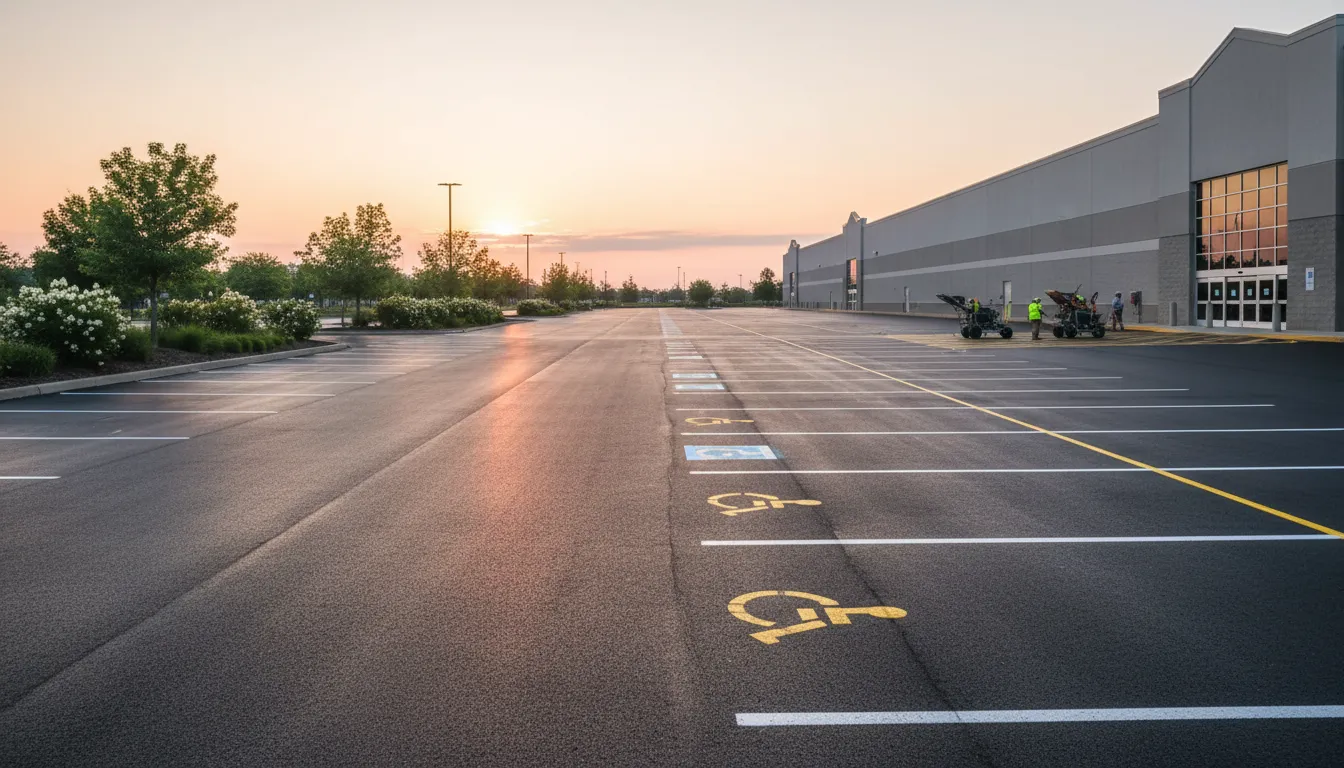
Maintaining clear, compliant pavement markings is a critical part of property management in Reno. Parking lot striping, also known as line painting or pavement marking, is far more than just applying paint to asphalt. It's a regulated process that ensures safety, maximizes space, and provides legal protection for property owners by meeting strict federal and local codes. In Reno's climate, with its intense sun, seasonal temperature swings, and snow removal operations, markings degrade faster than in milder regions. This guide explains the key requirements, best practices, and local considerations for effective parking lot line striping in the Biggest Little City, helping you understand what to look for when evaluating local pavement marking services.
Blacktop Paving
10270 Donner Pass Rd, Truckee, CA 96161
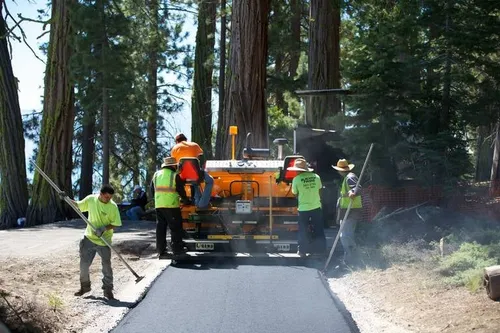
Blacktop Paving is a paving contractor based in Reno, NV, serving residential, commercial, and municipal clients across the Sierra Nevada and Northern California. Established in 1979, the company offers a wide range of services including asphalt paving, parking lot striping, sealcoating, resurfacing, and repair. They specialize in durable asphalt solutions tailored to the unique climate challenges of the Tahoe and Reno areas, with capabilities such as cut-and-patch utility road restoration and ADA-compliant commercial paving. With over four decades of experience, Blacktop Paving continues to combine traditional craftsmanship with modern techniques under new leadership.
HD COATINGS
Reno, NV
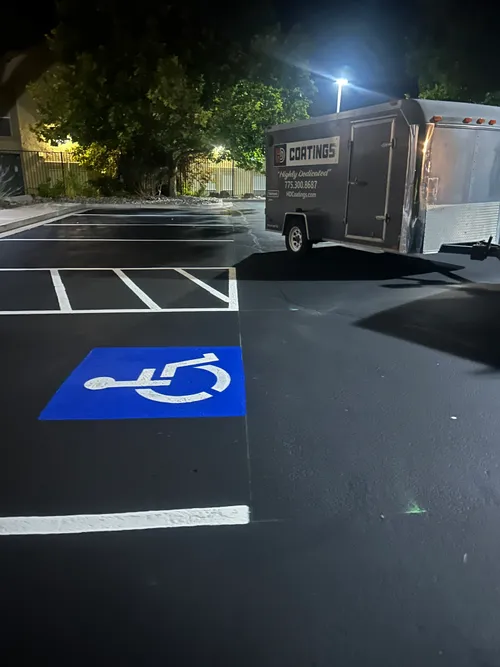
HD COATINGS is a parking lot striping, sealcoating, and repair company based in Reno, NV. They provide pavement maintenance services for both commercial and residential properties, including sealcoating, crack sealing, pothole repair, line striping, custom signage, and sports court surfacing. Their expertise includes applying preformed thermoplastic pavement markings for enhanced durability and visibility. The company uses high-quality materials and tailored solutions to extend the life of asphalt surfaces and improve safety. HD COATINGS is licensed, fully insured, and backed by expertise passed down through generations.
Great West Asphalt Paving Reno
216 Mt Rose St, Reno, NV 89509
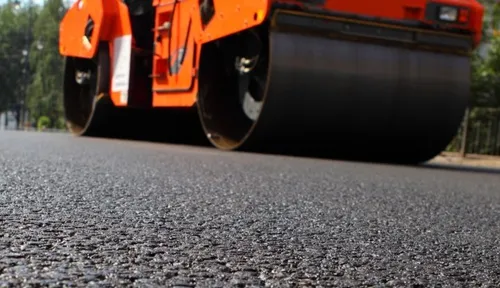
Great West Asphalt Paving Reno is a family-owned asphalt paving company serving Reno, NV. They provide a range of services including driveway paving, parking lot paving, sealcoating, asphalt repairs, and parking lot striping. The company uses high-quality materials and modern equipment to deliver durable and smooth asphalt surfaces for both commercial and residential projects. Established in 1984, Great West Asphalt Paving has over 40 years of experience in the industry, ensuring expertise in handling paving projects of various sizes and complexities.
A Plus Sealing
Reno, NV
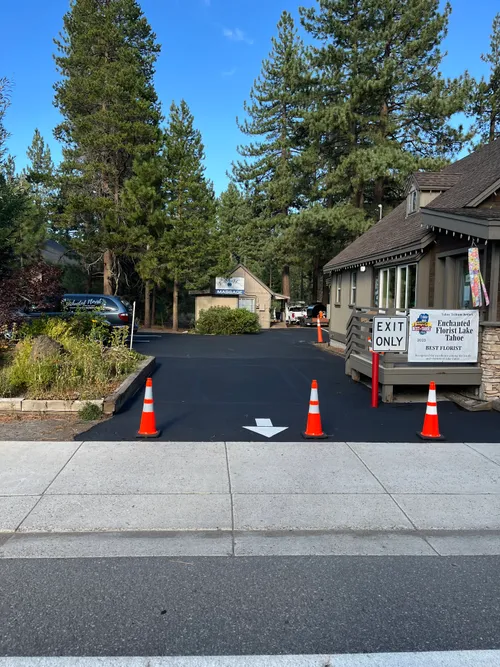
A Plus Sealing is a parking lot striping and sealcoating company based in Reno, NV. They provide commercial and residential sealcoating, crack sealing, and striping services using modern equipment and materials. Their teams serve clients in Northern Nevada and California, focusing on asphalt maintenance with up-to-date tools and techniques.
Nevada Paving
Reno, NV
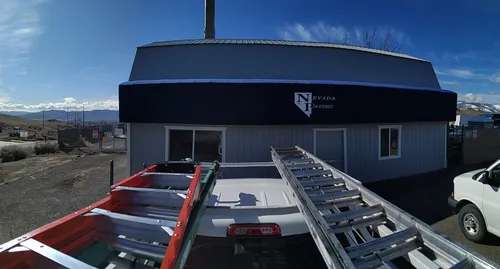
Nevada Paving is a parking lot striping, sealcoating, and paving contractor based in Reno, NV. Serving Northern Nevada including Reno, Sparks, Carson City, Minden/Gardnerville, and Elko, the company handles projects of all sizes from driveways to airports. With over 30 years of experience, Nevada Paving combines long-term industry knowledge with updated technical expertise to provide asphalt maintenance and paving services.
Why Proper Striping is Non-Negotiable in Reno
Faded lines aren't just an eyesore; they are a liability. Clear pavement markings guide drivers and pedestrians safely, reduce confusion and accidents, and ensure efficient use of your lot. More importantly, in Reno, they are your first line of defense against costly fines and lawsuits. Non-compliance with the Americans with Disabilities Act (ADA) or local fire codes can result in significant penalties. Proper striping also protects your investment by directing traffic flow and preventing unnecessary wear on your asphalt surface. For commercial properties, a well-marked lot projects professionalism and care for customers and employees alike.
Decoding Reno's Striping Regulations: ADA & Fire Lanes
Navigating the regulations is the most crucial step. Reno contractors must adhere to federal ADA standards and incorporate specific local fire safety codes enforced by the Reno Fire Department.
ADA-Compliant Accessible Parking
ADA compliance is not optional. For every 25 spaces, at least one must be accessible, with more required as the total spaces increase 1 2. In Reno, these spaces have very specific requirements:
- Dimensions: Standard accessible stalls must be at least 8 feet wide (96 inches).
- Access Aisles: A 5-foot-wide access aisle must be adjacent to the space, marked with diagonal cross-hatching to prevent parking. This aisle is part of the accessible route and must be nearly level, with a maximum slope of 1:48.
- Van-Accessible Spaces: One of every six accessible spaces must be van-accessible. This can be an 11-foot-wide stall with a 5-foot aisle, or an 8-foot-wide stall with an 8-foot aisle.
- Markings: The International Symbol of Accessibility (the wheelchair icon) must be painted in blue on the pavement surface within the stall 3 4.
- Signage: A compliant "accessible parking" sign must be posted, mounted with the bottom at least 60 inches (5 feet) above the pavement.
These spaces must also be located on the shortest accessible route from the parking area to the building entrance 5.
Fire Lane Markings
Fire lane striping is governed by local codes, which in Reno are stringent to ensure emergency vehicle access. Key requirements include:
- Color: Fire lanes must be outlined and marked with red paint.
- Lettering: The words "FIRE LANE" and often "NO PARKING" must be stenciled in white lettering within the red zone. Standard lettering is often 4 inches tall 6.
- Signage: Posted fire lane signs with clear lettering are almost always required in addition to the pavement markings.
Failure to properly mark and maintain fire lanes can result in fines from the local fire authority, as they are essential for life safety.
Standard Layouts and Markings for Reno Lots
Beyond compliance, efficient layout is key. Standard stall widths in Reno are typically 8.5 to 9 feet to accommodate modern vehicles. Aisles (the driving lanes between rows of stalls) are usually 24 feet wide for two-way traffic or 14 feet for one-way traffic. Other essential markings include:
- Crosswalks: Designated pedestrian pathways should be clearly marked, often with solid white or yellow parallel lines or high-visibility zebra stripes.
- Stop Bars & Directional Arrows: These regulate traffic flow at intersections within the lot.
- Loading Zones: These areas must be clearly marked with yellow paint and accompanied by proper signage.
- Curb Markings: Colors indicate restrictions-red for fire lanes/no parking, yellow for loading zones, and blue for accessible parking adjacent to curbs.
Find the perfect parking lot striping companies for your needs
Get personalized recommendations and expert advice
The Impact of Reno's Climate on Pavement Markings
Reno's high-desert climate is tough on parking lot paint. The intense UV radiation from the sun causes pigments to fade rapidly. The freeze-thaw cycles in winter, where snow melts and refreezes, can cause paint to crack and chip. Furthermore, the mechanical scraping from snow plows each winter is one of the leading causes of marking removal. This harsh environment is why the recommended re-striping frequency for Reno properties is every 18 to 24 months to maintain visibility and compliance. Waiting longer risks faded markings that fail to meet legal standards.
Material Choices: Paint vs. Thermoplastic
Local contractors typically offer two main types of marking materials:
- Water-Based or Solvent-Based Paint: This is the most common and cost-effective option. It's applied quickly and is suitable for most lots. Modern traffic paints are formulated with glass beads for immediate retroreflectivity, helping lines glow in headlights at night. However, paint has the shortest lifespan, especially under Reno's conditions.
- Thermoplastic: This is a melted plastic material applied hot to the pavement. It is significantly more durable than paint, lasting 3-5 times longer. It provides excellent retroreflectivity and is highly resistant to plow damage. While the upfront cost is higher, its longevity can make it a more economical choice over time for high-traffic areas or properties wanting to extend their maintenance cycles.
Understanding Costs and Getting a Quote
The cost for parking lot line striping is typically quoted per linear foot. According to industry data, the national average ranges from $0.30 to $0.50 per linear foot for standard paint application 7 8. Your final price in Reno will depend on several factors:
- Total Linear Footage: The length of all lines, arrows, and symbols to be painted.
- Condition of the Pavement: A clean, crack-free surface requires less prep work.
- Complexity of the Layout: Numerous small stalls, curves, and custom symbols take more time than long, straight lines.
- Material Selection: Thermoplastic will cost more per linear foot than paint.
- Preparation Work: If old markings need to be removed (water-blasted or ground off) or the lot needs a thorough cleaning, this adds to the cost.
- Compliance Work: Adding or updating ADA spaces and fire lanes involves precise measurements and specific colors/markings.
The most accurate way to determine cost is to request a site-specific quote from a qualified local contractor who will measure your lot and discuss your needs.
Choosing a Reno Striping Contractor
Selecting the right professional is crucial. Look for a contractor with:
- Local Experience: They should understand Reno's specific codes, climate challenges, and common practices of the Reno Fire Department.
- Proof of Insurance: Ensure they carry liability and workers' compensation insurance.
- Knowledge of Regulations: They should be able to explain ADA and fire lane requirements without hesitation.
- Quality Equipment: Professional airless striping machines and proper stencils ensure crisp, clean lines.
- References & Portfolio: Ask for examples of recent work on similar properties in the area. A reputable contractor will conduct a site visit, provide a detailed written estimate, and ensure all work meets or exceeds the required standards, giving you peace of mind and a compliant, safe parking facility.
Frequently asked questions
Sources
Footnotes
-
ADA Compliance Brief: Restriping Parking Spaces - https://www.ada.gov/resources/restriping-parking-spaces/ ↩
-
Accessible Parking Spaces - ADA.gov - https://www.ada.gov/topics/parking/ ↩
-
Parking Lot Striping and ADA Compliance: Everything You Need to ... - https://theparkinglotpro.com/parking-lot-striping-and-ada-compliance-everything-you-need-to-know/ ↩
-
ADA Compliance Guide for Parking Lot Line Striping - Pavement Solutions - https://www.pavementsolutions.org/ada-compliance-guide-for-parking-lot-line-striping/ ↩
-
Parking Lot Striping & ADA Compliance: What to Know - https://brixco.co/parking-lot-striping-ada-compliance/ ↩
-
All You Need To Know About Fire Lane Striping - https://www.ppm.us/all-you-need-to-know-about-fire-lane-striping/ ↩
-
Understanding Your Parking Lot Line Striping Requirements - https://www.ppm.us/parking-lot-striping-requirements/ ↩
-
Basic Guide to Parking Lot Striping - Traffic Safety Resource Center - https://www.trafficsafetystore.com/blog/guide-to-parking-lot-striping/ ↩