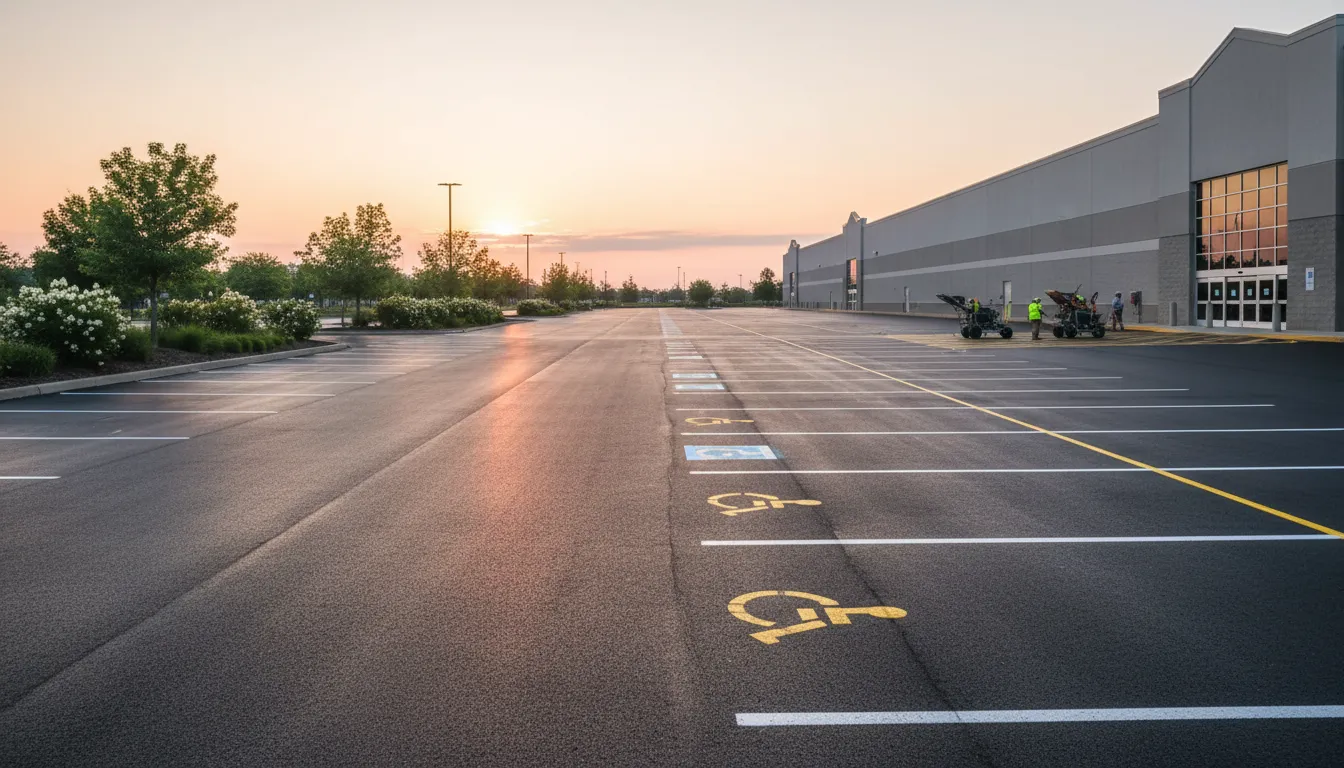
Find the Best Parking Lot Striping Companies for Your Business
No obligation • Fast responses • Nationwide coverage
Why you can trust Tidy Parking
Tidy Parking is a leading U.S. source for parking lot maintenance services, including striping, sealcoating, sweeping, paving, resurfacing, and repairs. Our content is created independently, and providers cannot pay to influence ratings or recommendations.
Search providers near you
Top Parking Lot Striping Companies in Parsippany-Troy Hills, New Jersey Ranked
Maintaining clear, compliant parking lot striping is a critical part of property management in Parsippany-Troy Hills. Proper line marking, pavement marking, and layout painting are not just about aesthetics; they are essential for safety, maximizing space, and ensuring legal compliance with strict state and federal regulations. This guide explains the key requirements for parking lot painting and layout in Parsippany, helping property owners and managers understand what's needed to keep their lots functional and lawful.
Just Paving Inc
60 Dartmouth Ave, Yonkers, NY 10701
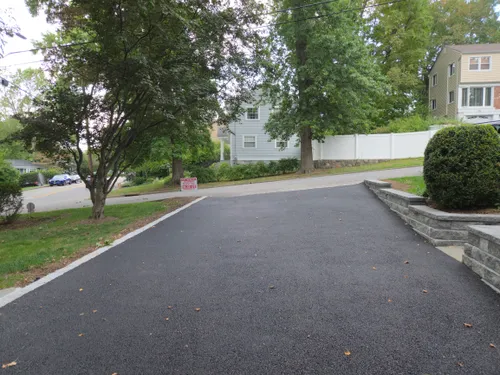
Just Paving Inc is a paving and masonry company based in New York, NY, serving residential and commercial clients in Yonkers and Westchester County. They offer a range of services including driveway paving, parking lot paving, resurfacing, repairs, and lot striping. Their expertise extends to masonry work such as retaining walls, patios, fire pits, and concrete steps. Established in 2000, Just Paving Inc has over two decades of experience delivering durable and visually appealing paving solutions. They focus on quality materials and craftsmanship to enhance property appearance and functionality.
MACH PAVING
Yonkers, NY
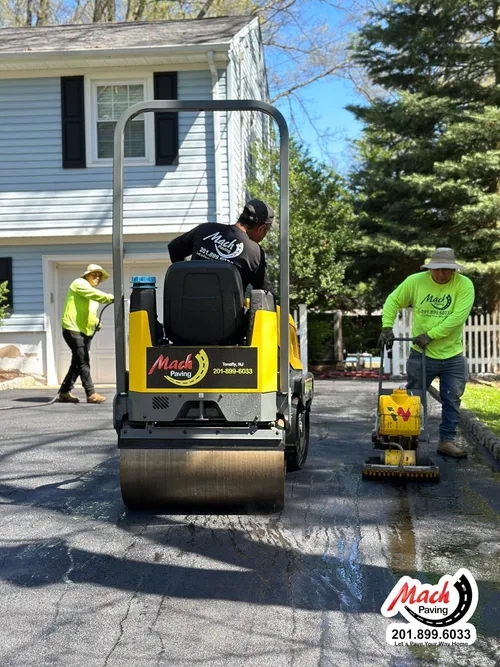
MACH PAVING is a family-owned paving company serving Yonkers, NY, and the surrounding New York and New Jersey areas. With over 20 years of experience, they provide residential and commercial paving services including parking lot paving, resurfacing, striping, seal coating, and custom concrete projects. Their team uses high-quality materials and advanced techniques to deliver durable and visually appealing surfaces. They also offer specialized services such as ADA compliant handicap parking markings and Belgium block installation.
Vali Construction LLC
673 Jerusalem Rd, Scotch Plains, NJ 07076
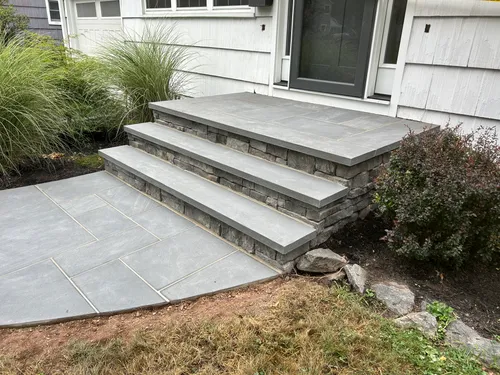
Vali Construction LLC is a paving and masonry company based near New York, NY. They provide a range of services including residential and commercial paving, parking lot striping, sealcoating, and various masonry and hardscaping projects such as patios, walkways, and retaining walls. Their capabilities include asphalt paving for projects of all sizes, from residential driveways to large commercial parking lots and municipal roadways. They also offer site work services like excavation, grading, and concrete flat work for contractors and builders.
Oscar's Asphalt & Sealcoating
New York, NY
Oscar's Asphalt & Sealcoating provides asphalt sealcoating, crack filling, pothole patching, and parking lot striping services in New York, NY. They focus on maintaining driveways and parking lots to withstand local weather and heavy traffic. The company uses top-grade materials to ensure durable results and offers 24/7 availability for their services. Their work covers a range of pavement maintenance needs to keep properties safe and looking professional.
Anything Asphalt
17 S Franklin Turnpike, Ramsey, NJ 07446
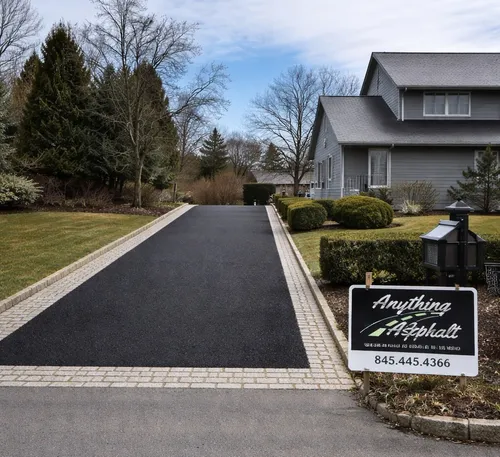
Anything Asphalt is a paving company based near New York, NY, specializing in residential and commercial asphalt services. They offer driveway installation, repair, resurfacing, parking lot paving, sealcoating, crack filling, and line striping. Serving Bergen County, NJ, and nearby areas including Rockland County, NY, they use quality materials to ensure durable results. The company has extensive experience completing projects on time and within budget, focusing on customer satisfaction throughout each job.
Why Proper Striping and Pavement Marking Matters
Faded or incorrect parking lot lines create confusion, reduce usable parking capacity, and increase the risk of accidents and liability. In a busy commercial area like Parsippany-Troy Hills, a well-organized lot improves traffic flow for customers and delivery vehicles. More importantly, non-compliant markings can lead to significant fines, especially concerning accessible parking and fire lane regulations. Regular maintenance, typically recommended every 1 to 2 years, protects your investment and keeps your property safe for everyone.
Key Regulations for Parsippany-Troy Hills Parking Lots
Compliance is governed by a combination of the federal Americans with Disabilities Act (ADA), New Jersey state law, and local Parsippany ordinances. Ignorance of these rules is not a defense, so understanding the basics is crucial.
Accessible Parking Space Requirements (ADA & NJ)
Accessible parking is one of the most regulated aspects of lot layout. The requirements are specific and must be followed precisely.
- Number of Spaces: For a standard parking lot, at least 4% of spaces must be accessible. For example, a 100-space lot needs a minimum of four accessible spaces.
- Dimensions: Standard accessible car spaces must be at least 8 feet wide. Van-accessible spaces require a minimum width of 11 feet.
- Access Aisles: Each accessible space must have an adjacent access aisle that is at least 5 feet wide. This aisle must be marked with blue paint or diagonal stripes to clearly indicate it is not a parking space.
- Signage: Each space must be identified with the International Symbol of Accessibility on a sign mounted 5 to 7 feet above the ground. Van-accessible spaces require additional "Van Accessible" text on the sign 1.
- Location: Accessible spaces must be located on the shortest accessible route to the building entrance, on level ground with a stable surface 2.
A critical New Jersey-specific rule: Using blue paint for marking standard, non-accessible parking spaces is prohibited. Blue paint is reserved exclusively for the access aisles of accessible spaces.
Fire Lane Marking and Striping
Fire lanes are vital for emergency vehicle access and are strictly enforced. Blocked fire lanes can result in immediate towing and hefty fines.
- Marking: Fire lanes must be outlined with red curb paint or red pavement paint. The words "FIRE LANE" or "NO PARKING FIRE LANE" in white letters, at least 12 inches tall, must be painted on the pavement at intervals of 25 to 50 feet.
- Width: Fire lanes must maintain a clear width of at least 20 feet, with 24 feet being the preferred standard to accommodate all fire apparatus 3.
- Enforcement: These areas must be kept clear of all parked vehicles 24 hours a day, 7 days a week.
Loading Zones and Crosswalks
- Loading Zones: Design standards in New Jersey specify that loading areas should not be located in front yards and are typically placed in rear or side yards where feasible. Their design must not interfere with fire lanes or safe pedestrian pathways 4.
- Crosswalks: Pedestrian crosswalks should be clearly marked, especially in lots where pedestrians must cross vehicular traffic lanes to reach a building entrance. This is a key safety feature for any commercial or multi-tenant property.
The Process: Permits, Planning, and Execution
Before any paint hits the pavement, proper planning is required.
- Site Assessment & Plan: A professional will measure your lot, assess the current condition of the asphalt, and draft a layout plan that maximizes space while meeting all compliance requirements.
- Permits: In most cases, a permit from the Parsippany-Troy Hills building department is required for parking lot restriping projects. Permit fees can vary but often range from $200 to $1,000 depending on the project's scope 5 6.
- Surface Preparation: For a long-lasting job, the pavement must be clean, dry, and free of debris, oil stains, and old, peeling paint. Power washing or sweeping is often necessary.
- Stripping Application: Professionals use specialized equipment to apply durable, reflective traffic paint or thermoplastic. Layout is done with precision using chalk lines or stencils for symbols like handicap icons or directional arrows.
Find the perfect parking lot striping companies for your needs
Get personalized recommendations and expert advice
Cost Considerations for Parking Lot Line Striping
Costs for line marking and pavement painting in Parsippany can vary based on the lot size, condition, and complexity of the layout. Projects are often priced by the linear foot for striping or as a total project fee.
- Minor Restriping: Applying new lines over an existing, sound layout may cost between $0.10 and $0.30 per linear foot 7.
- Total Project Cost: For a complete restriping of a commercial parking lot-including accessible spaces, fire lanes, symbols, and stencils-costs can range from a few hundred to several thousand dollars. The need for extensive surface preparation or a completely new layout design will increase the price.
- Value of Professional Service: While DIY kits exist, hiring a professional ensures compliance, uses longer-lasting materials, and results in a precise, professional finish that protects your liability. They also handle the permit process.
Maintaining Your Striping for Longevity
To get the most out of your investment, follow these tips:
- Schedule Regular Re-striping: Plan to refresh your lines every 1-2 years, or as soon as they show significant fading.
- Prompt Repair: Fix damaged sections of paint or thermoplastic quickly to prevent confusion and maintain a neat appearance.
- Proper Cleaning: Use gentle methods for snow removal and avoid harsh chemicals that can degrade the paint.
- Annual Inspection: Walk your lot annually to check for compliance issues, especially regarding accessible space signage and fire lane clarity.
Disclaimer: Regulations can change. This guide provides a general overview, but you should always consult directly with the Parsippany-Troy Hills building department or a qualified local contractor for the latest specific requirements and to review your project plans.
Frequently asked questions
Sources
Footnotes
-
GUIDE TO ACCESSIBLE PARKING - NJ.gov - https://www.nj.gov/humanservices/dds/documents/BROCHURES/2021/guide-to-accessible-parking-booklet-English-web21.pdf ↩
-
New Jersey Guide to Accessible Parking - NJ.gov - https://www.nj.gov/humanservices/dds/documents/BROCHURES/2024/Guide-to-Accessible-Parking.pdf ↩
-
Fire Lane Striping: Guide to Safety, Compliance & Regulations - https://everlinecoatings.com/us/fire-lane-striping-guide-to-safety-compliance-regulations/ ↩
-
N.J. Admin. Code § 19:66-7.3 - Loading area design standards - https://www.law.cornell.edu/regulations/new-jersey/N-J-Admin-Code-SS-19-66-7.3 ↩
-
NJ Parking Lot Striping Regulations 2025 | Compliance Guide - https://randysealcoatingandstriping.com/learning-center/nj-parking-lot-striping-regulations-2025 ↩
-
Understanding New Jersey Parking Lot Striping Regulations - https://randysealcoatingandstriping.com/blog/nj-parking-lot-striping-regulations-2025 ↩
-
Basic Guide to Parking Lot Striping - https://www.trafficsafetystore.com/blog/guide-to-parking-lot-striping/ ↩