Find the Best Parking Lot Striping Companies for Your Business
No obligation • Fast responses • Nationwide coverage
Why you can trust Tidy Parking
Tidy Parking is a leading U.S. source for parking lot maintenance services, including striping, sealcoating, sweeping, paving, resurfacing, and repairs. Our content is created independently, and providers cannot pay to influence ratings or recommendations.
Search providers near you
Top Parking Lot Striping Companies in Edison, New Jersey Ranked
Proper parking lot striping is far more than just fresh paint on asphalt. In Edison, it is a critical component of safety, accessibility, and legal compliance for any commercial or public property. Clear, correctly applied pavement markings guide traffic flow, designate safe pedestrian pathways, and ensure your facility meets stringent state and federal regulations. This guide explains the specific requirements for line striping in Edison and how you can connect with qualified local professionals to maintain or refresh your property's markings.
Vali Construction LLC
673 Jerusalem Rd, Scotch Plains, NJ 07076
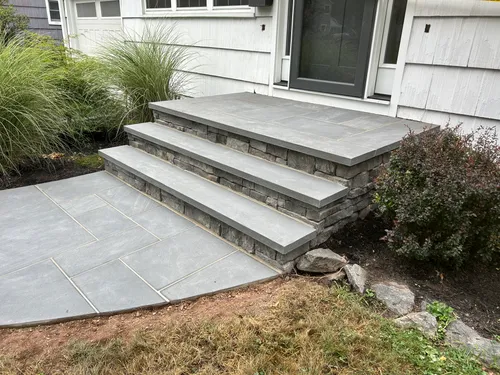
Vali Construction LLC is a paving and masonry company based near New York, NY. They provide a range of services including residential and commercial paving, parking lot striping, sealcoating, and various masonry and hardscaping projects such as patios, walkways, and retaining walls. Their capabilities include asphalt paving for projects of all sizes, from residential driveways to large commercial parking lots and municipal roadways. They also offer site work services like excavation, grading, and concrete flat work for contractors and builders.

Oscar's Asphalt & Sealcoating
New York, NY
Oscar's Asphalt & Sealcoating provides asphalt sealcoating, crack filling, pothole patching, and parking lot striping services in New York, NY. They focus on maintaining driveways and parking lots to withstand local weather and heavy traffic. The company uses top-grade materials to ensure durable results and offers 24/7 availability for their services. Their work covers a range of pavement maintenance needs to keep properties safe and looking professional.
Cooper And Sons Paving
3010 Bordentown Ave, Parlin, NJ 08859
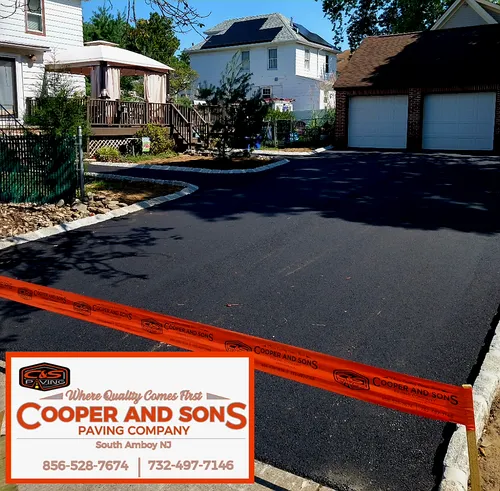
Cooper And Sons Paving is a family-owned asphalt paving contractor serving New York, NY, and surrounding areas. With over 50 years of experience, they provide a full range of residential and commercial paving services including parking lot paving, striping, sealcoating, resurfacing, and repair. Their expertise covers driveway paving, patching, crack filling, and installation of Belgian blocks and bumper posts. The company operates primarily in central New Jersey counties but extends services to nearby locations. Cooper And Sons uses quality materials and equipment to ensure durable pavement solutions tailored to each project.
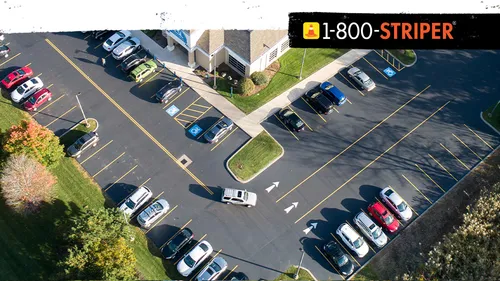
1-800-STRIPER of Queens
30-60 Review Ave, Long Island City, NY 11101
1-800-STRIPER of Queens is a parking lot striping company serving New York, NY. They provide commercial and industrial striping services, including directional markings for retail parking lots, interior warehouse floor markings, playgrounds, and sport courts. Their experienced crew uses advanced equipment to deliver durable results. The company has decades of experience refining their process to meet the needs of business owners, property managers, and contractors in the region.
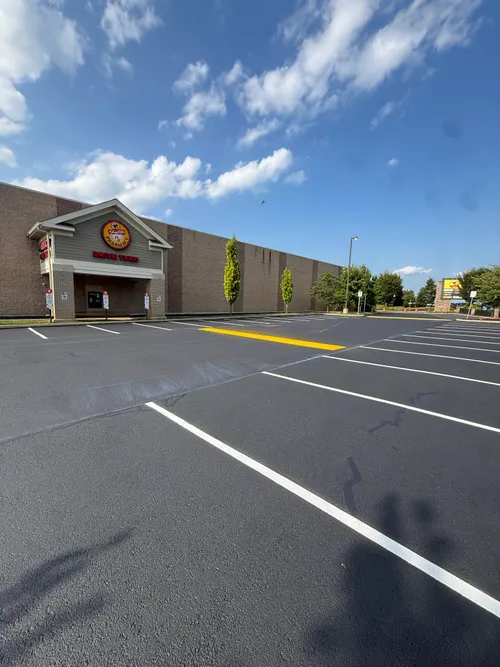
JC Line Striping LLC
1122b Easton Ave, Somerset, NJ 08873
JC Line Striping LLC is a parking lot striping company based in New York, NY, serving commercial and industrial properties across New Jersey and nearby states. They specialize in parking lot striping, ADA-compliant markings, sign and wheel stop installation, and use premium-grade, DOT-approved traffic paints and thermoplastic tape to ensure durable and code-compliant results. With over a decade of experience, JC Line Striping offers flexible scheduling including nights and weekends to accommodate various project needs.
Why Pavement Markings Matter in Edison
Faded, incorrect, or missing parking lot lines create confusion and hazards. In a busy township like Edison, with its mix of corporate parks, retail centers, and residential complexes, clear traffic control is essential for preventing accidents. Beyond safety, non-compliant markings can lead to significant fines and legal liability. New Jersey law and local Edison ordinances mandate that all pavement markings be maintained with at least 75% visibility. This includes everything from standard parking stalls to critical safety zones like fire lanes and accessible parking areas. Regular maintenance of your lot's striping is not just an aesthetic choice-it's a fundamental responsibility of property ownership.
Key Regulations for Edison Striping Projects
Any parking lot line painting or restriping project in Edison must adhere to a layered set of codes. Ignoring these can result in costly rework and penalties.
Americans with Disabilities Act (ADA) & New Jersey Requirements
The ADA sets the federal baseline, which New Jersey's Barrier Free Subcode often expands upon. For property owners, this means specific, non-negotiable standards for accessible parking.
- Space and Aisle Dimensions: Standard accessible spaces must be at least 8 feet wide with an adjacent 5-foot-wide access aisle. One of every eight accessible spaces must be "van-accessible," which requires an 8-foot-wide access aisle.
- Markings and Signage: The access aisle must be marked with diagonal blue or white lines to prevent parking. Each space must be accompanied by a sign featuring the International Symbol of Accessibility mounted at least 60 inches above the ground. Crucially, New Jersey requires an additional "penalty sign" detailing fines for illegal parking in these spots 1 2.
- Location: Accessible spaces must be located on the shortest accessible route to the building entrance.
Edison Fire Lane Specifications
Fire lane markings are strictly enforced for life safety. The local fire official designates these zones, which must be kept clear 24/7.
- Marking Standards: Fire lanes are typically marked with 4-inch-wide yellow lines on both sides of the lane. The words "NO PARKING FIRE LANE" must be painted in yellow or white on the pavement at regular intervals, often every 50 to 100 feet 3.
- Consequences: Faded or missing fire lane markings do not absolve responsibility. Vehicles parked in a fire lane, even if the paint is faint, can be ticketed. Fines in New Jersey can range from $50 to $100 per offense 4. Maintaining highly visible markings is the first line of defense against violations.
Loading Zones and Pedestrian Crosswalks
- Loading Zones: Edison follows state codes that dictate loading areas cannot be located in front yards and should be situated in rear or side yards 5. Furthermore, ADA standards require at least one accessible passenger loading zone for every 100 linear feet of passenger loading space 6.
- Crosswalks: Pedestrian walkways that cross vehicle lanes must be prominently marked for safety. This is often done with white or yellow lines, sometimes using diagonal hatching (zebra striping) for greater visibility 7 8. Clearly marked crosswalks are vital for protecting pedestrians in parking lots.
Components of a Fully Compliant Parking Lot
A well-striped, regulation-compliant facility in Edison will include several key elements:
- Accessible Parking: Blue-striped spaces with clearly marked, hatched access aisles, accompanied by the proper dual-posted signage (accessibility symbol and penalty notice).
- Fire Lanes: Bright yellow curbs or pavement markings stating "NO PARKING - FIRE LANE," maintained to full visibility.
- Traffic Control: Reflective paint for all directional arrows, stop bars, and yield markings to guide drivers safely, especially at night or in poor weather.
- Standard Stalls: Clearly defined, evenly spaced parking stalls to maximize capacity and minimize door dings.
Find the perfect parking lot striping companies for your needs
Get personalized recommendations and expert advice
Understanding Striping and Line Painting Costs
The cost to stripe a parking lot in Edison varies based on the scope, condition of the existing pavement, and the types of markings required. Prices are often broken down by unit.
- Standard Parking Space: Restriping an existing space typically ranges from $4 to $8 per space.
- Accessible (ADA) Space: Due to the additional layout, stenciling, and aisle markings, an accessible space costs more, generally between $75 and $125 per space.
- Linear Markings: Painting fire lanes or new lane lines is often priced per linear foot, ranging from $1.50 to $3.00.
- Symbols and Legends: Directional arrows or other symbols like "STOP" may cost $25 to $40 each, while stop bars can range from $30 to $50 each 9.
- New Layouts: If a lot requires a completely new design or significant changes to the existing layout, costs can increase by 20% to 50% due to the extra labor in measurement and planning 10.
Important Note: These are estimated price ranges. The final quote will depend on the contractor, the paint material (standard vs. reflective, thermoplastic), and the preparation work needed, such as power washing or old line removal.
The Striping Process: From Faded to Fresh
Knowing what to expect can help you plan your project.
- Consultation and Estimate: A reputable contractor will survey your lot, discuss your needs, note any compliance issues, and provide a detailed written estimate.
- Preparation: The area must be clean and dry. This may involve sweeping, power washing, and, in some cases, grinding away old, raised markings.
- Layout and Measurement: This is the most critical step for compliance. The contractor will use chalk lines, string, or laser levels to meticulously map out all stalls, aisles, accessible spaces, and safety zones according to code measurements.
- Application: Using specialized line striping machines, professionals apply the paint or thermoplastic material. Stencils are used for handicap symbols, letters, and numbers.
- Curing and Reopening: The lot must be closed to traffic until the paint is fully dry to prevent smearing. Drying time depends on weather conditions and the material used.
Choosing a Professional for Your Project
Given the regulatory complexity, choosing the right contractor is crucial. Look for a service provider with:
- Proven Local Experience: Familiarity with Edison township codes and NJ state regulations is a must.
- Detailed Knowledge of ADA and Fire Codes: They should be able to explain requirements without hesitation.
- Proper Insurance and Licensing: Ensure they carry liability and workers' compensation insurance.
- Quality Materials: Inquire about the type of paint they use. High-quality, reflective paints last longer and provide better nighttime visibility.
- Clear Communication and References: A professional should provide a clear scope of work, timeline, and references from past clients in the area.
Maintaining Your Investment
Once your lot is freshly striped, protect your investment with a regular maintenance plan.
- Schedule Regular Inspections: Walk your lot quarterly to check for fading, especially in high-traffic areas.
- Clean Spills Promptly: Oil and chemical spills can degrade paint quickly.
- Plan for Restriping: Most paint needs refreshing every 12-24 months, depending on traffic volume and weather exposure. Thermoplastic lasts longer but is a larger upfront investment.
- Coordinate with Sealcoating: If you sealcoat your asphalt, line striping must be done afterward. Plan your maintenance schedule so that sealcoating and striping are complementary, not conflicting, tasks.
Frequently asked questions
Sources
Footnotes
-
New Jersey Guide to Accessible Parking - NJ.gov - https://www.nj.gov/humanservices/dds/documents/BROCHURES/2024/Guide-to-Accessible-Parking.pdf ↩
-
Guide to Handicapped Parking - NJ.gov - https://www.nj.gov/humanservices/dds/documents/DDS_GuideToHandicappedPkg.pdf ↩
-
Fire Lane Violations - Parking Lots in New Jersey - https://qualitylinestriping.com/fire-lane-violations-parking-lots-nj/ ↩
-
Fire Lane Designations, Maintenance and Enforcement - https://ecode360.com/12874789 ↩
-
N.J. Admin. Code § 19:66-7.3 - Loading area design standards - https://www.law.cornell.edu/regulations/new-jersey/N-J-Admin-Code-SS-19-66-7.3 ↩
-
Chapter 5: Passenger Loading Zones - Access-Board.gov - https://www.access-board.gov/ada/guides/chapter-5-passenger-loading-zones/ ↩
-
The Importance of ADA-Compliant Parking Lot Striping - Rose Paving - https://www.rosepaving.com/blog/the-importance-of-ada-compliant-parking-lot-striping/ ↩
-
Parking Lot Striping and ADA Compliance: Everything You Need to ... - https://theparkinglotpro.com/parking-lot-striping-and-ada-compliance-everything-you-need-to-know/ ↩
-
NJ Asphalt Line Striping Cost - https://www.fixasphalt.com/blog/cost-to-line-stripe-a-parking-lot-1 ↩
-
Understanding New Jersey Parking Lot Striping Regulations - https://randysealcoatingandstriping.com/blog/nj-parking-lot-striping-regulations-2025 ↩