Find the Best Parking Lot Striping Companies for Your Business
No obligation • Fast responses • Nationwide coverage
Why you can trust Tidy Parking
Tidy Parking is a leading U.S. source for parking lot maintenance services, including striping, sealcoating, sweeping, paving, resurfacing, and repairs. Our content is created independently, and providers cannot pay to influence ratings or recommendations.
Search providers near you
Top Parking Lot Striping Companies in Hoboken, New Jersey Ranked
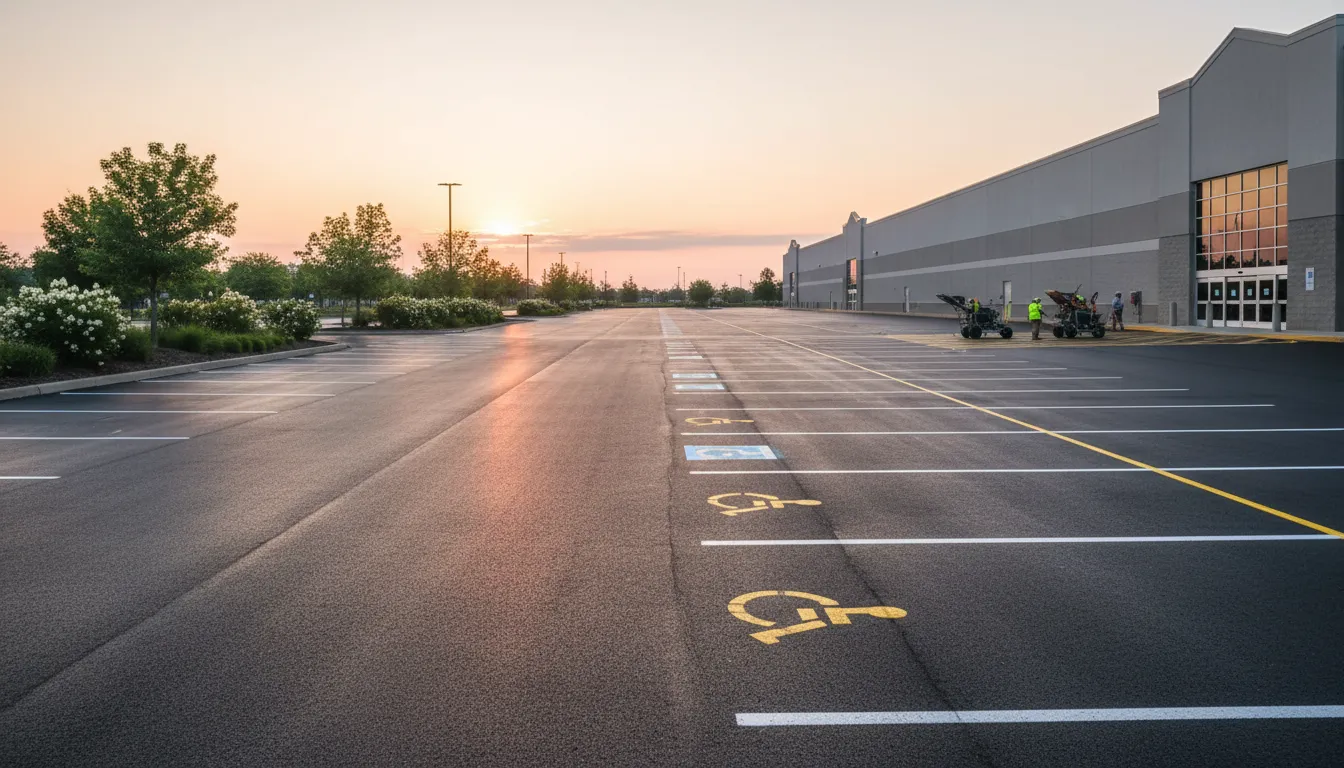
Maintaining a clearly marked and compliant parking lot is a critical responsibility for any property owner or manager in Hoboken. Proper pavement marking, or striping, is far more than just painting lines; it's a fundamental aspect of safety, accessibility, and legal compliance. In a dense, urban environment like Hoboken, adhering to specific state and local regulations for accessible spaces, fire lanes, and traffic flow is non-negotiable. This guide explains the key requirements and best practices for parking lot line painting in Hoboken, helping you understand what's needed to keep your property safe, functional, and free from costly violations.
Just Paving Inc
60 Dartmouth Ave, Yonkers, NY 10701
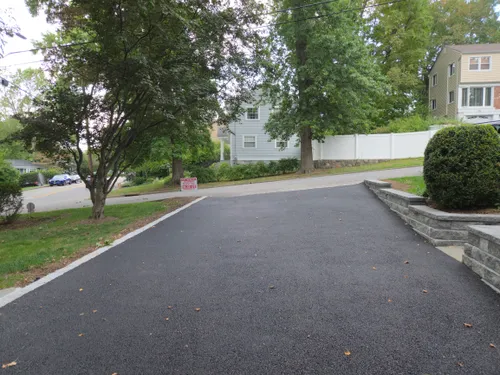
Just Paving Inc is a paving and masonry company based in New York, NY, serving residential and commercial clients in Yonkers and Westchester County. They offer a range of services including driveway paving, parking lot paving, resurfacing, repairs, and lot striping. Their expertise extends to masonry work such as retaining walls, patios, fire pits, and concrete steps. Established in 2000, Just Paving Inc has over two decades of experience delivering durable and visually appealing paving solutions. They focus on quality materials and craftsmanship to enhance property appearance and functionality.
Bonardi Construction Inc
15-19 128th St, College Point, NY 11356
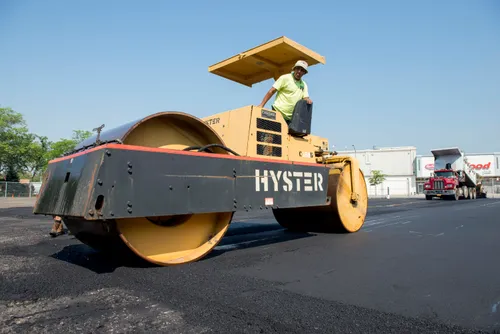
Bonardi Construction Inc is a general contracting company serving Jersey City, NJ, and the greater New York City area. They offer a range of services including parking lot striping, sealcoating, paving, and repair for both commercial and residential properties. Their team has over 30 years of experience and provides specialized capabilities such as asphalt paving and concrete work. Bonardi Construction emphasizes quality craftsmanship and a client-focused approach throughout each project.
MACH PAVING
Yonkers, NY
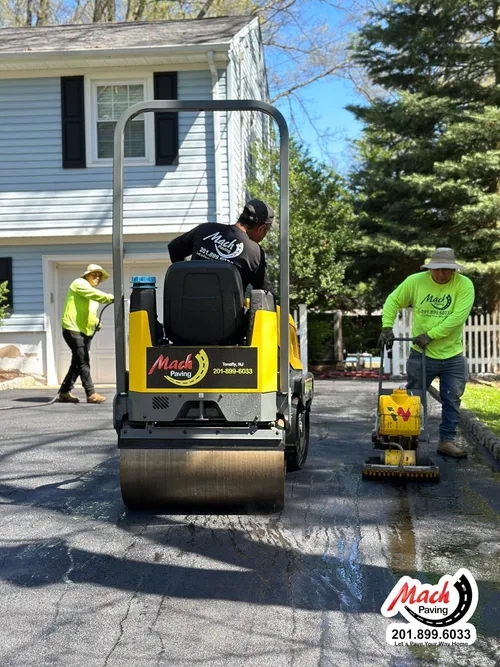
MACH PAVING is a family-owned paving company serving Yonkers, NY, and the surrounding New York and New Jersey areas. With over 20 years of experience, they provide residential and commercial paving services including parking lot paving, resurfacing, striping, seal coating, and custom concrete projects. Their team uses high-quality materials and advanced techniques to deliver durable and visually appealing surfaces. They also offer specialized services such as ADA compliant handicap parking markings and Belgium block installation.
Vali Construction LLC
673 Jerusalem Rd, Scotch Plains, NJ 07076
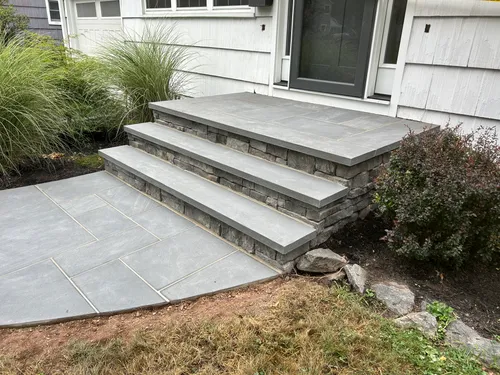
Vali Construction LLC is a paving and masonry company based near New York, NY. They provide a range of services including residential and commercial paving, parking lot striping, sealcoating, and various masonry and hardscaping projects such as patios, walkways, and retaining walls. Their capabilities include asphalt paving for projects of all sizes, from residential driveways to large commercial parking lots and municipal roadways. They also offer site work services like excavation, grading, and concrete flat work for contractors and builders.
Oscar's Asphalt & Sealcoating
New York, NY
Oscar's Asphalt & Sealcoating provides asphalt sealcoating, crack filling, pothole patching, and parking lot striping services in New York, NY. They focus on maintaining driveways and parking lots to withstand local weather and heavy traffic. The company uses top-grade materials to ensure durable results and offers 24/7 availability for their services. Their work covers a range of pavement maintenance needs to keep properties safe and looking professional.
Understanding Hoboken's Regulatory Landscape for Pavement Markings
Parking lot striping in Hoboken is governed by a layered set of rules. You must comply with the federal Americans with Disabilities Act (ADA), New Jersey state law, and specific local ordinances found in the City of Hoboken Municipal Code. These local chapters, such as those covering parking for persons with disabilities and fire lane regulations, add specific dimensions, signage rules, and enforcement details that go beyond baseline state requirements. Ignorance of these rules is not a defense, and non-compliance can lead to significant fines, increased liability, and safety hazards.
The primary goals of these regulations are to ensure safe and equitable access for all individuals, provide clear paths for emergency vehicles, and maintain orderly traffic flow in both public and private lots. Whether you're managing a commercial lot, a residential building's parking area, or a mixed-use facility, your line painting plan must be designed with these regulations as the foundation.
Accessible Parking Space Requirements: Dimensions, Markings, and Signage
Creating compliant accessible parking is one of the most detailed aspects of lot striping. In Hoboken and throughout New Jersey, the specifications are precise and must be followed exactly.
Space Dimensions and Layout: Each standard accessible parking space must be at least 12 feet wide by 18 feet long 1. This extra width is crucial for deploying vehicle ramps and mobility devices. For van-accessible spaces, an adjacent access aisle that is at least 8 feet wide is mandatory. This aisle must be part of the same accessible route to the building entrance.
Striping and Identification: The striping for accessible spaces must be blue to provide a high-contrast distinction from the standard white or yellow parking lines. The International Symbol of Accessibility must be painted prominently within the space. Furthermore, each space requires a vertical sign displaying the same symbol. In Hoboken, these signs must be mounted at least 60 inches above the ground and include language about the fine for illegal use, which can be $250 or more 2 3.
Residential Reserved Spaces: Hoboken offers a program for residents with disabilities to apply for a reserved accessible parking space in front of their residence. These city-installed spaces are marked with blue lines and a specific sign restricting use to the permitted vehicle, blending local accommodation with standard ADA principles.
Maintenance and Upgrades: It's important to note that in New Jersey, any project that involves resurfacing or re-striping more than a certain percentage of your lot triggers a requirement to bring all accessible spaces and paths of travel into full current ADA compliance. Additionally, property owners are responsible for clearing these spaces of snow and ice within 48 hours of accumulation to maintain access.
Fire Lane Striping and Marking Regulations
Fire lane marking is critical for emergency access in Hoboken's tight urban grid. Non-compliant fire lanes can block emergency responders and result in immediate towing and fines.
Pavement Markings: Fire lanes must be outlined with a solid, continuous yellow line. Within the lane boundaries, the words "FIRE LANE NO PARKING" must be painted on the pavement in yellow. These letters must be at least 24 inches high and repeated at intervals throughout the length of the lane for clear visibility 4.
Lane Dimensions: To ensure fire trucks and other emergency vehicles can maneuver, fire lanes must be a minimum of 20 feet wide, with 24 feet being the preferred width.
Signage Requirements: In addition to pavement markings, reflectorized "No Parking Fire Lane" signs must be installed and maintained. Hoboken's code typically requires these signs to be posted every 50 feet along the fire lane.
Standards for Loading Zones and Crosswalk Markings
Efficient loading zones and safe pedestrian crossings are essential for Hoboken's active commercial and residential life.
Loading Zones: Off-street loading berths, often for commercial buildings, generally require a minimum of 40 feet in length, 12 feet in width, and 14 feet of vertical clearance 5. For on-street loading, such as the zones along Washington Street, the city has implemented extended hours (e.g., 6 a.m. to 6 p.m. on weekdays) to support local business deliveries and short-term visitor parking 6. These zones must be clearly marked with appropriate curb painting and signage.
Crosswalk Markings in Lots: Within parking lots, vehicles cannot park within 25 feet of a crosswalk on the inbound leg of an intersection, or within 15 feet on the outbound leg 7. Crosswalks themselves must be clearly marked, often with high-visibility white thermoplastic or paint. These markings are especially important in "Extended Parking Zone" areas, where they ensure pedestrians can safely cross drive aisles 7 8.
Find the perfect parking lot striping companies for your needs
Get personalized recommendations and expert advice
Planning Your Striping Project: Timing, Costs, and Compliance
A successful line painting project requires careful planning beyond just knowing the rules.
Restriping Frequency: Regulations generally require that all striping be clearly visible, with a common benchmark being at least 75% visibility. In a high-traffic, urban environment like Hoboken with harsh winter weather, parking lot markings typically need to be refreshed every 1 to 2 years to maintain compliance and safety 9.
Understanding Project Costs: Pricing for striping services is often broken down by unit. Based on regional data, standard parking space restriping can range from $4 to $8 per space. Accessible spaces, with their specific blue paint and symbols, are more complex and typically cost between $75 and $125 per space. Fire lane striping is usually priced by the linear foot, ranging from $1.50 to $3.00 per foot for the yellow line. Additional elements like directional arrows ($25-$40 each) and stop bars ($30-$50 each) also contribute to the total project cost.
The High Cost of Non-Compliance: Budgeting for proper striping is an investment that avoids far greater expenses. Fines for non-compliant accessible parking spaces can range from $250 to $500 per space 10 11. Violations in a fire lane can lead to similar fines and the immediate towing of the obstructing vehicle at the owner's expense 12. Beyond fines, non-compliance increases your liability risk in the event of an accident or injury.
Choosing a Service Provider for Your Lot
When selecting a contractor for parking lot marking in Hoboken, due diligence is key. Look for providers with proven experience specifically in New Jersey and, ideally, Hudson County. They should be intimately familiar with the nuances of Hoboken's municipal code chapters 190, 192, and 203, in addition to state ADA and fire safety rules 13 14. A reputable contractor will conduct a site assessment, provide a detailed plan that addresses all compliance points, and use high-quality, durable paints and thermoplastics designed to withstand local weather and traffic conditions. Always ask for references and proof of insurance.
Maintaining Your Striping for Longevity and Safety
Once your lot is freshly marked, proactive maintenance will extend its life and preserve compliance. Schedule regular visual inspections, especially after winter snow plowing or heavy storms, to check for fading, chipping, or damage. Promptly clean oil spills and other stains that can degrade paint. When planning sealcoating or asphalt overlay projects, coordinate with your striping contractor, as these services must be performed in the correct sequence (striping last) and will trigger those important ADA upgrade requirements 15.
Frequently asked questions
Sources
Footnotes
-
Article III: Fire Lanes - Municipality of Princeton, NJ - eCode360 ↩
-
Article XI: Off-Street Parking and Loading Regulations - Hoboken eCode360 ↩
-
City of Hoboken extends loading zone hours to support local businesses - City of Hoboken ↩
-
Article XXXV: Extended Parking Zones - City of Hoboken, NJ - eCode360 ↩ ↩2
-
Understanding New Jersey Parking Lot Striping Regulations - Randy Seal Coating ↩
-
NJ Parking Lot Striping Regulations 2025 | Compliance Guide - Randy Seal Coating ↩
-
Understanding New Jersey Parking Lot Striping Regulations - Randy Seal Coating ↩
-
Article VII: Fire Lane and Fire Hydrant Parking Regulations - Hoboken eCode360 ↩
-
Chapter 192: Parking for Persons With Disabilities - Hoboken eCode360 ↩
-
ADA Compliance Checkup for New Jersey Parking Lots - GS Pavement ↩