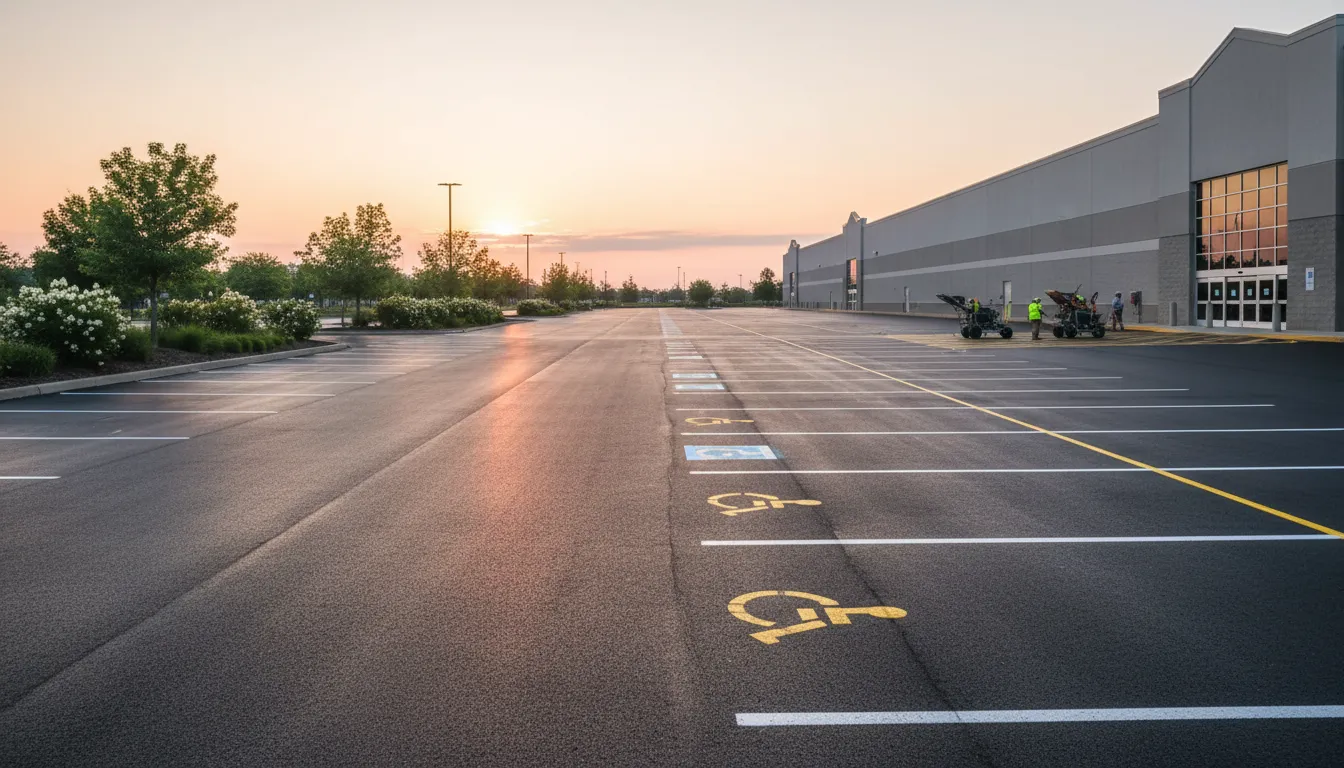
Find the Best Parking Lot Striping Companies for Your Business
No obligation • Fast responses • Nationwide coverage
Why you can trust Tidy Parking
Tidy Parking is a leading U.S. source for parking lot maintenance services, including striping, sealcoating, sweeping, paving, resurfacing, and repairs. Our content is created independently, and providers cannot pay to influence ratings or recommendations.
Search providers near you
Top Parking Lot Striping Companies in Tinley Park, Illinois Ranked
A well-striped parking lot is more than just paint on pavement; it's a critical system for safety, accessibility, and efficient traffic flow. Proper parking lot marking ensures compliance with local and state regulations, minimizes liability, and provides a positive first impression for your business. For property managers and business owners in Tinley Park, navigating the specific requirements for line painting, ADA stalls, and fire lane marking is essential. This guide will help you understand the local codes, typical project scopes, and how to connect with qualified local professionals to get the job done right.
Big Joe's Sealcoating
6563 Fernwood Dr, Lisle, IL 60532
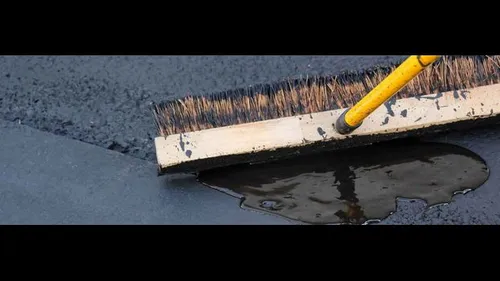
Big Joe's Sealcoating is a parking lot striping, sealcoating, and repair company serving Chicago, IL, and the Western Suburbs. They specialize in residential and commercial asphalt maintenance, using soft brushes for thicker sealant application to protect driveways and parking lots from weather damage. The company also offers line striping for parking lots and basketball courts with high-quality paint products. Since 2010, Big Joe's Sealcoating has built a reputation for adhering to strict industry standards and providing durable, long-lasting asphalt protection. They provide follow-up support around the clock.
Kingdom Sealcoating
15324 Le Claire Ave, Oak Forest, IL 60452
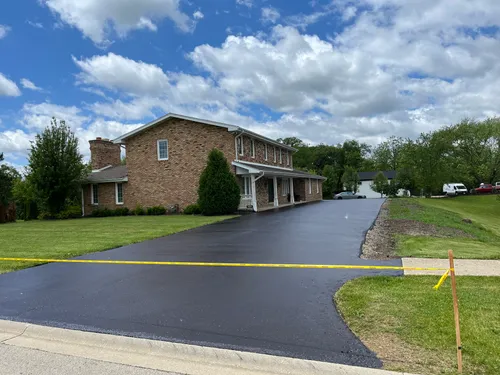
Kingdom Sealcoating is a parking lot striping, sealcoating, and repair company serving Chicago, IL. Established in 2001 as a second-generation business, it provides asphalt maintenance services including sealcoating, crack filling, pothole patching, and striping for both residential driveways and commercial parking lots. With over 20 years of experience in the Chicagoland area, Kingdom Sealcoating focuses on protecting and enhancing asphalt surfaces to extend their lifespan and improve appearance.
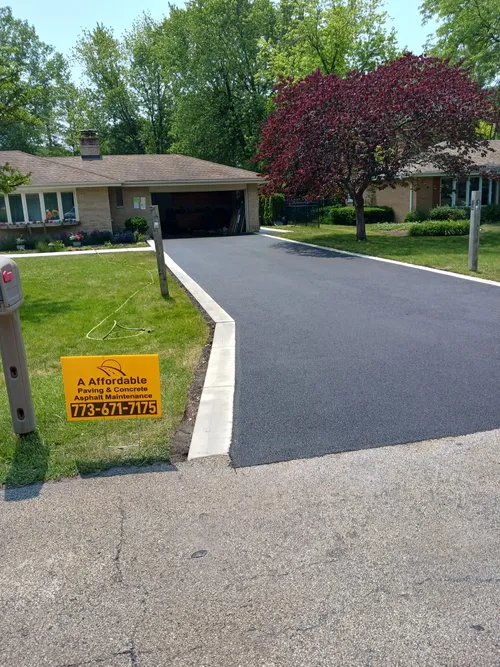
A Affordable Paving & Sealcoating
Chicago, IL
A Affordable Paving & Sealcoating is a parking lot paving and maintenance company based in Chicago, IL. They provide a range of services including asphalt paving, sealcoating, crack filling, striping, milling, patching, and concrete repairs for commercial and industrial parking lots. The company also handles concrete flatwork, curbs, stairs, patios, and resurfacing. With over 10 years of experience, they use professional equipment and quality materials to ensure durable and long-lasting results. Their sealcoating service protects pavement from sun damage and moisture, helping to extend the life of paved surfaces. A Affordable Paving & Sealcoating serves Chicago and surrounding suburbs, including areas like Des Plaines, Mount Prospect, Park Ridge, and more.
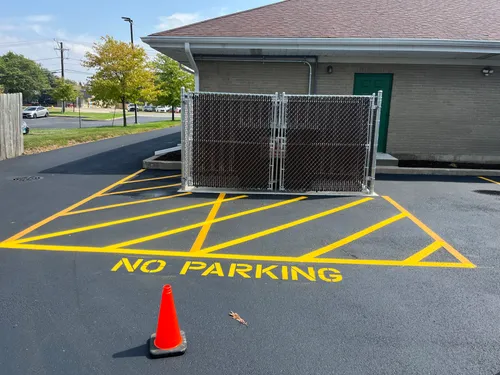
D & M Striping
3636 W 115th St, Chicago, IL 60655
D & M Striping is a parking lot striping company based in Chicago, IL. Founded in 1985 by David McVey, the company offers custom professional striping services that go beyond traditional parking facilities. With a strong client portfolio and over 50 repeat customers, D & M Striping is experienced in delivering quality striping and numbering for both parking garages and outdoor lots.
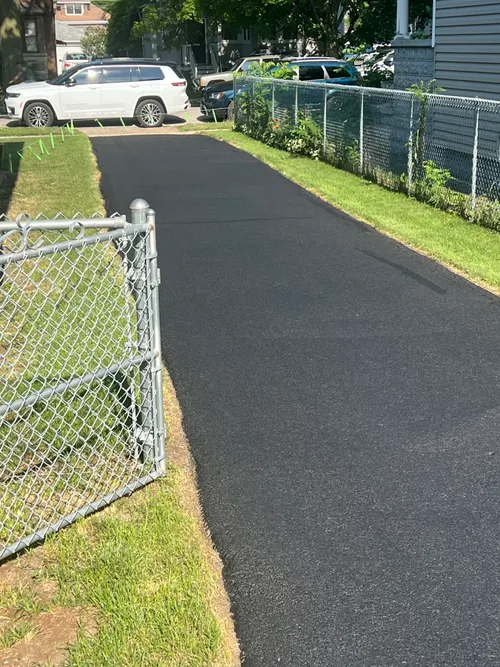
JM Asphalt Sealcoating
7516 W Bryn Mawr Ave, Chicago, IL 60631
JM Asphalt Sealcoating is a parking lot maintenance and repair company based in Chicago, IL. They provide a range of services including sealcoating, striping, crack filling, patching, and resurfacing for both residential and commercial asphalt surfaces. Their work includes applying polymer emulsion sealers and using hot and cold mix asphalt for repairs to extend the life of pavement and protect it from damage caused by water and wear. JM Asphalt Sealcoating emphasizes using the right equipment to ensure durable repairs and professional-looking striping that enhances lot safety and appearance.
Understanding Tinley Park's Striping Regulations
Parking lot line painting in Tinley Park is governed by both the Village Code and the Illinois Accessibility Code. Compliance isn't optional-it's a legal requirement that protects property owners from fines and lawsuits. The village has clear specifications to ensure lots are safe and accessible for everyone.
Key regulations include mandatory line widths and colors. All parking lines must be a minimum of 4 inches wide. The color is also specified: yellow paint is required for all accessible parking stall markings and to denote safety hazards, while white is typically used for standard parking space lines and directional arrows 1. Understanding these basics is the first step in planning any lot marking or restriping project.
ADA and Accessible Parking Requirements
Creating an accessible parking environment is a top priority. In Illinois, accessible spaces must be located on the shortest accessible route to the building entrance. The design requirements are precise: each accessible space must provide a total width of 16 feet, which includes the parking stall itself plus an adjacent access aisle that is 5 to 8 feet wide. This aisle, which must be marked with diagonal stripes, is crucial for van lifts and wheelchair access.
Signage is equally important. Each accessible space must be identified with the International Symbol of Accessibility. Furthermore, a sign noting the legal penalty for illegal parking-a minimum fine of $250 in Illinois-must be posted and maintained at least 4 feet above the ground adjacent to the space 2. Properly marking and signing these spaces is not just about compliance; it's about providing equitable access.
Fire Lane Marking and Safety Zones
Fire lane striping is a critical safety measure. It is illegal to park or leave a vehicle standing in a designated fire lane in Tinley Park 3. Property owners are responsible for installing and maintaining clear "NO PARKING FIRE LANE" signs, which must be spaced no more than 200 feet apart throughout the lane 3. The pavement within the fire lane must also be clearly marked, typically with bold red paint or large stenciled lettering.
These markings ensure emergency vehicles have unobstructed access to buildings and fire hydrants at all times. Regular maintenance of these stripes and signs is required, as faded markings can lead to non-compliance and, more importantly, delayed emergency response.
The Parking Lot Striping Process
A professional parking lot marking project involves more than just applying paint. It starts with a thorough site assessment. A qualified contractor will evaluate the current pavement condition, measure the lot layout, and identify any necessary repairs to the asphalt or concrete before paint is applied. This planning phase ensures the new layout maximizes space and complies with all dimensional requirements for stall sizes and drive aisles.
Next comes surface preparation. For a long-lasting result, the pavement must be clean, dry, and free of oil, dirt, and old, flaking paint. This often involves power washing and may include minor crack repair. Only on a properly prepared surface will the new thermoplastic or water-based paint adhere correctly. The actual striping is then done using specialized equipment to ensure straight, crisp lines and perfectly formed symbols like handicap icons or directional arrows.
Find the perfect parking lot striping companies for your needs
Get personalized recommendations and expert advice
Cost Considerations for Striping Projects
The cost of parking lot painting in Tinley Park varies based on the project's scale, the type of paint used, and the complexity of the layout. Understanding typical price ranges can help you budget effectively.
- Per-Stall Cost: Painting standard parking stall lines typically ranges from $2.50 to $5.00 per individual stall.
- ADA Symbol Cost: Adding the required blue handicapped symbol to an accessible stall generally costs an additional $30 to $60 per symbol, on top of the line painting cost for the stall and aisle.
- Fire Lane Marking: Stenciling "FIRE LANE" or "NO PARKING" on the pavement usually costs between $1.00 and $2.00 per linear foot.
- Full Lot Restriping: For a complete lot restripe, contractors often price by the linear foot of paint applied. Rates commonly fall between $0.15 and $0.40 per linear foot 4. For a small to medium-sized lot, a full restriping project can often average between $1,000 and $2,500 in total 4.
These are estimates, and obtaining detailed quotes from local professionals is the best way to get an accurate price for your specific property.
Maintenance and Longevity of Lot Markings
Parking lot paint is subjected to constant UV exposure, weather, and tire friction. Over time, even the highest-quality markings will fade. A general rule is to plan for restriping every 1 to 2 years for lots with high traffic volume. For lots with lighter use, markings may remain clearly visible for 18 to 24 months.
Regular inspections are key. Look for fading, especially in high-traffic areas like stop bars and crosswalks. Check that all ADA symbols and fire lane markings remain fully legible. Proactive maintenance through repainting is far more cost-effective than dealing with fines for non-compliance or accidents caused by confusing lot navigation. Many property managers schedule restriping as part of a broader pavement maintenance plan that includes sealcoating and crack repair.
Permits and Professional Guidance
A common question is whether a permit is required for parking lot striping. For simple restriping that does not alter the number of spaces or the traffic flow pattern, the Village of Tinley Park generally does not require a permit. However, if your project involves reconfiguring the layout, adding or removing spaces, or modifying access points, you may need site plan approval.
This is where working with an experienced local contractor is invaluable. Reputable pavement marking companies are familiar with Tinley Park's codes and the Illinois Accessibility Code. They can help you design a compliant layout, advise on permit needs, and ensure the final application meets all legal standards for width, color, and placement. Their expertise helps you avoid costly mistakes and ensures your property is safe, functional, and legally sound.
Frequently asked questions
Sources
Footnotes
-
Basic Guide to Parking Lot Striping - Traffic Safety Store - https://www.trafficsafetystore.com/blog/guide-to-parking-lot-striping/ ↩
-
Accessible Parking For People with Disabilities - https://illinoisattorneygeneral.gov/Page-Attachments/accesspkg_brochure_english.pdf ↩
-
CHAPTER 74: PARKING LOTS; PARKING AND FIRE LANE REGULATIONS; VIOLATION PROCEDURE - https://codelibrary.amlegal.com/codes/tinleypark/latest/tinleypark_il/0-0-0-83079 ↩ ↩2
-
Parking Lot Striping Resource Guide | Schaumburg, IL - https://www.villageofschaumburg.com/government/community-development/permit-services/commercial-permits/parking-lot-striping-resource-guide ↩ ↩2