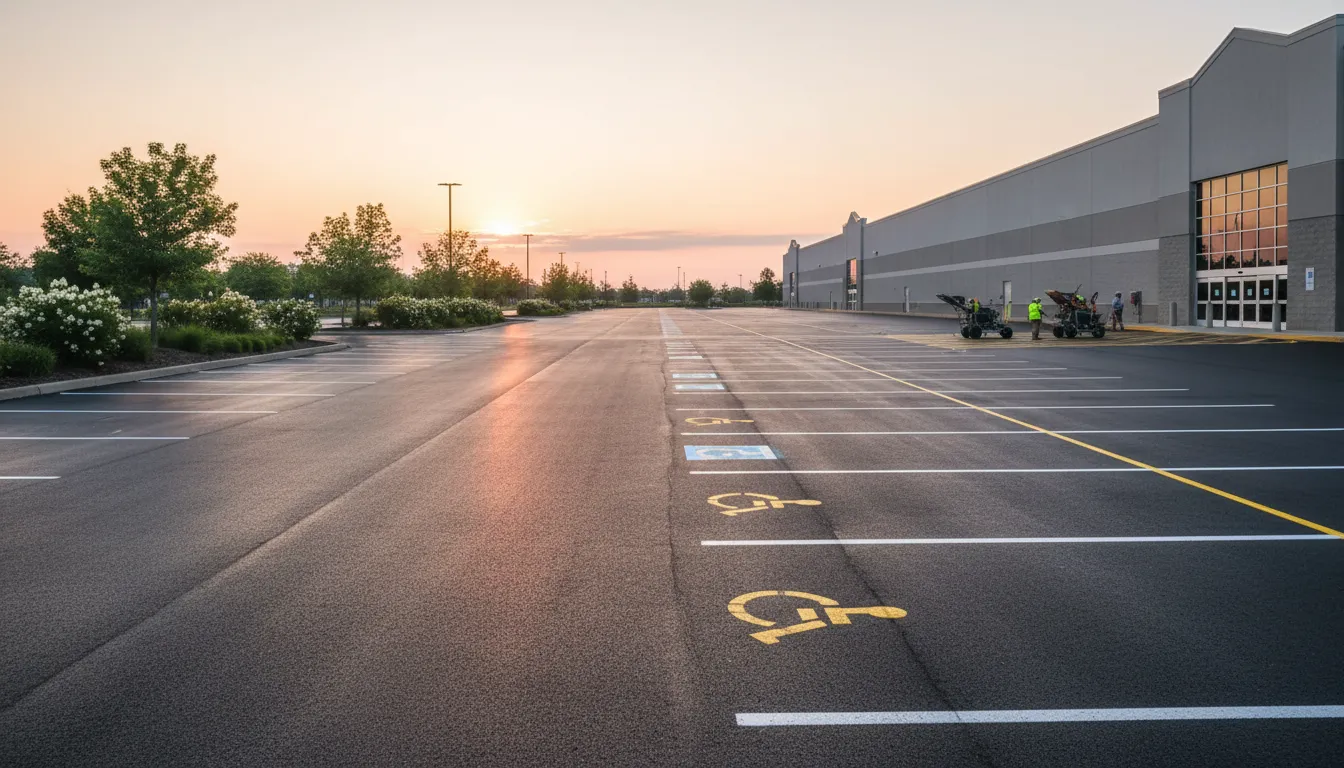
Find the Best Parking Lot Striping Companies for Your Business
No obligation • Fast responses • Nationwide coverage

Why you can trust Tidy Parking
Tidy Parking is a leading U.S. source for parking lot maintenance services, including striping, sealcoating, sweeping, paving, resurfacing, and repairs. Our content is created independently, and providers cannot pay to influence ratings or recommendations.
Search providers near you
Top Parking Lot Striping Companies in Santa Monica, California Ranked
Maintaining clear, compliant, and durable pavement markings is a critical aspect of property management in Santa Monica. Proper parking lot striping, also known as line painting or pavement marking, ensures safety, maximizes space efficiency, and is a legal requirement under state and local codes. For business owners, property managers, and HOA boards, navigating the specific regulations for stall dimensions, accessible spaces, and fire lane markings can be complex. This guide explains the key standards, typical costs, and best practices for parking lot line striping in Santa Monica, helping you understand what's required to keep your property safe and compliant.
G-FORCE Parking Lot Striping of SoCal
Los Angeles, CA
G-FORCE Parking Lot Striping of SoCal is a veteran-owned company based in Los Angeles, CA, specializing in parking lot striping and pavement marking services. They serve Southern California with a range of services including parking lot line painting, warehouse floor markings, parking lot sign installation, athletic field markings, and ADA parking compliance. Using Sherwin-Williams premium traffic paints and advanced striping equipment, they aim to deliver durable and precise markings. The owner, Mary Morrison, brings a military background and over 20 years of experience to the business, which emphasizes quality, safety, and customer satisfaction.
Bay Cities Paving Inc
931 Mahar Avenue, 1314 North Avalon Boulevard Ste A, Wilmington, CA 90744
Bay Cities Paving Inc is a family-owned asphalt and concrete contractor serving Los Angeles, CA, with over 40 years of experience. They provide a range of services including parking lot paving, resurfacing, sealcoating, striping, and repair for commercial, industrial, and residential properties. The company handles projects from shopping malls and restaurants to single-family driveways, applying expert techniques and quality materials to ensure durable results. Established in 1984, Bay Cities Paving also offers sign installation services and educational seminars for property managers to address safety concerns.
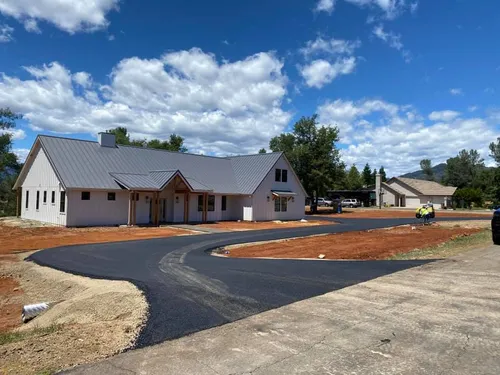
Blue Diamond Inglewood Asphalt
2021 W Gaylord St, Long Beach, CA 90813
Blue Diamond Inglewood Asphalt is a parking lot and driveway contractor based in Long Beach, CA. They provide a range of asphalt services including paving, patching, striping, sealcoating, resurfacing, and repairs tailored to commercial and residential properties. Their team uses high-quality materials and modern equipment to ensure durable and smooth asphalt surfaces. The company emphasizes safety on job sites and offers free consultations to help clients plan their projects. Their expertise includes asphalt paving and sealcoating, which protect and extend the life of paved surfaces.
All Star Paving Co
Los Angeles, CA
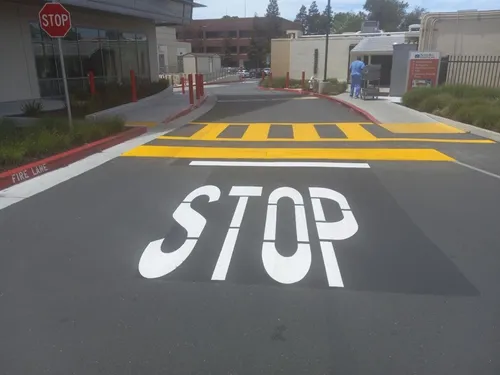
All Star Paving Co is an asphalt contractor based in Los Angeles, CA, serving Pasadena and surrounding areas. They offer a range of services including asphalt paving, patching, striping, sealcoating, and driveway and parking lot construction. With over 20 years of experience, they focus on durable workmanship using premium materials and modern equipment. Their expertise includes asphalt patching to repair potholes and cracks, ensuring safety and longevity. The company is licensed and insured, emphasizing quality and long-term value in their projects.
Rose Paving
10200 Matern Pl, Santa Fe Springs, CA 90670
Rose Paving is a commercial paving company serving Los Angeles, CA, with over 50 years of industry experience. The company specializes in parking lot maintenance, including asphalt and concrete repairs, crack sealing, sealcoating, and lot marking with ADA compliance. Rose Paving combines local expertise from its Los Angeles division, which has operated for 30 years, with the resources of a national brand to provide durable and regulation-compliant pavement solutions tailored to the region's climate and traffic demands.
Understanding Santa Monica's Striping Regulations
Parking lot markings in Santa Monica are governed by a combination of the California Building Code (CBC) Title 24 and local municipal standards. These regulations are not mere suggestions; they are enforceable codes designed to ensure safety, accessibility, and orderly traffic flow. Non-compliance can result in significant fines, particularly for violations related to accessible parking. The city's own Parking Standards document provides further guidance on layout and design. Adhering to these rules protects you from liability and creates a safer environment for all users.
Standard Stall Dimensions and Layout
The foundation of any lot is its standard parking stalls. In California, the typical stall width is 9 feet, with a minimum allowable width of 8.5 feet in certain contexts. Standard stall depth is usually 18 to 20 feet. These stalls must be clearly defined with 4-inch wide white lines. Proper layout is essential for maximizing capacity while ensuring vehicles can maneuver safely. Over time, these white lines will fade to a gray color, which is a clear indicator that restriping is necessary to maintain visibility and compliance.
Accessible Parking Space Requirements
ADA-compliant striping is one of the most detailed and important aspects of the code. Accessible spaces are not just painted differently; they have specific dimensional and marking requirements.
- Dimensions: A standard accessible space must be at least 9 feet wide, with an adjacent 5-foot wide access aisle. For van-accessible spaces, the requirement increases to a 12-foot wide stall with an 8-foot wide access aisle 1.
- Markings: The stall itself is outlined in blue paint. The crucial access aisle must be marked with diagonal blue or white hatched lines to clearly indicate it is a no-parking zone reserved for wheelchair lifts and ramps.
- Symbol: A 36-inch by 36-inch International Symbol of Accessibility must be painted in white on a blue background at the head of the stall.
- Signage: While not part of the striping itself, each accessible space requires a posted sign with the international symbol and the phrase "Minimum Fine $250," typically mounted 60 inches above the ground 2 3. The striping contractor often coordinates with sign installers to ensure a compliant setup.
Critical Safety Markings: Fire Lanes and Crosswalks
Safety markings are non-negotiable. Fire lanes must be painted solid red and include the white lettering "NO PARKING FIRE LANE" at regular intervals, as specified in the California Vehicle Code. These lanes ensure emergency vehicles have unimpeded access at all times. Similarly, pedestrian crosswalks must be highly visible, using 4-inch solid or dashed white lines, and are often supplemented with hatched markings or high-visibility thermoplastic tape to alert drivers.
Find the perfect parking lot striping companies for your needs
Get personalized recommendations and expert advice
Material Selection and Project Costs
Choosing the right material impacts the longevity and cost-effectiveness of your striping project. In Santa Monica's coastal environment, durability is key.
Types of Pavement Marking Paint
- Traffic Paint (Water-Based): A common and economical choice for standard lots. It dries quickly but may wear faster under heavy traffic.
- High-Solids Traffic Paint: Often recommended for commercial lots, this paint contains more solids (pigments and resins), resulting in a thicker, more durable coating that withstands tire abrasion and weather better.
- Thermoplastic: A premium material that is heated and applied as a molten plastic. It is extremely durable and highly reflective, making it ideal for high-traffic areas like crosswalks, stop bars, and arrows. Glass beads are frequently mixed into the paint or applied on top while wet to create immediate reflectivity for night-time visibility.
Estimated Cost Ranges for Striping in Santa Monica
Parking lot striping costs are typically quoted per linear foot for lines or as a total project price based on the number of stalls and the complexity of the layout. Local contractors in Santa Monica often provide estimates based on these general project scales 4 5:
- Small Lot (20-40 spaces): $1,100 - $2,600
- Medium Lot (40-100 spaces): $2,600 - $6,500
- Large Lot (100-200+ spaces): $6,500 - $15,000+
The final price depends on the current condition of the pavement (which may need cleaning or repairs first), the type of paint selected, the number of specialized markings (like ADA hatched aisles or stencils), and the overall square footage of the lot.
The Striping Process and Maintenance Schedule
A professional striping job involves more than just painting over old lines. A quality process ensures longevity and compliance.
Steps in a Professional Striping Project
- Site Assessment & Layout: A contractor will measure your lot, note existing conditions, and plan the new layout to optimize space and ensure it meets all code requirements.
- Surface Preparation: The pavement must be clean, dry, and free of oil, dirt, and loose debris. Power washing or blowing is often necessary.
- Removal of Old Markings: If old lines are thick, raised, or incorrectly placed, they may need to be removed via grinding or sandblasting to prevent confusion.
- Staking & Chalking: The new layout is physically marked on the pavement as a guide.
- Application: Using professional spray equipment, the contractor applies the paint according to the planned layout. Stencils are used for symbols like the accessibility icon, handicap logos, and directional arrows.
- Curing: The area is coned off to allow the paint to dry fully, which can take a few hours depending on weather conditions.
How Often Should You Restripe?
There is no one-size-fits-all schedule, as wear depends on traffic volume, sun exposure, and weather. A general best practice is to inspect lines annually and plan for restriping every 1 to 2 years to maintain optimal visibility and compliance 6 7. Faded, cracked, or missing markings are a sign that your lot needs attention. Proactive maintenance is more cost-effective than dealing with fines or accidents caused by poor visibility.
Beyond Striping: Related Pavement Markings
A complete pavement marking plan includes several other elements defined by color:
- White Curb: Indicates a passenger loading zone, often near building entrances 8.
- Yellow Curb & Lines: Designates commercial loading zones or areas where parking is temporarily restricted 9.
- Blue Curb: Exclusively for disabled person parking, always accompanied by the proper stall striping and signage.
- Red Curb: As mentioned, denotes a fire lane with strict no-parking rules 10.
- Green Curb: May indicate limited-time parking, though this is less common.
Ensuring all these elements are correctly applied and maintained is part of a comprehensive approach to property safety and management.
Frequently asked questions
Sources
Footnotes
-
Parking Code Regulations California Building Code (CBC) Title 24 ... - https://www.dgs.ca.gov/-/media/Divisions/CCDA/Tabs/Meetings/Meetings-Before-2023/Checklist-Committee-Meetings/Checklist-Committee-Meetings-2020/Item-7A---Parking-Code-Regulations-Accessible.pdf ↩
-
ADA Striping Los Angeles | 2026 Compliance Guide - https://bowmanparkinglotstriping.com/ada-striping-los-angeles-2026-compliance-guide-avoid-4000-fines/ ↩
-
Parking Lot Striping & ADA Compliance: What to Know - https://brixco.co/parking-lot-striping-ada-compliance/ ↩
-
Parking Lot Striping Standards in California: Stall Sizes, Blue ... - https://www.retemple-painting.com/painting-articles/parking-lot-striping-standards-california-stall-sizes-blue-curb-fire-lanes ↩
-
Parking lot Striping Santa Monica - https://bowmanparkinglotstriping.com/parking-lot-striping-santa-monica/ ↩
-
Complete Guide to Parking Lot Striping in California - https://bowmanparkinglotstriping.com/complete-guide-to-parking-lot-striping-in-california/ ↩
-
Parking Lot Line Striping Requirements | ABC Paving & Sealcoating - https://pavingandsealcoating.com/parking-lot-line-striping-requirements/ ↩
-
California ADA Parking Requirements 2025 Guide - ADA Striping - https://ada-striping.com/ada-parking-requirements/ ↩
-
Parking Standards - Santa Monica - https://www.santamonica.gov/media/Document%20Library/Topic%20Explainers/Planning%20Resources/ParkingStandards_2022.pdf ↩
-
Standard for Fire Lane Marking - SRCity.org - https://www.srcity.org/DocumentCenter/View/38994/Fire-Lane-Marking ↩