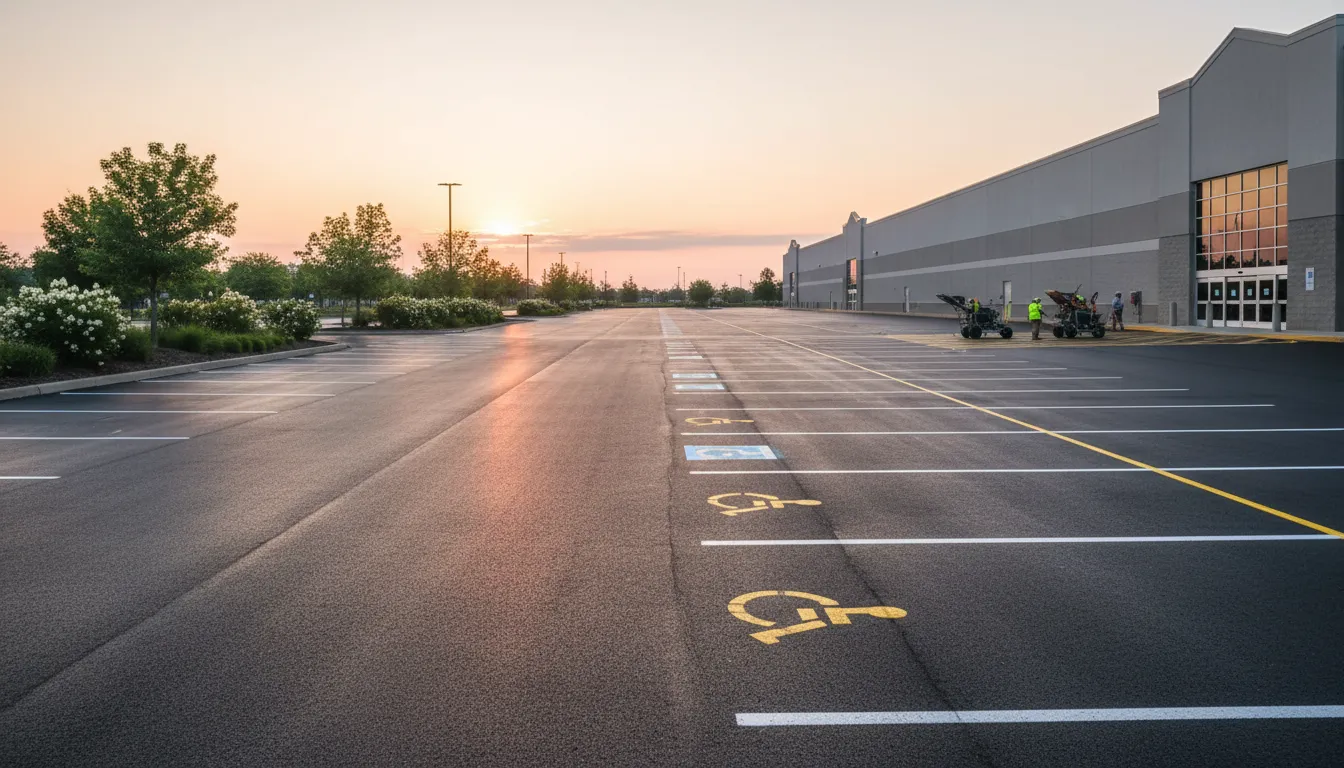
Find the Best Parking Lot Striping Companies for Your Business
No obligation • Fast responses • Nationwide coverage
Why you can trust Tidy Parking
Tidy Parking is a leading U.S. source for parking lot maintenance services, including striping, sealcoating, sweeping, paving, resurfacing, and repairs. Our content is created independently, and providers cannot pay to influence ratings or recommendations.
Search providers near you
Top Parking Lot Striping Companies in Laguna Niguel, California Ranked
Maintaining clear, compliant pavement markings is a critical aspect of property management and public safety in Laguna Niguel. Proper parking lot striping and pavement marking not only organize traffic flow and maximize space but are also a legal requirement, with strict standards set by California and federal law. This guide explains the key regulations, best practices, and local considerations for line striping in Laguna Niguel, helping property owners and managers understand their obligations and connect with qualified professionals for this essential maintenance.
Alliance Paving Inc.
2201 E Winston Rd E, Anaheim, CA 92806
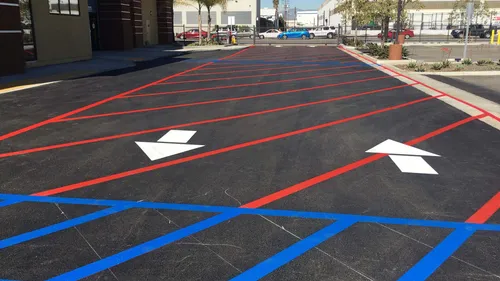
Alliance Paving Inc. is a paving and maintenance company based in Los Angeles, CA, serving Orange, Los Angeles, Riverside, San Bernardino, and San Diego counties. They specialize in commercial parking lot services including asphalt repair, sealcoating, striping, and complete pavement replacements. With over 20 years of experience, Alliance Paving focuses on extending pavement life through regular maintenance and offers coordinated project management to minimize business interruptions.
City Service Asphalt
769 Beverly Rd, Corona, CA 92879
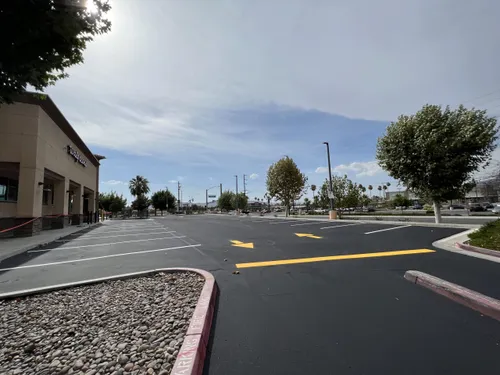
City Service Asphalt is a family-owned paving company serving Los Angeles, CA, and Southern California with over 25 years of experience. They provide commercial and residential asphalt and concrete paving services, including parking lot striping, sealcoating, resurfacing, crack sealing, and ADA-compliant access improvements. The company handles projects of all sizes, from small repairs to large-scale commercial parking lots, using commercial-grade materials and in-house crews to ensure quality and durability. City Service Asphalt also offers asphalt overlay and removal services to restore and maintain pavement surfaces effectively. Their operations cover a broad range of clients, including retail centers, multifamily units, schools, and public works.
Alpha Asphalt
Stockton, CA
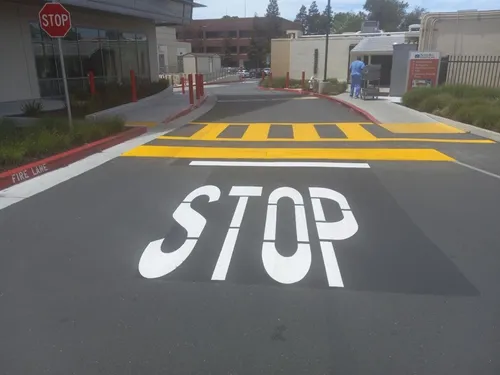
Alpha Asphalt is a full-service asphalt contractor based in Stockton, CA, specializing in parking lot paving, striping, sealcoating, and repair for both commercial and residential clients. They provide durable asphalt surfaces, precise striping, and protective sealcoating to enhance and maintain pavement quality. The company is known for using industry-grade materials and advanced equipment to deliver long-lasting results. Alpha Asphalt is a family-run business with a focus on clear communication and dependable scheduling.
Bay Cities Paving
Long Beach, CA
Bay Cities Paving is a parking lot paving and repair company serving Long Beach, CA, and surrounding Orange County communities. With over 30 years of experience, they provide comprehensive asphalt and concrete services including parking lot striping, sealcoating, resurfacing, and repair. Their expertise covers residential, commercial, and industrial properties, with capabilities such as asphalt milling, crack sealing, and ADA-compliant parking lot paving. The company emphasizes local knowledge of Southern California's climate and soil conditions to deliver durable pavement solutions. Bay Cities Paving offers emergency services and weekend consultations by appointment.
Valley Paving
Anaheim, CA
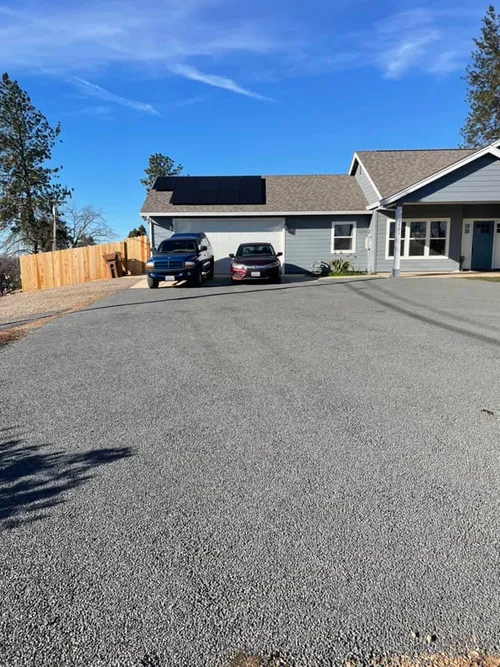
Valley Paving is an asphalt contractor based in Anaheim, CA, providing a range of services including asphalt paving, patching, striping, sealcoating, resurfacing, and parking lot repair. The company serves both residential and commercial clients, focusing on durable and long-lasting asphalt solutions tailored to local climate and traffic conditions. Valley Paving uses high-quality materials and advanced equipment to ensure precise and efficient work. Their expertise covers everything from driveways to large parking lots, with personalized service throughout each project.
Understanding Local & State Regulations
In Laguna Niguel, all parking lot layout and striping work is governed by a combination of state and local codes. The primary authority is the California Building Code (CBC) Title 24, which incorporates the federal Americans with Disabilities Act (ADA) standards. Locally, the City's Community Development Director must review and approve any modifications to an existing parking facility's layout, including changes to the number of spaces, stall dimensions, or aisle widths. This means you cannot simply restripe a lot to add more spaces without going through the proper city review process.
Compliance is not optional. Failure to meet these standards can lead to significant liability. In California, ADA violations can result in statutory damages starting at $4,000 per violation, plus attorney's fees. Furthermore, non-compliant markings can create safety hazards and reduce the functionality and value of your property.
ADA & Accessible Parking Requirements
A major component of parking lot marking involves accessible spaces. The requirements are precise and must be followed exactly.
Space and Aisle Dimensions:
- Standard Accessible Space: Must be at least 9 feet (108 inches) wide.
- Access Aisle: A 5-foot (60-inch) wide access aisle must be adjacent to the space. This aisle is part of the accessible route and cannot be used for parking.
- Van-Accessible Space: At least one of every six accessible spaces must be van-accessible. These require an 8-foot (96-inch) wide access aisle, with the parking space itself being a standard 9 feet wide, or a combined 12-foot wide space with a 5-foot aisle 1 2. They must be marked "Van Accessible."
Markings and Signage:
- Ground Symbol: The International Symbol of Accessibility (ISA) must be painted on the ground within each stall. The standard is a 36-inch by 36-inch white symbol on a blue background.
- Access Aisle Markings: The access aisle must be clearly marked with diagonal hatch marks or the words "NO PARKING" to prevent obstruction.
- Vertical Signage: Each accessible space must also have a posted sign mounted at least 60 inches from the ground to the sign's bottom. The sign must display the ISA and the phrase "Minimum Fine $250" 3 4.
Location and Slope: Accessible spaces must be located on the shortest accessible route to the building entrance. The surface slope in the space and access aisle cannot exceed 2% in any direction to ensure stability for wheelchair users 5 6.
Fire Lane and Safety Markings
Fire lane striping is a critical safety feature. California fire code mandates that fire lanes be clearly identifiable to ensure emergency vehicle access is never blocked.
- Curb Painting: Fire lanes require red curb painting. The curb must be painted solid red.
- Stencil Text: White stencil text reading "FIRE LANE - NO PARKING - CVC 22500.1" must be applied on the curb or the pavement surface adjacent to the lane 7.
- Frequency and Visibility: This text must be repeated every 25 to 50 feet for clear visibility and must be repainted as soon as it shows significant fading.
- Lane Width: Fire lanes must maintain a minimum unobstructed width, typically between 20 and 26 feet, as determined by the local fire authority 8.
Standard Stall and Traffic Markings
Beyond accessible spaces, general lot layout has its own set of standards to ensure safety and efficiency.
- Stall Dimensions: A standard full-size parking stall is typically 9 feet by 18 feet. Compact stalls, which must be clearly labeled with the word "COMPACT" painted on the surface, can be smaller, often 8 feet by 16 feet 9.
- Aisle Width: Driving aisles must be wide enough to accommodate traffic flow. For two-way traffic, aisles are commonly 24 feet wide, while one-way aisles can be 12-15 feet wide.
- Crosswalk "Daylighting": A new California law (AB 413) prohibits parking within 20 feet of the approach side of any crosswalk, marked or unmarked. This "daylighting" rule is designed to increase pedestrian visibility and safety. In areas with a curb extension, the no-parking zone is 15 feet 10.
- Overhang Areas: Local ordinances, like Laguna Niguel's, may allow for a vehicle overhang of up to 18 inches into a landscaped area, provided the stall is adjacent to it 11.
Find the perfect parking lot striping companies for your needs
Get personalized recommendations and expert advice
The Striping Process and Material Considerations
Professional parking lot striping involves more than just paint. The process typically starts with a thorough site evaluation to assess pavement condition, measure the existing layout, and plan for compliance. Old, faded markings are often removed via grinding or water blasting to create a clean surface.
High-quality, fast-drying traffic paint or more durable thermoplastic is then applied using specialized striping machines. Thermoplastic is melted and applied hot, creating a much thicker, longer-lasting line that is highly reflective when glass beads are added. For longevity and visibility in Laguna Niguel's sunny climate, the use of reflective beads mixed into the paint or applied on top is a standard best practice.
Cost Factors for Parking Lot Striping
The cost of line striping is influenced by the scope of work, the materials used, and the complexity of the layout. Contractors often provide estimates based on linear footage or a per-stall price.
- Line Painting: Standard 4-inch line striping typically ranges from $0.20 to $0.30 per linear foot 12.
- Curb Painting: Painting curbs for fire lanes (red) or loading zones (yellow) averages around $0.75 per linear foot due to the detailed handwork involved.
- Special Markings: Applying a handicap logo with its blue background costs approximately $25.00 each. Directional arrows, letters, or symbols like "COMPACT" are roughly $10.00 each 13.
- Material Upgrades: Opting for longer-lasting thermoplastic will increase the initial cost but can extend the time between restriping projects significantly.
Regular maintenance, including sealcoating the asphalt before restriping, is crucial. New paint will not adhere properly to failing, oxidized pavement and will chip and fade quickly. A comprehensive approach that includes pavement repair and sealing ensures your investment in striping lasts.
Maintaining Your Striping and Ensuring Ongoing Compliance
Parking lot markings degrade over time due to sun exposure, weather, and traffic wear. Faded lines are not just an eyesore; they are a compliance and safety risk. Property owners should implement a routine inspection schedule to check for wear.
Key things to monitor include the clarity of all symbols and text, the brightness of reflective elements, and the condition of accessible space markings and signage. Proactive restriping on a 1-2 year cycle, depending on traffic volume, is more cost-effective than dealing with fines or accident liabilities. Always keep records of your striping projects and any city permits or approvals, as this demonstrates a good-faith effort to maintain compliance 14.
Frequently asked questions
Sources
Footnotes
-
Accessible Parking - ADA National Network - https://adata.org/factsheet/parking ↩
-
California ADA Parking Requirements 2025 Guide - ADA Striping - https://ada-striping.com/ada-parking-requirements/ ↩
-
Parking Code Regulations California Building Code (CBC) Title 24 Part 2 - https://www.dgs.ca.gov/-/media/Divisions/CCDA/Tabs/Meetings/Meetings-Before-2023/Checklist-Committee-Meetings/Checklist-Committee-Meetings-2020/Item-7A---Parking-Code-Regulations-Accessible.pdf ↩
-
Parking Lot Safety Standards in California - https://bowmanparkinglotstriping.com/parking-lot-safety-standards-in-california/ ↩
-
What are the Requirements for ADA Parking in California? - https://www.welovepaving.com/what-are-the-requirements-for-ada-parking-in-california/ ↩
-
Parking Lot Striping & ADA Compliance: What to Know - https://brixco.co/parking-lot-striping-ada-compliance/ ↩
-
Parking Lot Striping FAQ - https://bowmanparkinglotstriping.com/parking-lot-striping-faq/ ↩
-
PL 07-03: Fire Department, Emergency Access Roadways and ... - https://www.dgs.ca.gov/-/media/Divisions/DSA/Publications/policies/PL_07-03.pdf ↩
-
Chapter 17.62 OFF-STREET PARKING REGULATIONS - https://www.codepublishing.com/CA/FosterCity/html/FosterCity17/FosterCity1762.html ↩
-
New CA Daylighting Parking Law (AB 413) - KPPCSD.org - https://www.kppcsd.org/new-ca-daylighting-parking-law-ab-413 ↩
-
SUBARTICLE 6. - PARKING | Code of Ordinances | Laguna Niguel, CA - https://library.municode.com/ca/laguna_niguel/codes/code_of_ordinances?nodeId=TIT9PLZO_DIV1PL_ART2COZOCO_SUBARTICLE_6PA ↩
-
Pavement Marking for Parking Lots in California | GPM - https://www.gpmpavement.com/blog/parking-lot-pavement-marking-guide/ ↩
-
Complete Parking Lot Striping Guide 2025 - ADA Striping - https://ada-striping.com/complete-parking-lot-striping-guide/ ↩
-
Parking Lot Striping Standards: Best Practices for Busy Lots - https://www.themonrazcompany.com/parking-lot-striping-standards ↩