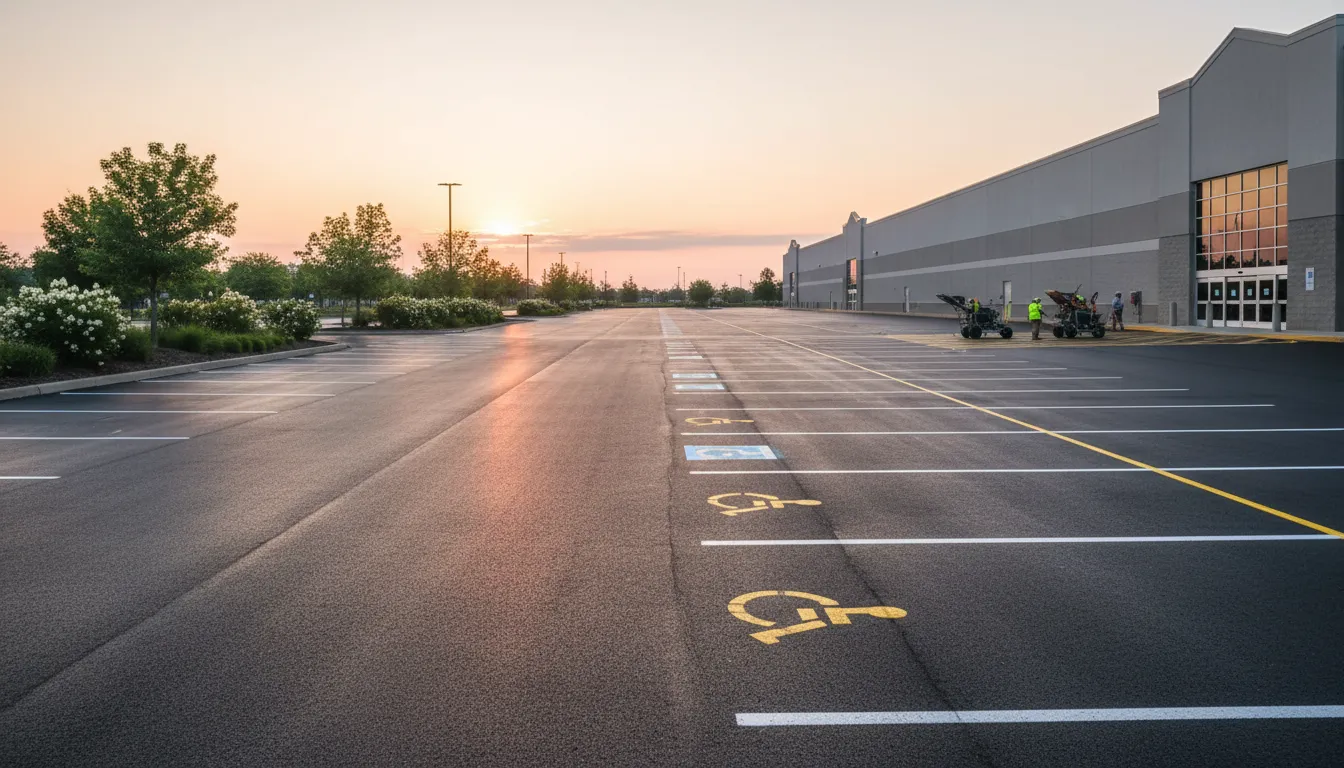
Find the Best Parking Lot Striping Companies for Your Business
No obligation • Fast responses • Nationwide coverage
Why you can trust Tidy Parking
Tidy Parking is a leading U.S. source for parking lot maintenance services, including striping, sealcoating, sweeping, paving, resurfacing, and repairs. Our content is created independently, and providers cannot pay to influence ratings or recommendations.
Search providers near you
Top Parking Lot Striping Companies in Campbell, California Ranked
Maintaining clear, compliant pavement markings is a critical aspect of property management and safety for any business or multi-family residence in Campbell. Proper parking lot striping, also known as line painting or pavement marking, ensures efficient traffic flow, maximizes space, and, most importantly, demonstrates compliance with strict federal, state, and local regulations. This guide details the specific requirements for Campbell, California, helping you understand the standards for ADA-accessible spaces, fire lanes, and general layout, so you can effectively evaluate and discuss your project with local pavement marking professionals.
Charis Paving Co
San Jose, CA
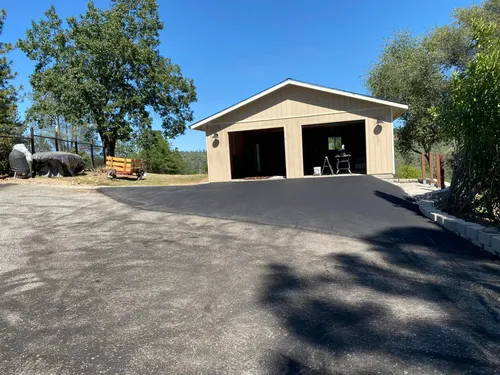
Charis Paving Co is an asphalt contractor based in San Jose, CA, offering a range of services including asphalt paving, patching, striping, sealcoating, and driveway installation. They serve both residential and commercial clients, using quality materials and advanced techniques to ensure durable and reliable pavement solutions. Their expertise covers parking lot paving and maintenance, with a focus on extending the lifespan and functionality of asphalt surfaces. With years of industry experience, Charis Paving Co emphasizes timely project completion and customer satisfaction.
Granite Northwest Grading And Paving
San Jose, CA
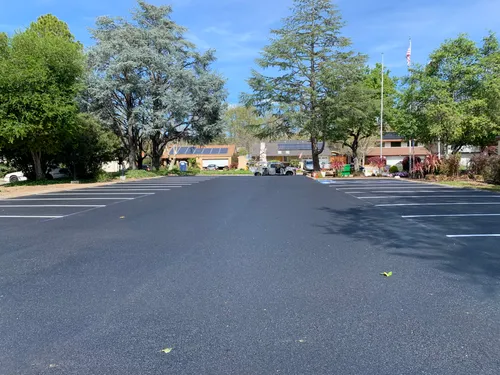
Granite Northwest Grading And Paving is a family-owned paving contractor serving San Jose, CA, with three generations of experience. They provide a wide range of services including asphalt and concrete driveway installations, parking lot paving, repairs, sealcoating, resurfacing, and striping. The company handles both residential and commercial projects, focusing on durable, long-lasting pavement solutions. Their expertise includes parking lot paving and maintenance, ensuring smooth, safe surfaces that meet local regulations. Granite Northwest Grading And Paving emphasizes clear communication and a collaborative approach throughout each project.
Progressive Asphalt Paving
San Jose, CA
Progressive Asphalt Paving is an asphalt contractor serving San Jose, CA, specializing in asphalt paving, patching, striping, sealcoating, and driveway installation. They provide services for residential, commercial, and municipal clients, using premium materials to ensure durable and long-lasting asphalt surfaces. Their expertise includes asphalt patching techniques that restore pavement strength and professional striping that meets regulatory standards. The company emphasizes tailored solutions and transparent pricing based on years of industry experience.
All Things Asphalt Inc
360 Portage Ave, Palo Alto, CA 94306
All Things Asphalt Inc is a locally owned asphalt contractor based in San Jose, CA, offering a full range of asphalt services including paving, patching, striping, sealcoating, and driveway installation. They serve both residential and commercial clients, providing durable and visually appealing asphalt surfaces tailored to the needs of the Palo Alto area. The company uses high-quality materials and advanced equipment to ensure long-lasting results and specializes in parking lot construction and repair with attention to grading and drainage. With years of industry experience, All Things Asphalt Inc focuses on delivering projects on schedule while maintaining quality standards.
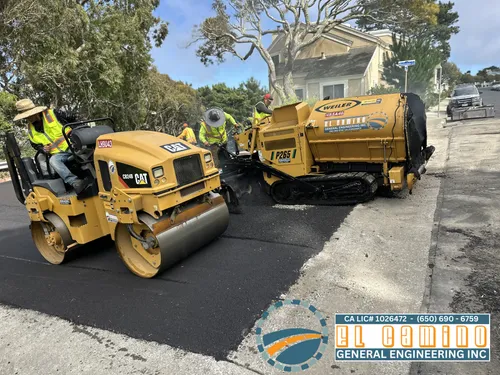
El Camino General Engineering Inc
1212 Camellia Dr, Palo Alto, CA 94303
El Camino General Engineering Inc is a family-owned asphalt paving contractor based in San Jose, CA. They offer a range of services including parking lot striping, sealcoating, paving, resurfacing, and repair for residential, commercial, and municipal properties. Their team specializes in asphalt installation, maintenance, and ADA compliance improvements, using high-quality materials and equipment to ensure durable results. Founded by Israel, who brings over 30 years of local industry experience, the company also benefits from the civil engineering expertise of his son, Edgar. El Camino General Engineering provides innovative solutions tailored to client needs and operates with a focus on clear communication and project efficiency.
Understanding Campbell's Regulatory Landscape
Parking lot striping in Campbell is not a simple matter of painting lines. It is governed by a layered set of codes designed for accessibility and safety. Projects must comply with the federal Americans with Disabilities Act (ADA), the California Building Code (CBC) Title 24 (which often exceeds federal ADA standards), and specific standards enforced by the Santa Clara County Fire Department 1. Non-compliance can result in significant fines, liability issues, and a negative experience for visitors and customers.
Local enforcement means that the details matter. For instance, the Santa Clara County Fire Department designates and inspects fire lanes, and their specific marking requirements must be followed precisely. Similarly, California has unique signage requirements for accessible parking that go beyond the federal ADA. Before any paint is applied, a thorough understanding of these overlapping regulations is essential for a successful striping project.
ADA & California Accessible Parking Requirements
Creating accessible parking is a core component of any striping project. The requirements are detailed and non-negotiable.
Space and Aisle Dimensions:
- Standard Accessible Space: Must be at least 9 feet (108 inches) wide.
- Access Aisle: A 5-foot (60-inch) wide access aisle must adjoin the space. This aisle can be shared between two accessible spaces2 3. The surface must be level, with a slope not exceeding 1:48 (2.08%) in any direction.
- Van-Accessible Space: One out of every six accessible spaces must be van-accessible. These require an 8-foot (96-inch) wide access aisle to accommodate a wheelchair lift 4.
Markings and Stenciling:
- Boundary Lines: Accessible spaces are defined by blue boundary lines.
- Wheelchair Symbol: The International Symbol of Accessibility (ISA) must be painted on the pavement within the stall, typically in a 36-inch by 36-inch size5.
- Access Aisle Marking: The access aisle must be marked with a blue border and the words "NO PARKING" stenciled in white, with letters at least 12 inches high. This is a crucial safety feature to keep the aisle clear.
Signage Requirements (California Specific): Each accessible space must have a posted sign that includes:
- The International Symbol of Accessibility.
- The wording "Minimum Fine $250"6 7. The sign must be mounted so the bottom is at least 60 inches above the ground8.
Fire Lane Marking Standards in Santa Clara County
Fire lanes are vital for emergency vehicle access and are strictly regulated. The Santa Clara County Fire Department provides clear guidelines for their marking.
Curb and Pavement Markings:
- Red Curb: The vertical face of the curb in a fire lane must be painted solid red.
- Stenciling: The legend "FIRE LANE - NO PARKING - CVC 22500.1" must be stenciled on the curb or pavement in white letters at least 3 inches high. This stenciling must be repeated at intervals not exceeding 30 feet.
- Width: Fire apparatus access roads must maintain an unobstructed width of at least 20 feet9.
Signage: In addition to pavement markings, metal signs measuring 12 by 18 inches with the legend "NO STOPPING - FIRE LANE 22500.1 CVC" must be posted. These signs are required at a maximum interval of 50 feet10.
Additional Pavement Marking Considerations
A comprehensive striping plan involves more than just parking stalls and fire lanes.
- Standard Stall and Lane Lines: Typical parking stalls are 9 feet by 18 feet for standard vehicles, with 12- to 15-foot wide driving aisles. Lines are usually white or yellow (for no-parking zones).
- Crosswalks and Pedestrian Paths: Marked crosswalks should be installed where pedestrian routes cross vehicular traffic. An accessible route at least 36 inches wide must connect the parking area to the building entrance, free of obstructions or steep slopes 11.
- Loading Zones: Passenger loading zones, which are also often required to be accessible, need to be at least 96 inches wide and 20 feet long, with a 60-inch access aisle.
- Wheel Stops: These are sometimes installed to prevent vehicles from overhanging and blocking the critical 36-inch accessible pedestrian route12.
Find the perfect parking lot striping companies for your needs
Get personalized recommendations and expert advice
Material Choices and Project Longevity
The longevity of your pavement markings depends heavily on the material used. The two primary options are paint and thermoplastic.
- Traffic Paint: This is the most common and cost-effective material. It is typically oil- or water-based and applied with a striping machine. While economical, it has the shortest lifespan, especially in high-traffic areas or areas with frequent sun exposure.
- Thermoplastic: This is a melted plastic material that is applied hot and bonds to the pavement. It is significantly more durable than paint, with a lifespan often 3-5 times longer. It provides better reflectivity at night and is highly resistant to fuel and oil spills. It is the preferred material for high-traffic commercial lots and areas requiring long-lasting clarity.
The choice between materials affects both the upfront project cost and the long-term maintenance schedule.
Maintenance and Restriping Schedules
Pavement markings fade over time due to traffic wear, UV exposure, and weather. Regular maintenance is not just about aesthetics; it's a safety and compliance issue. Faded fire lane or ADA markings can lead to fines and do not provide the necessary visual cues for drivers and pedestrians.
A general guideline for restriping is:
- High-Traffic Lots: (e.g., busy retail, restaurants) should be restriped every 1 to 2 years.
- Moderate- to Low-Traffic Lots: (e.g., office parks, some residential complexes) can often be restriped every 2 to 4 years.
The schedule should be based on a visual inspection. As soon as markings become significantly faded or difficult to see, especially critical markings for accessibility and fire lanes, planning for a restriping project should begin.
Planning Your Striping Project: Key Steps
- Site Assessment: A professional will evaluate your existing lot layout, pavement condition, and current markings. They will identify any compliance issues with ADA or fire codes.
- Layout and Design: Based on the assessment and your needs (e.g., maximizing spaces, improving flow), a new striping plan is created. This plan must be designed to meet all regulatory dimensions.
- Surface Preparation: For a lasting result, the pavement must be clean and dry. This may involve power washing to remove dirt, oil, and old, flaking paint.
- Stenciling and Signage: Before line painting, precise stencils for ADA symbols, "NO PARKING" legends, and fire lane markings are laid out. Signage posts are installed if needed.
- Application: Using specialized equipment, professionals apply the chosen material (paint or thermoplastic) with precision to ensure straight, consistent lines that meet width requirements.
- Curing and Reopening: The area must be closed to traffic until the markings are fully dry or cured to prevent smearing.
Understanding Project Costs
Costs for parking lot striping and pavement marking in Campbell vary based on scope, materials, and site conditions.
- Standard Line Striping: Can range from $0.20 to $0.30 per linear foot for basic white or yellow lines.
- ADA Stall Package: Due to the detailed stenciling and multiple colors involved, fully marking an ADA-compliant stall (including the space, access aisle, symbol, and "NO PARKING" stencil) is more complex. Costs can range from $200 to over $500 per stall, depending on existing conditions and materials13.
- Fire Lane Marking: Painting red curbs and applying the required white stenciling typically costs more per foot than standard striping due to the additional labor for lettering and the use of multiple colors14.
Other factors influencing cost include the need for minor pavement repairs before striping, traffic control measures during the work, and the total square footage of the lot.
Frequently asked questions
Sources
Footnotes
-
Campbell Striping & Pavement Marking - Stripe A Lot - https://www.stripealot.com/service-area/campbell-striping-pavement-marking/ ↩
-
Parking Code Regulations California Building Code (CBC) Title 24 ... - https://www.dgs.ca.gov/-/media/Divisions/CCDA/Tabs/Meetings/Meetings-Before-2023/Checklist-Committee-Meetings/Checklist-Committee-Meetings-2020/Item-7A---Parking-Code-Regulations-Accessible.pdf ↩
-
A Guide to Accessible Parking for the Construction Industry - https://www.dgs.ca.gov/-/media/Divisions/CCDA/Tabs/Resources-Page/Documents/2024/CCDA-Guide-to-Accessible-Parking-APC-Construction-Industry-2024.pdf ↩
-
ADA Compliance Brief: Restriping Parking Spaces - https://www.ada.gov/resources/restriping-parking-spaces/ ↩
-
Parking Lot Striping & ADA Compliance: What to Know - https://brixco.co/parking-lot-striping-ada-compliance/ ↩
-
What are the Requirements for ADA Parking in California? - https://www.welovepaving.com/what-are-the-requirements-for-ada-parking-in-california/ ↩
-
California ADA Parking Requirements 2025 Guide - ADA Striping - https://ada-striping.com/ada-parking-requirements/ ↩
-
Accessible Parking Spaces | ADA.gov - https://www.ada.gov/topics/parking/ ↩
-
Frequently Asked Questions - CivicPlus.CMS.FAQ - Campbell, CA - https://www.campbellca.gov/m/FAQ ↩
-
SANTA CLARA COUNTY FIRE DEPARTMENT - https://www.sccfd.org/wp-content/uploads/documents/fire_prevention/standards/SDS_A-6-FireLaneMarking.pdf ↩
-
ADA Compliance for California Parking Lots: A Simple Guide ... - https://theasphaltjungle.com/blog/ada-parking-lot-requirements-california/ ↩
-
ADA Requirements for Parking: Compliance and Penalties - https://www.accessibilitychecker.org/blog/ada-requirements-for-parking-standards-compliance-and-penalties/ ↩
-
Parking Lot Striping: Everything You Need To Know - https://www.calvacpaving.com/parking-lot-striping-need-to-know/ ↩
-
Fire Lane Requirements - https://northcountyfire.gov/wp-content/uploads/2021/10/FIRE-LANE-INFORMATION-SHEET-Revised-5-3-18.pdf ↩