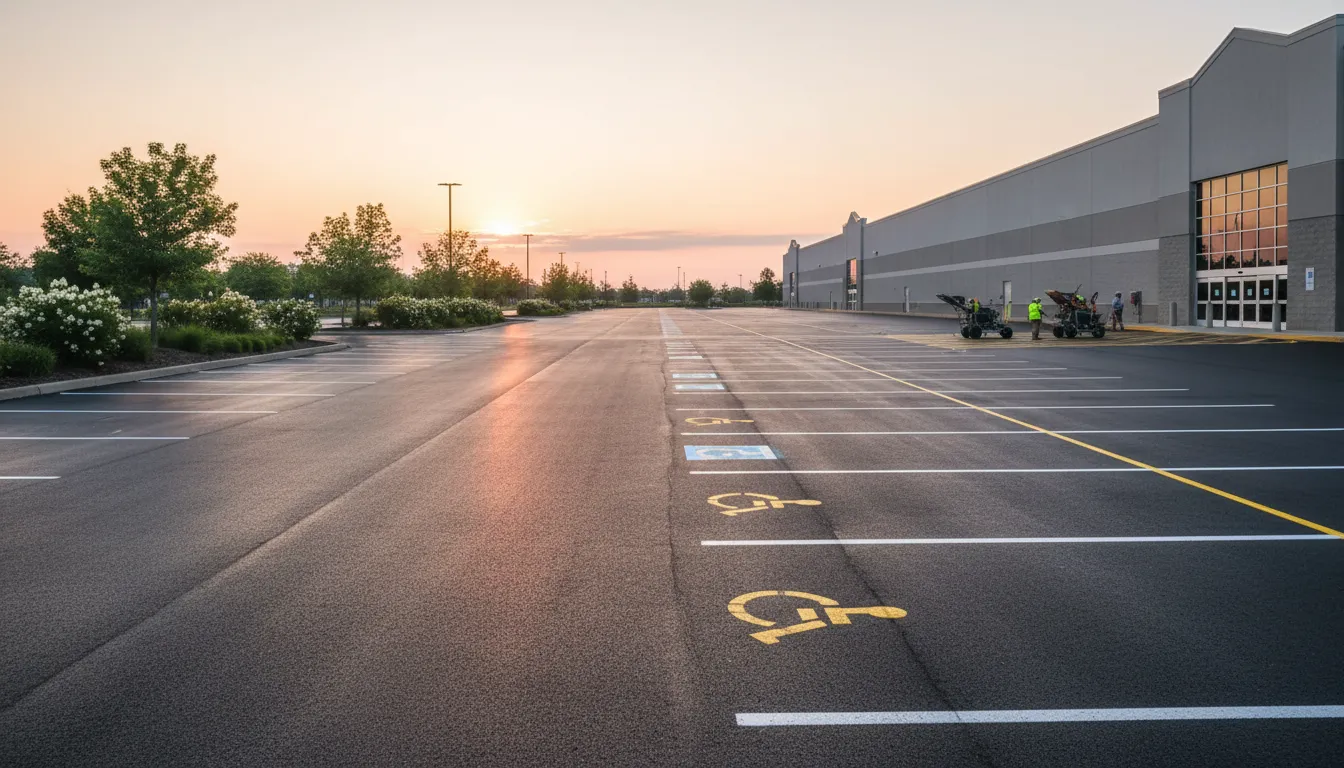
Find the Best Parking Lot Striping Companies for Your Business
No obligation • Fast responses • Nationwide coverage
Why you can trust Tidy Parking
Tidy Parking is a leading U.S. source for parking lot maintenance services, including striping, sealcoating, sweeping, paving, resurfacing, and repairs. Our content is created independently, and providers cannot pay to influence ratings or recommendations.
Search providers near you
Top Parking Lot Striping Companies in Berkeley, California Ranked
Maintaining clear, compliant pavement markings is a critical part of property management in Berkeley. Proper parking lot striping, line painting, and pavement marking ensure safety, maximize space, and keep your business in compliance with a complex web of state and local regulations. This guide explains the specific requirements for Berkeley and the East Bay, helping you understand what's needed for your property and how to connect with qualified local professionals who specialize in this essential service.
Progressive Asphalt Paving
San Jose, CA
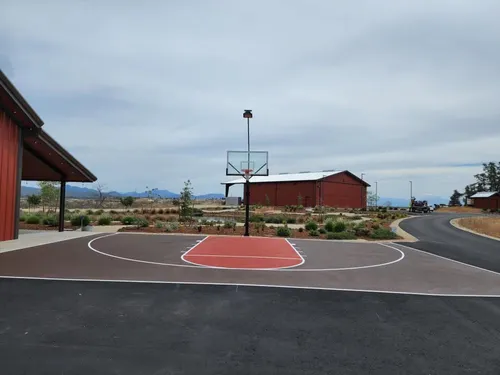
Progressive Asphalt Paving is an asphalt contractor serving San Jose, CA, specializing in asphalt paving, patching, striping, sealcoating, and driveway installation. They provide services for residential, commercial, and municipal clients, using premium materials to ensure durable and long-lasting asphalt surfaces. Their expertise includes asphalt patching techniques that restore pavement strength and professional striping that meets regulatory standards. The company emphasizes tailored solutions and transparent pricing based on years of industry experience.
A & A Paving
220 Solano Ave, Bay Point, CA 94565
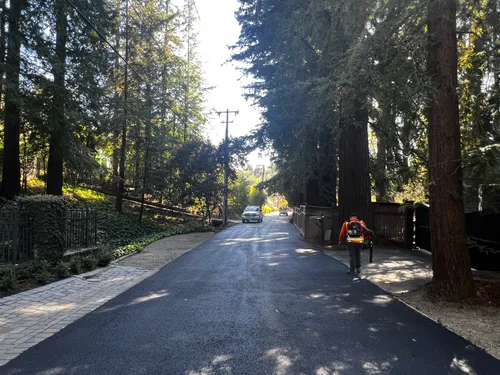
A & A Paving is a parking lot paving and repair company based in Oakland, CA. They provide a range of asphalt services including parking lot striping, sealcoating, resurfacing, and reconstruction. Their work includes ADA-compliant accessible parking spaces and EV charging stall paving with clear striping. The company handles both routine maintenance and major repairs to improve safety and functionality. A & A Paving customizes solutions to meet specific project needs and emphasizes durability and affordability in their work.
El Camino General Engineering Inc
1212 Camellia Dr, Palo Alto, CA 94303
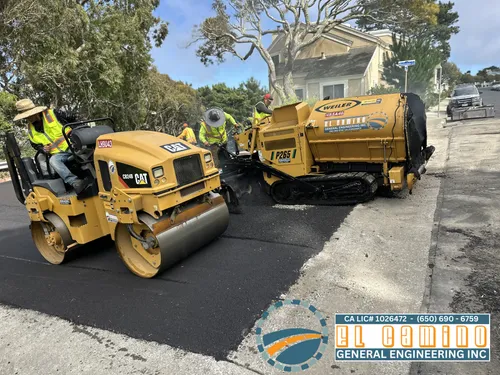
El Camino General Engineering Inc is a family-owned asphalt paving contractor based in San Jose, CA. They offer a range of services including parking lot striping, sealcoating, paving, resurfacing, and repair for residential, commercial, and municipal properties. Their team specializes in asphalt installation, maintenance, and ADA compliance improvements, using high-quality materials and equipment to ensure durable results. Founded by Israel, who brings over 30 years of local industry experience, the company also benefits from the civil engineering expertise of his son, Edgar. El Camino General Engineering provides innovative solutions tailored to client needs and operates with a focus on clear communication and project efficiency.
RF Sealcoating and Striping
Santa Rosa, CA
RF Sealcoating and Striping is a parking lot striping and sealcoating company based in Santa Rosa, CA. They offer services for commercial, residential, and HOA properties, including asphalt repairs, chipsealing, pothole repairs, asphalt paving, maintenance, sealcoating, and ADA-compliant striping. Their capabilities include crack filling using hot rubberized or cold pour applications to protect asphalt surfaces and extend pavement life.

HT PAVING AND SEALCOATING SERVICES
1811 Adrian Rd, Burlingame, CA 94010
HT PAVING AND SEALCOATING SERVICES is a paving and sealcoating company serving San Jose, CA, and the Bay Area. They provide a range of services including asphalt repair, crack filling, sealcoating, concrete work, excavation, driveway paving, retaining walls, and parking lot line striping. The company uses advanced equipment such as a new line striping and paving machine to ensure precision and durability in their projects. HT Paving has experience working on commercial and residential projects, including notable work at the Serramonte Shopping Center in Daly City, where they performed asphalt crack sealing and parking lot striping. Their team focuses on extending pavement life and improving safety and appearance through quality workmanship.
Understanding Berkeley's Regulatory Landscape
Parking lot line painting in Berkeley is not a one-size-fits-all task. It is governed by overlapping codes that demand precise execution. The primary frameworks are the California Building Code (CBC) Title 24 and the City of Berkeley's municipal codes. These regulations cover everything from standard stall dimensions to the color of curb paint for specific zones. Failure to comply can result in significant fines and, more importantly, create hazards for pedestrians and drivers. As of April 2025, the city is actively increasing enforcement, particularly around intersections, by painting more curbs red to comply with new state "daylighting" laws. This underscores the importance of working with striping contractors who are deeply familiar with these evolving local standards.
ADA Parking Space Requirements: A Detailed Breakdown
Accessible parking is one of the most regulated aspects of lot striping. In Berkeley and throughout California, the specifications are strict and non-negotiable.
Space and Aisle Dimensions:
- Standard Accessible Car Space: Must be at least 108 inches (9 feet) wide.
- Van-Accessible Space: Can be 96 inches (8 feet) wide, but must be paired with a 96-inch wide access aisle. A standard car space requires a 60-inch (5-foot) wide access aisle 1.
- Slope: The surface of the space and access aisle must have a slope not exceeding 2% in any direction to ensure stability for wheelchairs.
Marking Specifications: The pavement marking for an ADA stall is highly specific. The International Symbol of Accessibility must be painted on the pavement within the stall. This blue-and-white symbol should be 36 inches by 36 inches in size 2. The adjacent access aisle must be marked with diagonal hatch lines, typically in blue or yellow, to discourage parking. The words "NO PARKING" must also be stenciled in the aisle in letters at least 12 inches high 3 4.
Signage and Placement: A compliant space is not complete without the proper sign. A sign featuring the International Symbol of Accessibility and the phrase "Minimum Fine $250" must be posted, mounted at least 60 inches above the ground 5 6. Crucially, accessible spaces must be located on the shortest possible accessible route from the parking area to the building's primary entrance.
Fire Lane and Curb Marking Codes
Curb painting is a vital component of traffic control and safety on private property that is open to the public, such as shopping centers or apartment complexes.
Fire Lane Markings: Fire lanes must be clearly identifiable. This is achieved by painting the top and side of the curb a solid red. Furthermore, the words "FIRE LANE" or "NO PARKING - FIRE LANE" must be stenciled in white paint directly on the red curb. These stencils, using 3-inch high letters, must be repeated at intervals of no more than 30 feet 7. The lane itself must maintain a clear, unobstructed width of at least 20 feet for fire apparatus access.
Color-Coded Curb Zones: Berkeley enforces standard California curb color codes, which striping professionals must replicate on private lots that have similar loading or passenger zones:
- Blue Curbs: Reserved exclusively for vehicles displaying a disabled person placard or license plate, 24 hours a day 8.
- White Curbs: Designated for passenger loading and unloading only, typically with a strict time limit (e.g., 3 minutes) 9.
- Yellow Curbs: For commercial loading and unloading. In Berkeley, this is typically enforced from 7 AM to 6 PM, Monday through Saturday, and requires a business decal, commercial plates, or a vehicle logo. Time limits often allow up to 20 minutes for loading materials 10 11.
Find the perfect parking lot striping companies for your needs
Get personalized recommendations and expert advice
The Impact of California's "Daylighting" Law (AB 413)
A significant recent change affecting pavement marking planning is Assembly Bill 413, known as the "daylighting" law. This state law prohibits parking within 20 feet of the approaching side of a crosswalk or intersection, regardless of whether the curb is painted red. The goal is to eliminate parked cars that block sight lines, protecting pedestrians-especially children 12.
For property owners and striping contractors, this means carefully evaluating any parking spaces or stall layouts near intersections on private property that feed into public streets. Berkeley is proactively enforcing this by painting curbs red near intersections, a visual cue that parking is prohibited 13. When redesigning or remarking a lot, ensuring your layout does not encourage illegal parking that violates daylighting rules is a key consideration for community safety and liability.
Materials, Methods, and Cost Considerations
The longevity and visibility of your parking lot markings depend on the materials and techniques used.
Common Materials:
- Water-Based Traffic Paint: A cost-effective and quick-drying option for standard line striping. It typically lasts 6-12 months under moderate traffic.
- Thermoplastic: A melted material applied hot that forms a thick, durable line. It is highly reflective and can last 3-5 years, making it ideal for high-traffic areas and ADA symbols.
- Preformed Thermoplastic Tape: A less common but precise option for symbols like the accessibility icon.
Factors Influencing Striping Cost: While prices can vary based on the contractor and project scope, standard line painting often falls in the range of $0.20 to $0.30 per linear foot for a 4-inch line 14. However, the total project cost is influenced by several factors:
- Pavement Condition: Cracked or uneven asphalt requires cleaning and preparation before painting, adding to labor time.
- Marking Complexity: A simple grid of stalls is less expensive than a project requiring numerous ADA-compliant stalls with symbols and hatched aisles, or extensive red curb painting with stencils for fire lanes 15.
- Paint Type: Thermoplastic material is more expensive per unit than paint but offers a longer lifespan.
- Traffic Control: For lots that cannot be fully closed, setting up cones, signs, and flaggers to protect workers and guide traffic adds to the project cost.
- Size of the Project: Most contractors provide pricing based on the total linear footage of lines or the number of stalls, with larger projects often having a lower per-unit cost.
Maintaining Your Parking Lot Markings
Regular maintenance of your pavement markings is essential for ongoing compliance and safety. Faded lines, especially for crosswalks, stop bars, and accessible stalls, can lead to confusion, accidents, and fines. A best practice is to schedule a professional evaluation of your lot's markings annually. Re-striping is generally needed every 1-2 years for painted lines, while thermoplastic can last significantly longer. Proactive maintenance is more cost-effective than dealing with the consequences of an accident or a citation from the city.
Frequently asked questions
Sources
Footnotes
-
California ADA Parking Requirements 2025 Guide - ADA Striping - https://ada-striping.com/ada-parking-requirements/ ↩
-
Accessible Parking Requirements for Bay Area Businesses - https://www.calvacpaving.com/accessible-parking-requirements-for-bay-area-businesses/ ↩
-
Guide to Accessible Parking: Business Owners and Operators - https://www.dgs.ca.gov/-/media/Divisions/CCDA/Tabs/Resources-Page/Documents/2024/CCDA-Guide-to-Accessible-Parking-APC-Business-Owners-and-Operators-2024.pdf ↩
-
Technical Specifications Guidelines - https://www.sf.gov/file/technical-specification-guidelines-abe-da-17 ↩
-
What are the Requirements for ADA Parking in California? - https://www.welovepaving.com/what-are-the-requirements-for-ada-parking-in-california/ ↩
-
A Guide to Accessible Parking for the Construction Industry - https://www.cslb.ca.gov/Resources/GuidesAndPublications/2024/CCDA%20Guide%20to%20Accessible%20Parking%20Construction%20Industry.pdf ↩
-
Fire Lane Marking - https://www.sccfd.org/wp-content/uploads/2024/08/A-6-Fire-Lane-Marketing-07.01.2020.pdf ↩
-
Marking and Parking for Zones | California Code of Regulations - https://regulations.justia.com/states/california/title-2/division-3/chapter-3/article-2/section-5025/ ↩
-
Berkeley Ultimate Street Parking Tips and Guide - SpotAngels - https://www.spotangels.com/blog/berkeley-street-parking-tips-and-guide/ ↩
-
Yellow Curb Berkeley | Parking Enforcement to Increase - https://www.sacramentoinjuryattorneysblog.com/yellow-curb-berkeley/ ↩
-
Berkeley Street Cleaning & Parking | Berkeley Street Sweeping - https://www.xtreet.com/parking/berkeley ↩
-
Street Parking Restrictions | City of Berkeley - https://berkeleyca.gov/city-services/parking/street-parking-restrictions ↩
-
Park 20 feet from intersections to better see, protect pedestrians - https://berkeleyca.gov/community-recreation/news/park-20-feet-intersections-better-see-protect-pedestrians ↩
-
Parking Lot Striping: Everything You Need To Know - https://www.calvacpaving.com/parking-lot-striping-need-to-know/ ↩
-
ADA Compliance in Striping: Stalls, Aisles, Signs - - https://asphaltinc.com/ada-parking-striping-stalls-aisles-signs/ ↩