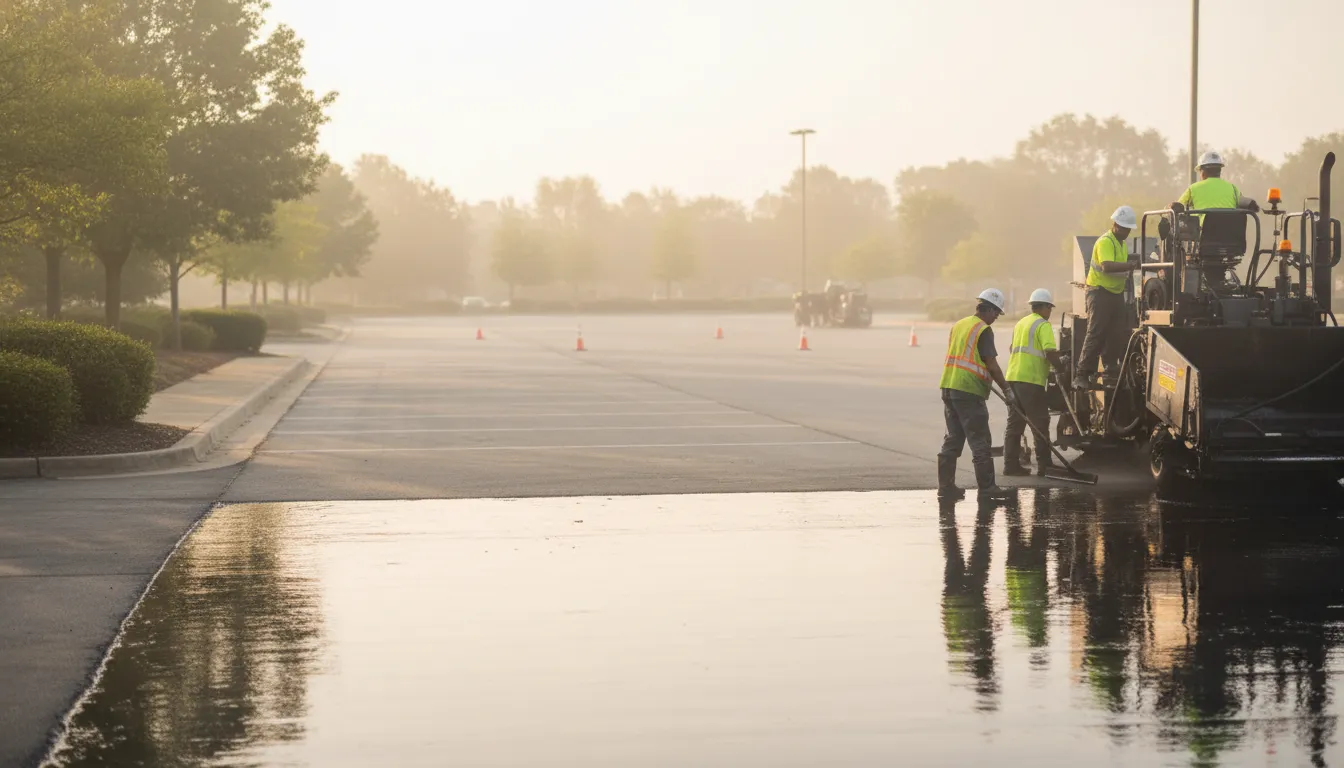
Find the Best Parking Lot Sealcoating Companies for Your Business
No obligation • Fast responses • Nationwide coverage
Why you can trust Tidy Parking
Tidy Parking is a leading U.S. source for parking lot maintenance services, including striping, sealcoating, sweeping, paving, resurfacing, and repairs. Our content is created independently, and providers cannot pay to influence ratings or recommendations.
Search providers near you
Top Parking Lot Sealcoating Companies in Dayton, Ohio Ranked
Parking lot sealcoating is a vital protective maintenance procedure for asphalt surfaces in Dayton. This process involves applying a specialized coating that shields your pavement from the damaging effects of Ohio's harsh weather, UV rays, oil spills, and daily traffic wear. For property managers and business owners, a well-maintained lot is crucial for safety, curb appeal, and long-term cost savings. This guide explains why sealcoating matters in the Dayton area, outlines the best practices for scheduling and application, and helps you understand what to look for when selecting a professional service.
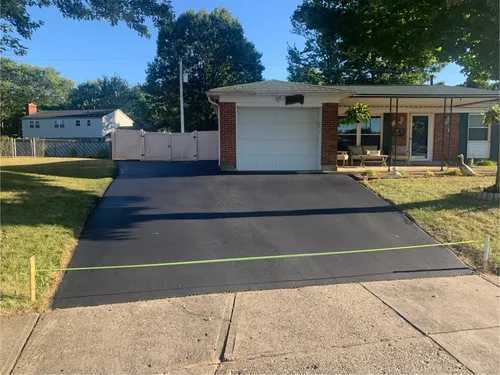
Incredi-Seal Ohio Asphalt Services
Dayton, OH
Incredi-Seal Ohio Asphalt Services provides commercial and residential asphalt solutions in Dayton, OH. They offer a range of services including asphalt sealcoating, parking lot striping and pavement marking, driveway repair and replacement, and asphalt crack repair. With over 20 years of experience, the company handles various asphalt projects to help extend the life and improve the appearance of paved surfaces.
Johnson & Son sealcoating
2229 Wayne Ave, Dayton, OH 45410
Johnson & Son sealcoating is a parking lot striping, sealcoating, and repair company based in Dayton, OH. They offer a range of asphalt services including patching and sealcoating for both small and large projects. The company emphasizes a comprehensive approach to project management and is prepared to handle complex jobs with a focus on quality work.
BMG Asphalt, LLC
Cincinnati, OH
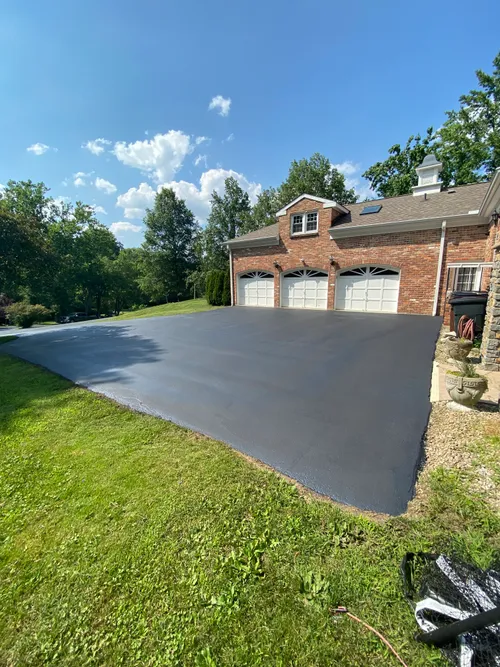
BMG Asphalt, LLC provides asphalt repair and restoration services in Cincinnati, OH. They specialize in infrared asphalt repair, pothole repair, crack sealing, sealcoating, and parking lot striping for commercial and residential properties. Their services help revive and protect asphalt surfaces by addressing issues like surface cracking, utility cuts, and damage around drains. The company offers cost-effective solutions to restore parking lots, driveways, and roads, extending the life of asphalt with sealcoating recommended every 3 to 5 years.
Vandalia Blacktop & Sealcoating, Inc.
6740 Webster St, Dayton, OH 45414
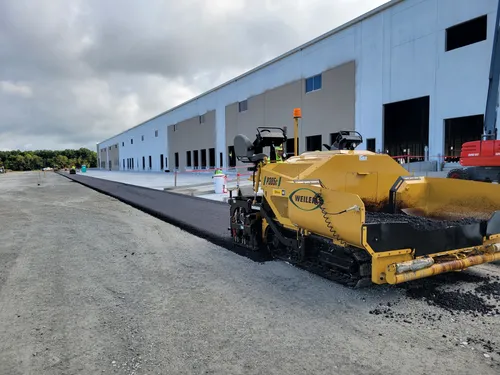
Vandalia Blacktop & Sealcoating, Inc. is a parking lot sealcoating and paving contractor based in Dayton, OH. They provide commercial and residential asphalt, sealcoating, and concrete services throughout the Miami Valley. With 50 years of experience under the same ownership, the company offers reliable paving solutions including large-scale warehouse paving, new construction projects, and residential driveway installations. Their expertise includes asphalt paving, sealcoating to protect surfaces, and concrete work for driveways, patios, and sidewalks.
Asphalt Sealcoaters of Dayton
Dayton, OH
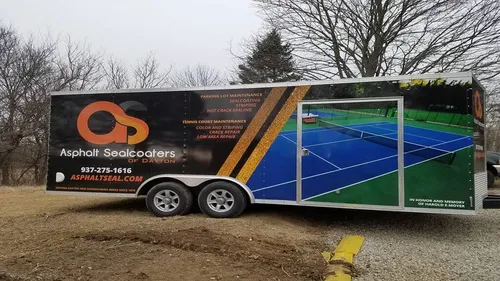
Asphalt Sealcoaters of Dayton is a family-owned business providing asphalt preservation and maintenance services in Dayton, OH. They serve both commercial and residential customers, offering parking lot sealcoating and recreational surface installation. Their work helps protect and extend the life of asphalt surfaces in the Dayton area.
Why Sealcoating is Essential for Dayton Pavement
Dayton's climate presents unique challenges for asphalt. The region experiences significant freeze-thaw cycles, heavy winter snow, and plowing activity, all of which can rapidly deteriorate an unprotected surface. Water is asphalt's primary enemy; when it seeps into small cracks and freezes, it expands, causing those cracks to widen and leading to potholes and base failure 1. Sealcoating acts as a waterproof barrier, preventing moisture from penetrating the asphalt substrate 2.
Beyond weather protection, a fresh sealcoat guards against chemical damage from gasoline, oil, and de-icing salts. It also blocks harmful UV rays that cause the asphalt binder to oxidize, turning the surface a brittle, light gray color. For commercial properties, maintaining a dark, fresh-looking lot through regular sealing enhances your property's professional image and provides a safer, more navigable surface for customers and employees.
The Recommended Sealcoating Schedule for Dayton Lots
A general rule of thumb is to have your commercial parking lot sealcoated every 2 to 3 years 3. However, this is not a one-size-fits-all schedule. Several local factors can necessitate more frequent applications:
- High-Traffic Areas: Lots for retail centers, restaurants with drive-thrus, distribution centers, or any property with consistent truck traffic experience more wear and tear. These surfaces may require protective sealing every 1 to 2 years to prevent premature deterioration 4 5.
- Visible Signs of Wear: Don't wait for a calendar reminder. If your lot is fading to a light gray, you notice an increase in small cracks (alligator cracking), or you see areas where water pools instead of draining, it's time for a new coat of sealant, regardless of when it was last done 6.
- Snow Plow Damage: Winter maintenance is necessary but abrasive. Snowplows can scrape away the existing sealcoat layer, especially near curbs and in driving lanes, leaving the asphalt vulnerable.
Identifying the Right Time for Application
Timing is critical for a successful sealcoating project. The sealant material requires specific conditions to cure properly and adhere to the existing asphalt.
- Season: The sealcoating season in Dayton typically runs from April through October, with the prime window often considered May through September. The work must be scheduled during a reliable forecast of dry weather.
- Temperature: Application should only occur when ambient and surface temperatures are consistently above 50°F (and rising) 7. Ideal conditions are warm, sunny days with low humidity.
- Curing Time: After application, the sealcoat needs 24 to 48 hours to dry before the lot can be reopened to traffic 8. Planning for this downtime is an essential part of scheduling your project.
Key Steps in a Professional Sealcoating Process
A durable, long-lasting result depends on thorough preparation and proper application technique. A quality contractor will follow a multi-step process:
- Surface Preparation: This is the most important phase. The lot must be thoroughly cleaned of all dirt, debris, vegetation, and oil stains. Any existing moisture must be allowed to evaporate completely.
- Crack and Pothole Repair: Sealcoating is not a crack repair solution. All cracks wider than 1/4 inch should be cleaned and filled with a hot-pour rubberized crack filler before the sealcoat is applied 9 10. This prevents water from entering through these gaps and undermining the new protective layer.
- Application: Professionals typically apply two thin coats rather than one thick coat. Thin coats dry more evenly, cure properly, and are less prone to tracking or premature wear 11 12. The sealant is usually sprayed on and then spread evenly with squeegees.
Find the perfect parking lot sealcoating companies for your needs
Get personalized recommendations and expert advice
Coordinating Sealcoating with Parking Lot Striping
Parking lot striping and sealcoating are complementary services that are often planned together. The reflective paint used for traffic lines, handicap stalls, and directional arrows adheres best to a fresh, clean sealcoat. Here's how to coordinate them:
- Order of Operations: Striping is always done after sealcoating. The new lines are painted onto the fully cured sealcoat surface.
- Optimal Re-Striping Schedule: For clarity, safety, and ADA compliance, parking lot lines should be re-striped every 1 to 2 years 13 14. Winter is particularly harsh on paint due to plowing and salt abrasion 15.
- Efficient Planning: Many property owners schedule sealcoating and re-striping as a single spring project. This approach restores both the protective layer and the visual guidance system of your lot simultaneously, maximizing its lifespan and safety.
Understanding Costs for Sealcoating in Dayton
The cost to sealcoat a parking lot in Dayton is primarily calculated by the square foot, but the final price depends on the condition of the existing pavement and the scope of work. Necessary crack filling, pothole repair, and cleaning will add to the base sealing cost 16.
- For smaller projects like driveways or modest lots, costs often fall in the range of $0.22 to $0.38 per square foot for the sealcoating service itself.
- For larger commercial lots, the total investment for a comprehensive job can be substantial. For example, sealcoating a 50,000-square-foot lot can range from approximately $11,000 to over $19,000, with additional costs for essential preparation work like crack sealing and subsequent line striping 17.
The most accurate way to determine cost is to obtain detailed quotes from reputable local contractors who assess your specific lot's condition and needs.
Creating a Proactive Maintenance Plan
A proactive approach saves money over the reactive cycle of constant repairs. A simple annual plan for a Dayton parking lot might look like this:
- Spring (April-June): Inspect for winter damage. Schedule crack sealing and sealcoating. Once cured, re-stripe all parking lines and symbols.
- Summer/Fall: Keep the lot clean and address any new oil spills promptly. Monitor drainage.
- Winter: Implement careful snow removal practices to minimize plow damage to the edges of the pavement and markings.
By adhering to a regular 2-3 year sealcoating cycle and addressing cracks promptly, you extend the life of your asphalt, delay costly reconstruction, and maintain a safe, attractive property 18 19 20.
Frequently asked questions
Sources
Footnotes
-
Sealcoating in Dayton, OH - https://localsealcoating.com/dayton/ ↩
-
Commercial Services - Vandalia Blacktop & Sealcoating - https://vandaliablacktop.com/asphalt-services/commercial-asphalt/ ↩
-
How Often Should a Parking Lot Be Sealcoated? - American Asphalt - https://americanasphalt.com/how-often-should-a-parking-lot-be-sealcoated/ ↩
-
How Often Should a Parking Lot Be Sealcoated? 510-723-0280 - https://americanasphalt.com/how-often-should-a-parking-lot-be-sealcoated/ ↩
-
How Often Should You Sealcoat Your Parking Lot? - American Asphalt - https://americanasphalt.com/how-often-should-you-sealcoat-your-parking-lot/ ↩
-
Retail Parking Lot Sealcoating: Why It Pays to Plan Ahead - DRYCO - https://www.dryco.com/blog/retail-parking-lot-sealcoating-why-it-pays-to-plan-ahead/ ↩
-
🚧 SEALCOATING SEASON IS HERE! 🚧 The weather is ... - Facebook - https://www.facebook.com/groups/985153748542614/posts/2949135952144374/ ↩
-
How Long Driveway Sealer Takes To Dry - Riley's Asphalt - https://rileyasphalt.com/blog/how-long-driveway-sealer-takes-to-dry/ ↩
-
Sealcoating: Timing and Frequency for Optimal Protection - https://lonestarpavingtx.com/sealcoating-timing-and-frequency/ ↩
-
Mike Ward - Ohio Concrete - https://www.ohioconcrete.org/wp-content/uploads/2021/04/Mike-Ward-Presentation.pdf ↩
-
How Often Should You Sealcoat Your Commercial Parking Lot - https://thepavementgroup.com/commercial-parking-lot-sealcoat/ ↩
-
Sealcoating - Heiberger Paving, Inc - https://heibergerpaving.com/services/sealcoating/ ↩
-
Asphalt Striping Services - Vandalia Blacktop & Sealcoating - https://vandaliablacktop.com/asphalt-services/parking-lot-striping/ ↩
-
How Often Should You Re-Stripe and Seal Coat Your Parking Lot or ... - https://popestriping.com/blog/index.php/2024/06/24/how-often-should-you-re-stripe-and-seal-coat-your-parking-lot-or-parking-garage/ ↩
-
How Weather Impacts Longevity of Parking Lot Striping - https://www.asphaltenterprises.com/blog/how-weather-impacts-the-longevity-of-parking-lot-striping ↩
-
Parking Lot Sealer: How Much Does It Cost? | EastCoat Pavement - https://eastcoatpavement.com/parking-lot-sealer-cost/ ↩
-
How Much Does It Cost to Sealcoat a 50,000 Sq. Ft. Parking Lot? ( ... - https://www.fixasphalt.com/testblog/how-much-does-it-cost-to-sealcoat-a-50000-sq.-ft.-parking-lot-2026-pricing-guide ↩
-
How Often Should You Sealcoat Your Commercial Parking Lot - https://thepavementgroup.com/commercial-parking-lot-sealcoat/ ↩
-
Parking Lot Sealcoating: Protect Asphalt & Cut Costs - https://www.kandlindustries.com/parking-lot-sealcoating-why-its-essential/ ↩
-
How Long Does Sealcoating Take To Dry? | Landmark Paving - https://landmarkpaving.com/how-long-does-sealcoating-take-to-dry/ ↩