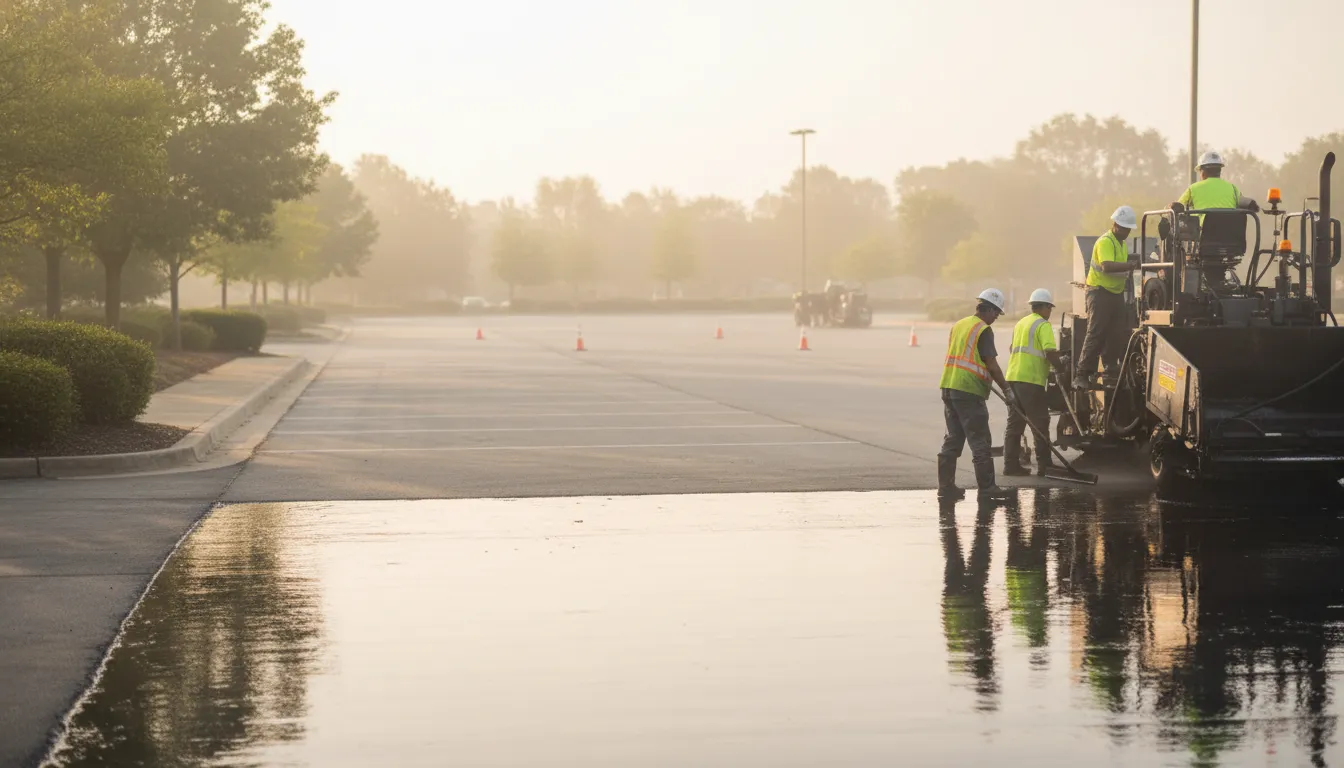
Find the Best Parking Lot Sealcoating Companies for Your Business
No obligation • Fast responses • Nationwide coverage
Why you can trust Tidy Parking
Tidy Parking is a leading U.S. source for parking lot maintenance services, including striping, sealcoating, sweeping, paving, resurfacing, and repairs. Our content is created independently, and providers cannot pay to influence ratings or recommendations.
Search providers near you
Top Parking Lot Sealcoating Companies in New York, New York Ranked
Parking lot sealcoating is the essential protective layer that shields your asphalt investment from the relentless wear and tear of New York City. This liquid application, often called asphalt sealing or pavement coating, defends against harsh winter freeze-thaw cycles, intense summer UV rays, heavy traffic, and corrosive road salts. A proactive maintenance plan that includes regular cleaning, crack filling, and sealcoating can significantly extend pavement life, potentially doubling it compared to neglected surfaces. Understanding the local requirements, timing, and process helps property managers and business owners find qualified local professionals to maintain safe, attractive, and long-lasting parking areas.
United Blacktop
New York, NY
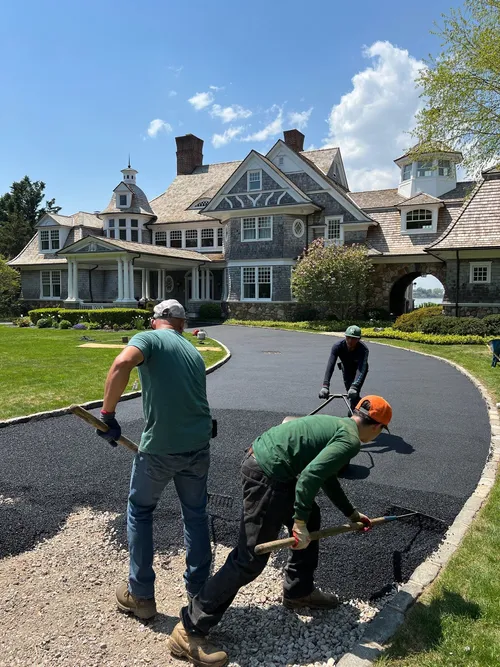
United Blacktop is a family-owned asphalt and paving company serving New York, NY, with over 20 years of industry experience. They provide a range of services including driveway sealcoating, crack filling and repair, sports court resurfacing, asphalt paving, concrete and brick pavers, as well as commercial parking lot maintenance. Their team is known for using premium materials and offering warranties on all workmanship and materials.
Kingdom Contracting & Sealcoating LLC
678 Newark Pompton Turnpike NJ 07444, Pompton Plains, NJ 07444
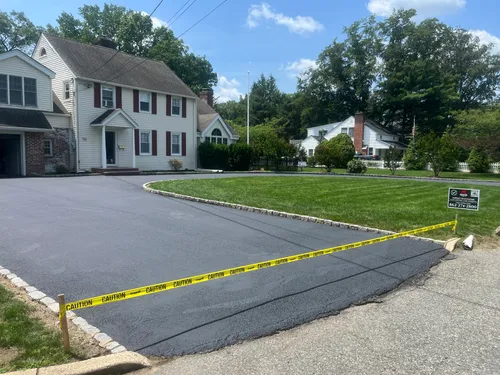
Kingdom Contracting & Sealcoating LLC is a family-owned asphalt maintenance company based near Pompton Plains, NJ, serving communities in North Jersey including Morris, Passaic, Bergen, Essex, and Union counties. They specialize in driveway and parking lot sealcoating, asphalt repair, crack filling, and commercial parking lot maintenance for homeowners, businesses, and HOAs. Founded in 2017, the company focuses on proper surface preparation and quality materials to ensure durable results.
Ascot Driveways and Patios
55 Madison Ave suite 400 #4342, Morristown, NJ 07960
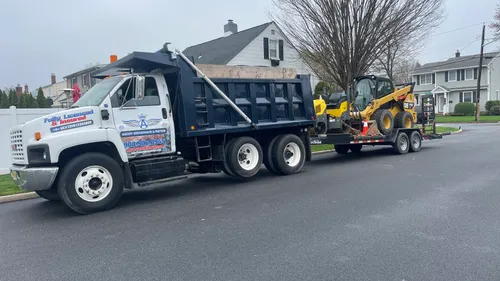
Ascot Driveways and Patios is a paving and masonry contractor serving New York, NY, and the surrounding Morris County area. They specialize in asphalt and concrete driveway installation, sealcoating, repairs, masonry wall building, patio construction, and landscaping hardscaping services. The company is experienced in restoring asphalt driveways with high-strength seal coating and offers a wide range of driveway and patio solutions tailored to customer needs. Ascot Driveways and Patios is a family-operated business known for its skilled craftsmanship and attention to detail, with a history of satisfied clients and completed projects in the region.
All Shore Paving Corporation
571 Waterview Rd, Oceanside, NY 11572
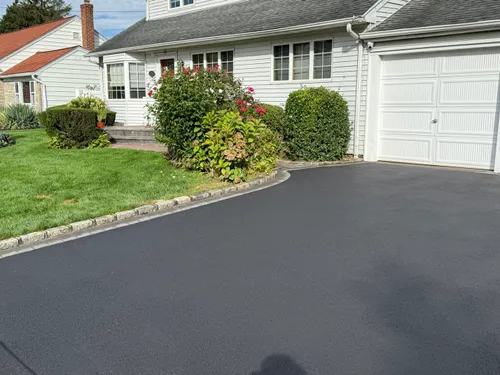
All Shore Paving Corporation provides asphalt paving services for residential and commercial properties in New York, NY. They offer a wide range of services including driveway paving, parking lot paving and repair, asphalt milling, roadway paving, and sealcoating. The company also specializes in parking lot drywell and drain repair, as well as commercial resurfacing and overlays. Their team uses premium materials and modern equipment to deliver durable and visually appealing surfaces. All Shore Paving is accredited by the Better Business Bureau and serves the New York City area, including Rockville Centre. They emphasize quality workmanship and customer satisfaction throughout each project.
Bonardi Construction Inc
15-19 128th St, College Point, NY 11356
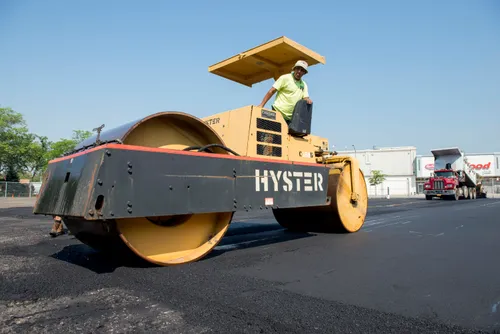
Bonardi Construction Inc is a general contracting company serving Jersey City, NJ, and the greater New York City area. They offer a range of services including parking lot striping, sealcoating, paving, and repair for both commercial and residential properties. Their team has over 30 years of experience and provides specialized capabilities such as asphalt paving and concrete work. Bonardi Construction emphasizes quality craftsmanship and a client-focused approach throughout each project.
Why Sealcoating is Critical for NYC Asphalt
New York City's climate and usage patterns create a perfect storm of conditions that degrade asphalt pavement. The process of asphalt sealing is not merely cosmetic; it is a vital preservation technique. During summer, intense UV radiation causes the asphalt binder to oxidize, becoming brittle and prone to cracking 1. In winter, water seeps into tiny cracks, freezes, expands, and thaws-a cycle that rapidly widens cracks and leads to potholes. The heavy use of de-icing salts accelerates this damage by corroding the pavement surface 2. A high-quality sealcoat acts as a waterproof, UV-resistant barrier, preventing these elements from reaching the vulnerable asphalt below. For commercial properties, this protection maintains a professional appearance, reduces long-term repair costs, and enhances safety by providing a clearly marked, slip-resistant surface.
Determining the Right Sealcoating Schedule for Your Property
One of the most common questions is how often to apply a new sealcoat. The answer depends on three key factors: traffic volume, local weather, and the age of your asphalt.
- Traffic Volume: High-traffic areas like retail center lots, shopping plaza parking, and restaurant or bank drive-thrus experience significant wear on the sealcoat layer. These commercial lots typically require sealcoating every 1 to 2 years 3 4 5. Lower-traffic areas, such as office building lots or residential driveways, may extend to a 2-3 year cycle 6.
- NYC Weather Impact: The local climate demands vigilance. Proactive sealing before summer heat arrives protects against oxidation, while sealing to prepare for winter is crucial to prevent water infiltration from freeze-thaw cycles.
- Asphalt Age: New asphalt must cure for at least 6 to 12 months, allowing oils and volatiles to evaporate, before its first sealcoat application to ensure proper adhesion and avoid trapping moisture 7.
A general maintenance timeline for NYC properties includes an annual inspection for cracks and oil stains, with crack filling performed as needed. High-traffic commercial lots should be sealed every 1-2 years, while lower-traffic areas can follow a 2-3 year schedule 8 9. The optimal seasonal window for scheduling this work is during warm, dry weather, typically from late spring through early fall (May to September) 10.
The Sealcoating Process: More Than Just Spraying On Coating
A durable, long-lasting sealcoat job is 80% preparation and 20% application. In a city like New York, where dirt, oil, and debris accumulate quickly, thorough preparation is non-negotiable for proper adhesion 11. Reputable contractors follow a meticulous process:
- Cleaning: The surface must be completely free of dirt, leaves, gravel, grease, and oil. This is typically achieved using wire-bristle brooms, industrial blowers, and high-pressure washing 12 13.
- Crack and Pothole Repair: All cracks must be cleaned out and filled with a hot-pour or cold-pour rubberized crack filler. Potholes require full-depth repair. This step is best done annually, regardless of the sealcoating schedule, to prevent minor damage from escalating 14 15.
- Oil Spot Priming: Grease and oil stains from vehicles will cause the sealant to peel if not properly treated. Specialized oil-spot primer is applied to these areas to create a stable base for the sealcoat.
- Curing of Repairs: Any patched or filled areas need time to set. It's recommended to allow at least 15 days for new patches to cure before applying sealcoat over them 16.
- Application: The sealant-a refined coal-tar or asphalt-based emulsion-is applied using spray systems or squeegees, usually in two thin, even coats for consistent coverage and durability.
- Drying and Curing: The lot must be closed to all traffic for a minimum of 24-48 hours to allow the coating to fully dry and cure, depending on temperature and humidity.
Find the perfect parking lot sealcoating companies for your needs
Get personalized recommendations and expert advice
Coordinating Sealcoating with Parking Lot Striping
For a complete lot refresh, sealcoating and line striping are interconnected projects. The order and timing are crucial for a professional result. Sealcoating must always be done before new pavement markings are applied. Attempting to sealcoat over existing paint will obscure the lines and create an uneven surface.
After the final sealcoat layer is applied, you must wait for it to fully cure before re-striping. The standard recommendation is to wait 24 to 48 hours after application 17 18. This ensures the surface is hard enough to support stencils and traffic without damaging the new paint or the underlying sealcoat. The best time to schedule both services is during the same optimal weather window: dry conditions with temperatures consistently above 50°F (10°C), typically from April through September in the New York area 17 19.
Understanding Sealcoating Costs in New York
The cost of parking lot sealcoating in NYC varies based on the size of the area, its condition, and the scope of work. Prices are typically quoted per square foot, with minimum project fees for small jobs.
- Small Lots & Driveways: For standard residential driveways or very small commercial pads, contractors often charge a minimum fee ranging from $150 to $300 20.
- Large Commercial Lots: For sealcoating alone, costs generally range from $0.20 to $0.50 per square foot 21 22. However, most commercial projects require additional preparatory work.
- Comprehensive Packages: A more realistic price for a commercial package that includes thorough cleaning, crack sealing, and the application of two sealcoat coats often falls between $0.65 and $0.90 per square foot 23 24.
- Cost Factors: Several variables can increase the per-square-foot price: lots with heavy debris or vegetation require more intensive cleaning; surfaces with extensive alligator cracking need significant repair; and high-traffic zones like entrances and loading docks may require additional (double) coats for extra durability.
Investing in regular sealcoating is a cost-effective strategy. It is far less expensive than major asphalt repairs or full-depth reconstruction, which become necessary when unprotected asphalt deteriorates beyond simple maintenance.
Maintaining Your Investment: A Proactive Approach
Sealcoating is the cornerstone of a smart asphalt asset management plan. To maximize the lifespan and appearance of your New York City parking lot, adopt a proactive cycle:
- Every Spring: Conduct a detailed inspection. Look for new cracks, raveling edges, and oil stains. Schedule crack filling and spot priming as needed.
- Every 1-2 Years (High-Traffic Lots): Plan for a full sealcoating application. Schedule it for late spring or early summer to ensure protection is in place for the harsh summer sun.
- Every 2-3 Years (Low-Traffic Lots): Schedule sealcoating based on the observed condition of the existing coat. Don't wait until it has fully worn away.
- After Sealcoating: Once the sealcoat has cured (after 24-48 hours), arrange for re-striping to restore clear, compliant traffic markings 25.
By following this disciplined approach, you transform sealcoating from a reactive expense into a strategic investment that preserves property value, enhances safety, and projects a well-maintained image to customers and tenants.
Frequently asked questions
Sources
Footnotes
-
Why You Should Sealcoat Before Summer Heat Arrives - https://www.greatsealcoating.com/why-you-should-sealcoat-before-summer-heat-arrives ↩
-
Parking Lot Paving vs. Resurfacing: What's Better for New ... - https://mrblacktop.net/parking-lot-paving-vs-resurfacing-whats-better-for-new-york-weather ↩
-
How Often Should You Seal Coat Asphalt? - Elcor Construction - https://elcorconstruction.com/how-often-should-you-seal-coat-asphalt/ ↩
-
How Often Should a Parking Lot Be Sealcoated? - American Asphalt - https://americanasphalt.com/how-often-should-a-parking-lot-be-sealcoated/ ↩
-
How often should you sealcoat your Parking Lot? - https://www.blackdiamondpaving.com/services/sealcoating/often-sealcoat-parking-lot/ ↩
-
How Often Should You Sealcoat a Driveway or Parking Lot? - https://coastalpipelineinc.com/how-often-should-i-sealcoat-a-driveway-or-parking-lot/ ↩
-
How Often Should You Seal Coat Asphalt? - Elcor Construction - https://elcorconstruction.com/how-often-should-you-seal-coat-asphalt/ ↩
-
How Often Should You Sealcoat Your Commercial Parking Lot - https://thepavementgroup.com/commercial-parking-lot-sealcoat/ ↩
-
How Often Should a Business Sealcoat Its Parking Lot? - https://www.greatsealcoating.com/how-often-should-a-business-sealcoat-its-parking-lot ↩
-
How Often Should You Sealcoat in NY? A Realistic Guide - https://sealkingpavingny.com/how-often-should-you-sealcoat-in-ny-a-realistic-guide/ ↩
-
How Much Does It Cost To Sealcoat An Asphalt Parking Lot? - https://absoluteblacktop.com/how-much-does-it-cost-to-sealcoat-an-asphalt-parking-lot/ ↩
-
Sealcoating - Dependable Paving - https://www.dependablepavinginc.com/sealcoating ↩
-
item 410.20400001 - seal coating asphalt surfaces - https://www.dot.ny.gov/spec-repository-us/410.20400001.pdf ↩
-
How Often Does A Parking Lot Need Sealcoating & Crack ... - https://www.royalpavementsolutions.com/how-often-does-a-parking-lot-need-sealcoating-and-crack-repairs/ ↩
-
Sealcoating Asphalt Surfaces: The Process - https://www.wnysealers.com/article.cfm?ArticleNumber=15 ↩
-
seal coating in bronx, ny - concrete and asphalt sealers - https://abcasphaltnyc.com/seal-coating/ ↩
-
Should You Sealcoat Before or After Striping? - 1-800-striper - https://1800striper.com/sealcoat/ ↩ ↩2
-
Re-Striping After Sealcoating: How Long Should You Wait? - https://www.retemple-painting.com/painting-articles/re-striping-after-sealcoating-how-long-should-you-wait ↩
-
Brooklyn's Ultimate Parking Lot Striping Maintenance Guide - https://www.myshyft.com/blog/parking-lot-striping-services-brooklyn-new-york/ ↩
-
Driveway Sealing Prices in NJ: 2026 Cost Guide - https://randysealcoatingandstriping.com/services/residential/driveway-sealing-cost ↩
-
Parking Lot Seal Coating Costs for Asphalt : 2025 Pricing Guide - https://www.fixasphalt.com/blog/how-much-does-it-cost-to-sealcoat-an-asphalt-parking-lot ↩
-
Sealcoating Cost Planning Guide for Commercial Parking Lots - https://dbkrieginc.com/blog/sealcoating-cost-planning-guide-for-commercial-parking-lots/ ↩
-
Sealcoating Cost : What goes into pricing? - https://www.greatsealcoating.com/sealcoating-cost-what-goes-into-pricing ↩
-
Cost of Sealcoating - Yelp - https://www.yelp.com/costs/sealcoating ↩
-
The Life Cycle Of A Parking Lot: When To Repair, Reseal, And Re-Stripe - https://wedolines.com/the-life-cycle-of-a-parking-lot-when-to-repair-reseal-and-re-stripe/ ↩