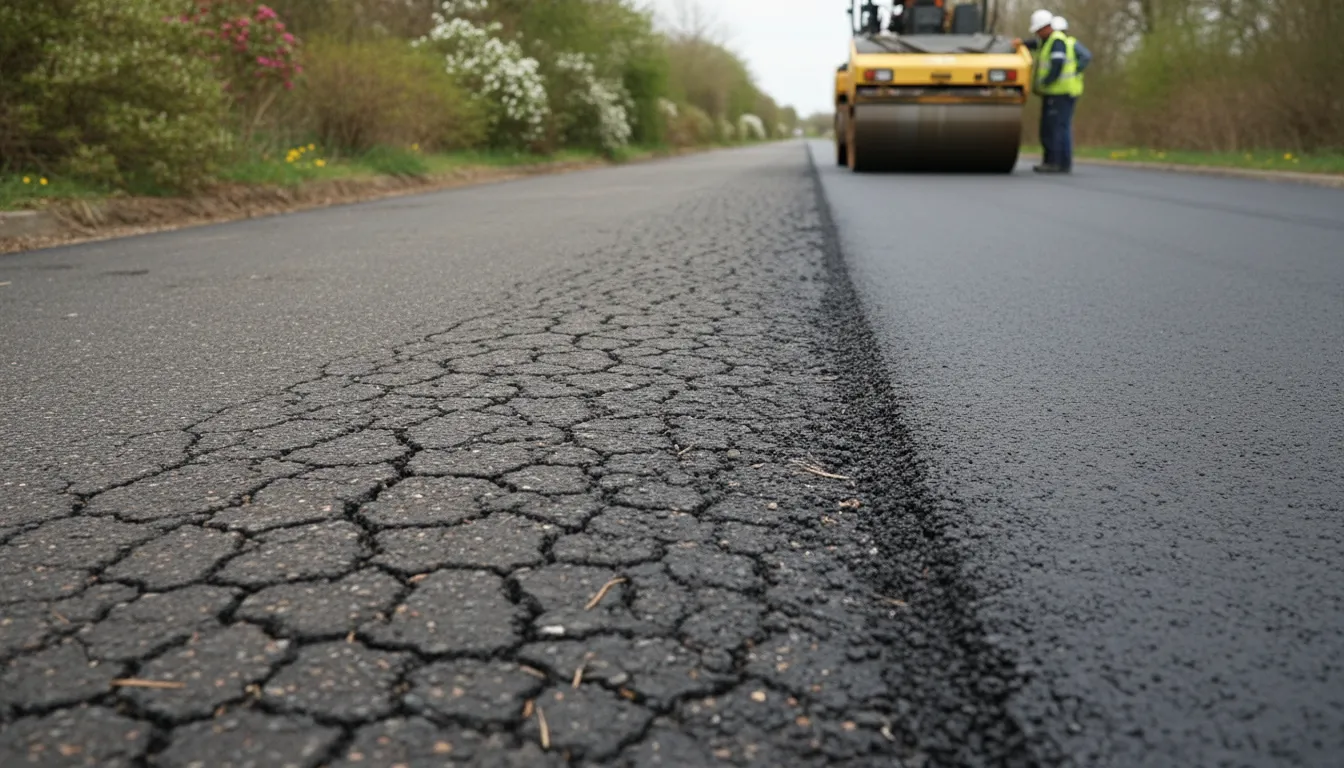
Find the Best Parking Lot Resurfacing Contractors for Your Business
No obligation • Fast responses • Nationwide coverage
Why you can trust Tidy Parking
Tidy Parking is a leading U.S. source for parking lot maintenance services, including striping, sealcoating, sweeping, paving, resurfacing, and repairs. Our content is created independently, and providers cannot pay to influence ratings or recommendations.
Search providers near you
Top Parking Lot Resurfacing Contractors in Vancouver, Washington Ranked
A parking lot resurfacing project is a strategic investment to extend the life of your asphalt pavement, improve safety, and enhance your property's curb appeal. This process involves removing the top worn layer of asphalt and replacing it with a fresh overlay, effectively giving your lot a new surface without the cost and disruption of a full reconstruction. For property managers and business owners in Vancouver, understanding the local process, costs, and regulations is key to a successful project. This guide provides the essential information to help you plan effectively and connect with qualified local paving professionals.
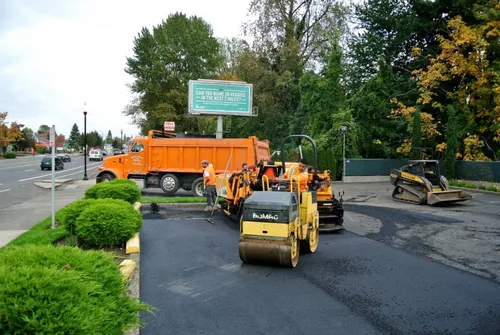
William Stanley & Sons Paving
5933 NE Win Sivers Dr #205, Portland, OR 97220
William Stanley & Sons Paving is a third-generation, family-owned paving company serving Portland, OR, and the surrounding metro area. With over 30 years of experience, they provide residential and commercial paving services including driveway installations, parking lot paving, sealcoating, striping, grading, crack sealing, and asphalt resurfacing. Their expertise extends to ADA-compliant parking striping and eco-friendly permeable asphalt solutions. The company emphasizes quality craftsmanship and local knowledge, working year-round to meet diverse paving needs.
Affordable Paving & Seal Coating
12101 SE 282nd Ave, Boring, OR 97009
Affordable Paving & Seal Coating is a family-owned asphalt contractor serving Portland, OR, and nearby areas. With over 25 years of experience, they provide residential and commercial paving services including driveway installation, parking lot paving, sealcoating, striping, resurfacing, and asphalt repairs. Their capabilities cover a wide range of asphalt work from small repairs to large development projects, ensuring durable and well-maintained surfaces. The company emphasizes honest estimates and fair pricing, delivering projects with attention to detail and respect for clients' properties.
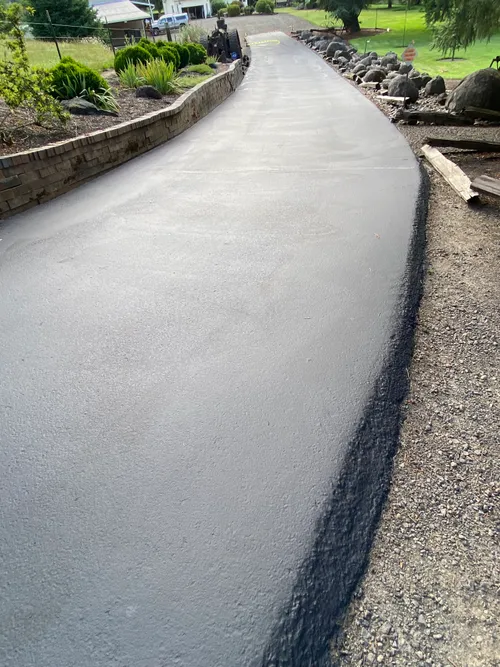
Rapid Sealcoating
Portland, OR
Rapid Sealcoating is a parking lot paving and maintenance company based in Portland, OR. They provide a range of asphalt services including new installation, maintenance such as crack sealing and pothole repair, resurfacing, and repairs for various pavement conditions. The company also offers parking lot striping and marking to enhance safety and organization on properties.
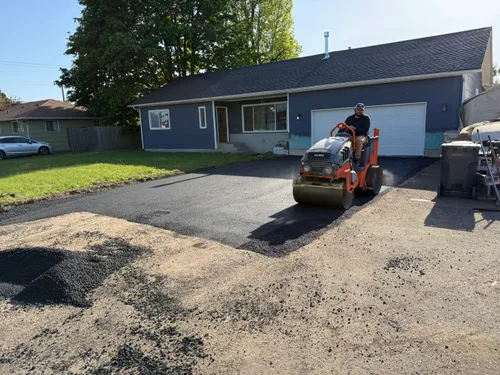
Asphalt service
5200 Meadows Rd, Lake Oswego, OR 97035
Asphalt Service provides residential and commercial asphalt paving services in Portland, OR. They handle a range of projects from new construction to small repairs, including driveways, walking paths, parking areas, and sidewalks. The company serves both Washington and Oregon with skilled tradesmen and quality paving materials. Their capabilities include asphalt paving, sealcoating, crack filling, and general asphalt maintenance.
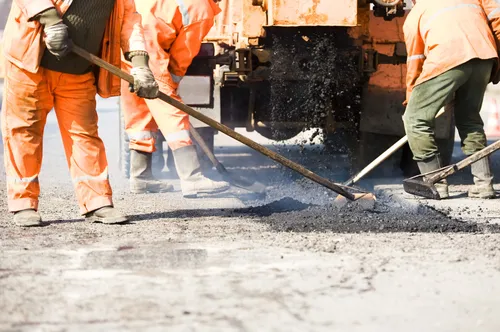
Bud Bellamy & Son Paving
2053 SE 1st St, Gresham, OR 97080
Bud Bellamy & Son Paving is a family-owned asphalt paving contractor serving Portland, OR, and the Oregon Tri-County Area. Established in 1978, they provide commercial and residential asphalt services including new paving, resurfacing, repair, and maintenance for parking lots, driveways, public roadways, and industrial parks. Their expertise includes asphalt overlay and pothole repair, with a focus on cost-effective project strategies and clear communication. The company offers a peace of mind warranty and has built its business on repeat and referral customers over more than 40 years.
What is Parking Lot Resurfacing?
Parking lot resurfacing, often called an asphalt overlay, is a major maintenance procedure designed to rehabilitate a pavement that is showing signs of surface wear but still has a structurally sound base. It is the ideal solution for lots with issues like widespread cracking, raveling (loose stones), minor surface irregularities, and faded markings. The core principle is to mill off the top 1.5 to 3 inches of deteriorated asphalt, repair any underlying base failures, and then install a new, smooth layer of hot-mix asphalt 1. This approach is more cost-effective than a full-depth reconstruction and can add 8 to 15 years of service life to your pavement 2.
The Resurfacing Process: A Step-by-Step Guide
A professional asphalt overlay follows a meticulous sequence to ensure a durable, long-lasting result. Here's what you can expect from a typical project in Vancouver.
1. Site Inspection & Preparation
The process begins with a thorough assessment by the contractor. They will evaluate the existing pavement's condition, checking for drainage issues, the extent of cracking, and any signs of base failure (like potholes or sinking areas). The site is then cleared of debris, vehicles, and any obstacles. Proper drainage evaluation is critical, as water is the primary enemy of asphalt.
2. Milling and Grinding
A milling machine is used to grind off the specified depth of old asphalt-typically between 1.5 and 3 inches. This step creates a clean, uniform surface for the new overlay to bond to and allows contractors to correct minor grade issues. The milled material (reclaimed asphalt pavement or RAP) is often recycled.
3. Base Repairs
Before new asphalt is laid, any damaged sections of the underlying base must be repaired. This may involve excavating soft spots, compacting new gravel, and patching with full-depth asphalt. Neglecting base repairs is a common mistake that leads to premature failure of the new overlay.
4. Tack Coat Application
A thin layer of liquid asphalt emulsion, called a tack coat, is sprayed onto the milled surface. This sticky substance is essential for creating a strong, permanent bond between the old pavement and the new overlay.
5. Asphalt Overlay Installation
Hot-mix asphalt is delivered, spread, and compacted by heavy rollers to the specified depth (usually matching the milled depth). Proper compaction is vital for density and longevity. The new surface will be smooth, black, and ready for curing.
6. Striping and Markings
Once the new asphalt has cured sufficiently-usually after 1 to 2 days-new parking stall lines, directional arrows, crosswalks, and crucially, ADA-compliant handicap markings are applied 3. Fresh striping completes the project, ensuring safety and compliance.
Key Considerations for Vancouver Property Owners
Local Permits and Regulations
In Vancouver, a commercial building permit is required for paving projects on private property 4. Furthermore, if any part of the work impacts the public right-of-way (e.g., driveway aprons, sidewalks), a separate right-of-way permit must be obtained, and the city typically requires it to be issued to an approved, licensed contractor 5. Always verify your contractor's familiarity with City of Vancouver requirements.
ADA Compliance is Mandatory
When you resurface a parking lot, you are legally obligated to bring it into compliance with the federal Americans with Disabilities Act (ADA) and local building codes. This includes providing the correct number of accessible parking spaces with proper signage, ensuring access aisles are the right width, and most importantly, that the slopes in these areas do not exceed 2% in any direction 6. A reputable contractor will factor this into the project plan.
Importance of Proper Grading and Drainage
Effective drainage is non-negotiable in the Pacific Northwest. The City of Vancouver's standards require proper grading to prevent water from pooling on the pavement. Ponding water accelerates deterioration through freeze-thaw cycles and weakens the asphalt binder. A minimum slope of 2% (0.25 inches per foot) is generally recommended to channel water toward drains or perimeters 7 8. Your contractor should perform a grading analysis as part of the initial inspection.
Find the perfect parking lot resurfacing contractors for your needs
Get personalized recommendations and expert advice
Timing Your Project: Vancouver's Paving Season
The climate dictates the paving schedule. The optimal window for asphalt overlay work in Vancouver is during the dry season, typically from mid-June through early September9. Asphalt needs dry conditions and warm temperatures to be mixed, transported, placed, and compacted properly. Rain or cold weather can delay schedules and compromise the quality of the installation. Planning and preparatory work like crack sealing often occur in the spring (March to early July) to be ready for the peak paving season 9.
Understanding Costs for Parking Lot Resurfacing in Vancouver
The cost of parking lot resurfacing is primarily quoted per square foot. In Vancouver, you can expect a typical range of $1 to $3 per square foot for a standard overlay project 10. Several factors influence where your project falls within this range:
- Project Size: Economies of scale apply. A small lot (up to 10,000 sq ft) may cost closer to $2-$3 per sq ft due to fixed mobilization costs. A large lot (50,000+ sq ft) often sees costs at the lower end, around $1-$2 per sq ft.
- Site Conditions: The need for significant base repairs, extensive drainage correction, or removal of old concrete will increase costs.
- Asphalt Material Costs: Fluctuations in the price of oil and aggregate affect material prices.
- Scope of Work: The complexity of striping, the number of ADA spaces, and additional features like wheel stops or sealcoating add to the final price.
Important Distinction: Resurfacing (overlay) is different from full repaving (reconstruction), which involves removing all asphalt and base material and rebuilding from the ground up. Repaving costs significantly more, generally ranging from $4 to $10 per square foot 11.
How to Choose a Qualified Contractor
Selecting the right partner is critical for a project that meets code, stays on budget, and lasts for years.
- Verify Licensing and Insurance: Ensure they are licensed to work in Washington State and carry both liability and workers' compensation insurance.
- Check Local Experience: Ask for examples of recent projects in Vancouver or Clark County. A contractor familiar with local inspectors and city standards (like the Transportation Development Review and Capital Standard Plans 12) will navigate the process more smoothly.
- Review the Proposal in Detail: A professional quote should be itemized, including costs for milling, base repair, asphalt tonnage, compaction, striping, permits, and cleanup. It should also specify the asphalt mix type and compacted depth.
- Ask About Warranties: Reputable contractors stand behind their workmanship with a warranty. Understand what is covered and for how long.
Frequently asked questions
Sources
Footnotes
-
Parking Lot Resurfacing: Complete Cost Guide & Process [2025] - C&C Super Seal - https://www.candcsuperseal.com/parking-lot-resurfacing-complete-cost-guide-process-2025/ ↩
-
Parking Lot Resurfacing Questions Answered - HMA Contracting - https://www.hmacontracting.com/news/parking-lot-resurfacing-questions-answered/ ↩
-
Vancouver Pavement Striping Contractors | Parking Lot Line ... - https://portersealandpave.com/vancouver-pavement-striping-contractors/ ↩
-
Commercial Building Permits - City of Vancouver - https://www.cityofvancouver.us/business/building-construction/commercial-building-permits/ ↩
-
Driveway or New RV Pad Permits - City of Vancouver - https://www.cityofvancouver.us/business/building-construction/residential-building-permits/driveway-or-new-rv-pad-permits/ ↩
-
Parking Lots | Washington Asphalt Pavement Association - https://www.asphaltwa.com/parking-lots/ ↩
-
Parking Lot Grading in Portland OR - William Stanley & Sons Paving - https://pavinu.com/services-parking-lot-grading/ ↩
-
Parking Lot Grading in Portland OR - https://pavinu.com/services-parking-lot-grading/ ↩
-
Pavement Management - City of Vancouver - https://www.cityofvancouver.us/government/department/public-works/pavement-management/ ↩ ↩2
-
Parking Lot Resurfacing: Complete Cost Guide & Process [2025] - https://www.candcsuperseal.com/parking-lot-resurfacing-complete-cost-guide-process-2025/ ↩
-
Parking Lot Resurfacing: Complete Cost Guide & Process [2025] - https://www.candcsuperseal.com/parking-lot-resurfacing-complete-cost-guide-process-2025/ ↩
-
Transportation Development Review and Capital Standard Plans ( ... - https://www.cityofvancouver.us/government/department/public-works/transportation-development-review-and-capital-standard-plans-details/ ↩