Find the Best Parking Lot Resurfacing Contractors for Your Business
No obligation • Fast responses • Nationwide coverage
Why you can trust Tidy Parking
Tidy Parking is a leading U.S. source for parking lot maintenance services, including striping, sealcoating, sweeping, paving, resurfacing, and repairs. Our content is created independently, and providers cannot pay to influence ratings or recommendations.
Search providers near you
Top Parking Lot Resurfacing Contractors in Sammamish, Washington Ranked
A parking lot resurfacing project is a major investment in your property's safety, appearance, and longevity. In Sammamish, this process involves installing a new layer of asphalt over an existing, structurally sound pavement base to address surface wear, cracking, and weathering. Properly executed asphalt overlay restores a smooth, durable, and professional surface while correcting drainage issues and ensuring compliance with local codes. This guide explains the local process, costs, and regulations to help you plan your project and connect with qualified paving professionals in the area.
Paradise Asphalt Solutions
Seattle, WA
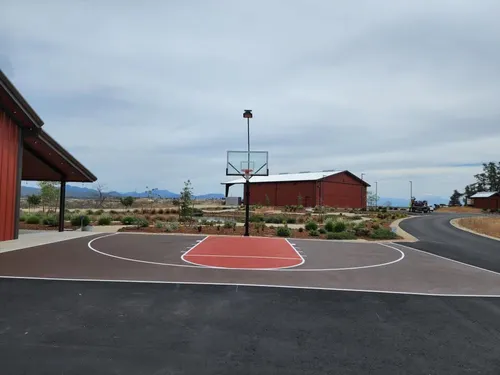
Paradise Asphalt Solutions is an asphalt contractor based in Seattle, WA, offering a wide range of services including paving, patching, striping, sealcoating, and driveway installation. They serve both residential and commercial clients, focusing on durable and high-quality asphalt solutions tailored to local weather conditions. Their capabilities include asphalt patching using techniques like infrared patching and full-depth repairs to extend pavement life. Paradise Asphalt Solutions emphasizes the use of premium materials and advanced equipment to ensure long-lasting results.
Seattle, WA Paving
Seattle, WA
Seattle WA Paving is a commercial and residential paving company based in Seattle, WA. They offer a wide range of services including parking lot paving, seal coating, resurfacing, repair, concrete curbing, and driveway installation. Serving the metro Seattle area and surrounding communities, they handle projects from small driveways to large commercial parking lots. The company provides both asphalt and concrete paving solutions, with capabilities such as asphalt overlay and concrete curbs. Seattle WA Paving emphasizes sustainable practices by recycling asphalt materials and customizing pavement mixes for various traffic loads.
Tacoma Paving
Tacoma, WA
Tacoma Paving is a locally owned paving company serving Tacoma, WA, and nearby communities including Lakewood, Parkland, and Puyallup. They specialize in asphalt and concrete paving for residential and commercial properties, offering services such as parking lot installation, driveway paving, sealcoating, resurfacing, and line striping. Their capabilities include grading and excavation to ensure stable and well-drained surfaces. With over 10 years of experience, Tacoma Paving supports a variety of clients from businesses to community organizations.
Ace Asphalt Paving
8702 124th Ave NE, Kirkland, WA 98033
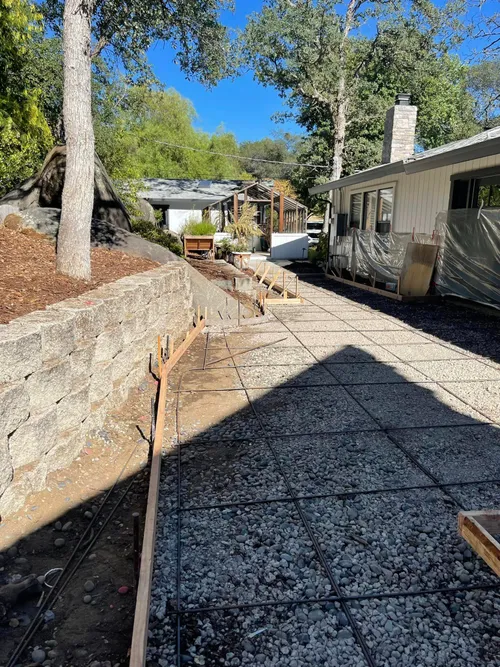
Ace Asphalt Paving is an asphalt contractor based in Seattle, WA, offering a range of services including asphalt paving, patching, striping, sealcoating, driveway installation, and parking lot maintenance. They serve both residential and commercial clients, using high-quality materials and modern equipment to deliver durable and functional pavement solutions. Their expertise includes asphalt patching to repair cracks and potholes, as well as professional striping to ensure clear and compliant markings for parking lots and driveways. Ace Asphalt Paving has years of experience in the industry and focuses on providing cost-effective solutions tailored to customer needs.
All Cities Asphalt Paving
Everett, WA
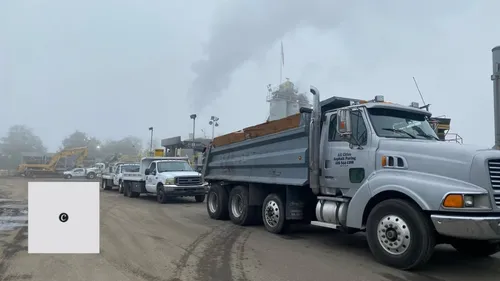
All Cities Asphalt Paving is a licensed asphalt contractor based in Everett, WA, serving Snohomish and North King County. The company specializes in asphalt paving, parking lot repair, sealcoating, resurfacing, and driveway upgrades. They focus on proper base preparation, grading, and water management to ensure durable pavement that withstands local weather conditions. Owner-operated, All Cities Asphalt Paving provides direct communication and oversees every project from estimate to completion.
Understanding the Resurfacing Process
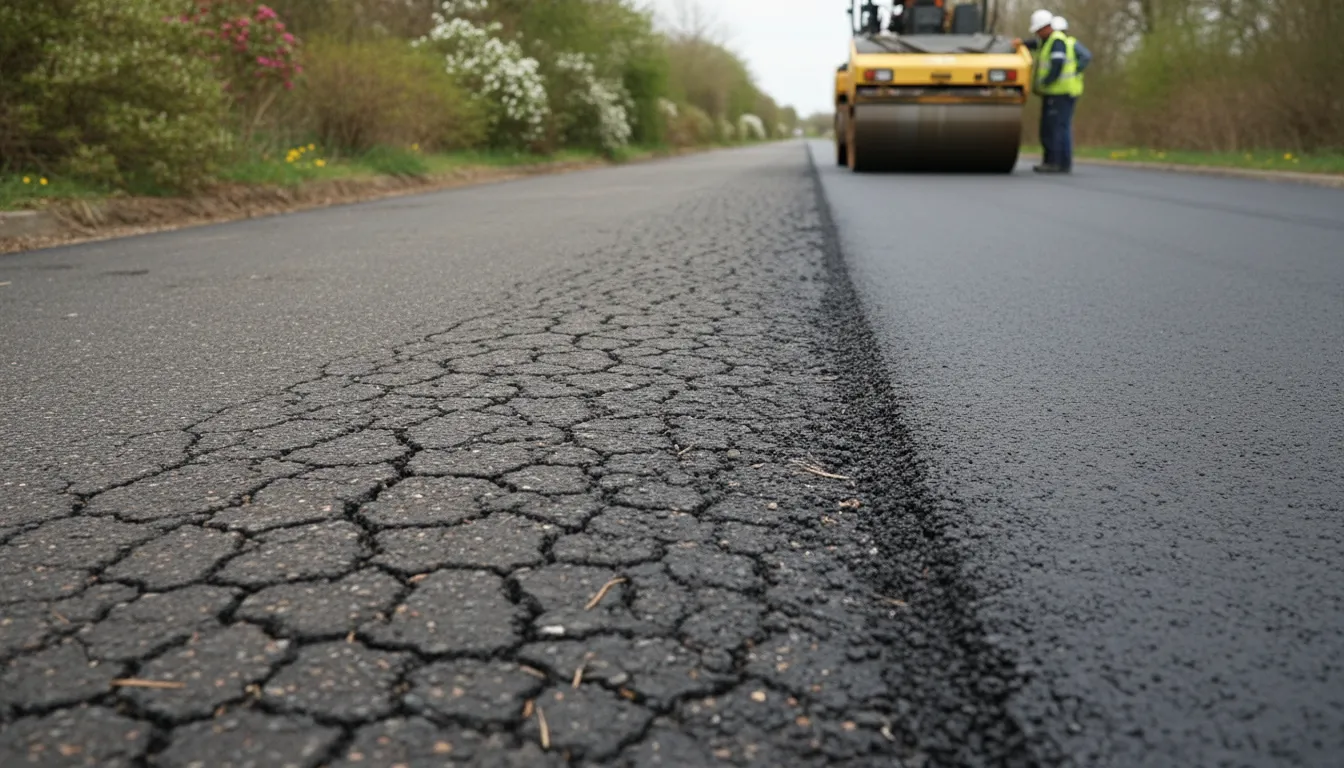
Parking lot resurfacing, also known as an asphalt overlay, is a multi-step construction process designed for pavements with a solid foundation. It is not a solution for failed bases, which would require full reconstruction. The goal is to extend the life of your pavement by 8-15 years with a new wearing surface.
The typical workflow for a commercial paving project in Sammamish follows these key stages:
- Site Assessment: A professional contractor will first evaluate the existing pavement's condition. They check for subgrade stability, drainage, and the extent of surface damage to confirm that resurfacing is the appropriate solution.
- Permitting: Before any work begins, necessary permits must be secured. For projects that impact city property like driveway aprons or require construction vehicle access from the street, a Right-of-Way (ROW) permit from Sammamish Public Works is mandatory. Applications are submitted through the city's online portal, MyBuildingPermit.com.
- Cleaning and Milling: The existing surface is thoroughly cleaned. If elevation changes are needed to meet curb heights or improve drainage, the top layer of old asphalt may be milled (ground) off.
- Repair & Preparation: Any remaining potholes, cracks, or localized failures are repaired to create a uniform, stable base for the new overlay.
- Overlay Installation: A new layer of hot-mix asphalt, typically 1.5 to 2 inches thick, is precisely spread and leveled over the prepared base.
- Compaction: Heavy rollers compact the new asphalt while it is still hot to achieve the required density, which is critical for long-term durability and resistance to rutting 1.
- Striping & Cleanup: Once the new pavement has cured, fresh traffic paint is applied for parking stalls, directional arrows, and ADA-compliant markings. The site is then cleaned of all debris.
Local Regulations and Compliance in Sammamish
Adhering to Sammamish's specific standards is non-negotiable for a successful project. Key local requirements include:
- Right-of-Way Permits: Any work that occupies or uses city property for access, material storage, or equipment placement requires a permit. The application process can take time, so it's a critical first step in planning 2 3.
- Drainage and Slope: Washington paving standards emphasize proper water runoff. Pavement must be sloped a minimum of 2% (approximately 0.25 inches per foot) to prevent dangerous ponding and ice formation, which accelerates deterioration 4 5.
- ADA Compliance: Resurfacing a parking lot often triggers the need to update accessible elements to current Americans with Disabilities Act (ADA) standards. This may include reconfiguring accessible parking stalls, updating curb ramps, and ensuring accessible routes from the lot to building entrances 6.
- Environmental Review: Sammamish has regulations protecting critical areas like wetlands and steep slopes. If your property contains or is near such an area, your project may require an environmental review before a permit is issued 7.
The Importance of Weather and Timing
Washington's climate plays a decisive role in scheduling asphalt work. The quality of the final pavement is highly dependent on weather conditions during installation.
- Temperature: Asphalt must be laid and compacted while it is hot and pliable. Ideal paving temperatures are above 50°F (10°C). Cold temperatures cause the asphalt to cool too quickly, preventing proper compaction and leading to premature raveling and cracking.
- Rain and Moisture: Surface water is the enemy of fresh asphalt. It cools the mix prematurely and prevents proper bonding between the old and new layers, leading to failures like cold seams. The wet winter and spring months in the Pacific Northwest pose a significant risk for delays and poor results.
- Optimal Season: For the most reliable outcomes, plan your parking lot overlay project for the drier, warmer months, typically between May and September. This window provides the best chance for consistent weather, allowing the new pavement to cure properly for maximum durability.
Find the perfect parking lot resurfacing contractors for your needs
Get personalized recommendations and expert advice
Cost Factors for Resurfacing in Sammamish
The cost of parking lot resurfacing is typically quoted per square foot and can vary based on several project-specific factors. Understanding these can help you develop a realistic budget.
- Project Size: Economies of scale apply. A large lot, such as for a shopping center, will generally have a lower cost per square foot ($0.75-$2.50+) due to the efficiency of covering large, open areas. A smaller lot for a retail strip or office may range from $1.00-$3.00+ per square foot 8 9.
- Preparation Work: The condition of your existing pavement directly impacts cost. A lot requiring extensive crack sealing, pothole repair, or milling to correct drainage will cost more than one needing minimal prep.
- Material and Labor Costs: Fluctuations in the price of asphalt oil, aggregate, and regional labor rates are reflected in project bids. These market conditions are a primary driver of cost variability 10.
- Additional Requirements: Costs for permits, updated ADA compliance markings, and any necessary drainage modifications should be included in the overall project estimate.
Planning Your Project Timeline
A well-planned schedule manages expectations and minimizes disruption. A standard resurfacing project involves both administrative and construction phases.
- Permitting Phase (2-12 weeks): This is often the longest lead-time item. Initiating the permit application process early is crucial, especially for projects requiring ROW permits or environmental review. Allowing 8 or more weeks for this phase is a prudent precaution 11.
- Preparation & Milling (1-2 days): The on-site work begins with cleaning, repairs, and any necessary milling. This phase is dependent on having a stable, dry subgrade 12.
- Paving & Compaction (1-3 days): The actual overlay installation is relatively fast but is entirely constrained by dry, warm weather. Contractors will monitor forecasts closely and may need to reschedule if rain is imminent 13.
- Curing & Striping (1-2 days after paving): The new asphalt needs time to cool and harden before striping equipment can be used without damaging the surface.
Choosing a Local Paving Contractor
Selecting the right partner is essential. Look for a contractor with proven experience in the Sammamish area. They should be familiar with local permit processes, Public Works standards, and the challenges of working in the regional climate. A reputable provider will offer a detailed written estimate, clearly outline the project timeline, and carry appropriate insurance and licensing. They should also be able to explain how they will manage site drainage and ensure ADA compliance as part of the resurfacing plan.
Frequently asked questions
Sources
Footnotes
-
A Complete Guide to Parking Lot Resurfacing - https://mcconnellassociates.org/a-complete-guide-to-parking-lot-resurfacing/ ↩
-
Right-of-Way Use Permits - City of Sammamish - https://www.sammamish.us/government/public-works/resources/right-of-way-use-permits/ ↩
-
TYPE C RIGHT-OF-WAY PERMIT APPLICATION - City of Sammamish - https://www.sammamish.us/media/fbrmdt0s/row-type-c-application_final.pdf ↩
-
Parking Lots | Washington Asphalt Pavement Association - https://www.asphaltwa.com/parking-lots/ ↩
-
Public Works Standards - City of Sammamish - https://www.sammamish.us/media/ot2ni31f/2366.pdf ↩
-
Pavement Management Program | City of Sammamish - https://www.sammamish.us/projects/pavement-management-program/ ↩
-
ENVIRONMENT & SUSTAINABILITY - City of Sammamish - https://www.sammamish.us/media/jltb2wqo/critical-areas-ordinance-update-clean.pdf?handle=FAC4E737CA544DAFA5ABD6655FB1C4FF ↩
-
Parking Lot Resurfacing: Complete Cost Guide & Process [2025] - https://www.candcsuperseal.com/parking-lot-resurfacing-complete-cost-guide-process-2025/ ↩
-
How Expensive is a Concrete Parking Lot? - https://info.miconcrete.org/blog/how-expensive-is-a-concrete-parking-lot ↩
-
How to Budget for Commercial Parking Lot Paving Projects - https://thepavementgroup.com/how-to-budget-for-commercial-parking-lot-paving-projects/ ↩
-
Permit Center - Getting Started and FAQs - City of Sammamish - https://www.sammamish.us/government/community-development/permit-center/getting-started-and-faqs/ ↩
-
Commercial Parking Lot Paving Costs and Timelines - https://www.kandlindustries.com/commercial-parking-lot-paving-costs/ ↩
-
Step-by-Step Guide to Planning Your Commercial Asphalt Paving Project - https://thepavementgroup.com/step-by-step-guide-to-planning-your-commercial-asphalt-paving-project/ ↩