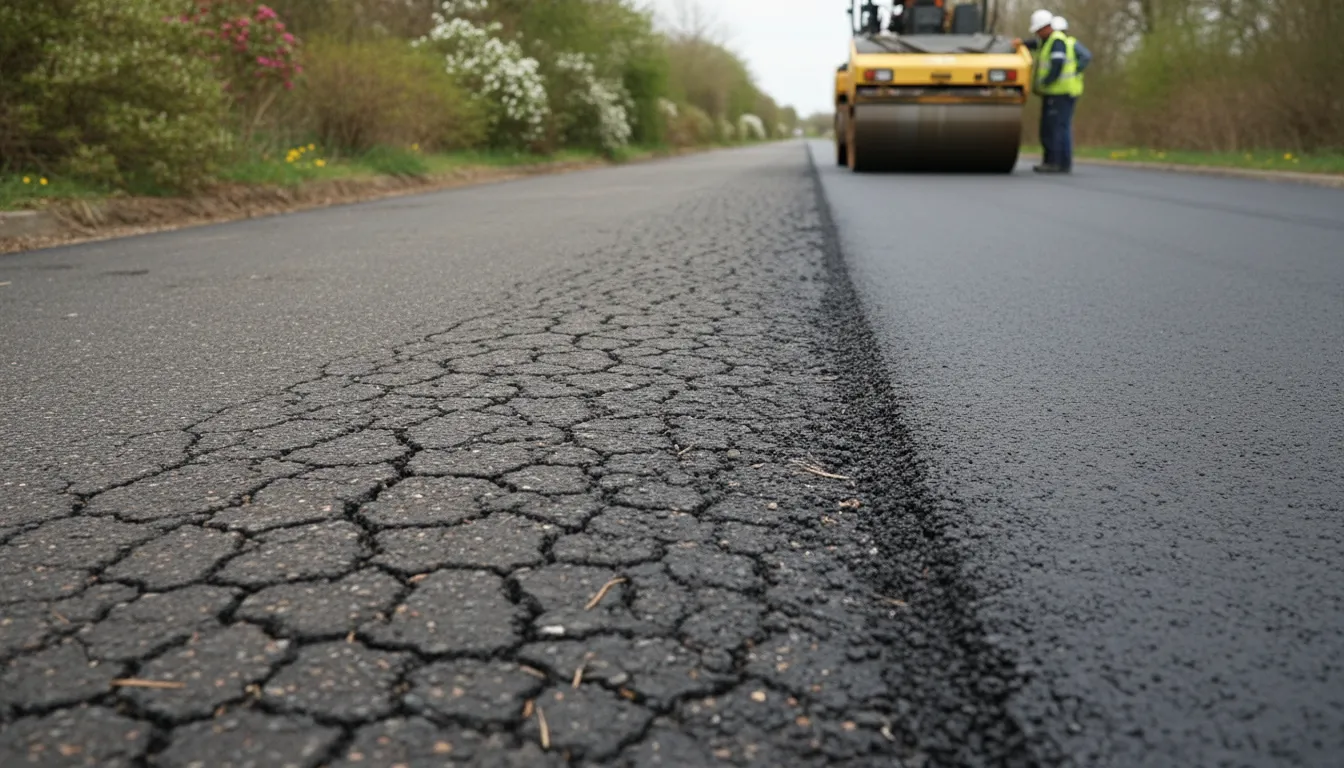
Find the Best Parking Lot Resurfacing Contractors for Your Business
No obligation • Fast responses • Nationwide coverage
Why you can trust Tidy Parking
Tidy Parking is a leading U.S. source for parking lot maintenance services, including striping, sealcoating, sweeping, paving, resurfacing, and repairs. Our content is created independently, and providers cannot pay to influence ratings or recommendations.
Search providers near you
Top Parking Lot Resurfacing Contractors in Portland, Oregon Ranked
Parking lot resurfacing is a strategic maintenance solution for Portland properties with asphalt that is structurally sound but shows significant surface wear. This process, also known as an overlay, involves placing a fresh layer of asphalt over the existing pavement, restoring a smooth, safe, and professional appearance. For business and property owners in Portland, understanding the local process, regulations, and ideal timing is key to a successful project. This guide provides the essential information to help you plan your parking lot overlay and connect with qualified local professionals.
William Stanley & Sons Paving
5933 NE Win Sivers Dr #205, Portland, OR 97220
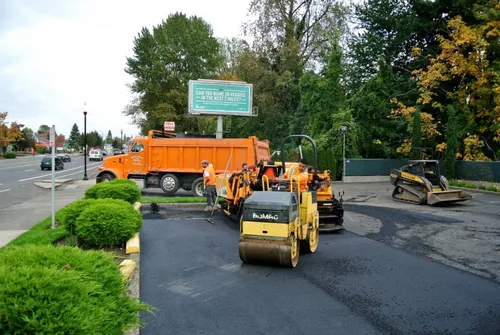
William Stanley & Sons Paving is a third-generation, family-owned paving company serving Portland, OR, and the surrounding metro area. With over 30 years of experience, they provide residential and commercial paving services including driveway installations, parking lot paving, sealcoating, striping, grading, crack sealing, and asphalt resurfacing. Their expertise extends to ADA-compliant parking striping and eco-friendly permeable asphalt solutions. The company emphasizes quality craftsmanship and local knowledge, working year-round to meet diverse paving needs.
Affordable Paving & Seal Coating
12101 SE 282nd Ave, Boring, OR 97009
Affordable Paving & Seal Coating is a family-owned asphalt contractor serving Portland, OR, and nearby areas. With over 25 years of experience, they provide residential and commercial paving services including driveway installation, parking lot paving, sealcoating, striping, resurfacing, and asphalt repairs. Their capabilities cover a wide range of asphalt work from small repairs to large development projects, ensuring durable and well-maintained surfaces. The company emphasizes honest estimates and fair pricing, delivering projects with attention to detail and respect for clients' properties.
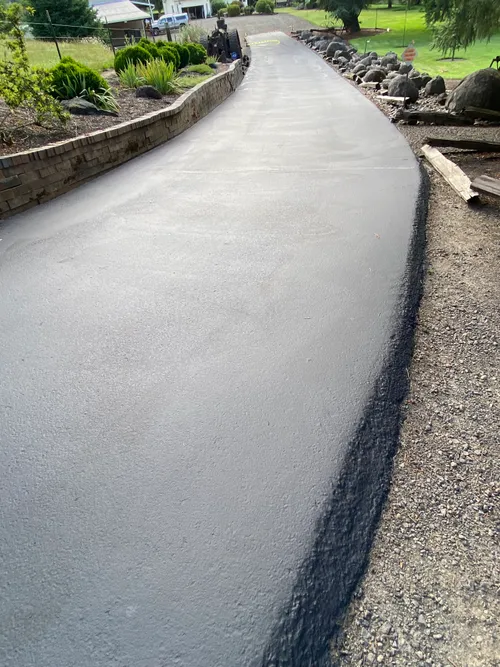
Rapid Sealcoating
Portland, OR
Rapid Sealcoating is a parking lot paving and maintenance company based in Portland, OR. They provide a range of asphalt services including new installation, maintenance such as crack sealing and pothole repair, resurfacing, and repairs for various pavement conditions. The company also offers parking lot striping and marking to enhance safety and organization on properties.
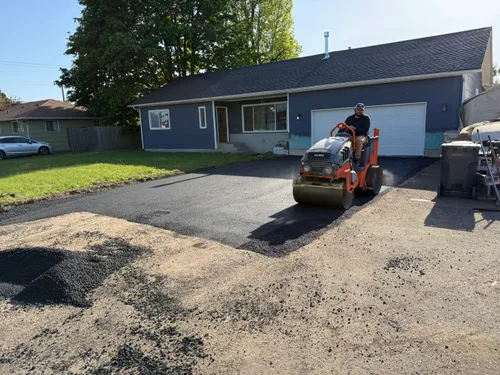
Asphalt service
5200 Meadows Rd, Lake Oswego, OR 97035
Asphalt Service provides residential and commercial asphalt paving services in Portland, OR. They handle a range of projects from new construction to small repairs, including driveways, walking paths, parking areas, and sidewalks. The company serves both Washington and Oregon with skilled tradesmen and quality paving materials. Their capabilities include asphalt paving, sealcoating, crack filling, and general asphalt maintenance.
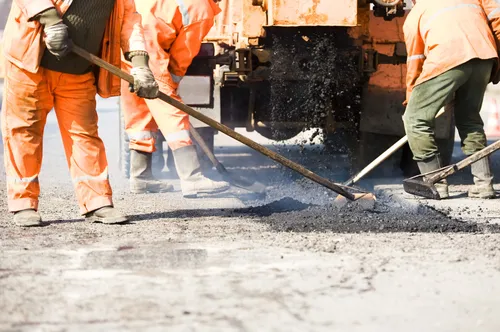
Bud Bellamy & Son Paving
2053 SE 1st St, Gresham, OR 97080
Bud Bellamy & Son Paving is a family-owned asphalt paving contractor serving Portland, OR, and the Oregon Tri-County Area. Established in 1978, they provide commercial and residential asphalt services including new paving, resurfacing, repair, and maintenance for parking lots, driveways, public roadways, and industrial parks. Their expertise includes asphalt overlay and pothole repair, with a focus on cost-effective project strategies and clear communication. The company offers a peace of mind warranty and has built its business on repeat and referral customers over more than 40 years.
What is Parking Lot Resurfacing?
Parking lot resurfacing is a cost-effective rehabilitation technique designed for asphalt pavements with a stable base but deteriorated surface conditions like extensive cracking, raveling, or weathering. Unlike a full reconstruction, which involves excavating down to the subgrade, resurfacing preserves the underlying structure. The process typically involves milling off the top 1.5 to 3 inches of damaged asphalt and then installing a new layer of hot-mix asphalt, usually 1.5 to 2 inches thick. This approach is ideal for lots under 20 years old that are experiencing surface-level distress but do not have foundational failures. It effectively extends the pavement's life by 8 to 15 years at a fraction of the cost of a full replacement.
The Resurfacing Process: A Step-by-Step Guide
A professional asphalt overlay in Portland follows a meticulous sequence to ensure longevity and compliance.
- Site Assessment and Planning: A reputable contractor will first evaluate your lot's drainage, soil stability, and elevation. This critical step ensures the project complies with Portland's specific codes, particularly regarding stormwater management.
- Surface Preparation & Milling: The worn surface layer is removed using a milling machine. This step creates a clean, level substrate for the new asphalt and is crucial for maintaining proper drainage slopes and curb reveal heights.
- Repair and Cleaning: Any remaining potholes or deep cracks in the exposed base are repaired. The entire milled surface is then thoroughly swept and cleaned to remove all debris and dust 1.
- Tack Coat Application: A thin layer of liquid asphalt (tack coat) is applied. This sticky adhesive is essential for creating a strong, lasting bond between the old pavement and the new overlay.
- Paving/Overlay: New hot-mix asphalt is delivered from a local plant, spread with a paver, and roughly graded to the correct slope for drainage.
- Compaction: While the asphalt is still hot, heavy steel-wheel and pneumatic rollers compact it. Proper compaction is vital for density and durability, preventing premature raveling and cracking 2.
- Striping and Finishing: Once the new surface has cured, fresh pavement markings are applied. In Portland, this must include bringing any affected curb ramps up to current ADA (Americans with Disabilities Act) standards.
Portland Regulations and Permit Requirements
Navigating local regulations is a non-negotiable part of any paving project in Portland. Compliance protects you from fines and ensures public safety.
- Development Permit: A City of Portland Development Permit is generally required for resurfacing work.
- Minor Improvement Permit (MIP): If your project includes voluntary repairs to sidewalks, curbs, or driveways within the public right-of-way, you must obtain an MIP from the Portland Bureau of Transportation (PBOT). The fee is approximately $2.10 per square foot, with a minimum of $75 and a maximum of $248 3.
- Public Works Permit: Larger projects that impact public infrastructure, like altering a driveway apron or curb line, require a more comprehensive Public Works Permit 4.
- ADA Compliance: Federal law mandates that any resurfacing project that alters a pedestrian access route must update associated curb ramps to current ADA standards. This is a critical and legally required component of the finishing work 5.
- Stormwater Management: Portland City Code Chapter 17.38 and the city's Stormwater Management Manual require that paved surfaces be designed with a 1-2% slope to direct water to appropriate drains or landscaping, preventing pooling and runoff issues 6.
- Contractor Licensing: Always verify that your contractor holds an active license with the Oregon Construction Contractors Board (CCB). This provides you with essential consumer protections 7.
Optimal Timing and Weather Considerations in Portland
Portland's climate makes timing one of the most important factors for a successful asphalt overlay. The chemical bonding and proper curing of asphalt are highly dependent on temperature and moisture levels.
- Best Month: July is widely considered the premier month for asphalt resurfacing in the Portland metro area. Average rainfall drops to around 0.6 inches, and the region often experiences dry, warm stretches of 10 to 14 days, which is ideal for curing.
- Ideal Temperatures: Air and ground temperatures between 70°F and 90°F are optimal. These conditions allow the hot-mix asphalt to remain workable long enough for proper placement and compaction, while also enabling it to cure quickly and achieve maximum strength 8 9.
- Risky Seasons: Winter (December-February) should be avoided. Portland's freeze-thaw cycles are particularly damaging to new asphalt. Water seeps into tiny pores, freezes and expands, causing cracks and premature failure 10. Cold, wet weather prevents proper curing and bonding.
- Planning Ahead: Due to the short ideal paving window, contractor schedules fill up rapidly. To secure a spot during the optimal July period, it is strongly advised to begin consulting with contractors and scheduling your project in May or early June.
Find the perfect parking lot resurfacing contractors for your needs
Get personalized recommendations and expert advice
Cost of Resurfacing in Portland
Understanding the budget for a parking lot overlay helps in planning and comparing proposals. In Portland, the average cost for resurfacing (including milling and overlay) ranges from $1.50 to $3.00 per square foot 11.
- Small Lot (e.g., 5,000 sq. ft.): Approximately $7,500 - $15,000
- Large Lot (e.g., 50,000 sq. ft.): Approximately $75,000 - $150,000
These estimates can vary based on several factors: the extent of crack repair needed before the overlay, the depth of milling required, the distance from the asphalt plant (affecting trucking costs), and the specific permit requirements for your site.
Resurfacing vs. Full Replacement
How do you know if an overlay is the right choice? The decision hinges on the condition of your pavement's base. The following comparison can help guide your assessment:
| Feature | Resurfacing (Overlay) | Full Replacement |
|---|---|---|
| Cost (per sq. ft.) | $1 - $3 12 | $4 - $10 |
| Lifespan | 8 - 15 Years | 20 - 25 Years |
| Duration | 1 - 3 Days | 1 - 2 Weeks |
| Ideal For | Pavement with a sound base but surface damage (cracks, weathering) | Pavement with a failed base, severe alligator cracking, or deep structural issues |
A professional assessment is the only way to determine the true condition of your pavement's foundation. A reputable contractor will perform core samples or other tests to recommend the most appropriate and cost-effective solution.
Maintaining Your Newly Resurfaced Lot
Protecting your investment starts as soon as the project is complete. Allow the new asphalt the full recommended time to cure before opening to traffic. Implement a routine maintenance plan that includes regular cleaning to prevent debris and oil stains, prompt crack sealing to keep water out of the base, and a protective sealcoating application every 2-3 years. Sealcoating acts as a sunscreen and waterproofing layer, significantly extending the life and appearance of your resurfaced pavement 13.
Frequently asked questions
Sources
Footnotes
-
How To Budget for Repaving a Parking Lot or Playground - - https://arnoldasphalt.com/how-to-budget-for-repaving-a-parking-lot-or-playground/ ↩
-
Parking Lot Paving Services in Portland OR - https://pavinu.com/commercial-parking-lot-paving/ ↩
-
Apply for a voluntary sidewalk, curb or driveway repair permit - https://www.portland.gov/transportation/permitting/apply-sidewalk-curb-or-driveway-repair-permit ↩
-
Public Works Permitting | Portland.gov - https://www.portland.gov/ppd/infrastructure/public-works ↩
-
Pavement Resurfacing and Preservation - Portland.gov - https://www.portland.gov/transportation/pbot-projects/construction/pavement-resurfacing-and-preservation ↩
-
Parking Lot Grading in Portland OR - https://pavinu.com/services-parking-lot-grading/ ↩
-
Additional Contractor Requirements (Construction Only) - https://www.portland.gov/business-opportunities/resources/additional-construction-requirements ↩
-
Ideal Weather and Seasonal Conditions for Asphalt Projects - https://www.rmserviceco.com/ideal-weather-and-seasonal-conditions-for-asphalt-maintenance-projects/ ↩
-
Best Time of Year to Repair That Parking Lot - https://sunstarsealcoating.com/2023/05/best-time-of-year-to-repair-that-parking-lot/ ↩
-
How Freeze-Thaw Cycles Can Damage Asphalt in Portland Oregon - https://www.kandlindustries.com/how-freeze-thaw-cycles-damage-asphalt-in-portland-oregon/ ↩
-
How Much Does Parking Lot Paving Cost in 2025? - Eli's Paving - https://elispaving.com/how-much-does-parking-lot-paving-cost-in-2025/ ↩
-
Parking Lot Resurfacing: Complete Cost Guide & Process [2025] - https://www.candcsuperseal.com/parking-lot-resurfacing-complete-cost-guide-process-2025/ ↩
-
Best Time to Sealcoat in the Portland Metro Area - https://www.cojoasphalt.com/blog/best-time-sealcoat-portland-metro ↩