Find the Best Parking Lot Resurfacing Contractors for Your Business
No obligation • Fast responses • Nationwide coverage
Why you can trust Tidy Parking
Tidy Parking is a leading U.S. source for parking lot maintenance services, including striping, sealcoating, sweeping, paving, resurfacing, and repairs. Our content is created independently, and providers cannot pay to influence ratings or recommendations.
Search providers near you
Top Parking Lot Resurfacing Contractors in New York, New York Ranked
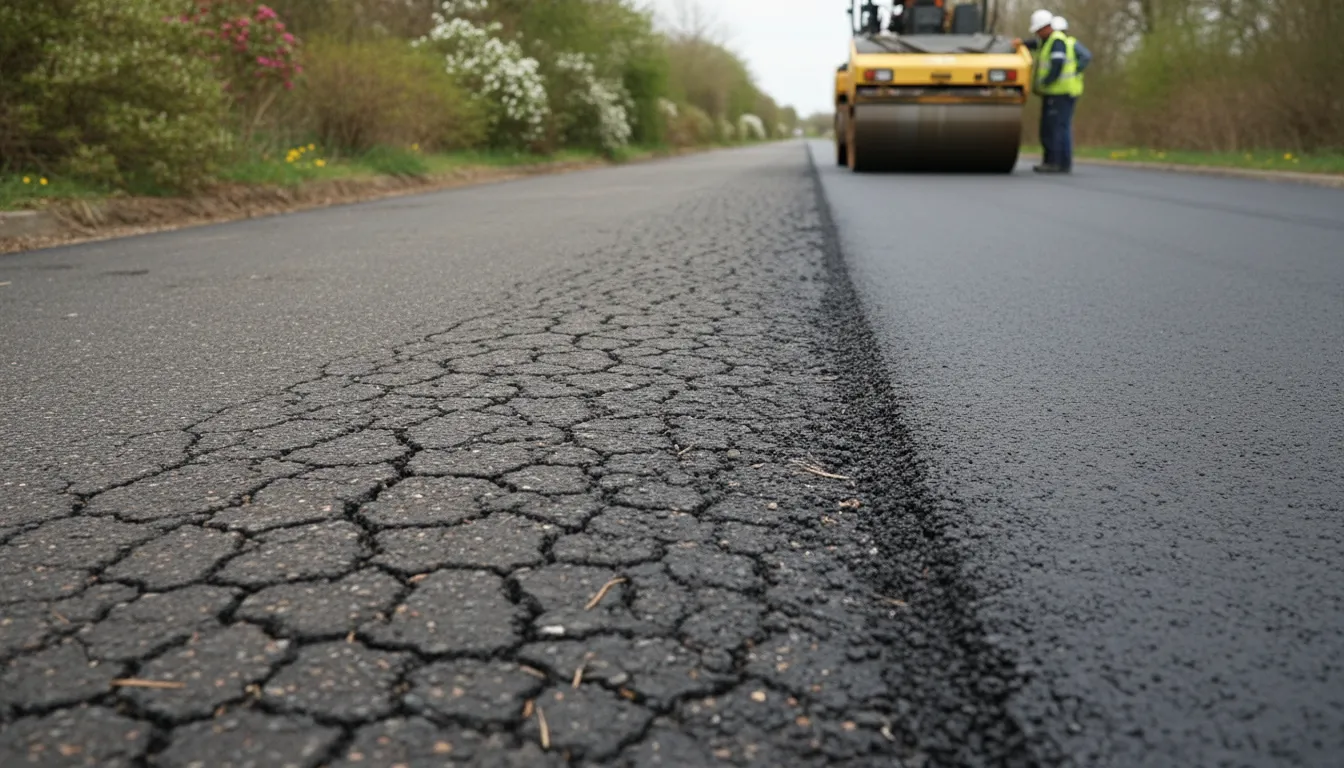
Parking lot resurfacing is a critical maintenance procedure that restores a worn, cracked, or faded asphalt surface by applying a new layer of asphalt over the existing pavement. This process, also known as an asphalt overlay, is essential for extending the life of your pavement, improving safety, and maintaining a professional appearance for your property. For property managers and business owners in New York City, navigating the local regulations and climate challenges is key to a successful project. This guide explains the process, costs, and local considerations to help you connect with qualified paving professionals in the five boroughs.
United Blacktop
New York, NY
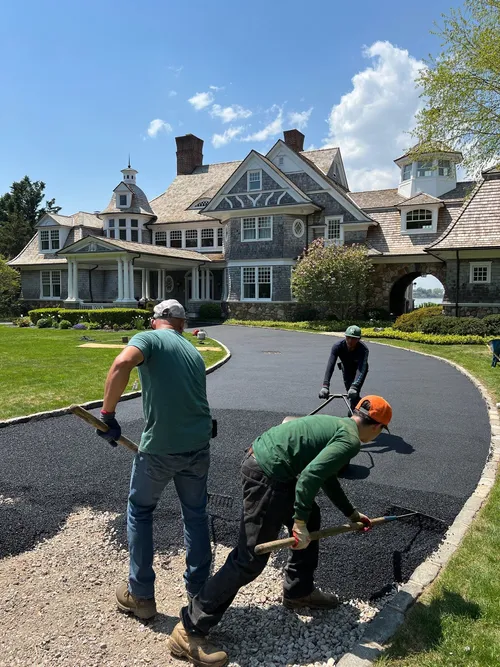
United Blacktop is a family-owned asphalt and paving company serving New York, NY, with over 20 years of industry experience. They provide a range of services including driveway sealcoating, crack filling and repair, sports court resurfacing, asphalt paving, concrete and brick pavers, as well as commercial parking lot maintenance. Their team is known for using premium materials and offering warranties on all workmanship and materials.
Stone Master Paving & Construction Corp.
914 Hermann Rd, North Brunswick Township, NJ 08902
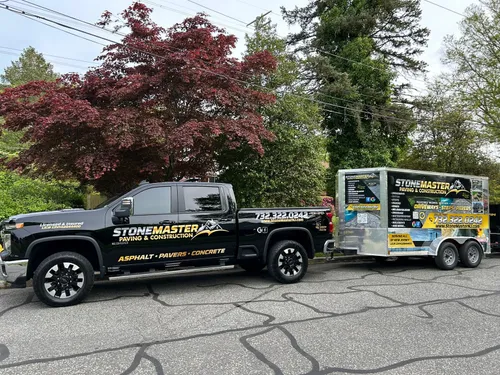
Stone Master Paving & Construction Corp. is a licensed and insured paving and masonry company serving Edison, NJ. They offer a range of services including driveway paving, parking lot repair, resurfacing, and paver installation. The company has over 35 years of industry experience and provides skilled masonry work such as patios, walkways, and retaining walls. Their team uses quality materials and up-to-date techniques to ensure durable results.
Cement Tech,LLC
31-00 47th Ave Suite 3100, Long Island City, NY 11101
Cement Tech, LLC is a concrete contractor based in New York, NY, specializing in residential and commercial concrete services including parking lot paving and resurfacing. They serve Astoria, Queens, and the greater New York City area, handling projects of various sizes with expert crews. Their capabilities include concrete grinding and polishing, ensuring precise workmanship and attention to detail. Cement Tech, LLC operates without contracts or seasonal fees, providing services as needed to meet client schedules.
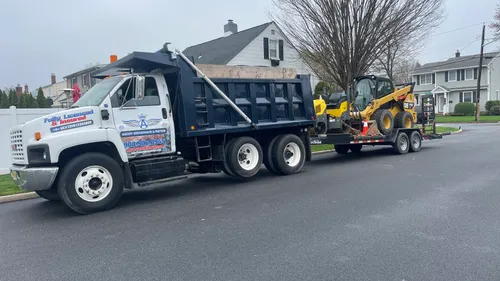
Ascot Driveways and Patios
55 Madison Ave suite 400 #4342, Morristown, NJ 07960
Ascot Driveways and Patios is a paving and masonry contractor serving New York, NY, and the surrounding Morris County area. They specialize in asphalt and concrete driveway installation, sealcoating, repairs, masonry wall building, patio construction, and landscaping hardscaping services. The company is experienced in restoring asphalt driveways with high-strength seal coating and offers a wide range of driveway and patio solutions tailored to customer needs. Ascot Driveways and Patios is a family-operated business known for its skilled craftsmanship and attention to detail, with a history of satisfied clients and completed projects in the region.
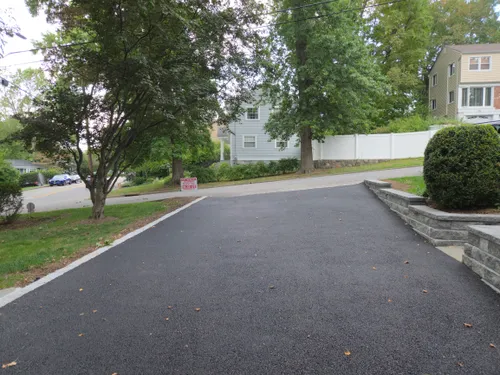
Just Paving Inc
60 Dartmouth Ave, Yonkers, NY 10701
Just Paving Inc is a paving and masonry company based in New York, NY, serving residential and commercial clients in Yonkers and Westchester County. They offer a range of services including driveway paving, parking lot paving, resurfacing, repairs, and lot striping. Their expertise extends to masonry work such as retaining walls, patios, fire pits, and concrete steps. Established in 2000, Just Paving Inc has over two decades of experience delivering durable and visually appealing paving solutions. They focus on quality materials and craftsmanship to enhance property appearance and functionality.
What is Parking Lot Resurfacing?
Parking lot resurfacing involves milling away the top 1.5 to 3 inches of deteriorated asphalt, repairing any underlying damage, and then installing a fresh, smooth layer of hot mix asphalt 1. This overlay method is distinct from a full reconstruction, as it reuses the existing base when it is still structurally sound. The primary goal is to address surface-level issues like cracks, raveling, and oxidation, effectively adding 8 to 15 years of service life to your pavement 1. In a dense, high-traffic urban environment like New York City, timely resurfacing is a cost-effective strategy to avoid more expensive, disruptive repairs down the line.
The Step-by-Step Resurfacing Process
A professional asphalt overlay in NYC follows a meticulous sequence to ensure longevity and compliance.
-
Site Inspection & Preparation: The process begins with a thorough assessment of the existing lot. Contractors evaluate drainage, identify base failures, and catalog all cracks and potholes. This stage determines the extent of preparatory repairs needed before the new surface can be applied.
-
Milling/Grinding: Specialized equipment mills or grinds away the top 1.5 to 3 inches of the old, compromised asphalt surface. This creates a clean, level substrate for the new layer and helps maintain proper curb heights and drainage flow.
-
Base Repair: Any damaged areas in the underlying base are excavated and patched with new asphalt. The entire milled surface is then cleaned of all debris, dirt, and oil spots to ensure a strong bond.
-
Tack Coat Application: A thin layer of liquid asphalt, called a tack coat, is sprayed onto the prepared surface. This adhesive is crucial for creating a permanent bond between the old pavement and the new overlay.
-
Asphalt Installation: Hot mix asphalt is delivered, laid, and immediately compacted with heavy rollers. Proper compaction is vital for achieving the required density and a smooth, durable finish 2.
-
Striping & Final Inspection: After the new asphalt has cured for 24-48 hours, fresh pavement markings are applied according to the lot's layout plan 3. A final inspection ensures the work meets all project specifications and local standards.
New York City Regulations and Permits
Undertaking a parking lot overlay in NYC requires navigating specific municipal regulations. Failure to secure the proper permits can result in fines and work stoppages.
- DOT Permits: A permit from the NYC Department of Transportation (DOT) is mandatory for any work that affects street access, such as using the sidewalk or roadway for equipment staging 4. Contractors must be registered with the DOT and obtain a Permittee ID Number to apply 5.
- Builder's Pavement Plan (BPP): If your project impacts sidewalks, curbs, or the adjacent roadway, you will likely need a BPP permit 6 7. This plan details how the public right-of-way will be affected and restored.
- Curb Cuts: Any modification to a driveway entrance or curb cut requires a separate permit through the Department of Buildings' DOB NOW: Build system 8.
- Design Standards: NYC has specific requirements for parking lot dimensions. For example, a typical two-way traffic aisle must be at least 24 feet wide 9. Your project must comply with these standards.
- Protected Streets: Be aware that if the city street adjacent to your property was recently resurfaced by the DOT, it may be designated as a "protected" street. This status can restrict construction activity for a period of five years.
Climate Considerations for NYC Projects
The local climate in New York directly impacts the scheduling and success of an asphalt overlay.
- Temperature: Asphalt should be installed when air temperatures are at least 50°F and rising. The pavement surface temperature must not be below 40°F during installation and compaction 10.
- Rain and Humidity: Precipitation and high humidity (above 85%) prevent proper curing and bonding of the asphalt. Dry weather is required for at least 24 hours prior to and after application 11 12.
- Seasonality: The optimal window for resurfacing work in New York City runs from late spring through early fall, avoiding the freezing temperatures of winter and the unpredictable early spring 13.
- Freeze-Thaw Cycles: NYC's winters subject pavement to repeated freezing and thawing, which can rapidly deteriorate a poorly constructed base. This makes thorough base repair during the resurfacing process non-negotiable to prevent premature failure.
Find the perfect parking lot resurfacing contractors for your needs
Get personalized recommendations and expert advice
Understanding Costs for Parking Lot Overlays
The cost of resurfacing in New York City is influenced by the project's scale, the amount of preparatory work needed, and current material and labor rates. Prices are typically quoted per square foot.
- Asphalt Resurfacing (Overlay): The core cost for a standard 2-inch overlay in New York is approximately $1.99 per square foot.
- Patching and Repairs: Necessary base repairs before the overlay can add around $3.00 per square foot for the patched areas.
- Project Scale Examples:
- A small lot of 10,000 square feet might range from $20,000 to $30,000, assuming only minor repairs are needed.
- A large lot of 50,000 square feet could cost between $100,000 and $150,000 or more, depending on the condition of the existing pavement and the extent of surface preparation required.
- Additional Services: Remember to budget for re-striping, which typically costs about $5.30 per 18-foot line for a standard 4-inch stripe 14.
Is Resurfacing the Right Solution for Your Lot?
An asphalt overlay is a highly effective solution, but it's not suitable for every situation. Resurfacing is ideal for parking lots that are less than 20 years old and have sustained less than 30% structural damage 15. If the base has extensive failures, heaving, or severe drainage issues, a full reconstruction may be necessary. A reputable local contractor can perform an assessment to determine if an overlay will provide a long-lasting solution or merely a temporary cover for underlying problems.
Given the high costs and complex regulatory environment in New York City, selecting a contractor with proven experience in local DOT and DOB permitting processes is crucial. Planning your project for the favorable weather window of spring to fall will help ensure optimal results and a durable, new pavement surface 16.
Frequently asked questions
Sources
Footnotes
-
Parking Lot Resurfacing: Complete Cost Guide & Process [2025] - https://www.candcsuperseal.com/parking-lot-resurfacing-complete-cost-guide-process-2025/ ↩ ↩2
-
NYC DOT - Weekly Resurfacing Schedules - https://www.nyc.gov/html/dot/html/motorist/resurfintro.shtml ↩
-
Everything You Need To Know Before Resurfacing a Parking Lot - https://cpmsweeping.com/everything-you-need-to-know-before-resurfacing-a-parking-lot/ ↩
-
NYC DOT - Street and Roadway Construction - https://www.nyc.gov/html/dot/html/infrastructure/construction.shtml ↩
-
Street Construction Permit · NYC311 - NYC.gov - https://portal.311.nyc.gov/article/?kanumber=KA-02040 ↩
-
3.0 Permits & Approvals - Street Works Manual - https://streetworksmanual.nyc/book/export/html/142 ↩
-
Sidewalk and Roadways Construction Permits (general) - https://nyc-business.nyc.gov/nycbusiness/description/sidewalk-and-roadways-construction-permits-general ↩
-
Curb Cuts - Buildings - NYC.gov - https://www.nyc.gov/site/buildings/property-or-business-owner/curb-cuts.page ↩
-
Key Requirements of Parking Lot Design Standards in New York - https://www.royalpavementsolutions.com/key-requirements-of-parking-lot-design-standards-in-new-york-what-you-need-to-know/ ↩
-
Sealcoat Parking Lots: What is the Best Temperature to ... - ACPLM - https://acplm.net/sealcoat-parking-lots/ ↩
-
How Often Should Parking Lots Be Repaved in New York's ... - https://mrblacktop.net/how-often-should-parking-lots-be-repaved-in-new-yorks-climate ↩
-
How Weather Impacts Asphalt Curing & Your Timeline - https://www.alliedasphalt.com/how-weather-impacts-asphalt-curing-and-your-timeline.php ↩
-
Commercial Parking Lot Striping: Costs, Standards + Pro Tips - https://www.getonecrew.com/post/commercial-parking-lot-striping ↩
-
New York Parking Lots Costs & Prices - ProMatcher Cost Report - https://parking-lots.promatcher.com/cost/new-york.aspx ↩
-
Parking Lot Resurfacing: Complete Cost Guide & Process [2025] - https://www.candcsuperseal.com/parking-lot-resurfacing-complete-cost-guide-process-2025/ ↩
-
Parking Lot Repair - All Shore Paving Corp. - https://www.allshore-paving.com/services/parking-lot-repair/ ↩