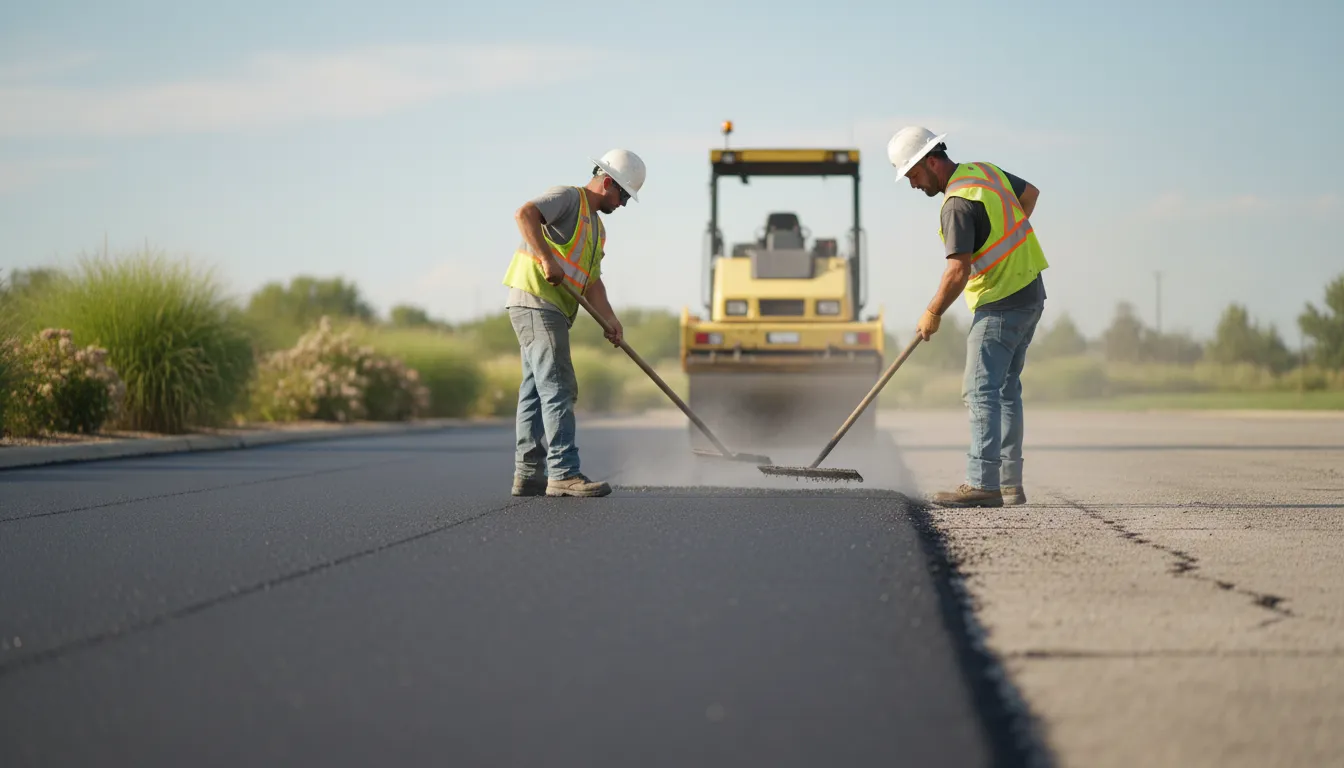
Find the Best Parking Lot Paving Contractors for Your Business
No obligation • Fast responses • Nationwide coverage

Why you can trust Tidy Parking
Tidy Parking is a leading U.S. source for parking lot maintenance services, including striping, sealcoating, sweeping, paving, resurfacing, and repairs. Our content is created independently, and providers cannot pay to influence ratings or recommendations.
Search providers near you
Top Parking Lot Paving Contractors in San Marcos, Texas Ranked
A durable, well-paved parking lot is a critical asset for any Texas business, providing a safe first impression for customers and a functional space for vehicles. The state's unique climate and soil conditions make professional asphalt installation and repair particularly important to ensure long-term performance. This guide explains the key considerations, materials, and processes for commercial paving in Texas, helping property owners and managers make informed decisions and connect with qualified local paving professionals.
Pavecon
18680 Marbach Ln, San Antonio, TX 78266
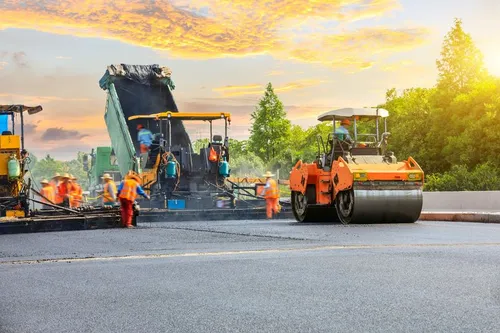
Pavecon is a parking lot paving and repair company based in San Antonio, TX. They provide commercial and residential asphalt and concrete services, including paving, maintenance, and repairs. With over 30 years of experience since 1992, Pavecon focuses on delivering durable pavement solutions that protect property investments and enhance facility appearance. Their expertise includes asphalt patching and concrete repairs, supported by a tech-based evaluation process to ensure quality results and long-lasting protection.
Lukes Asphalt Paving
1033 Rainbow Dr, Spring Branch, TX 78070
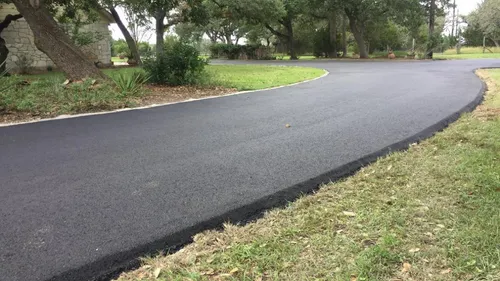
Luke's Asphalt Paving is a fourth-generation, family-owned asphalt paving contractor based in Spring Branch, Texas. Serving San Antonio and surrounding areas, they provide commercial and residential asphalt paving, seal coating, chip sealing, crack filling, and parking lot repair services. With over 55 years of experience, they focus on quality workmanship, including proper base preparation and precise drainage grading to ensure durable pavement. The company emphasizes customer satisfaction and maintains owner supervision on job sites.
Hayes Asphalt Paving | Chip Seal | Parking Lots | Ranch Roads |
Austin, TX
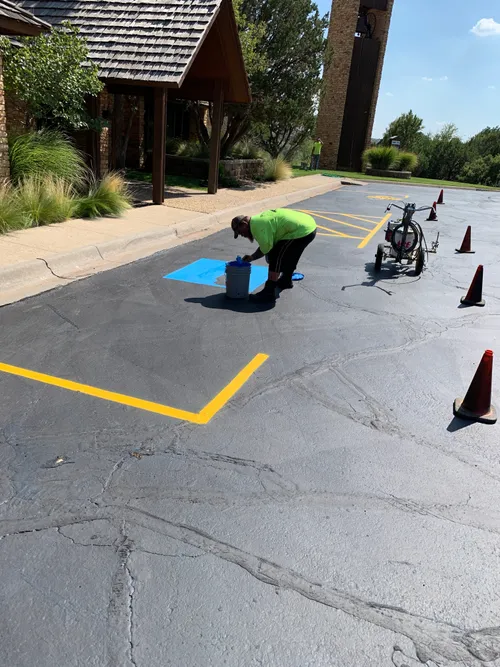
Hayes Asphalt Paving | Chip Seal | Parking Lots | Ranch Roads | is an asphalt paving contractor serving Austin, TX, and the broader Central Texas region. They specialize in residential and commercial asphalt paving, including parking lot construction, resurfacing, sealcoating, and repairs. Their services also extend to chip seal applications for ranch roads and long private driveways, using materials and techniques suited for Central Texas conditions. Hayes Asphalt Paving emphasizes durable, well-prepared pavement designed to withstand local soil movement, heat, and rainfall. The company has completed hundreds of projects for homes, businesses, and rural properties, offering a 1-year workmanship warranty and fast scheduling.
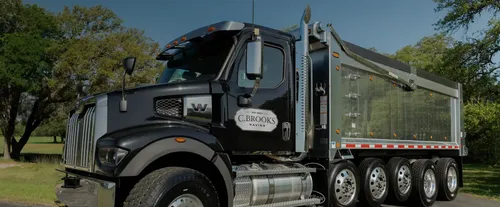
C Brooks Paving
480 Old Boerne Rd, Bulverde, TX 78163
C Brooks Paving is a parking lot paving contractor based in San Antonio, TX, offering asphalt and chip seal paving services across Central and South Texas. The company specializes in a thorough three-step paving process for projects ranging from driveways to highways. Led by Courtnay Brooks, a third-generation paver with over 23 years of experience, C Brooks Paving continues a family legacy of quality workmanship. They focus on local, durable paving solutions rather than operating as a franchise or large corporation.

GTO Paving
Austin, TX
GTO Paving is a family-owned paving company based near Austin, TX, offering services in asphalt paving, concrete work, parking lot striping, sealcoating, and repairs. Founded in 2023 with over ten years of industry experience since 2014, they serve local communities including Kyle and surrounding areas. Their capabilities include comprehensive parking lot maintenance and surface repairs, focusing on quality and long-term results.
Why Texas Presents Unique Paving Challenges
Paving a parking lot in Texas isn't a one-size-fits-all endeavor. The state's environment demands specific engineering and material choices to prevent premature failure and costly repairs. Three primary factors dictate the approach to a successful project.
Extreme Heat and Temperature Fluctuations: Texas summers can cause standard asphalt to soften, leading to rutting and deformation under heavy traffic loads. This requires the use of asphalt mixes with higher-temperature-resistant binders specifically formulated for the region's climate 1. Proper compaction, which requires ambient temperatures of at least 50°F, is also crucial for creating a dense, long-lasting surface 2.
Intense Rain and Moisture Management: Sudden, heavy downpours are common. Without excellent drainage, water can saturate the pavement's base, leading to weakening, potholes, and alligator cracking. A robust drainage design is non-negotiable for Texas parking lots 3.
Expansive Clay Soils: Much of Texas sits on clay-rich soil that expands when wet and contracts when dry. This constant movement can crack and distort pavement laid on an unstable base. Addressing this through proper soil stabilization is a foundational step that cannot be skipped 4.
The Critical Importance of Base Preparation
The longevity of a Texas parking lot is determined more by what's underneath the asphalt than the asphalt itself. Skipping or short-changing base prep is the leading cause of pavement failure.
- Soil Stabilization: For sites with highly expansive clay, contractors often treat the native soil (subgrade) with stabilizing agents like lime, cement, or fly ash. This process reduces the soil's plasticity and creates a stable, uniform platform that resists shifting 5.
- Base Material and Compaction: A strong, well-drained base is essential. Typically, a 6 to 8-inch layer of compacted crushed limestone or gravel is installed 6. This base must be compacted in "lifts" or layers, usually not exceeding 4 inches at a time, to achieve maximum density and prevent future settling 7.
- Drainage and Slope: The base must be graded to create a positive slope, directing water toward drains or the property perimeter. A minimum slope of 1% to 2% (approximately 1/8 to 1/4 inch of fall per foot) is standard to prevent ponding water, which is a major cause of deterioration 8.
Choosing the Right Asphalt Mix for Texas
Not all asphalt is created equal. Selecting the appropriate mix for your specific location and traffic load is key to performance.
- Hot Mix Asphalt (HMA): The industry standard for commercial projects. HMA is produced and laid at high temperatures (300°F-350°F), which allows for excellent compaction and results in a dense, durable surface ideal for handling constant vehicle traffic and Texas heat 9.
- Warm Mix Asphalt (WMA): An increasingly popular, more sustainable option. WMA is produced at lower temperatures (200°F-250°F), reducing fuel consumption and emissions. It can also be easier to compact in a wider range of weather conditions, which can be beneficial 10 11.
- Polymer Modified Asphalt (PMA): For high-stress areas like loading docks, drive-thrus, or lots with frequent heavy truck traffic, PMA is recommended. Polymers are added to the asphalt binder to significantly increase its resistance to rutting, cracking, and temperature extremes 12.
- Porous Asphalt: Used in eco-friendly or stormwater management-focused projects. This mix allows water to drain directly through the pavement into a stone reservoir below, reducing runoff and recharging groundwater. It requires a specialized sub-base design 13.
Find the perfect parking lot paving contractors for your needs
Get personalized recommendations and expert advice
Understanding Costs and Pricing Factors
Parking lot paving costs in Texas are typically quoted per square foot, but the final price depends on a combination of project-specific variables. Understanding these factors helps in creating an accurate budget.
Primary Cost Drivers:
- Site Conditions: Projects requiring extensive clearing, demolition of old pavement, or significant soil stabilization will cost more 14 15.
- Base and Asphalt Thickness: A thicker gravel base and a thicker layer of asphalt (e.g., 3" vs. 4") increase material and labor costs but are necessary for heavy-duty applications 16 17.
- Project Size and Complexity: Large, open lots often benefit from economies of scale, resulting in a lower cost per square foot. Small lots, intricate layouts with many curves, or projects with tight access can be more expensive due to higher mobilization and labor costs.
- Material Choice: Standard HMA is the most common and cost-effective. Polymer-modified or specialty mixes like porous asphalt will carry a premium.
Typical Price Ranges: While every project is unique, commercial asphalt paving in Texas generally ranges from $2.50 to $5.00+ per square foot for a complete installation including base preparation 18 19 20. It's important to factor in optional but highly recommended follow-up services like crack sealing and sealcoating, which typically add $0.10-$0.30 per square foot but dramatically extend the pavement's life 18.
Alternative Paving Materials:
- Concrete: More expensive upfront ($4.00-$7.00 per sq ft) but offers a very long service life and minimal maintenance. It is less flexible than asphalt and can be prone to cracking in areas with unstable soil if not engineered correctly 21.
- Tar and Chip (Chip Seal): A lower-cost alternative ($2.00-$5.00 per sq ft) suitable for lower-traffic areas. It involves spraying asphalt emulsion and embedding aggregate into it. It is less smooth than asphalt and requires periodic re-application 22.
The Ideal Paving Timeline and Season
Timing your project correctly can impact both the quality of the installation and its longevity.
- Best Season to Pave: In Texas, the ideal paving window is typically from spring through early fall. This ensures consistently warm ground and air temperatures, which are necessary for the asphalt to remain workable and achieve proper compaction 23 24. Paving in winter is risky due to the potential for temperatures to drop below 50°F, which can lead to poor compaction and premature raveling.
- Project Duration: A straightforward commercial parking lot project can often be completed within a week or two, depending on size. This timeline includes base preparation, asphalt installation, and cooling time before the lot can be opened to traffic. More complex sites with drainage issues or significant grading will take longer.
Maintenance for Long-Term Value
A new pavement is an investment worth protecting. A proactive maintenance plan is far more cost-effective than reactive repairs.
- Sealcoating: Apply a protective coal-tar or asphalt-based sealant every 2-3 years. This shields the surface from UV rays, water, and chemical spills like oil and gasoline, which can break down the asphalt binder.
- Crack Sealing: Annually inspect and fill cracks with a hot-pour rubberized sealant. This prevents water from infiltrating the base, which is the primary cause of potholes and base failure.
- Prompt Pothole Repair: Address potholes immediately using full-depth patching techniques to maintain safety and prevent the damaged area from expanding.
- Regular Cleaning: Keep the surface free of debris, dirt, and standing water. Ensure all drainage inlets are clear to allow proper runoff.
Frequently asked questions
Sources
Footnotes
-
The Impact of Weather on Asphalt Paving: Best Practices for ... - https://www.bennettpavingtx.com/the-impact-of-weather-on-asphalt-paving-best-practices-for-hot-and-cold-climates/ ↩
-
Section 4: Rigid Pavement Design Process for CPCD - https://www.txdot.gov/manuals/mnt/pdm/rigid_pavement_design/rigpave_dsgn_proc_cpcd-i1007780.html ↩
-
What to Consider Before Paving an Asphalt Parking Lot in ... - https://www.rencoconstruction.com/what-to-consider-before-paving-an-asphalt-parking-in-dallas/ ↩
-
Commercial Asphalt Parking Lots in Texas - Inner Loop Construction - https://innerloopconstruction.com/services/commercial-asphalt-parking-lots ↩
-
2.1 Introduction - TxDOT.gov - https://www.txdot.gov/content/txdotoms/us/en/manuals/mnt/pdm/flexible_pavement_construction/base_subgrade_prep-i1021617/introduction-i1024130.html ↩
-
Commercial Asphalt Parking Lots in Texas - Inner Loop Construction - https://innerloopconstruction.com/services/commercial-asphalt-parking-lots ↩
-
Don't attempt BASE PREP until you see this video! Base Prep ... - https://www.youtube.com/watch?v=tfDEOIAIUwQ ↩
-
Preventing Parking Lot Injuries: Slope, Condition, and Lighting ... - https://www.thesilverlining.com/hubfs/LC1008%23%20Parking%20Lot%20Condition%20Considerations%20-%207-25.pdf ↩
-
Types of Asphalt Paving Mix | Cold v. Hot - https://www.albanypavingnearme.com/types-of-asphalt-paving-mix.html ↩
-
How to Select the Right Asphalt Mix for Your Parking Lot - https://summitasphalt.com/right-asphalt-mix-for-your-parking-lot/ ↩
-
How to Choose the Right Asphalt Mix for Your Next Project - https://phillipspaving.com/choosing-the-right-asphalt-mix/ ↩
-
How Tough Does Your Asphalt Need To Be? - Texas Materials - https://texasmaterials.com/how-tough-does-your-asphalt-need-to-be/ ↩
-
Right Asphalt Mix for Industrial and Commercial Applications - https://thepavementgroup.com/choosing-the-right-asphalt-mix-for-industrial-and-commercial-applications/ ↩
-
Commercial Parking Lot Paving Costs and Timelines - KNL Industries - https://www.kandlindustries.com/commercial-parking-lot-paving-costs/ ↩
-
Asphalt - Understanding the Cost of Asphalt Paving: A Guide to Project Complexity and Material Pricing - https://www.welovepaving.com/understanding-the-cost-of-asphalt-paving-a-guide-to-project-complexity-and-material-pricing/ ↩
-
How Thick is Parking Lot Asphalt? - https://theamericanasphalt.com/2021/05/13/how-thick-is-parking-lot-asphalt/ ↩
-
How to Budget for Commercial Parking Lot Paving Projects - https://thepavementgroup.com/how-to-budget-for-commercial-parking-lot-paving-projects/ ↩
-
Duckworth Paving: Your Texas Parking Lot Paving Guide - https://duckworthpavingtx.com/2025/11/03/2025-07-09-parking-lot-paving-in-texas-tx-the-complete-guide-to-a-durable-surface/ ↩ ↩2
-
Parking Lot Paving In Texas - LGC Asphalt and Paving - https://lgcasphaltpaving.com/asphaltsvc/parking-lot-paving/ ↩
-
How Much Does Asphalt Paving Cost? - https://lonestarpavingtx.com/asphalt-pavement-costs/ ↩
-
What to Consider Before Paving an Asphalt Parking Lot in ... - https://www.rencoconstruction.com/what-to-consider-before-paving-an-asphalt-parking-in-dallas/ ↩
-
What is the cheapest form of paving for commercial projects? - https://www.welovepaving.com/what-is-the-cheapest-form-of-paving/ ↩
-
Duckworth Paving: Your Texas Parking Lot Paving Guide - https://duckworthpavingtx.com/2025/11/03/2025-07-09-parking-lot-paving-in-texas-tx-the-complete-guide-to-a-durable-surface/ ↩
-
Parking Lots & Site Paving - Wylie, TX - https://www.concretecontractorswylie.com/services/parking-lots-site-paving ↩