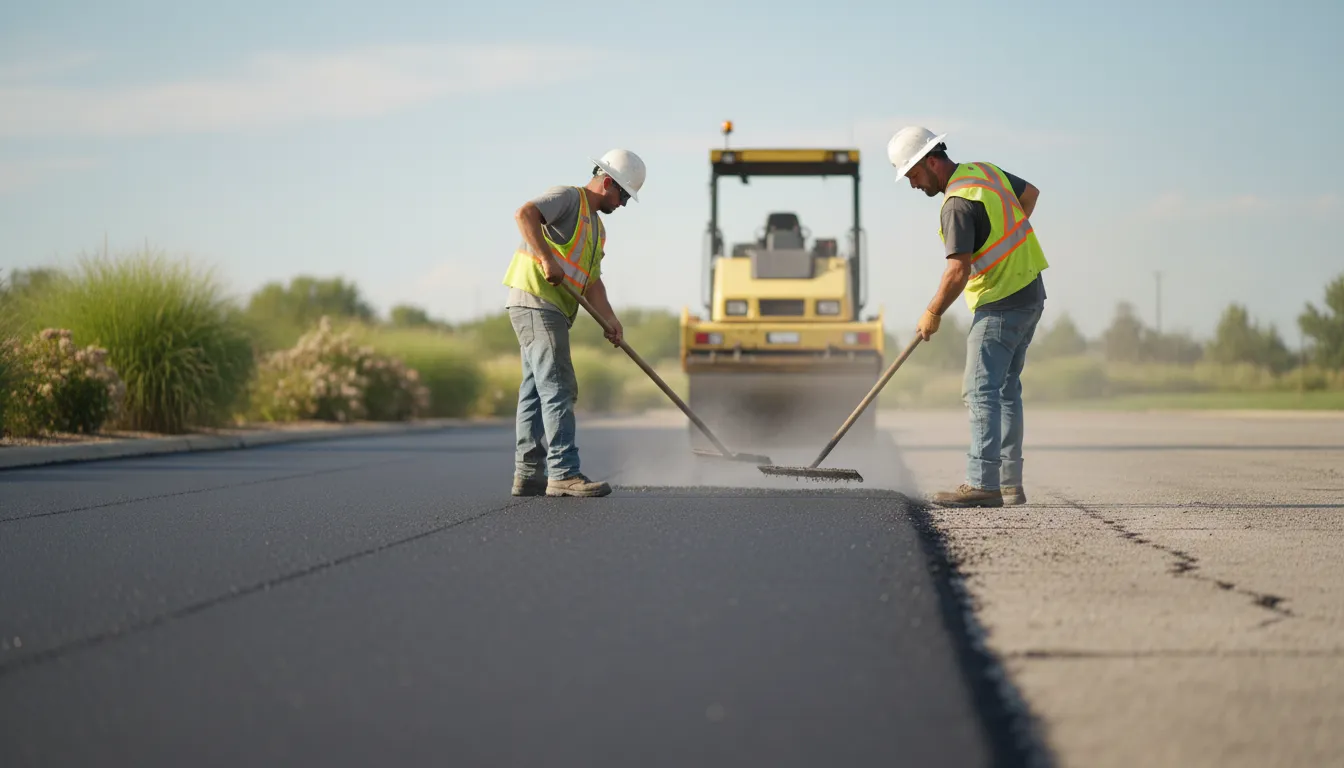
Find the Best Parking Lot Paving Contractors for Your Business
No obligation • Fast responses • Nationwide coverage

Why you can trust Tidy Parking
Tidy Parking is a leading U.S. source for parking lot maintenance services, including striping, sealcoating, sweeping, paving, resurfacing, and repairs. Our content is created independently, and providers cannot pay to influence ratings or recommendations.
Search providers near you
Top Parking Lot Paving Contractors in Brownsville, Texas Ranked
A durable, well-paved parking lot is a critical asset for any Brownsville business, providing a safe surface for customers and protecting your property investment. In South Texas, this task requires specialized knowledge to combat unique local challenges like expansive clay soils, intense heat, and significant flood risks. This guide explains the process, key considerations, and how to connect with qualified local professionals who understand the engineering needed for a lasting pavement installation.
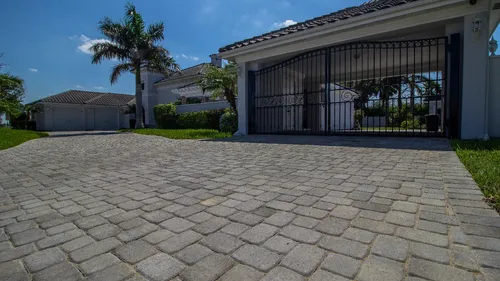
Southern Pavers LLC
27575 FM 88, Monte Alto, TX 78538
Southern Pavers LLC is a family owned and operated parking lot paving contractor based in Brownsville, TX. The company serves the Rio Grande Valley and South Texas, providing paving services with a focus on quality installations. As an ICPI Certified Installer, Southern Pavers LLC ensures professional workmanship backed by over 15 years of experience in the industry.
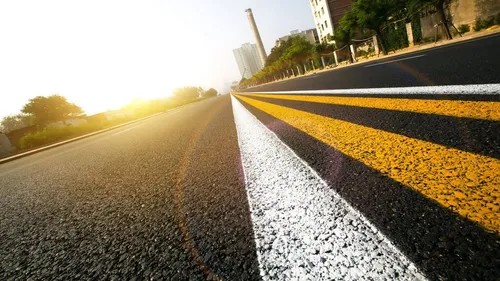
Bernal Paving and Maintenance
6650 Hoverson Rd, Mercedes, TX 78570
Bernal Paving and Maintenance is a paving and asphalt company serving Brownsville, TX, and the greater Rio Grande Valley area. With over 40 years of experience, they provide a range of services including paving, sealcoating, striping, repairs, concrete work, and parking area maintenance. They handle projects from small commercial spaces to large multiplexes, focusing on keeping roadways and walkways safe and smooth for pedestrians and drivers. Their expertise includes professional asphalt repairs with proper compaction to ensure lasting results.
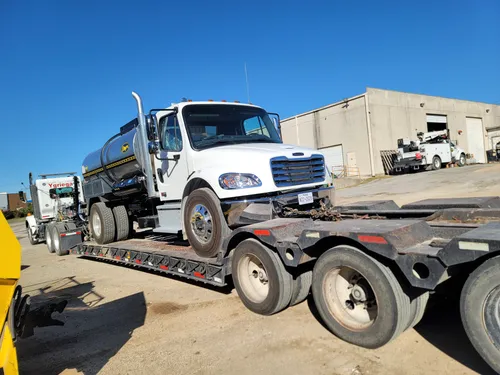
Foremost Paving, Inc.
22630 FM 88, Edcouch, TX 78538
Foremost Paving, Inc. is a parking lot paving contractor based in Brownsville, TX, offering heavy civil and paving construction services throughout South Texas. The company serves both private and public sector clients and is equipped to handle a range of paving projects. Foremost Paving, Inc. is recognized for its full-service capabilities in civil sitework, including projects like wind farms in the region.
Understanding Brownsville's Paving Challenges
Successful parking lot construction here isn't just about laying asphalt; it's about engineering a solution for the local environment. The Rio Grande Valley presents a specific set of conditions that can quickly degrade a standard pavement job.
High-Moisture Clay Soils: The underlying soil in much of Brownsville is expansive clay. This soil swells when wet and shrinks during droughts, creating movement that leads to cracks, potholes, and uneven surfaces if the pavement isn't built on a properly prepared and stable base.
Flood Vulnerability and Drainage: Brownsville is no stranger to heavy rains and drainage issues, making stormwater management a top priority for any paving project 1. Without proper slope and drainage systems like sub-drains, curb inlets, or detention areas, water will pool, seep into the pavement structure, and cause premature failure 2. Municipal projects often focus on concrete-lined ditches and storm sewers to channel water away, a principle that must be scaled for commercial parking lots 3.
Intense Heat and UV Exposure: Summer temperatures regularly exceed 100°F, which can soften asphalt, leading to rutting and deformation under vehicle weight. Combined with strong UV rays that cause oxidation and brittleness, the asphalt mix design and subsequent protective sealcoating must be chosen to withstand these elements 4 5.
The Step-by-Step Paving Process for Lasting Results
A quality pavement installation follows a meticulous sequence. Skipping or short-changing any step can compromise the entire project's longevity.
1. Site Assessment and Engineering Design
Before any equipment arrives, a professional will assess your property. This includes evaluating soil type, identifying drainage patterns, and designing the final pavement with a minimum slope of 1-2% to ensure water runs off effectively 6 7. This planning stage is where solutions for Brownsville's challenges are integrated into the blueprint.
2. Clearing, Grading, and Subgrade Preparation
The area is cleared of vegetation and debris. Unsuitable native soil is often excavated to a depth of 12-18 inches 8. The exposed subgrade is then thoroughly compacted to create a firm, unyielding platform. This step is crucial for stabilizing the expansive clay common in the area.
3. Installing a Stable Base
This is the most critical defense against soil movement. A 6- to 12-inch layer of caliche or crushed stone (road base) is spread and compacted in lifts (layers) 9 10. This base layer distributes load, provides drainage, and prevents the clay subgrade from affecting the asphalt surface. The quality and thickness of this base are non-negotiable for local conditions.
4. Asphalt Application and Compaction
Hot-mix asphalt is delivered at high temperature and spread by a paver to the specified thickness-typically 2-3 inches for parking lots. It must be placed and smoothed quickly. Heavy rollers then compact the material, removing air pockets and creating a dense, smooth surface 11 12. The specific mix design, often using a stiffer binder, helps resist rutting in our heat 13.
5. Finishing: Sealcoating and Striping
After the new asphalt has cured (usually 30-90 days), a protective sealcoat should be applied. This layer blocks water and UV rays, significantly extending the pavement's life 14. Finally, traffic markings, stall lines, and symbols are painted to organize the space safely and efficiently 15.
Find the perfect parking lot paving contractors for your needs
Get personalized recommendations and expert advice
Material Choices: Asphalt vs. Concrete
The two primary materials for parking lot surfaces have different cost and performance profiles.
Asphalt Paving: This is the most common choice for commercial lots. It's cost-effective to install, provides a smooth ride, and is easier to repair. For Brownsville, a high-performance hot-mix asphalt designed for high temperatures and with low permeability to water is essential. A new asphalt parking lot typically costs between $2.50 and $7.00 per square foot, with many local projects falling in the $2.50-$4.50 range depending on base work and thickness 16 17.
Concrete Paving: Concrete is extremely durable and handles heat very well, but it has a higher initial cost and can be more challenging to repair. It is less susceptible to damage from fuel or oil spills. In areas with persistent water issues, its rigidity can be an advantage. A concrete parking lot generally ranges from $5.00 to over $10.00 per square foot 18 19.
Repaving/Overlay: If an existing asphalt lot is structurally sound but worn, an overlay (adding a new layer on top) can be a cost-effective solution, typically ranging from $1.50 to $3.50 per square foot 20.
Key Cost Factors for Your Project
Understanding what drives the price helps in planning and budgeting. Key variables include:
- Site Conditions: Poor, unstable soil requiring extensive excavation and more base material will increase costs significantly 21.
- Drainage Requirements: Integrating catch basins, additional piping, or regrading for proper slope adds to the project scope and price.
- Asphalt Thickness: Heavier traffic loads require thicker asphalt, which uses more material.
- Project Size: Larger projects often benefit from a lower cost per square foot due to economies of scale.
- Access and Timing: Tight sites or requirements for night/weekend work can affect the bid.
Maintaining Your Investment
A new pavement is a major investment. Protect it with a consistent maintenance plan:
- Sealcoating: Reapply every 2-3 years to protect against sun and moisture.
- Prompt Repair: Fill cracks and potholes immediately to prevent water intrusion and further deterioration.
- Regular Cleaning: Keep drains and inlets clear of debris to ensure the designed drainage system functions properly.
- Professional Inspections: Have a paving expert assess your lot annually to spot small issues before they become major problems.
Frequently asked questions
Sources
Footnotes
-
Projects in the works to improve drainage and reduce flooding ... ↩
-
Concrete vs Asphalt Parking Lot | Which Lasts Longer in Oklahoma ↩
-
Brownsville park contract approved, tree damage repaired - Facebook ↩
-
Complete Overview of The Asphalt Paving Process - 1st Choice Construction ↩
-
Climate change impact and adaptation for highway asphalt pavements ↩
-
The Impact of Texas Weather on Asphalt Pavement Durability ↩