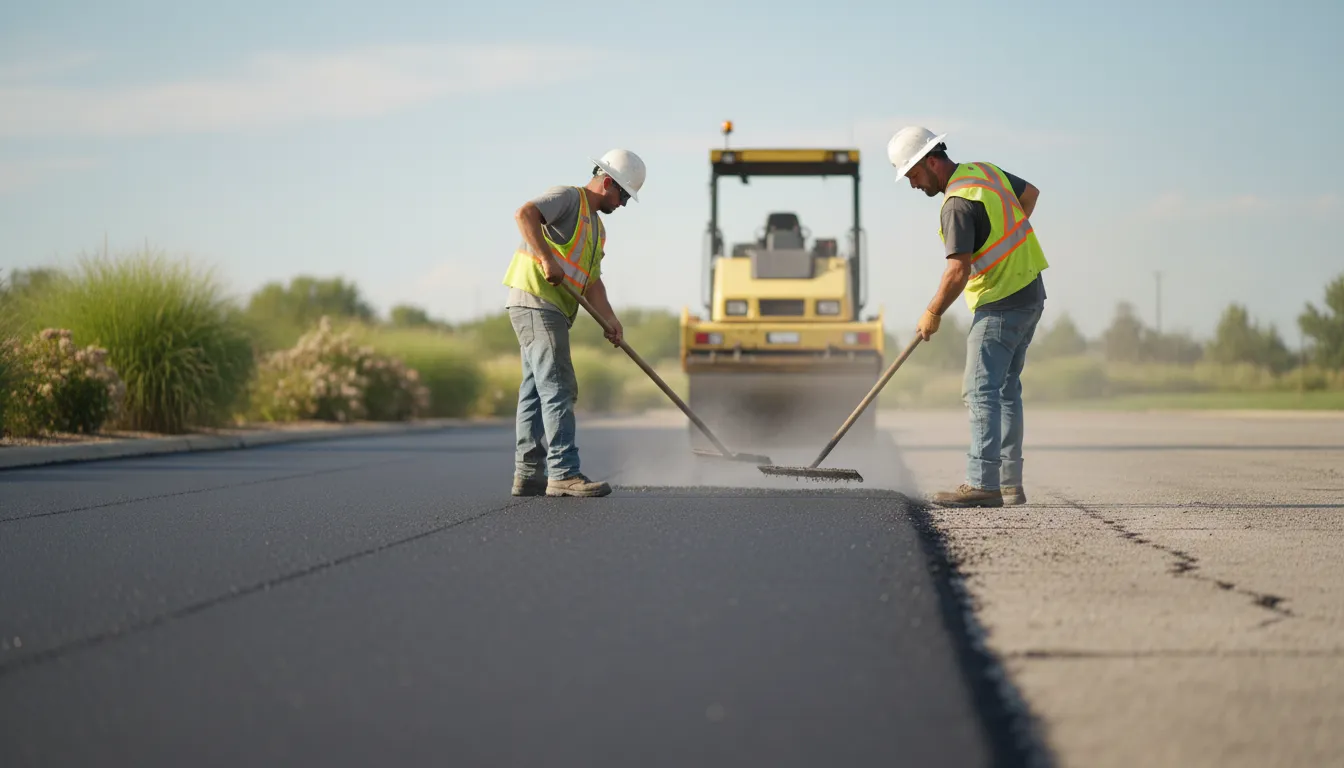
Find the Best Parking Lot Paving Contractors for Your Business
No obligation • Fast responses • Nationwide coverage
Why you can trust Tidy Parking
Tidy Parking is a leading U.S. source for parking lot maintenance services, including striping, sealcoating, sweeping, paving, resurfacing, and repairs. Our content is created independently, and providers cannot pay to influence ratings or recommendations.
Search providers near you
Top Parking Lot Paving Contractors in Dallas, Texas Ranked
A durable, well-paved parking lot is a critical asset for any Dallas business or property owner, providing a safe surface for vehicles and a positive first impression for visitors. Parking lot paving is the process of constructing a new asphalt or concrete surface, a complex undertaking that requires specialized knowledge of local soil conditions and climate to ensure long-term performance. This guide explains the key considerations, processes, and materials involved in a Dallas paving project, helping you understand what to look for when evaluating local paving services.
JR & R Concrete and Asphalt
Irving, TX
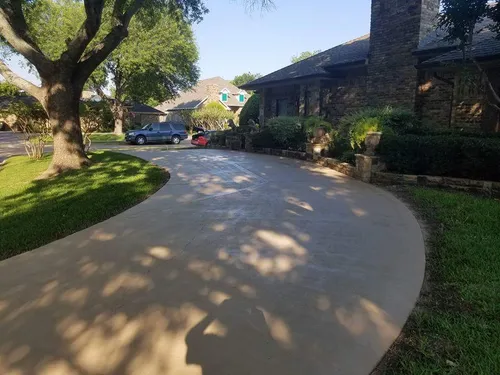
JR & R Concrete and Asphalt is a concrete and asphalt service provider based in Irving, TX. Serving the greater Dallas area, they offer a range of services including asphalt paving, seal coating, patching, and concrete work such as driveways, patios, and stamped concrete. Established in 2009, the company brings over 15 years of experience to their projects, focusing on craftsmanship and customer satisfaction.
Tex Pave Experts
718 E Quinlan Pkwy, Quinlan, TX 75474
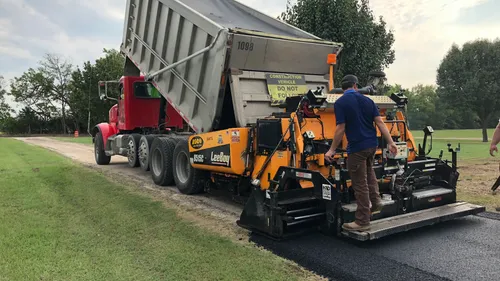
Tex Pave Experts is a paving company based near Dallas, TX, offering a range of asphalt and concrete services. They provide parking lot paving, sealcoating, resurfacing, and repair, using high-quality materials and modern equipment to ensure durable surfaces. With over 35 years of experience, they specialize in hot mix asphalt, recycled asphalt, and concrete work, serving Quinlan, Terrell, Union Valley, Poetry, Royse City, Rockwall, Greenville, and the DFW Metroplex. Their expertise includes comprehensive asphalt maintenance and installation, contributing to long-lasting pavement solutions.
Evoren Development
Richardson, TX
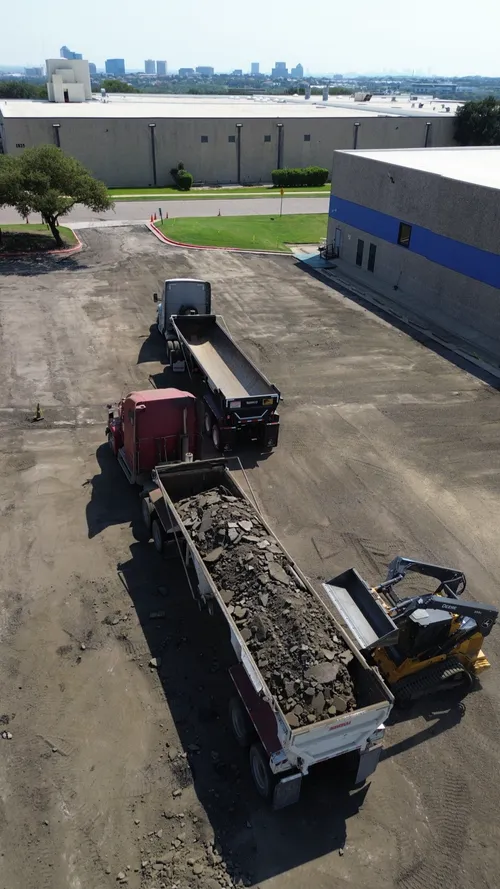
Evoren Development is a general contractor based in Richardson, TX, offering a wide range of services including parking lot striping, asphalt paving, concrete work, and full-scale structural rehabilitation for both commercial and residential projects. They provide comprehensive site solutions from demolition and site grading to finishing touches like custom painting and fencing. Their capabilities include large-scale parking lot striping and durable asphalt paving designed to withstand local weather conditions. Serving multiple cities in the Dallas-Fort Worth area, Evoren Development combines advanced technology with skilled craftsmanship to deliver lasting results.
All Things Asphalt Paving
Dallas, TX
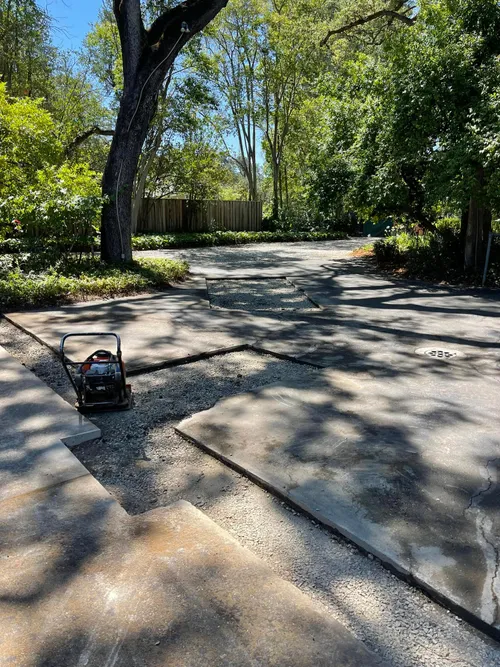
All Things Asphalt Paving is a licensed and insured asphalt contractor serving Dallas, TX. They provide a range of services including asphalt paving, patching, striping, sealcoating, and driveway and parking lot construction. Their team uses quality materials and advanced techniques to deliver durable and precise results, focusing on both residential and commercial projects. The company emphasizes craftsmanship and customer-first values, with a strong reputation for restoring and maintaining asphalt surfaces. They are known for their expertise in asphalt striping and sealcoating, helping to enhance safety and extend pavement life.
Parking Lot Striping DFW
Dallas, TX
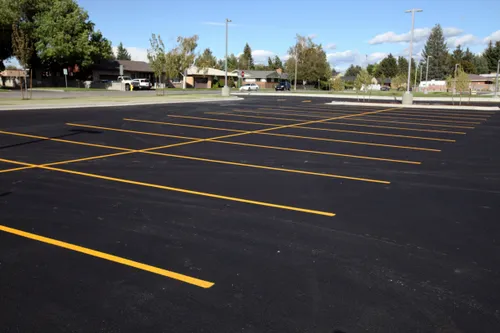
Parking Lot Striping DFW provides parking lot striping, sealcoating, and paving services in Dallas, TX. They offer commercial line striping to improve safety and traffic flow, as well as asphalt sealcoating to protect surfaces from damage caused by UV rays, water, and oil. With experience serving the Irving area and a skilled team, they handle projects of various sizes using modern technology and tools to ensure smooth completion.
Understanding Dallas-Specific Paving Challenges
Paving a parking lot in Dallas isn't a one-size-fits-all operation. The North Texas environment presents unique obstacles that must be addressed during the design and construction phases to avoid premature failure and costly repairs.
Expansive Clay Soils: The Dallas-Fort Worth area is notorious for its expansive clay soils, classified as CH clay 1. This soil acts like a sponge, swelling significantly when wet and shrinking during prolonged dry spells 2. This constant cycle of expansion and contraction creates intense pressure on any overlying pavement, leading to cracking, buckling, and uneven surfaces if the subgrade is not properly stabilized 3. A successful pavement installation must account for this movement from the ground up.
Extreme Temperature Fluctuations: Dallas experiences a wide range of temperatures, from summer highs regularly exceeding 100°F to occasional winter freezes. This thermal cycling causes pavement materials to expand and contract. Furthermore, intense, direct UV radiation from the sun can rapidly oxidize asphalt, making it brittle and prone to raveling (the loss of surface aggregate) if not properly protected.
Drainage and Torrential Rains: Proper water management is non-negotiable. When heavy rains-common in Texas-pool on or seep into a pavement structure, it weakens the foundational layers. In Dallas, ensuring a positive slope (typically between 1% and 5%) away from buildings and toward drains or catch basins is critical to prevent water from saturating the expansive clay subgrade and accelerating pavement failure 4.
The Step-by-Step Paving Process
A high-quality parking lot construction project follows a meticulous sequence. Skipping or short-cutting any step can compromise the entire investment.
1. Site Preparation & Evaluation: This initial phase sets the stage for success. It involves the complete removal of any existing deteriorated pavement, vegetation, and debris. Contractors will then analyze the soil conditions to determine the necessary stabilization measures. Proper excavation and grading with heavy equipment are performed to establish the correct elevation and slope for drainage 5.
2. Soil Stabilization: Given Dallas's challenging soils, this is often a crucial step. To combat the instability of expansive clay, contractors may employ lime treatment or chemical injection stabilization products like Earthlok 6. These treatments modify the soil's properties, reducing its plasticity and swell potential to create a stable, reliable platform for the pavement layers above 7.
3. Grading & Sub-Base Installation: The prepared subgrade is finely graded to the precise slope for water runoff. Then, a sturdy base layer of crushed stone or gravel is installed and thoroughly compacted. This aggregate base is the workhorse of the pavement system, distributing traffic loads evenly and providing a stable foundation that prevents the asphalt or concrete from flexing and cracking under stress 8 9.
4. Asphalt Application: For asphalt pavement, Hot Mix Asphalt (HMA) is delivered and placed at high temperatures, usually between 275°F and 300°F, to ensure it is workable. It is spread in uniform layers, typically with a minimum total thickness of 2 inches for parking lots, using a paving machine (paver) for consistency. An emerging alternative is Warm Mix Asphalt (WMA), which can be produced and placed at temperatures 30 to 120 degrees Fahrenheit lower. WMA offers benefits like improved compaction in cooler weather and reduced fuel consumption, making it a good option for certain Dallas projects 10.
5. Compaction & Rolling: This is the most critical step for longevity. Heavy steel-wheel and pneumatic-tire rollers compact the asphalt immediately after laying to eliminate air pockets and achieve the required density. Proper compaction ensures the pavement won't develop ruts from traffic and will resist water infiltration 11.
6. Finishing & Curing: After compaction, the new asphalt surface must cure. While it can typically handle light traffic after 2-3 days, it takes up to 30 days for the asphalt to fully harden and reach its maximum strength 12. Final steps include cleaning the site and often applying a protective sealcoat, which shields the asphalt from UV rays, gasoline, and oil, extending its service life.
Find the perfect parking lot paving contractors for your needs
Get personalized recommendations and expert advice
Material Selection for North Texas
Choosing the right pavement material and mix design is essential for withstanding local conditions.
Asphalt Paving: Asphalt is popular for its flexibility, relatively quick installation, and cost-effectiveness. For Dallas projects, the asphalt mix must be designed for high-temperature stability to resist rutting in the summer heat. This often involves using a mix with a higher percentage of crushed stone and may include polymer-modified binders that enhance flexibility and durability 13 14. The typical cost range for asphalt paving in Dallas is between $2.50 and $7.00 per square foot, with variations based on sub-base preparation, thickness, and project size.
Concrete Paving: Concrete offers exceptional strength and a long lifespan, though it generally has a higher initial cost, ranging from $4.00 to $7.00 per square foot 15 16. While less flexible than asphalt, modern concrete mixes and proper jointing techniques can accommodate soil movement. Concrete is also highly resistant to UV damage and fuel spills. The construction process for concrete is more time-intensive and requires careful planning for control joints to manage cracking 17.
Base-Only Installation: In some cases, such as for temporary lots or extremely tight budgets, property owners may opt to install only the compacted road base (crushed rock). This provides a stable, dust-controlled surface at a lower cost, typically $1.00 to $3.00 per square foot 18. However, a base-only installation is not a permanent paved surface and will require maintenance and eventual topping with asphalt or concrete.
Maintenance for Long-Term Performance
Your investment in a new parking lot should be protected with a proactive maintenance plan.
Sealcoating: This is the first line of defense for asphalt. Applying a coal tar or asphalt-based sealant every 2-3 years protects the surface from oxidation caused by the sun, restores a deep black color, and provides a barrier against fluid spills 19. Sealcoating is a relatively low-cost procedure, generally $0.08 to $0.30 per square foot, that significantly extends pavement life 20.
Crack Sealing: Water is asphalt's greatest enemy. Even small cracks should be cleaned and filled with a hot-pour rubberized sealant annually to prevent water from penetrating into the base and subgrade, where it can cause widespread damage during freeze-thaw cycles or by activating expansive clays.
Drainage Maintenance: Keep all drainage inlets, catch basins, and channel drains clear of debris. Regularly inspect the pavement surface for new puddles or low spots that indicate settling, as these need to be addressed promptly to prevent accelerated deterioration.
Key Questions for Your Dallas Paving Contractor
Selecting the right contractor is as important as the materials used. Be sure to ask:
- "What is your specific experience with stabilizing expansive clay soils in Dallas?" Look for detailed explanations of their process (e.g., lime stabilization, chemical injection).
- "Can you provide a detailed site plan showing drainage slopes and basin locations?" A professional plan indicates attention to this critical detail.
- "What asphalt mix design do you recommend for this project, and why?" A knowledgeable contractor will discuss aggregate gradation and binder type suited for heat resistance.
- "What is your compaction process and how do you verify density?" They should mention using a nuclear density gauge for testing.
- "Do you offer a warranty, and what exactly does it cover?" Get all warranty terms in writing.
Frequently asked questions
Sources
Footnotes
-
Why Does the Dallas Fort Worth Area Have so Many Foundation ... - https://lange-eng.com/why-does-the-dallas-fort-worth-area-have-so-many-foundation-problems/ ↩
-
How Do Expansive Soils In Dallas Affect My Foundation? - https://glhunt.com/blog/how-do-expansive-soils-in-dallas-affect-my-foundation/ ↩
-
How North Texas Clay Soil Affects Paver Patios: What Homeowners in Plano Should Know - https://www.mckinleyconstructionmanagement.com/clay-affects-paver-patios/ ↩
-
Parking Lot Drainage Solutions - PaveConnect - https://paveconnect.com/parking-lot-drainage-solutions/ ↩
-
The Basics of Asphalt Paving - https://lonestarpavingtx.com/the-basics-of-asphalt-paving/ ↩
-
Chemical Injection Soil Stabilizer in Dallas, TX - Earthlok - https://www.earthlok.com/dallas/ ↩
-
Soil Stabilization Applications for Parking Lots - https://www.earthlok.com/parking-lots-applications/ ↩
-
Learn About Asphalt Paving Options: Comprehensive Guide - https://duckworthpavingtx.com/2025/07/09/dallas-texas-asphalt-paving-a-comprehensive-guide-to-high-quality-paving-options/ ↩
-
TXAPA-Texas-Asphalt-Pavement-User-Guide.pdf - https://texasasphalt.org/wp-content/uploads/2022/12/TXAPA-Texas-Asphalt-Pavement-User-Guide.pdf ↩
-
6.2 HMA Mix Design - Texas Department of Transportation - https://www.txdot.gov/manuals/mnt/pdm/materials_investigation_and_selection_information/hma_p_mix-i1013899/_hma_mix_design-i1014014.html ↩
-
The Paving Process - https://www.youtube.com/watch?v=Ygky6_GHyT4&t=3 ↩
-
Complete Overview of The Asphalt Paving Process - https://www.1st-choiceconstruction.com/complete-overview-of-the-asphalt-paving-process/ ↩
-
Dallas Blacktop Paving Companies - https://hi-tekpavingdallas.com/mix-for-dallas-blacktop-paving-companies/ ↩
-
Which Type Of Asphalt Mix Is Best For Your Paving Project? - https://www.doctorasphaltllc.com/blog/which-type-of-asphalt-mix-is-best-for-your-paving-project ↩
-
Everything You Need To Know About Paving a Parking Lot - Elite Asphalt - https://eliteasphalt.net/paving-a-parking-lot/ ↩
-
Permeable Driveway Guide: Materials, Costs & Installation - https://terrazzo-usa.com/de/permeable-driveway-guide/ ↩
-
Concrete Parking Lot Construction - Dallas, TX ... - https://legacypavingtx.com/concrete-parking-lot-construction-phases/ ↩
-
Parking Lot Road Base Cost - https://haulingaustintx.com/compare-cost-of-parking-lot-road-base-vs-asphalt-paving/ ↩
-
Dallas Parking Lot Paving & Sealcoating (214) 941-2563 - https://www.rencoconstruction.com/dallas-parking-lot-paving-and-sealcoating/ ↩
-
Parking Lot Paving In Texas - LGC Asphalt and Paving - https://lgcasphaltpaving.com/asphaltsvc/parking-lot-paving/ ↩