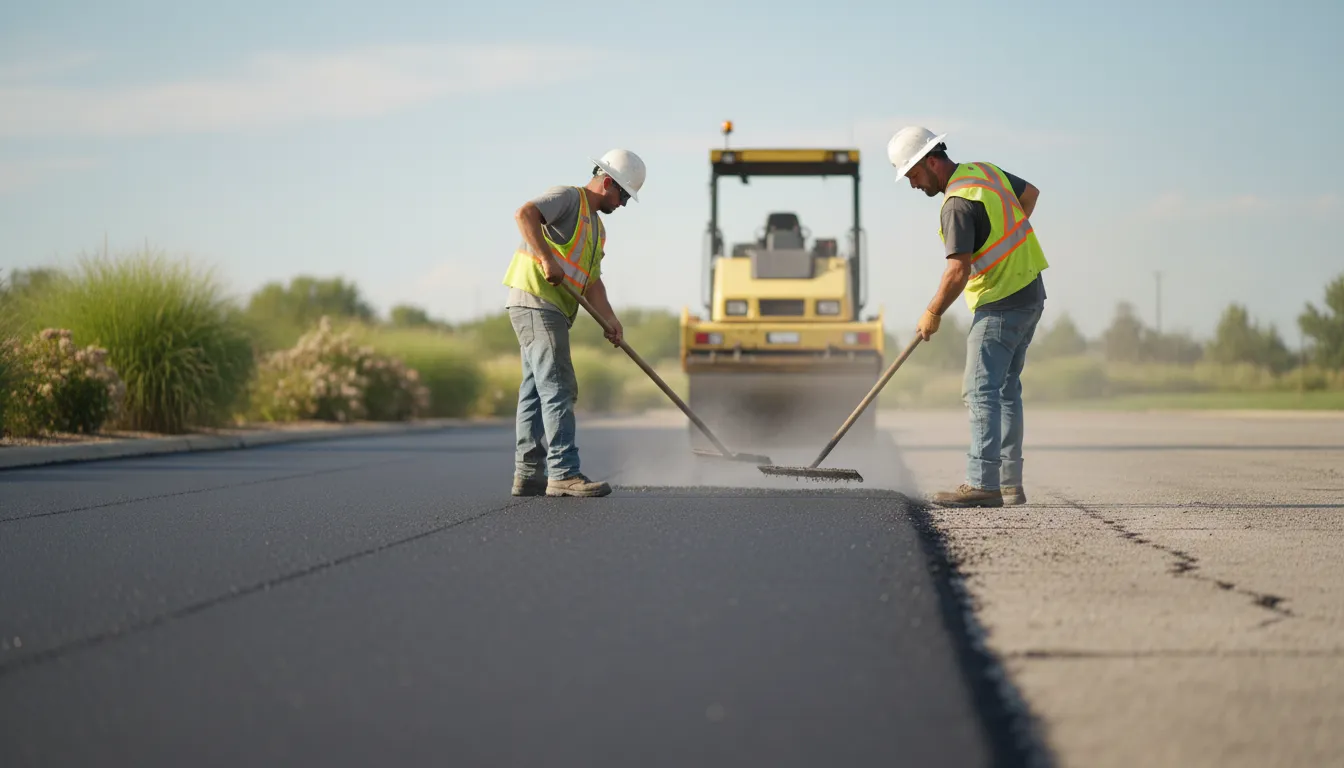
Find the Best Parking Lot Paving Contractors for Your Business
No obligation • Fast responses • Nationwide coverage
Why you can trust Tidy Parking
Tidy Parking is a leading U.S. source for parking lot maintenance services, including striping, sealcoating, sweeping, paving, resurfacing, and repairs. Our content is created independently, and providers cannot pay to influence ratings or recommendations.
Search providers near you
Top Parking Lot Paving Contractors in Lexington, Kentucky Ranked
A well-constructed parking lot is a critical asset for any Lexington business or property, providing safe, durable, and accessible pavement for customers and employees. Parking lot paving involves the expert installation of a new asphalt or concrete surface, a complex process that must account for Central Kentucky's unique soil and climate challenges to ensure long-term performance. This guide explains the paving process, local considerations, and typical costs to help you make informed decisions for your property's pavement project.
Martinez Seal Coating
Louisville, KY
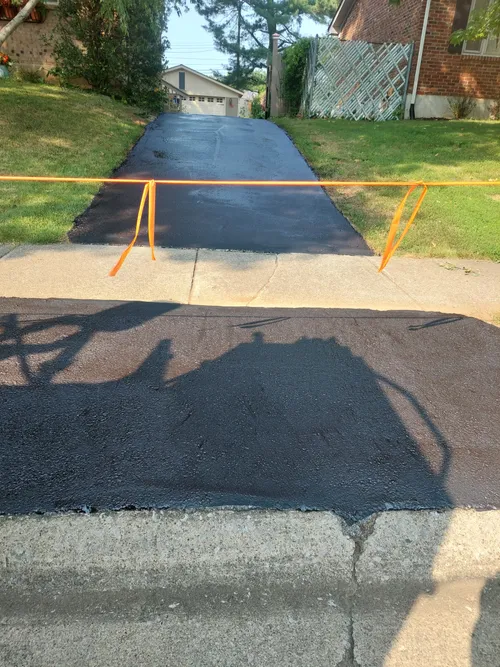
Martinez Seal Coating is a concrete contractor based in Louisville, KY, offering a range of services including sealcoating, crack sealing, paving, and concrete repairs. They provide solutions for parking lot striping and sealcoating, aiming to protect and extend the life of concrete surfaces. The company emphasizes quality craftsmanship and uses trusted equipment to complete projects according to customer specifications. With years of experience, Martinez Seal Coating also offers additional services such as fence installation and ceramic tile installation, serving both residential and commercial needs.
Tates Creek Paving, LLC.
694 E New Circle Rd #203, Lexington, KY 40505
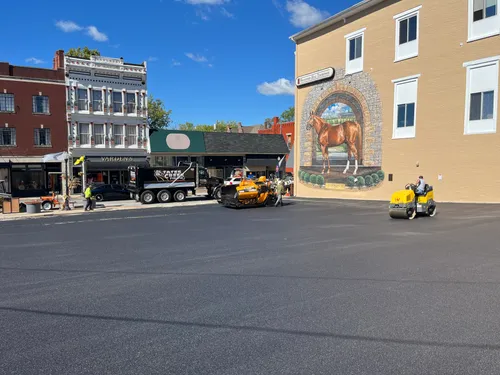
Tates Creek Paving, LLC. is a family-owned asphalt paving and maintenance company based in Lexington, KY. Serving Lexington and surrounding counties including Richmond, Versailles, Georgetown, Paris, and Winchester, they specialize in parking lot paving, sealcoating, milling, overlay, and resurfacing projects. With over 40 years of experience, they focus on driveways, parking lots, horse farms, and other pavement needs, using top-quality equipment to deliver sturdy and safe surfaces.
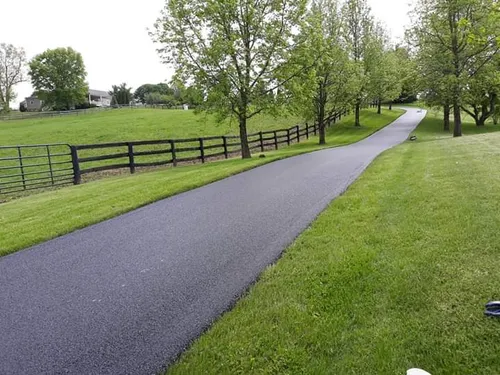
Asphalt Construction Company Inc.
Lexington, KY
Asphalt Construction Company Inc. is a locally owned asphalt paving company serving Lexington, KY, and the surrounding area. With over 50 years of experience, they provide a range of services including asphalt paving, resurfacing, sealcoating, and repairs for residential, commercial, and industrial clients. Their team offers customized paving solutions and uses high-quality materials to ensure durable and visually appealing results. The company is owner-operated and staffed by professionals with extensive industry experience.
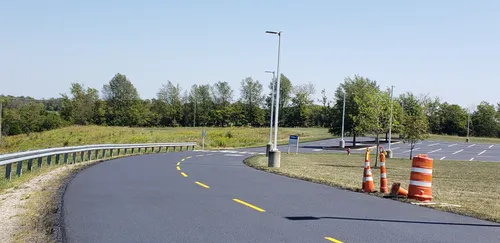
Whitehouse seal coating
561 W Office St, Harrodsburg, KY 40330
Whitehouse Sealcoating is a parking lot paving and repair company based in Lexington, KY, serving Harrodsburg and surrounding areas. They offer a range of services including sealcoating, crack repair, patching, pothole repair, and parking lot striping. The company uses commercial-grade sealants with additives for durability and a quality finish. Whitehouse Sealcoating has been operating for over 10 years as an owner-operated business, ensuring careful attention to each project.
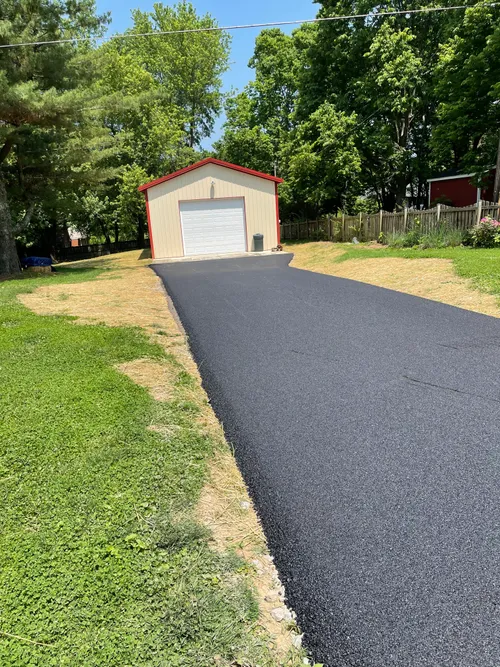
C & R Asphalt, LLC
415 Rebmann Ln, Lexington, KY 40504
C & R Asphalt, LLC is a paving contractor based in Louisville, KY, serving both residential and commercial clients. They offer a range of services including parking lot striping, sealcoating, asphalt repair, and concrete work. With over 33 years of experience, C & R Asphalt also operates an asphalt recycling facility in Central Kentucky, supporting sustainable pavement solutions.
The Standard Paving Process for Lexington Lots
Professional parking lot construction follows a meticulous, multi-layered approach designed to create a stable, long-lasting surface. Skipping steps or cutting corners can lead to premature failure, especially in our region.
1. Site Preparation & Excavation The first step is clearing the area of all debris, vegetation, and existing pavement. Contractors then remove topsoil to reach a stable, compactable subgrade. This depth is crucial, as it determines the strength of the foundation for the entire pavement structure.
2. Grading & Drainage Installation Proper grading is non-negotiable. The ground is shaped to ensure a minimum slope of 1-2% to direct water toward drains and away from buildings. Given Lexington's rainfall, installing drainage infrastructure like catch basins and trench drains during this phase is essential to prevent pooling water, which is a primary cause of pavement deterioration.
3. Building the Aggregate Base A strong base is the most important factor in pavement longevity. A layer of crushed stone, known as dense-graded aggregate, is spread and compacted in thin lifts (typically 6-12 inches maximum at a time) 1. This creates a solid, load-bearing platform that supports the asphalt above and helps manage moisture from the subgrade.
4. Asphalt Application & Compaction Hot-mix asphalt is then applied in two layers: a thick base layer for strength and a finer surface course for smoothness and weather resistance. Each layer is immediately compacted with heavy rollers to achieve the required density, eliminating air pockets and creating a seamless, durable surface 2 3.
5. Curing, Striping, and Final Touches The new asphalt needs time to cure and harden fully. Once ready, contractors apply pavement markings, including standard parking stalls, directional arrows, and ADA-compliant accessible spaces, completing the functional parking area.
Why Lexington's Environment Demands Special Attention
Local paving isn't a one-size-fits-all endeavor. Lexington's specific geology and climate pose distinct challenges that must be addressed during the design and construction phases.
Expansive Clay Soils Central Kentucky's prevalent silty-clay soils are highly erodible and have poor load-bearing capacity when wet 4. Without proper stabilization and drainage, these soils can shift and settle under the weight of pavement and vehicles, leading to cracks, potholes, and uneven surfaces. A robust, well-compacted aggregate base is the primary defense against unstable subgrade soils 5.
Karst Topography and Drainage Roughly 55% of Kentucky is underlain by limestone, which is susceptible to forming karst features like sinkholes and underground caverns 6. Improperly managed surface water from a parking lot can seep into the ground, accelerating erosion and potentially triggering subsidence. This makes expertly engineered drainage-moving water efficiently off the pavement and into proper storm systems-a critical safety and longevity concern 7.
The Freeze-Thaw Cycle Lexington experiences significant freeze-thaw cycles during winter and spring. Water that seeps into tiny pavement cracks freezes and expands by up to 9%, widening those cracks in a process known as frost heave 8. When it thaws, more water can enter the deeper crack, repeating the damaging cycle. This is the leading cause of pothole formation in our region.
Summer Heat and Oxidation High summer temperatures can soften asphalt, making it more susceptible to rutting under heavy traffic 9. The heat also accelerates the oxidation of the asphalt binder, the glue that holds the pavement together. Over time, oxidized asphalt becomes brittle, leading to surface cracking and raveling (the loss of aggregate from the surface) 10.
Find the perfect parking lot paving contractors for your needs
Get personalized recommendations and expert advice
Understanding Costs for Parking Lot Paving in Lexington
Investment in parking lot pavement varies based on size, site conditions, material choice, and required drainage work. Prices in Lexington may include premiums for the specialized soil preparation and drainage solutions needed for local conditions.
- New Asphalt Parking Lot: The total installed cost typically ranges from $2.50 to $7.00 per square foot 11 12. The wide range accounts for variables like the depth of the aggregate base, asphalt thickness, and complexity of drainage and grading work.
- Asphalt Resurfacing (Overlay): If the existing base is sound, applying a new layer of asphalt over the old surface costs between $1.00 and $3.00 per square foot 13. This is a cost-effective solution for lots with surface-level wear but not structural issues.
- Asphalt Patching and Repair: For addressing isolated potholes or cracked areas, repair costs generally fall between $1.20 and $2.00 per square foot.
- Concrete Parking Lot: Concrete is a more expensive but extremely durable alternative, with costs ranging from $7 to $12 per square foot 14. It is less susceptible to damage from fuel or oil spills but can be more challenging to repair.
- Sealcoating: This protective maintenance coat, which defends against UV rays, water, and chemicals, costs $0.15 to $0.30 per square foot 15. It is recommended every 2-3 years to extend asphalt life.
Note: These are regional estimates. Final quotes will depend on a detailed site evaluation, current material prices, and the specific scope of work required for your property's unique challenges.
Choosing Between Asphalt and Concrete
The choice between asphalt and concrete pavement depends on your budget, timeline, and long-term maintenance preferences.
Asphalt is the more common choice for commercial parking lots in Lexington. Advantages include a lower initial cost, faster installation, and easier repairs. It also provides better traction in winter conditions. Its main drawbacks are the need for more frequent maintenance (sealcoating) and a shorter overall lifespan compared to concrete if not properly cared for.
Concrete offers a significantly longer lifespan and requires less routine maintenance. It withstands heavy loads exceptionally well and is not affected by oil or gas spills. The primary disadvantages are a much higher upfront cost, a longer curing time before it can be used, and the potential for cracking in Lexington's freeze-thaw cycles if not installed with proper control joints and a deep base.
The Critical Role of Professional Drainage Solutions
Given the local emphasis on water management, it's worth exploring common drainage solutions integrated into Lexington paving projects.
- Catch Basins: These are in-ground structures with grates that collect surface water and connect to underground piping to carry it away.
- Trench Drains: Long, linear drains that are excellent for collecting sheet flow across large paved areas, such as along building aprons or the base of slopes.
- Proper Slope and Grading: The simplest and most critical element. Ensuring the pavement has a consistent slope (typically a 1-2% grade) directs water to the drains and prevents standing water, which can weaken asphalt and create safety hazards 16 17.
Investing in these features during initial construction is far more cost-effective than retrofitting them later to solve drainage problems.
Maintaining Your Newly Paved Lexington Lot
Protecting your investment starts as soon as the pavement is cured. A proactive maintenance plan tailored to Kentucky's climate can double or triple the life of your asphalt.
- Sealcoating: Apply a coal tar or asphalt-based sealant every 2-3 years. This shields the surface from UV oxidation, water penetration, and chemical spills like oil and gasoline.
- Prompt Crack Sealing: Fill small cracks as soon as they appear with a hot-pour rubberized sealant. This prevents water from infiltrating the base, which is the root cause of most major pavement failures.
- Regular Cleaning: Keep the surface free of debris, dirt, and standing water. Power washing and sweeping maintain appearance and prevent clogged drains.
- Professional Inspections: Have a paving professional inspect your lot annually. They can identify minor issues like alligator cracking or base settlement before they evolve into costly reconstruction projects.
Frequently asked questions
Sources
Footnotes
-
asphalt parking lot guide | paiky - https://www.paiky.org/wp-content/uploads/2019/06/PAIKY-Parking_Lot_Guide.pdf ↩
-
Parking Lot Paving - https://www.riversidepavingky.com/services/parking-lot-paving/ ↩
-
Parking Lot Paving - ADC Paving - https://www.adcpaving.com/commercial-paving-services/parking-lot-paving/ ↩
-
Kentucky Erosion Prevention and Sediment Control Field Guide - https://eec.ky.gov/Natural-Resources/Conservation/Conservation%20Forms%20Library/Kentucky%20Erosion%20and%20Sedimentation%20Control%20Field%20Guide.pdf ↩
-
Parking Lot Paving & Repair - Eaton Asphalt - https://eatonasphalt.com/parking-lot-paving-repair/ ↩
-
The Impact of Poor Drainage on Asphalt Parking Lot Longevity - https://www.bonnessinc.com/the-impact-of-poor-drainage-on-asphalt-parking-lot-longevity/ ↩
-
DR 400 Hydrology.pdf - KYTC - https://transportation.ky.gov/Highway-Design/Drainage%20Manual/DR%20400%20Hydrology.pdf ↩
-
3 Ways Winter Weather Affects Your Asphalt Parking Lot - https://www.tkasphalt.com/2021/02/23/3-ways-winter-weather-affects-your-asphalt-parking-lot/ ↩
-
Effect Of The Seasons On Asphalt Parking Lots - https://standardpaving.com/effect-of-the-seasons-on-asphalt-parking-lots/ ↩
-
The effects of weather on asphalt and concrete parking lots - https://a1asphaltpro.com/the-effects-of-weather-on-asphalt-and-concrete-parking-lots/ ↩
-
How Much Does Parking Lot Paving Cost in 2025? - https://elispaving.com/how-much-does-parking-lot-paving-cost-in-2025/ ↩
-
Cost to Pave a Parking Lot Price Guide [2026 Data] | Angi - https://www.angi.com/articles/cost-to-pave-parking-lot.htm ↩
-
Parking Lot Resurfacing: Complete Cost Guide & Process [2025] - https://www.candcsuperseal.com/parking-lot-resurfacing-complete-cost-guide-process-2025/ ↩
-
How Much Do Concrete Parking Lots Cost in 2023? - TRUEGRID Pavers - https://www.truegridpaver.com/concrete-parking-lot-costs/ ↩
-
Kentucky Parking Lots Costs & Prices - ProMatcher Cost Report - https://parking-lots.promatcher.com/cost/kentucky.aspx ↩
-
Say Goodbye to Flooding: The Ultimate Guide to Parking Lot ... - https://ineedaparkinglot.com/say-goodbye-to-flooding-the-ultimate-guide-to-parking-lot-drainage-solutions/ ↩
-
Parking Lot Slope, Condition, and Lighting Considerations to Prevent ... - https://f.hubspotusercontent30.net/hubfs/121786/LC1008%20Parking%20Lot%20Condition%20Considerations.pdf ↩