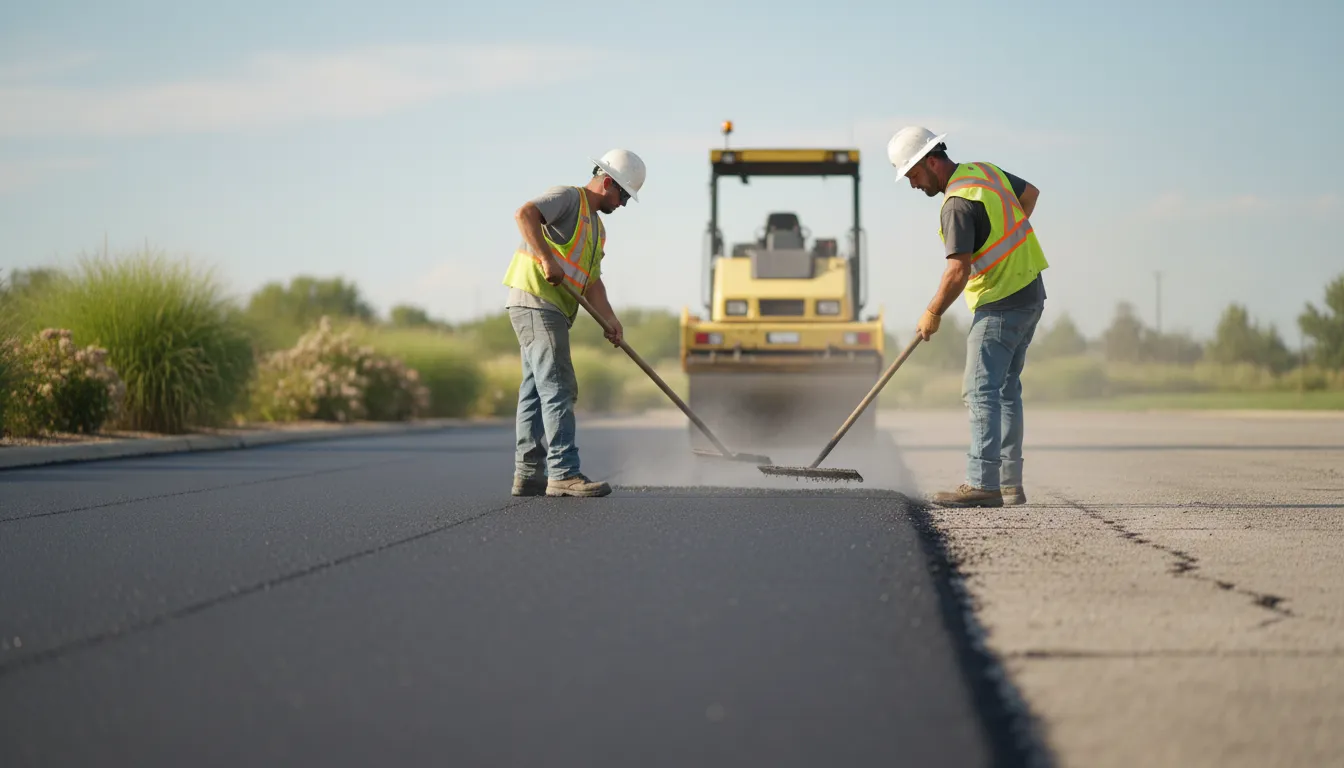
Find the Best Parking Lot Paving Contractors for Your Business
No obligation • Fast responses • Nationwide coverage

Why you can trust Tidy Parking
Tidy Parking is a leading U.S. source for parking lot maintenance services, including striping, sealcoating, sweeping, paving, resurfacing, and repairs. Our content is created independently, and providers cannot pay to influence ratings or recommendations.
Search providers near you
Best Parking Lot Paving Contractors in Kentucky Ranked
A durable, well-paved parking lot is a critical asset for any Kentucky business or property, providing a safe surface for vehicles and creating a positive first impression. Given the state's climate, with its seasonal freeze-thaw cycles, proper pavement design and construction are not just recommendations-they are essential for long-term performance and cost-effectiveness. This guide explains the key standards, materials, and processes for parking lot paving in Kentucky, helping you understand what goes into a quality project so you can make informed decisions when evaluating local paving professionals.
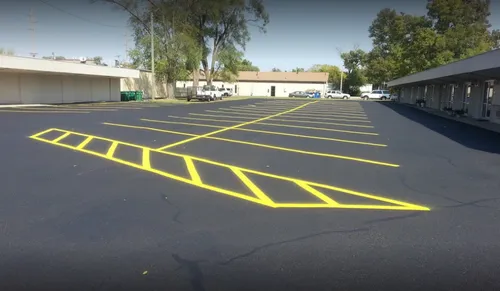
Ezzie Harrison Asphalt Paving, Sealcoating, and Repair
Louisville, KY
Ezzie Harrison Asphalt Paving, Sealcoating, and Repair is an asphalt paving contractor based in Louisville, KY. Serving both residential and commercial clients, they provide a full range of asphalt services including paving, repairs, sealcoating, resurfacing, and parking lot striping. With over 25 years of experience since 1995, they handle projects of all sizes and specialize in repairing asphalt damage such as potholes and cracks. Their capabilities also include ADA-compliant parking lot striping to ensure safe and organized parking areas. Ezzie Harrison Asphalt Paving is known for its comprehensive asphalt solutions throughout Louisville and surrounding communities.
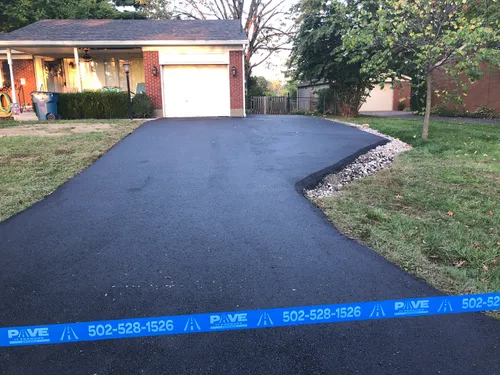
Pave It Forward Asphalt Paving
16922 Shelbyville Rd, Louisville, KY 40245
Pave It Forward Asphalt Paving is a parking lot sealcoating and paving contractor located in Louisville, KY. They serve Kentucky and Southern Indiana, offering asphalt revival and installation services with over 15 years of experience. The company emphasizes clear communication and community involvement, dedicating a portion of every project to local charities. Their approach includes using advanced equipment and innovative methods to improve paving quality and efficiency.
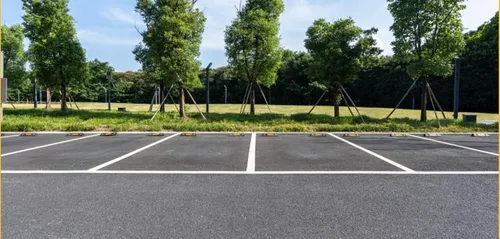
García’s Pavers LLC – Trusted Pavements Experts
Louisville, KY
García's Pavers LLC - Trusted Pavements Experts provides concrete, asphalt, and paver installation services in Louisville, KY. They serve Kentucky, Indiana, and surrounding areas, specializing in asphalt paving, parking lot striping, stamped concrete, and sealcoating. Their team handles projects ranging from paving installation to parking lot maintenance with attention to detail and craftsmanship. García's Pavers focuses on delivering quality results while working within budget constraints.
Martinez Seal Coating
Louisville, KY
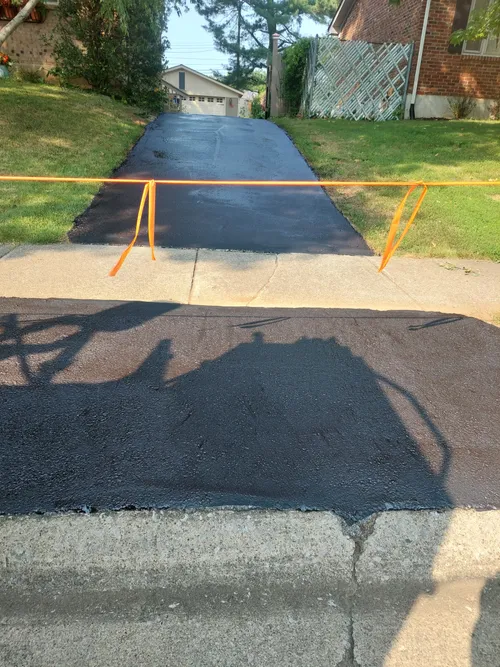
Martinez Seal Coating is a concrete contractor based in Louisville, KY, offering a range of services including sealcoating, crack sealing, paving, and concrete repairs. They provide solutions for parking lot striping and sealcoating, aiming to protect and extend the life of concrete surfaces. The company emphasizes quality craftsmanship and uses trusted equipment to complete projects according to customer specifications. With years of experience, Martinez Seal Coating also offers additional services such as fence installation and ceramic tile installation, serving both residential and commercial needs.
Altsman Coatings
Louisville, KY
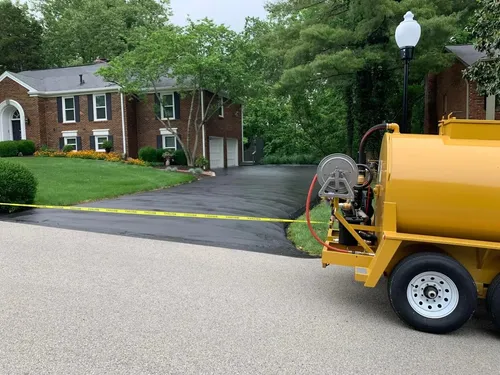
Altsman Coatings is a family-owned business established in 1991, providing asphalt maintenance, parking lot striping, sealcoating, paving, and repair services in Louisville, KY. They offer tailored solutions for residential, commercial, and industrial properties, including concrete and sports court coatings. Their team is fully licensed and insured, delivering warranty-backed work with expertise in asphalt and floor coatings developed over more than 30 years. Altsman Coatings serves clients with personalized service and competitive pricing.
Understanding Kentucky Pavement Design Standards
In Kentucky, professional parking lot paving follows guidelines established by the Kentucky Transportation Cabinet (KYTC), even for private commercial projects. These standards ensure the pavement can withstand expected traffic loads and environmental stresses. The fundamental design principle involves a layered system, each with a specific purpose.
A typical design for a light-duty lot (e.g., passenger cars only) might consist of a compacted gravel sub-base, a structural asphalt base course, and a final asphalt surface course. For commercial lots expecting heavier trucks or frequent use, the total thickness of asphalt is increased significantly. Adhering to these proven design principles is the first step toward a parking area that lasts for years without major failure.
The Critical Layers: From the Ground Up
A successful paving project starts long before the asphalt is laid. Each layer must be properly constructed to support the ones above it.
1. Subgrade Preparation
The native soil, or subgrade, is the foundation. It must be stable and well-drained. This involves removing all vegetation, topsoil, and debris, and often applying a soil sterilant to prevent future growth. The soil is then compacted to a specified density to prevent "pumping," where mud and water are pushed up through the pavement by traffic loads 1.
2. Aggregate Base & Sub-Base
On top of the prepared subgrade, a layer of compacted gravel aggregate is placed. This layer, typically 6 to 12 inches thick, provides a stable, uniform platform for the asphalt and is crucial for drainage, directing water away from the subgrade 2 3. In official specifications, this may be referred to as a traffic-bound base or aggregate base course.
3. Asphalt Base Course
This is the primary structural layer of the pavement. In Kentucky, it is often a KYTC Class 2 Base mix, a coarser asphalt concrete designed for strength. Thickness for this layer commonly ranges from 3.25 to 4 inches for standard parking lots, forming the backbone of the pavement structure.
4. Asphalt Surface Course
The final wearing layer is a finer, smoother asphalt mix like KYTC Class 2 Surface. This layer, usually 1.25 to 1.5 inches thick, provides resistance to wear, weathering, and skidding, and gives the lot its finished appearance 4. For certain applications, blends containing materials like blast furnace slag may be used in the aggregate for enhanced performance.
Climate Considerations for Kentucky Paving
Kentucky's weather poses specific challenges that must be addressed in the paving design. The cycle of freezing and thawing throughout winter and early spring can wreak havoc on improperly built pavement.
- Water is the Enemy: When water seeps into cracks or the base layers and freezes, it expands. This expansion can create potholes, cracks, and heaving. Upon thawing, the saturated base becomes weak and mushy, leading to further deformation under traffic.
- The Solution: Combating freeze-thaw damage is a two-part strategy: superior materials and impeccable drainage. Using properly compacted, high-stability asphalt mixes is the first line of defense 5. The second, and equally critical, is ensuring water cannot pool or penetrate.
The Imperative of Proper Drainage
An effective drainage system is non-negotiable for parking lot longevity in Kentucky. Without it, even the best asphalt will fail prematurely.
The pavement itself must be sloped to shed water. A standard minimum slope is 5/8 of an inch over a 10-foot run 6. This grading directs water toward designated drainage points like catch basins, storm drains, or swales. The edge of the pavement also requires careful attention to prevent water from seeping underneath and destabilizing the subgrade. A comprehensive plan integrates surface grading with subsurface drainage solutions to keep the entire pavement structure dry 6.
Find the perfect parking lot paving contractors for your needs
Get personalized recommendations and expert advice
Materials and Installation Best Practices
The quality of the asphalt mix and the skill of its installation are paramount. Hot mix asphalt (HMA) is the standard for parking lot construction, produced at high temperatures for optimal workability and compaction. The mix design-the specific recipe of aggregate sizes, sand, and asphalt binder-must be appropriate for the layer it's used in and the expected traffic 7.
Compaction is the process of using heavy rollers to compress the asphalt layers, removing air voids. Proper compaction density is critical; insufficient compaction leads to premature raveling (loss of aggregate), cracking, and moisture infiltration. Each lift (layer) must be compacted before the next is placed, following strict temperature guidelines to ensure a seamless, dense mat.
Parking Lot Paving Cost Considerations in Kentucky
Project costs can vary widely based on size, site conditions, material prices, and contractor rates. However, understanding general price ranges and cost drivers can help with initial planning.
- Smaller or Residential Lots: For basic projects with straightforward access and minimal grading, costs might range from $2.00 to $4.50 per square foot. The final price heavily depends on the required asphalt thickness and the extent of site preparation needed.
- Large Commercial Lots: These projects are more complex. Costs often range from $2.50 to $7.00 or more per square foot. Factors that increase cost include the need for a thicker structural base (6-7+ inches of total asphalt for heavy traffic), extensive earthwork, complex drainage systems, and obstacles like light poles or landscaping 8 9.
It's important to note that asphalt is often estimated by weight. A general rule is that the base/binder course weighs approximately 110 pounds per square yard per inch of depth, while the surface course weighs about 102 pounds per square yard per inch. These figures help contractors calculate the tons of material required. Always seek detailed, written estimates from licensed contractors that break down costs for materials, labor, base work, drainage, and any incidental repairs.
Maintaining Your Kentucky Parking Lot Investment
Once paved, proactive maintenance extends the life of your parking lot significantly. Key maintenance steps include:
- Sealcoating: Applying a protective coal tar or asphalt-based sealer every 2-3 years shields the surface from UV rays, gasoline, oil, and water.
- Crack Sealing: Filling cracks annually with a hot-pour rubberized sealant prevents water from entering and expanding the cracks.
- Prompt Pothole Repair: Addressing potholes immediately prevents them from growing and causing safety hazards.
- Regular Cleaning: Keeping the surface free of debris and ensuring drainage inlets are clear allows water to flow off the pavement as designed.
A well-maintained lot not only preserves your capital investment but also reduces long-term repair costs and maintains a safe, professional environment.
Frequently asked questions
Sources
Footnotes
-
How Thick is Parking Lot Asphalt? - https://theamericanasphalt.com/2021/05/13/how-thick-is-parking-lot-asphalt/ ↩
-
A GUIDELINE FOR THE DESIGN AND CONSTRUCTION OF ... - https://www.co-asphalt.com/assets/docs/AsphaltlParkingLotDesignGuide1.pdf ↩
-
SECTION 301 TRAFFIC-BOUND BASE - https://transportation.ky.gov/Construction/Standard%20amd%20Supplemental%20Specifications/300%20Aggregate%20Base%20Courses%2004.pdf ↩
-
APPENDIX A Pavement Design - KYTC - Kentucky.gov - https://transportation.ky.gov/Construction-Procurement/Design%20Build%20Project%20Documents/2.%20Final_Design-Build%20Appendices--Nelson%204-8307.pdf ↩
-
Key Factors When Selecting Driveway and Parking Lot Materials - https://metropavinginc.com/2023/07/paving-your-way-to-perfection-key-factors-when-selecting-driveway-and-parking-lot-materials/ ↩
-
appendix a specifications for paving of off-street parking and loading ... - https://www.pdskc.org/portals/pdskc/documents/zoning_pdf/fort_wright/fwappa.pdf ↩ ↩2
-
Types of Asphalt Paving Mix | Cold v. Hot - https://www.albanypavingnearme.com/types-of-asphalt-paving-mix.html ↩
-
Appendix B General Pavement Design Guidelines - https://transportation.ky.gov/Highway-Design/Pavement%20Design/Appendix%20B%20-%20General%20Pavement%20Design%20Guidelines.pdf ↩
-
Cost to Pave a Parking Lot Price Guide [2026 Data] | Angi - https://www.angi.com/articles/cost-to-pave-parking-lot.htm ↩