Find the Best Parking Lot Striping Companies for Your Business
No obligation • Fast responses • Nationwide coverage

Why you can trust Tidy Parking
Tidy Parking is a leading U.S. source for parking lot maintenance services, including striping, sealcoating, sweeping, paving, resurfacing, and repairs. Our content is created independently, and providers cannot pay to influence ratings or recommendations.
Search providers near you
Top Parking Lot Striping Companies in Pinellas Park, Florida Ranked
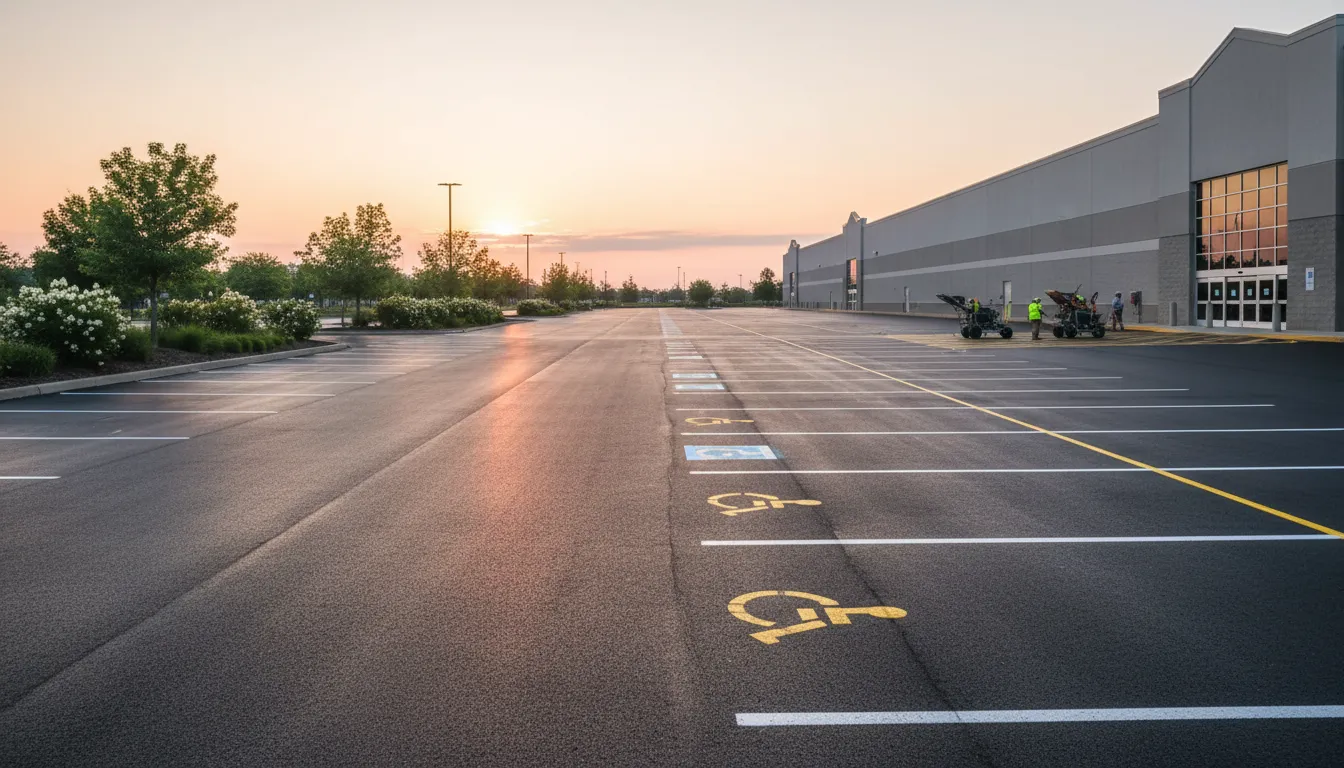
A clearly marked parking lot is more than just paint on pavement; it's a critical system for safety, accessibility, and efficient traffic flow. In Pinellas Park, proper line striping ensures your property complies with strict Florida and federal regulations, including the Americans with Disabilities Act (ADA), while protecting you from liability. This guide explains the local requirements, best practices, and key considerations for maintaining or installing a compliant parking lot layout, helping you connect with qualified professionals who understand Pinellas Park's specific codes.
G-FORCE Parking Lot Striping of Tampa
Tampa, FL
G-FORCE Parking Lot Striping of Tampa is a veteran-owned business providing comprehensive parking lot striping, marking, and repair services in Tampa, FL. Their offerings include parking lot striping, warehouse floor markings, ADA compliance striping, sign and bollard installation, and pavement maintenance such as crack sealing and asphalt sealcoating. They use premium traffic paints and advanced equipment to ensure durable and precise markings. With combined military service experience of the owners and a network of 52 locations nationwide, G-FORCE serves Tampa and surrounding cities including Spring Hill, Clearwater, and St. Petersburg.
Florida Asphalt Solutions LLC
1301 Bayshore Dr, Terra Ceia, FL 34250
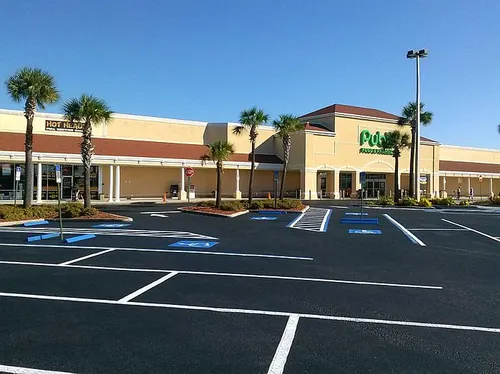
Florida Asphalt Solutions LLC is a paving contractor based in St Petersburg, FL, offering residential and commercial asphalt and concrete services. They provide parking lot striping, sealcoating, paving, and repair services throughout Tampa Bay, including Tampa, St. Petersburg, and Clearwater. The company has over 19 years of experience and is licensed and insured in Florida. They use high-quality materials suited for the local climate to ensure durable results.
DMI Paving & Sealcoating
3710 Corporex Park Dr #212, Tampa, FL 33619
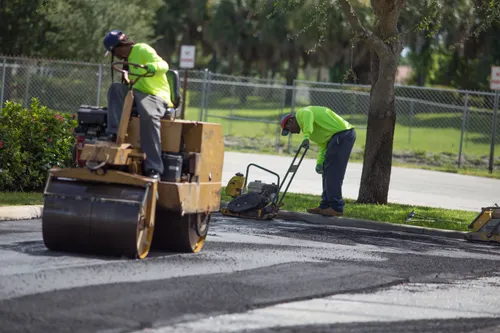
DMI Paving & Sealcoating is a parking lot paving and maintenance company based in Tampa, FL. They provide a range of services including pothole patching, curbing, sealcoating, striping, carstop replacement, asphalt overlay, and new parking lot installation. Their projects often involve multi-phase work designed to improve the safety, appearance, and functionality of parking areas. One notable capability is their ability to manage large-scale sealcoating projects that protect and extend the life of asphalt surfaces. They have experience working with commercial properties and communities, completing projects efficiently with minimal disruption.
Bay Area Asphalt Maintenance
2927 Chancery Ln, Clearwater, FL 33759
Bay Area Asphalt Maintenance is a parking lot striping and repair company serving Tampa, FL. They specialize in pothole repairs and ensuring traffic markings are clearly visible to improve safety and curb appeal. Operating since 2003, they bring over two decades of experience to asphalt maintenance in the Clearwater and Trinity areas.
Firm Foundations Asphalt & Concrete LLC
10701 N Nebraska Ave, Tampa, FL 33612
Firm Foundations Asphalt & Concrete LLC is a full-service site, civil, and infrastructure contractor based in Tampa, FL. They provide a range of services including parking lot striping, sealcoating, paving, and resurfacing. The company operates across Florida, Georgia, and Alabama, handling projects from small repairs to large-scale infrastructure work. Founded in 2021 and owner-led, Firm Foundations Asphalt & Concrete emphasizes accountability and quality craftsmanship, working directly with clients to ensure each job is done right the first time. Their capabilities include asphalt paving, milling, resurfacing, and striping for roads, lots, and infrastructure.
Understanding Local Striping & Marking Regulations
Parking lot striping in Pinellas Park is governed by a combination of state and local ordinances. The Florida Building Code (FAC) provides the baseline, but the City of Pinellas Park enforces additional requirements, particularly for emergency access. The most critical regulations revolve around accessibility and fire safety. Failing to meet these standards can result in fines, increased liability, and a negative experience for visitors and customers.
The goal of these regulations is to create a safe, predictable environment for all users. Clear pavement markings guide drivers, protect pedestrians, and ensure emergency vehicles have unobstructed access when needed. For property owners and managers, maintaining these markings is not just a matter of curb appeal-it's a legal obligation.
ADA Compliance: Accessible Parking Space Specifications
ADA-compliant striping is non-negotiable. The requirements are precise and must be followed exactly to provide proper access for individuals with disabilities.
- Space Dimensions: A standard accessible parking space must be at least 12 feet wide. This width includes the parking space itself and a 5-foot-wide access aisle. For van-accessible spaces, you have two options: an 11-foot-wide space with an 8-foot-wide access aisle, or a 16-foot-wide combined space with a 5-foot access aisle 1 2.
- Access Aisle Markings: The access aisle is crucial for deploying wheelchairs and mobility devices. It must be marked with diagonal hatch marks, typically in blue or yellow, and clearly labeled "NO PARKING". Two accessible spaces may share one common access aisle.
- Symbol and Signage: The International Symbol of Accessibility (the wheelchair logo) must be painted on the pavement within each accessible space. Additionally, a vertical sign must be posted at the head of the space. This sign must be mounted at least 60 inches above the ground to remain visible even when a vehicle is parked in the spot 3 4.
- Quantity Required: The number of accessible spaces is based on the total number of spaces in your lot. For example, a lot with 1 to 25 total spaces requires at least one accessible space. A lot with 26 to 50 spaces requires two. It's essential to calculate this based on your lot's total capacity.
Fire Lane and Safety Marking Requirements
Pinellas Park has specific emergency access requirements to ensure fire trucks and other first responders can reach any building without obstruction.
- Fire Lane Signs: Fire lanes must be designated with signs that explicitly state: "NO PARKING FIRE LANE BY ORDER OF THE FIRE DEPARTMENT" 5. These signs must be 12 inches by 18 inches in size, placed within clear sight of traffic, and spaced no more than 60 feet apart 5.
- Pavement Markings: The pavement within the fire lane is typically marked with bright yellow or red diagonal stripes. This creates a highly visible, universal "no parking" zone.
- Loading Zones: Commercial and sometimes non-commercial loading zones are often marked with yellow curbs or pavement markings to distinguish them from standard parking areas.
Pedestrian Safety and Traffic Flow
Proper striping directs both vehicle and foot traffic, minimizing conflict points.
- Crosswalks: Pedestrian walkways should be clearly marked, usually with solid white lines or high-visibility continental stripes, to define safe crossing areas.
- Stop Bars, Arrows, and Directional Flow: White lines are used for stop bars at intersections, arrows to indicate turn lanes or one-way flow, and directional markings to guide drivers through the lot 6. Consistent, well-maintained markings prevent confusion and accidents.
Find the perfect parking lot striping companies for your needs
Get personalized recommendations and expert advice
The Standard Pinellas Park Parking Lot Layout
A compliant and efficient parking lot layout in Pinellas Park uses a color-coded system that drivers instinctively understand.
- Blue and White: This combination is reserved exclusively for handicapped parking spaces. The space is often outlined in blue, with the accessibility symbol painted in white (or vice-versa for maximum contrast).
- Yellow: Yellow is the universal color for caution and delineation. It marks fire lanes, no-parking zones, loading areas, and sometimes the diagonal hatch marks in access aisles 7.
- Red: Red is also used for fire lanes and areas where parking is strictly prohibited, such as in front of fire hydrants 8.
- White: White is used for all standard parking stall lines, directional arrows, crosswalks, and stop lines 9 10. It provides a clean, high-contrast guide for general traffic.
A smart layout doesn't just meet the minimum code; it maximizes the usable space and improves the flow of traffic, which can enhance customer satisfaction and safety 11.
The Striping Process: Restriping vs. New Layouts
The scope of your project significantly impacts the process, timeline, and cost.
Restriping an Existing Lot: This is the most common service. It involves painting new lines directly over the old, faded markings. The process is relatively quick and cost-effective, assuming the existing layout is already compliant with current codes. The crew will clean the surface, lay out the lines, and apply fresh paint.
Installing a New Layout or Making ADA Upgrades: This is a more involved project. It may require a professional site plan to redesign the stall arrangement, add the correct number of accessible spaces, and incorporate proper fire lanes. This process includes layout design, potentially installing new ADA-compliant signage, and may involve using more durable materials like thermoplastic 12. It's essential when renovating a lot, changing its use, or bringing an older property up to current standards.
Material Choices: Paint vs. Thermoplastic
The choice of material is crucial for longevity, especially in Florida's climate.
- Traffic Paint: This is a cost-effective, oil- or water-based paint. It's suitable for most restriping jobs but has a shorter lifespan, typically lasting 1-3 years before significant fading occurs under intense UV rays and heavy summer rains.
- Thermoplastic: This is a premium material. It is applied hot and forms a thick, durable coating that is highly reflective and resistant to weather, chemicals, and tire wear. Thermoplastic markings can last 5-8 years or more, making them a wise long-term investment for high-traffic areas despite a higher initial cost 13.
Key Cost Factors for Parking Lot Striping in Pinellas Park
While we avoid providing specific quotes, understanding what drives pricing can help you budget effectively. The final cost depends on several variables:
- Lot Size and Complexity: The total square footage is the primary driver. A simple, rectangular lot is less expensive than one with multiple angles, islands, and custom markings.
- Scope of Work: A simple restripe over existing lines costs less than a complete redesign that requires new stencils, signage, and layout planning 14 15.
- Material Selection: Using long-lasting thermoplastic will have a higher upfront material and application cost than standard traffic paint 16.
- Preparation Work: If the pavement needs extensive cleaning, crack filling, or patching before striping can begin, this will add to the project cost.
- ADA Compliance Needs: Adding new accessible spaces, installing compliant signage, and painting the required symbols and aisles add to the project scope and cost 17.
Maintaining Your Striping for Safety and Compliance
Faded, peeling markings are a safety hazard and a compliance issue. Regular maintenance is key.
- Schedule Regular Inspections: Visually inspect your lot every 6-12 months. Look for fading, especially in high-traffic areas and crosswalks.
- Plan for Restriping: Most painted lots need restriping every 1-2 years to remain clearly visible and compliant. Thermoplastic lasts longer but should still be inspected annually.
- Clean Spills Promptly: Oil and chemical spills can degrade paint quickly. Pressure washing as part of routine lot maintenance can extend the life of your markings 18.
- Repair the Pavement First: It's often more cost-effective to schedule striping after any necessary sealcoating or asphalt repair work is completed, ensuring the new markings are applied to a sound surface.
Frequently asked questions
Sources
Footnotes
-
2026 ADA Parking Lot Striping Compliance: Florida Guide - https://www.floridasealcoating.com/blog/2026/ada-striping-compliance-2026-what-florida-businesses-must-know.html ↩
-
Understanding Your Parking Lot Line Striping Requirements - https://www.ppm.us/parking-lot-striping-requirements/ ↩
-
Frequently Asked Questions - Florida Highway Safety and Motor Vehicles - https://www.flhsmv.gov/motor-vehicles-tags-titles/disabled-person-parking-permits/frequently-asked-questions/ ↩
-
ADA Compliance for Parking Lot Striping: What You Need to Know - https://www.plsofflorida.com/ada-compliance-for-parking-lot-striping-what-you-need-to-know/ ↩
-
Emergency Access Requirements | Pinellas Park, FL - https://www.pinellas-park.com/632/Emergency-Access-Requirements ↩ ↩2
-
Commercial Parking Lot Striping: Costs, Standards + Pro Tips - https://www.getonecrew.com/post/commercial-parking-lot-striping ↩
-
Accessible Parking Spaces | ADA.gov - https://www.ada.gov/topics/parking/ ↩
-
Follow ADA Guidelines for Striping and Marking Parking Lots - https://americanasphalt.com/follow-ada-guidelines-for-striping-and-marking-parking-lots/ ↩
-
Parking Lot Striping 101 - Florida Sealcoating - https://www.floridasealcoating.com/blog/2023/parking-lot-striping-101.html ↩
-
The Step-by-Step Process of Parking Lot Line Striping - https://asphaltcoatingscompany.com/blog/the-step-by-step-process-of-parking-lot-line-striping/ ↩
-
Smart Parking: How Proper Striping Maximizes Space and Flow - https://www.rpmpavement.com/blog/2025/smart-parking-how-proper-striping-maximizes-space-flow.html ↩
-
Pinellas Park City Zoning Code - https://www.zoneomics.com/code/pinellas-park-FL/chapter_32 ↩
-
Pavement Markers for Orlando Parking Lots | Types & Compliance - https://dcplm.com/blog/the-different-types-of-pavement-markers/ ↩
-
A complete guide: Restriping your parking lot - https://parkade.com/post/guide-to-restriping-your-propertys-parking-lot ↩
-
Cost to Restripe a Parking Lot - Truline Striping Company - https://trulinestripingco.com/blog/cost-to-restripe-a-parking-lot/ ↩
-
ADA Parking Lot Compliance - Tampa, FL ADA Compliance - https://paintmyparkinglot.com/why-is-ada-parking-lot-compliance-important-in-tampa/ ↩
-
Parking Lot Striping in St. Petersburg | PLS of Florida - https://www.plsofflorida.com/parking-lot-striping-in-st-petersburg/ ↩
-
5 Parking Lot Striping Mistakes To Avoid At All Cost! - https://paintmyparkinglot.com/5-parking-lot-striping-mistakes/ ↩