Find the Best Parking Lot Sealcoating Companies for Your Business
No obligation • Fast responses • Nationwide coverage
Why you can trust Tidy Parking
Tidy Parking is a leading U.S. source for parking lot maintenance services, including striping, sealcoating, sweeping, paving, resurfacing, and repairs. Our content is created independently, and providers cannot pay to influence ratings or recommendations.
Search providers near you
Top Parking Lot Sealcoating Companies in Seattle, Washington Ranked
Parking lot sealcoating is the process of applying a protective coating to asphalt pavement. In Seattle, this maintenance is not just about aesthetics; it's a vital defense against the region's relentless rain and weather extremes that rapidly degrade unprotected asphalt. A proper sealcoat shields your pavement from water damage, UV rays, and chemical spills, significantly extending its lifespan and protecting your investment. This guide will help you understand the local considerations for this service and how to find qualified professionals to maintain your property.
Valley Asphalt
Seattle, WA
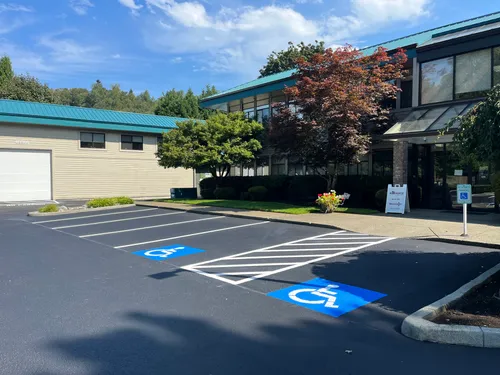
Valley Asphalt is a full-service asphalt company serving Seattle, WA, and the surrounding areas. They specialize in commercial and residential asphalt paving, patching, sealcoating, parking lot striping, crack sealing, signage and bollard installation, and extruded curbing. With branches in North Bend and Ellensburg, they cover a wide region including Bellevue, Issaquah, Kirkland, and beyond. Valley Asphalt handles projects for residential, commercial, and industrial properties, offering expertise in creating durable and smooth asphalt surfaces. Their team is experienced in both new installations and repairs, providing comprehensive paving solutions.
Paradise Asphalt Solutions
Seattle, WA
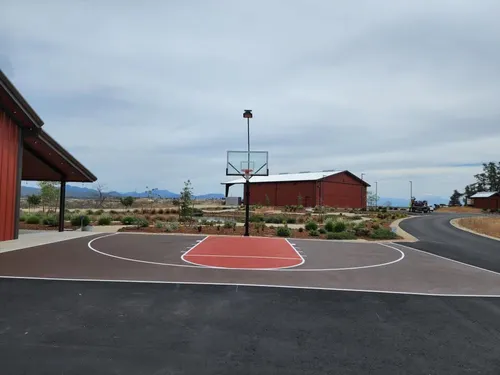
Paradise Asphalt Solutions is an asphalt contractor based in Seattle, WA, offering a wide range of services including paving, patching, striping, sealcoating, and driveway installation. They serve both residential and commercial clients, focusing on durable and high-quality asphalt solutions tailored to local weather conditions. Their capabilities include asphalt patching using techniques like infrared patching and full-depth repairs to extend pavement life. Paradise Asphalt Solutions emphasizes the use of premium materials and advanced equipment to ensure long-lasting results.
Statewide Parking Lot Services Inc
33920 211th Pl SE, Auburn, WA 98092
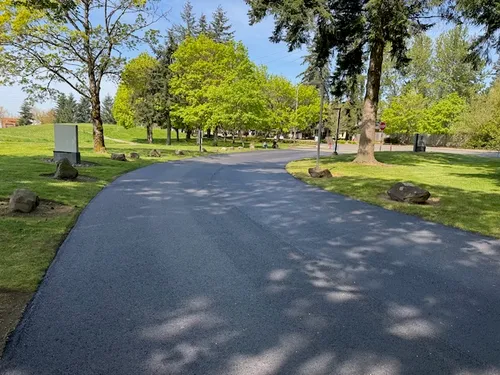
Statewide Parking Lot Services Inc is a parking lot maintenance and paving company based in Kent, WA. Founded in 1972 by Dwayne McGraw, the company offers services including parking lot striping, sealcoating, sweeping, paving, and repair. With a team of skilled operators and contractors, they serve Kent and surrounding communities such as Seattle, Federal Way, Bellevue, Tacoma, Olympia, Everett, Lynnwood, and Bremerton. Their capabilities include comprehensive parking lot maintenance and asphalt paving to help extend the life of pavement surfaces. The company has a long history of family leadership and experienced management, with over 50 years in the industry.
Valley Asphalt Solutions
9803 WA-527, Everett, WA 98208
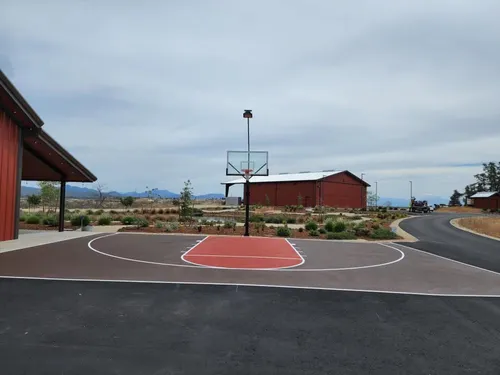
Valley Asphalt Solutions is a locally owned asphalt contractor based in Everett, WA, offering a full range of asphalt services for residential, commercial, and municipal clients. Their expertise includes asphalt paving, patching, striping, sealcoating, and driveway installation. The company uses premium materials and modern equipment to ensure durable and high-quality results tailored to the local climate. Valley Asphalt Solutions is known for handling projects of all sizes and prioritizes customer satisfaction throughout the process.
Spadoni Asphalt Maintenance
Tacoma, WA
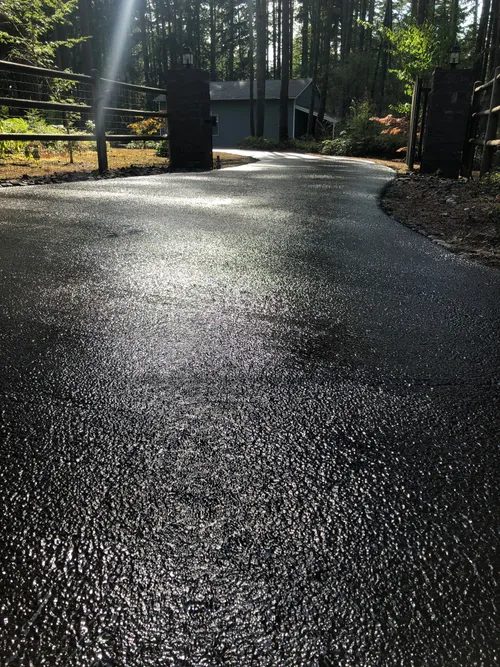
Spadoni Asphalt Maintenance is a family-owned asphalt maintenance company based in Tacoma, WA. They provide commercial and residential services including parking lot sealcoating, crack sealing, asphalt repair, line striping, and concrete and curb repair. Serving Pierce and Kitsap counties, they focus on smaller-scale repairs and preventative maintenance to extend pavement life and reduce the need for costly replacements. With over 20 years of experience, Spadoni Asphalt Maintenance offers flexible scheduling and thorough documentation to keep clients informed throughout the process.
Why Sealcoating is Essential for Seattle Properties
Seattle's climate presents a unique set of challenges for asphalt pavement. The city experiences over 145 days of measurable rain each year, coupled with periods of intense summer sun. This combination is particularly harsh:
- Water Damage: Rainwater seeps into tiny cracks and pores in unsealed asphalt. During winter freezes, this water expands, causing the cracks to widen and leading to potholes and structural failure-a process known as freeze-thaw damage. Sealcoating creates an impermeable barrier that prevents this water penetration.
- UV Oxidation: Despite the cloudy reputation, Seattle's summer UV radiation is strong enough to oxidize asphalt binder. This causes the pavement to harden, turn gray, and become brittle, making it more susceptible to cracking. Quality sealants contain UV inhibitors to block this damaging effect 1.
- Chemical Erosion: Gasoline, oil, and antifreeze drips from vehicles break down the asphalt binder. A fresh sealcoat layer resists these fluids, making cleanup easier and preventing permanent, soft spots.
For commercial property managers and business owners, a well-maintained parking lot is also a matter of safety, curb appeal, and liability prevention. Cracked, faded, and deteriorating pavement can create trip hazards, reduce customer perception, and lead to more costly repairs down the line.
Determining the Right Sealcoating Schedule for Your Lot
A one-size-fits-all schedule doesn't work for asphalt sealing. The frequency depends heavily on your specific lot's use and exposure. The general recommendation for Seattle is to apply a new protective coating every 2 to 3 years.
However, several factors can accelerate this timeline:
- High-Traffic Lots: Retail centers, apartment complexes, and warehouse facilities with constant vehicle traffic should consider sealcoating every 18 to 24 months. The wear from tires and increased exposure to fluids necessitates more frequent protection 2.
- New Asphalt: If you have a newly paved lot, the first application of sealant is critical. It should be applied within the first 6 to 12 months to protect the fresh, vulnerable asphalt during its initial curing period.
- Low-Traffic Areas: Private lots or areas with minimal use may successfully extend the period between coatings to 3 or even 4 years, provided the existing seal is still intact and effective.
Regular inspections in spring and fall are the best way to gauge your lot's needs. Look for fading color (a shift from black to gray), a rough or sandy texture, and the emergence of small cracks.
The Ideal Season for Sealcoating in Seattle
Timing is everything for a successful asphalt sealing project. The sealant requires specific conditions to adhere properly and cure into a durable shield.
- Best Window: The optimal period for sealcoating in Seattle is from late spring through early fall, typically May to September. This window offers the most reliable combination of warmer temperatures and lower rainfall.
- Temperature Requirements: The application and curing process requires consistent temperatures above 50°F (10°C). Both the air temperature and the pavement surface temperature must meet this threshold. Applications in cooler weather result in poor adhesion, slow curing, and a finish that may remain tacky or wash away.
- Dry Conditions: The lot must be completely dry before application, and no rain should be forecast for at least 24 to 48 hours after the work is complete to allow for proper curing. Seattle's unpredictable drizzle makes scheduling a key part of planning with your contractor.
For lots that are covered or indoors, sealcoating and related maintenance like striping can often be performed year-round, offering more scheduling flexibility 3.
Find the perfect parking lot sealcoating companies for your needs
Get personalized recommendations and expert advice
Critical Preparation Steps for Lasting Results
A sealcoat is only as good as the surface it's applied to. In Seattle's damp environment, proper preparation is non-negotiable for ensuring the coating bonds correctly and performs its job. Reputable contractors will always include these steps:
- Thorough Cleaning: The entire surface must be free of dirt, debris, leaves, and vegetation. This is typically done with commercial-grade power washers or mechanical sweepers. Any organic matter trapped under the sealant will cause it to fail prematurely.
- Oil Spot Treatment: Oil and fluid stains are common in parking lots. These areas require special attention. Contractors will use a specialized oil spot primer or cleaner to neutralize the spot. If this isn't done, the sealant will not adhere to the oil-saturated asphalt, leading to rapid flaking and peeling 4 5.
- Crack Sealing: Before the blanket sealcoat is applied, all minor cracks (typically those less than 1/2 inch wide) should be cleaned and filled with a hot-pour or cold-applied crack sealant. This prevents water from entering the sub-base and stops the cracks from reflecting through the new sealcoat.
Skipping any of these preparatory steps to save time or money will drastically reduce the longevity and effectiveness of the sealcoating job.
Coordinating Sealcoating with Parking Lot Striping
Sealcoating covers everything, including your existing pavement markings. Therefore, parking lot striping (or re-striping) is a natural and necessary follow-up project. Planning these services together is efficient and cost-effective.
- Timing: Striping should be scheduled after the new sealcoat has fully cured, which typically takes 24 to 48 hours under ideal conditions. Applying paint to a fresh, uncured sealcoat will cause the paint to bleed and fail.
- Frequency: In Seattle's wet climate, paint fades faster due to rain and mechanical wear from snow plows (if used). High-traffic lots should be re-striped every 18 to 24 months to ensure clear, compliant, and safe traffic flow 6. A good rule is to re-stripe with every other sealcoating cycle.
- Paint Choice: For durability in rainy conditions, contractors often recommend high-quality, fast-drying solvent-based traffic paint, which adheres better and resists washing away compared to some water-based alternatives 7.
Understanding Sealcoating Costs in Seattle
The cost for commercial parking lot sealcoating in Seattle is typically quoted per square foot or as a project-based estimate. The final price depends on the lot's size, condition, and the amount of preparatory work required.
- Per Square Foot: For a standard commercial lot in fair condition, you can expect a range of $0.15 to $0.35 per square foot for the sealcoating service.
- Project-Based Estimates: Costs can also be framed by the size of the lot:
- Small Lots (10-20 stalls): $300 - $500
- Medium Lots (21-50 stalls): $500 - $800
- Large Lots (51+ stalls): $800 - $1,200+ 8
Remember, the lowest bid may not include essential prep work like oil spot priming or crack filling. A detailed, written estimate that breaks down preparation, materials, and application is crucial for comparing proposals. Investing in a proper, high-quality sealcoating job can extend the functional lifespan of a Seattle parking lot by 200-300%, providing a strong return by delaying far more expensive repairs or full replacement 9.
Frequently asked questions
Sources
Footnotes
-
How Often Should You Seal Coat Asphalt? - Elcor Construction - https://elcorconstruction.com/how-often-should-you-seal-coat-asphalt/ ↩
-
How Often Should a Parking Lot Be Sealcoated? 510-723-0280 - https://americanasphalt.com/how-often-should-a-parking-lot-be-sealcoated/ ↩
-
The Life Cycle Of A Parking Lot: When To Repair, Reseal, And Re-Stripe - https://wedolines.com/the-life-cycle-of-a-parking-lot-when-to-repair-reseal-and-re-stripe/ ↩
-
Sealcoating - Complete Parking Lot Maintenance and Repairs - https://www.curbpros.net/sealcoat.html ↩
-
How Often Should You Sealcoat Your Commercial Parking Lot - https://thepavementgroup.com/commercial-parking-lot-sealcoat/ ↩
-
How often should a parking lot be restriped? - Seton - https://www.seton.com/when-to-restripe-a-parking-lot ↩
-
Seattle Parking Lot Striping: Tips for Rainy Weather Durability - https://1800striper.com/seattle-parking-lot-striping/ ↩
-
How Much Does It Cost to Stripe a Parking Lot? [2026 Data] - Angie's List - https://www.angi.com/articles/stripe-parking-lot-cost.htm ↩
-
Parking Lot Sealcoating Services for Seattle, WA - https://p3nw.com/asphalt-paving-services/parking-lot-sealcoating-services/ ↩