Find the Best Parking Lot Sealcoating Companies for Your Business
No obligation • Fast responses • Nationwide coverage

Why you can trust Tidy Parking
Tidy Parking is a leading U.S. source for parking lot maintenance services, including striping, sealcoating, sweeping, paving, resurfacing, and repairs. Our content is created independently, and providers cannot pay to influence ratings or recommendations.
Search providers near you
Top Parking Lot Sealcoating Companies in Texas City, Texas Ranked
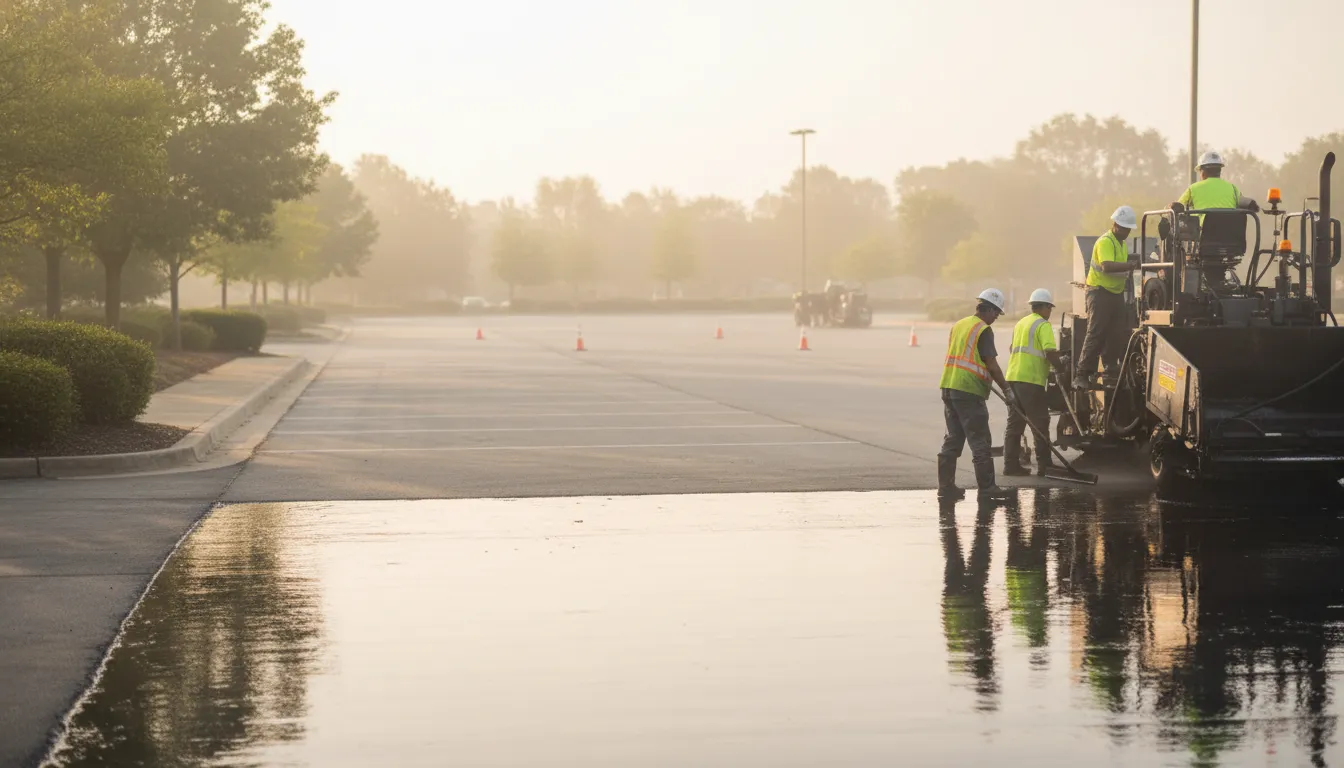
Parking lot sealcoating is the essential process of applying a protective layer over asphalt to shield it from the sun, water, and chemicals. In Texas City, this maintenance is critical due to the intense coastal heat and humidity that rapidly degrade pavement. A well-applied sealcoat preserves your investment, enhances curb appeal, and extends the life of your asphalt. This guide explains the local considerations, process, and timing to help you find qualified professionals for your property's needs.
Pearland Accurate Asphalt
1555 Cullen Blvd #1608, Pearland, TX 77584
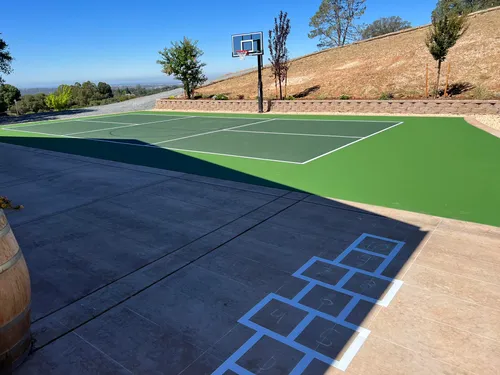
Pearland Accurate Asphalt is a parking lot paving and repair company serving Houston, TX. They provide a full range of asphalt services including paving, patching, striping, sealcoating, and driveway installation for residential and commercial properties. Their team focuses on delivering durable and visually appealing asphalt surfaces, paying close attention to details like surface slope and thickness to enhance longevity. The company emphasizes the use of high-quality materials and advanced techniques to ensure long-lasting results. Pearland Accurate Asphalt is licensed, bonded, and insured, offering reliable asphalt solutions tailored to client needs.
Asphalt Creations Baytown
28 Cook, Baytown, TX 77520
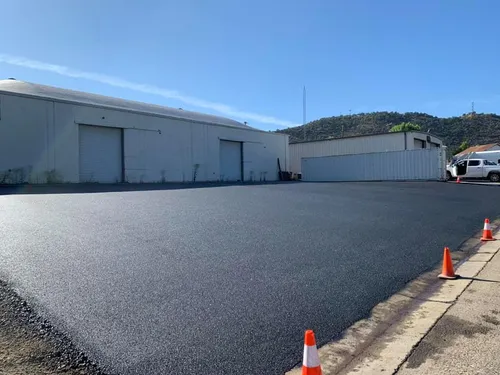
Asphalt Creations Baytown provides comprehensive asphalt services in Houston, TX, including paving, patching, striping, sealcoating, and driveway installation. They serve both residential and commercial clients, offering durable and aesthetically pleasing asphalt solutions tailored to various needs. The company emphasizes safety and uses modern equipment and high-quality materials to ensure long-lasting results. With years of industry experience, Asphalt Creations Baytown has developed expertise in handling complex asphalt projects and maintaining surfaces to extend their lifespan.

SealPro
Santa Fe, TX 77517
SealPro is a parking lot sealcoating, paving, and repair company based in Pearland, TX. They offer a range of services including full-service concrete and asphalt paving, parking lot construction, slab construction, driveway installations, pothole and crack repairs, and sealcoating. SealPro also provides decorative concrete solutions such as stencil overlay, acid staining, stamping, metallic epoxy, and custom applications. Their expertise extends to demolition, land clearing, excavation, and both residential and commercial construction projects.
AAA Paving Since 1964
2404 S Grand Blvd #302, Pearland, TX 77581
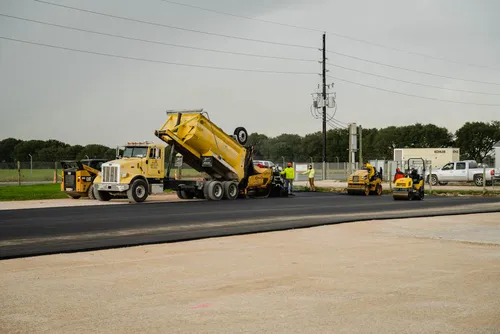
AAA Paving Since 1964 is a commercial paving company based in Houston, TX, offering a wide range of services including asphalt paving, sealcoating, milling, concrete paving, parking lot striping, and resurfacing. With over 50 years of experience, they specialize in commercial projects such as retail centers, industrial yards, and office complexes. The company manages every phase of the job with its own fleet of equipment, ensuring quality control and efficient project completion. AAA Paving also provides expert site preparation and drainage solutions to enhance pavement durability and prevent water damage.
Why Sealcoating is Essential for Texas City Pavement
The Gulf Coast climate presents a triple threat to asphalt: intense UV radiation, high temperatures, and significant humidity. Ultraviolet rays break down the binder resins that hold asphalt together, causing the surface to become faded, brittle, and prone to cracking. The heat softens the pavement, making it more susceptible to deformation from vehicle traffic. Meanwhile, high humidity can trap moisture against and within the asphalt, accelerating the breakdown process and leading to potholes and base failure. A quality sealcoat acts as a barrier against these elements, blocking oxidation and preventing water from seeping into cracks and the sub-base.
For commercial properties, this protection is also an economic and safety imperative. A well-maintained parking lot creates a positive first impression for customers and tenants. More importantly, it minimizes tripping hazards from cracks and potholes, reducing liability. Regular sealing is far more cost-effective than major repairs or full-depth replacement down the line 1.
The Optimal Sealcoating Schedule for Local Conditions
How often you should sealcoat depends on your pavement's age, traffic volume, and exposure. A general rule for standard commercial lots in Texas City is every 2 to 3 years 2 3. However, lots with high traffic volume-such as those serving retail centers, schools, or industrial facilities-may require application every 1 to 2 years due to increased wear and exposure to oil and fuel stains 4 5.
For new asphalt, timing is crucial. The pavement needs time to fully cure, allowing oils and solvents to evaporate. Applying a sealcoat too soon can trap these elements and prevent proper adhesion. The recommended wait time is typically 6 to 12 months after installation.
Key Scheduling Factors:
- Normal Commercial Traffic: Re-seal every 2-3 years.
- High-Traffic/Retail Lots: Re-seal every 1-2 years; consider double-coat applications.
- New Asphalt Installation: Apply the first sealcoat 6-12 months after paving.
- Best Seasonal Window: Aim for late spring through early fall (June-September), when conditions are consistently dry.
The Critical "50/50/50" Rule for Application
Successful sealcoating in Texas City hinges on perfect weather conditions, often summarized by the "50/50/50" rule for application 6 7. This means:
- Air and Pavement Temperature: A minimum of 50°F and rising, with pavement temperature not exceeding 140°F.
- Humidity: Relative humidity should be below 50% for optimal drying.
- Forecast: No rain should be expected for at least 24 hours after application.
The high humidity common in Texas City can significantly slow the drying and curing process, leading to a tacky finish or even wash-off if it rains 8. Professional contractors monitor forecasts closely and plan projects during stretches of dry, low-humidity weather, which are most reliable in the summer months.
Comprehensive Preparation: The Foundation of a Lasting Seal
A sealcoat is only as good as the surface it adheres to. Proper preparation is non-negotiable for a durable, long-lasting finish. Reputable contractors follow a meticulous multi-step process before any sealer is applied.
- Deep Cleaning: The entire surface must be free of dirt, dust, leaves, and debris. This is typically achieved with industrial blowers, wire brooms, and high-pressure washing. Special attention is paid to cleaning out cracks 9.
- Oil Spot Treatment: Oil, grease, and gasoline stains are common in parking lots. These must be thoroughly cleaned and then treated with a specialized oil spot primer. Without this step, the petroleum residues will bleed through and cause the sealcoat to fail 10 11.
- Crack and Patch Repair: All cracks must be cleaned and filled with a hot-applied rubberized crack sealant. This prevents water intrusion that could undermine the new sealcoat and the asphalt base 12. Any potholes or alligator-cracked areas should be patched or repaired.
- Edge Cleaning: Grass, weeds, and soil along the pavement edges are trimmed and removed to ensure a clean line for application.
Skipping any of these steps can lead to premature sealcoat failure, wasting your investment.
Find the perfect parking lot sealcoating companies for your needs
Get personalized recommendations and expert advice
Understanding Sealcoating Costs in Texas City
The cost for professional parking lot sealcoating in Texas City is typically calculated per square foot. For a standard two-coat application, prices generally range from $0.17 to $0.30 per square foot13. The final price depends on the lot's condition (amount of prep work needed), accessibility, and the type of sealer used.
To help with budgeting, here are some estimated price ranges based on lot size:
- Small Lot (e.g., 5,000 sq ft): Approximately $850 - $1,500
- Medium Lot (e.g., 25,000 sq ft): Approximately $4,250 - $7,500
- Large Lot (e.g., 50,000 sq ft): Approximately $8,500 - $15,000+
These estimates are for sealcoating services. Additional costs for extensive crack filling, patching, or line striping will be separate. Always request a detailed, written quote that breaks down preparation, materials, and labor.
Coordinating Sealcoating with Line Striping
A fresh sealcoat will cover existing pavement markings, so re-striping is a necessary follow-up project. Timing between these two services is important. You must wait at least 24 to 48 hours after the final sealcoat layer has dried completely before applying new paint 14. This ensures the paint adheres properly and doesn't bleed or peel.
For general traffic lots, line striping should be refreshed every 18 to 24 months to maintain visibility and compliance 15 16. In high-traffic commercial or industrial settings, re-striping may be needed as often as every 6 to 9 months 17. Planning your sealcoating and striping projects in sequence is the most efficient approach.
Choosing the Right Professional for the Job
Given the technical requirements and climate sensitivity of sealcoating, choosing an experienced local contractor is vital. Look for providers with:
- Proven Local Experience: Knowledge of Texas City's specific weather patterns and soil conditions.
- Detailed Process: They should emphasize their preparation steps and adherence to weather guidelines.
- Quality Materials: Inquire about the type of sealer they use (asphalt-based emulsions are common) and whether they offer sand-additive mixes for added traction.
- References and Portfolio: Ask for examples of previous work on lots similar to yours.
- Proper Insurance: Ensure they carry liability and workers' compensation insurance.
A professional job not only looks better but also provides the full protective lifespan you're paying for, safeguarding your pavement against the demanding Texas Gulf Coast environment.
Frequently asked questions
Sources
Footnotes
-
When Sealcoating Isn't Enough: How to Sell Your Customers on Replacing, Resurfacing or Patching - https://theasphaltpro.com/articles/sealcoating-isnt-enough-sell-customers-replacing-resurfacing-patching/ ↩
-
How Often Should a Parking Lot Be Sealcoated? 510-723-0280 - https://americanasphalt.com/how-often-should-a-parking-lot-be-sealcoated/ ↩
-
How Often Should You Seal a Parking Lot? - https://prolineplm.com/how-often-should-parking-lots-be-sealed/ ↩
-
How Often Should You Sealcoat Your Commercial Parking Lot - https://thepavementgroup.com/commercial-parking-lot-sealcoat/ ↩
-
How Often Should You Seal Coat Asphalt? - Elcor Construction - https://elcorconstruction.com/how-often-should-you-seal-coat-asphalt/ ↩
-
How Often Should Asphalt Be Sealed? - Quality Striping and Sealcoat - https://qualitystripingandsealcoat.com/2025/03/05/how-often-should-asphalt-be-sealed/ ↩
-
Is It Too Cold to Sealcoat My Parking Lot? - https://paveconnect.com/blog/is-it-too-cold-to-sealcoat-my-parking-lot/ ↩
-
Can You Sealcoat in the Rain? - TMC Engineering - https://www.themonrazcompany.com/can-you-seal-coat-in-rain ↩
-
Sealcoating: Timing and Frequency for Optimal Protection - https://lonestarpavingtx.com/sealcoating-timing-and-frequency/ ↩
-
What is the Process for Sealcoating Asphalt? | Alpha Paving Industries - https://alphapavingtexas.com/process-sealcoating-asphalt/ ↩
-
Sealcoat Application Guidelines - NEAL Manufacturing - https://nealequip.com/sealcoat-application/ ↩
-
Asphalt Sealcoating: Preparation Is Key - Alpha Paving - https://alphapavingtexas.com/asphalt-sealcoating-preparation-key/ ↩
-
Sealcoating a Parking Lot: When, Why & How Much (2026 Guide) - https://strikeforcestriping.com/sealcoating-parking-lot-guide ↩
-
How soon can you stripe after sealcoating? - https://asphaltparkinglotpros.com/2025/05/20/how-soon-can-you-stripe-after-sealcoating/ ↩
-
Parking Lot Lines in Bay City, TX: How Often to Repaint - https://www.texasroadworks.com/roadwork-tips/how-often-should-you-repaint-parking-lot-lines-in-the-texas-climate ↩
-
How often should a parking lot be restriped? - Seton - https://www.seton.com/when-to-restripe-a-parking-lot ↩
-
Texas Weather Parking Lot Striping Guide for Property Owners - https://www.semperfistriping.com/post/texas-weather-parking-lot-striping-guide-for-property-owners ↩