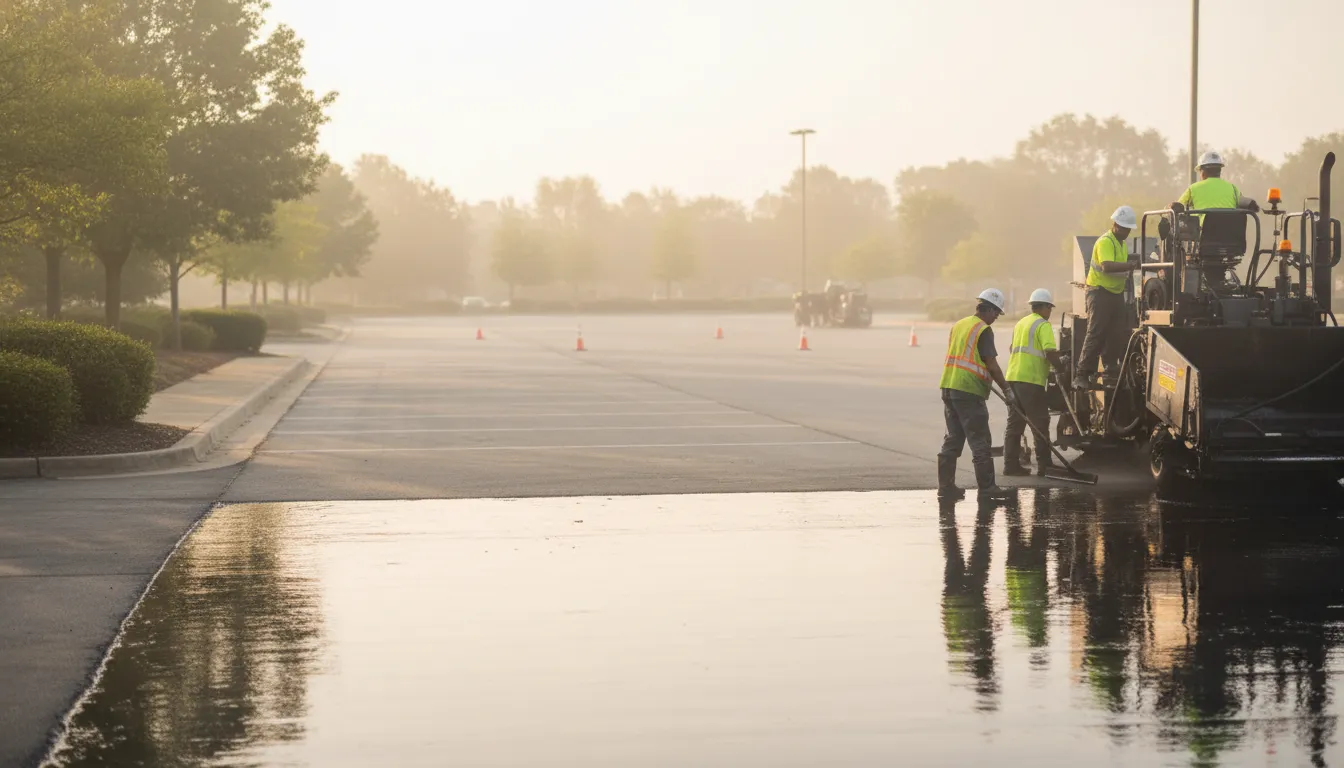
Find the Best Parking Lot Sealcoating Companies for Your Business
No obligation • Fast responses • Nationwide coverage
Why you can trust Tidy Parking
Tidy Parking is a leading U.S. source for parking lot maintenance services, including striping, sealcoating, sweeping, paving, resurfacing, and repairs. Our content is created independently, and providers cannot pay to influence ratings or recommendations.
Search providers near you
Top Parking Lot Sealcoating Companies in College Station, Texas Ranked
Parking lot sealcoating is a vital protective maintenance service that applies a specialized coating over asphalt pavement. In College Station, this process is essential for shielding surfaces from the intense Texas sun, heavy rainfall, and constant vehicle traffic, which can quickly degrade unprotected asphalt. This guide explains the importance of asphalt sealing, outlines the local best practices for timing and preparation, and helps you understand how to evaluate and connect with qualified local professionals for your property's needs.
Pacific Asphalt Paving
College Station, TX
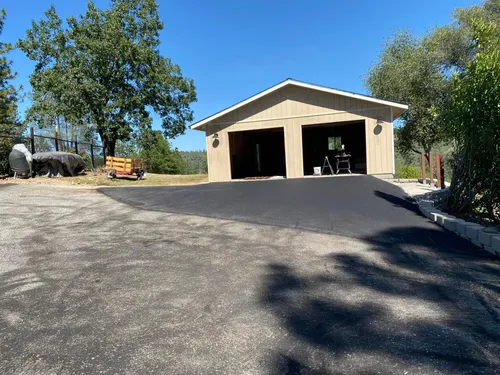
Pacific Asphalt Paving is an asphalt contractor based in College Station, TX, offering a range of services including asphalt paving, patching, striping, sealcoating, and driveway construction. They serve both residential and commercial clients, providing durable and visually appealing asphalt surfaces designed to withstand the local climate. The company uses advanced equipment and premium materials to deliver precise and long-lasting results. Pacific Asphalt Paving has years of industry experience and focuses on tailored solutions to meet specific project needs.
EverLine Coatings and Services
College Station, TX
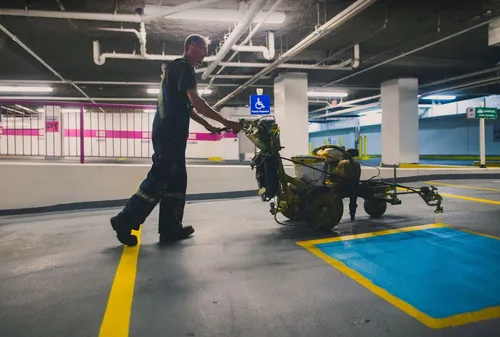
EverLine Coatings and Services is a parking lot maintenance company based in College Station, TX. They provide a range of services including parking lot striping, sealcoating, asphalt repair, and custom parking space design. The company manages multi-site maintenance programs for various clients, including restaurant, retail, and healthcare chains, ensuring projects are completed on time and according to brand standards. Their Preventative Pavement Maintenance Program aims to extend the lifespan of parking lots through coordinated and comprehensive care.
Premium Asphalt
3131 E 29th St STE C, Bryan, TX 77802
Premium Asphalt is a paving contractor based in College Station, TX, offering residential and commercial asphalt services. They provide a range of services including new driveway and parking lot paving, resurfacing, sealcoating, and parking lot repair. Their work covers College Station and the broader Brazos Valley area, including nearby cities such as Bryan, Waco, and Temple. Premium Asphalt has been serving Central Texas since 2010, focusing on durable asphalt installation and maintenance to improve property appearance and functionality.
Why Sealcoating is Critical for College Station Pavement
The asphalt on your parking lot or driveway is constantly under attack from the elements. In College Station, two primary forces accelerate pavement deterioration: extreme UV radiation and volatile weather patterns. The sun's ultraviolet rays break down the asphalt binder, causing the surface to become dry, brittle, and gray-a process known as oxidation 1. Simultaneously, our climate subjects pavement to thermal stress, with surface temperatures often soaring above 130°F 2. This heat softens the asphalt, making it more susceptible to deformation under heavy loads.
Without the shield of a fresh sealcoat, these factors lead directly to cracks. Once cracks form, water from sudden heavy rains can infiltrate the pavement base, leading to erosion, potholes, and structural failure. A properly applied sealant acts as a waterproof barrier, restores flexibility to the surface, and provides a rich, black finish that improves curb appeal and safety.
Determining the Right Sealcoating Schedule
One of the most common questions from property owners is, "How often should I sealcoat?" The answer depends on two key factors: traffic volume and previous maintenance. A one-size-fits-all schedule doesn't work, but general guidelines based on usage can help you plan.
- High-Traffic Lots (Retail, Restaurants, Warehouses): These surfaces endure constant vehicle movement, frequent turning, and potential fluid spills. For lots serving shopping centers, grocery stores, or industrial facilities, a more frequent application cycle of every 18 to 24 months is typically recommended to maintain optimal protection 3 4.
- Moderate to Low-Traffic Lots (Office Buildings, Churches, Multi-Family Housing): Lots with less intense, mostly commuter traffic can often extend the time between applications. A cycle of every 2 to 4 years is common, but a professional inspection can pinpoint the exact need based on current surface condition 5.
- Residential Driveways: Homeowners should generally consider sealcoating every 2 to 3 years. This protects your investment from sun damage and prevents minor cracks from expanding.
The single best indicator is the pavement's appearance. If the asphalt looks faded, gray, and dry, or if small hairline cracks are beginning to network across the surface, it's time for an evaluation.
The Best Time of Year for Sealcoating in College Station
Timing your asphalt sealing project correctly is crucial for ensuring the coating cures properly and adheres for the long term. The sealant material requires specific conditions to dry and harden effectively.
The optimal window for sealcoating in the Brazos Valley is during the warm, dry months from spring through early fall, specifically April to October6. The most critical requirement is that temperatures-both air and pavement-remain above 50°F during application and for at least 24 hours afterward. Ideal application conditions are on calm, sunny days with low humidity, which allows for faster, more complete curing.
It's advisable to avoid scheduling during periods of forecasted rain or when heavy dew is expected overnight. Moisture is the enemy of fresh sealcoat and can prevent proper adhesion, leading to premature failure. Planning your project for this extended warm season provides flexibility to work around brief weather disruptions.
Essential Preparation: The Key to a Successful Sealcoat
A sealcoat is only as good as the surface it's applied to. Thorough preparation is non-negotiable and often determines the longevity and performance of the coating. Professional contractors follow a meticulous multi-step process to ensure the asphalt is ready.
- Deep Cleaning: The entire area must be free of dirt, dust, leaves, and debris. This is typically achieved with a combination of power blowers, industrial brooms, and high-pressure power washing 7. A clean surface allows the sealant to bond directly to the asphalt.
- Oil Spot Treatment: This is a critical step, especially near dumpsters, loading docks, or drive-through lanes. Oil and grease stains will repel water-based sealants, causing them to peel away. Professionals apply a specialized oil-spot primer to these areas to create a bondable surface 8.
- Crack Sealing and Pothole Repair: All cracks wider than 1/4 inch should be cleaned and filled with a hot-pour or flexible crack filler. Any potholes or alligator-cracked areas need to be excavated and repaired with fresh asphalt. Sealing over unrepaired cracks is a temporary fix at best 9 10.
- Sprinkler Management: Property managers must ensure all lawn sprinkler systems are shut off at least 12-24 hours before work begins and remain off until the sealcoat is fully cured to prevent water contamination 11.
Find the perfect parking lot sealcoating companies for your needs
Get personalized recommendations and expert advice
Understanding Sealcoating Costs and Pricing Factors
The cost for professional parking lot sealcoating in College Station can vary based on the size of the project, its condition, and the scope of work. For commercial properties, prices are often quoted per square foot, while smaller residential jobs may have a flat project rate.
For a standard commercial parking lot sealcoating job, you can expect a general range of $0.14 to $0.25 per square foot for the coating application itself 12 13. However, this base price can be influenced by several factors:
- Lot Size: Larger lots typically benefit from a lower cost per square foot due to economies of scale.
- Surface Condition: Lots requiring extensive cleaning, numerous oil-spot treatments, or significant crack sealing will incur additional costs. Crack sealing can add $1 to $3 per linear foot, and oil-spot treatment has its own material and labor fees 14 15.
- Add-on Services: Many property owners bundle sealcoating with other maintenance like re-striping or signage refurbishment, which will be priced separately.
- Residential Driveways: For a typical home driveway, total project costs often range from $150 to $2,000, heavily dependent on the driveway's size and the amount of preparatory repair work needed 16 17.
The most accurate way to determine cost is to obtain detailed estimates from local contractors that clearly break down preparation, materials, and labor.
The Relationship Between Sealcoating and Striping
A fresh sealcoat will cover existing pavement markings, so re-striping is a necessary follow-up project. The timing between these two services is critical for a durable result.
You must wait for the new sealcoat to cure sufficiently before applying paint. The standard waiting period is 24 to 48 hours after sealcoating18 19. Several factors can influence this timeline:
- Weather: Cool temperatures, high humidity, or shaded areas of the lot can slow the curing process, necessitating a wait closer to 48 hours.
- Sealant Type: Different sealant products have varying cure times. Your contractor will provide guidance based on the material used.
- Traffic: The lot should remain closed to all vehicle and foot traffic during the curing period to avoid tracking or imprinting the fresh coating.
Re-striping is not just about aesthetics; it's a safety necessity. Faded, peeling, or non-compliant markings should be addressed promptly. Planning your sealcoating and striping projects in sequence with the proper cure time ensures both the protective layer and the traffic guidance system are restored to like-new condition.
Maximizing Your Pavement Investment
To get the longest life from your asphalt in College Station, adopt a proactive maintenance mindset. Schedule regular professional inspections to catch small issues before they become major repairs. Adhere to a sealcoating schedule tailored to your lot's specific use and exposure. Always prioritize thorough preparation-it is the foundation of a long-lasting coating. Finally, plan for the necessary downtime (typically 24-48 hours) to allow the sealant to cure fully before reopening the lot to traffic. This disciplined approach protects your pavement from our demanding climate, enhances safety, and preserves your property's value over the long term.
Frequently asked questions
Sources
Footnotes
-
How Often Should You Seal Asphalt - American Paving - https://www.americanpavingtx.com/how-often-should-you-seal-asphalt/ ↩
-
Texas Weather Parking Lot Striping Guide for Property Owners - https://www.semperfistriping.com/post/texas-weather-parking-lot-striping-guide-for-property-owners ↩
-
How Often Should You Sealcoat Your Commercial Parking Lot - https://thepavementgroup.com/commercial-parking-lot-sealcoat/ ↩
-
How Often Should I Get Parking Lot Maintenance Done? - https://www.empirepls.com/blog/how-often-maintenance-parking-lot-servicing ↩
-
How Often Should a Parking Lot Be Sealcoated? 510-723-0280 - https://americanasphalt.com/how-often-should-a-parking-lot-be-sealcoated/ ↩
-
When Is the Best Time to Stripe a Parking Lot? - J&S Paving - https://jspaving.com/when-is-the-best-time-to-stripe-a-parking-lot/ ↩
-
Preparing for Parking Lot Striping | Southeast MI Paving - https://www.alliedasphalt.com/how-to-prepare-for-parking-lot-striping.php ↩
-
How to Prepare Your Parking Lot for Sealcoating - Arrow Paving - https://arrowpavinginc.com/blog/prepare-parking-lot-for-sealcoating/ ↩
-
How to Prepare Your Parking Lot for Sealcoating - https://www.maintainitall.com/how-to-prepare-your-parking-lot-for-sealcoating ↩
-
Sealcoating: Timing and Frequency for Optimal Protection - https://lonestarpavingtx.com/sealcoating-timing-and-frequency/ ↩
-
Make Sealcoating Part of Your Parking Lot Maintenance Plan - https://www.ericksonasphalt.com/blog/sealcoating-part-parking-lot-maintenance-plan/ ↩
-
Asphalt Paving College Station, TX - https://lgcasphaltpaving.com/locations/texas/college-station/ ↩
-
What Factors Determine The Cost Of Asphalt Sealcoating? - https://www.americanpavingtx.com/what-factors-determine-the-cost-of-asphalt-sealcoating/ ↩
-
Parking Lot Seal Coating Costs for Asphalt : 2025 Pricing Guide - https://www.fixasphalt.com/blog/how-much-does-it-cost-to-sealcoat-an-asphalt-parking-lot ↩
-
Commercial Asphalt Maintenance Guide For Parking Lot Repairs - https://www.branded-group.com/2021/08/guide-for-commercial-asphalt-maintenance-and-parking-lot-repairs/ ↩
-
How Much Does It Cost to Seal an Asphalt Driveway? | Angi - https://www.angi.com/articles/how-much-does-it-cost-seal-asphalt-driveway.htm ↩
-
Understanding the Cost of Parking Lot Maintenance: Budgeting for Long-Term Savings - https://www.plsofflorida.com/understanding-the-cost-of-parking-lot-maintenance-budgeting-for-long-term-savings/ ↩
-
Should You Sealcoat Before or After Striping? - 1-800-striper - https://1800striper.com/sealcoat/ ↩
-
Re-Striping After Sealcoating: How Long Should You Wait? - https://www.retemple-painting.com/painting-articles/re-striping-after-sealcoating-how-long-should-you-wait ↩