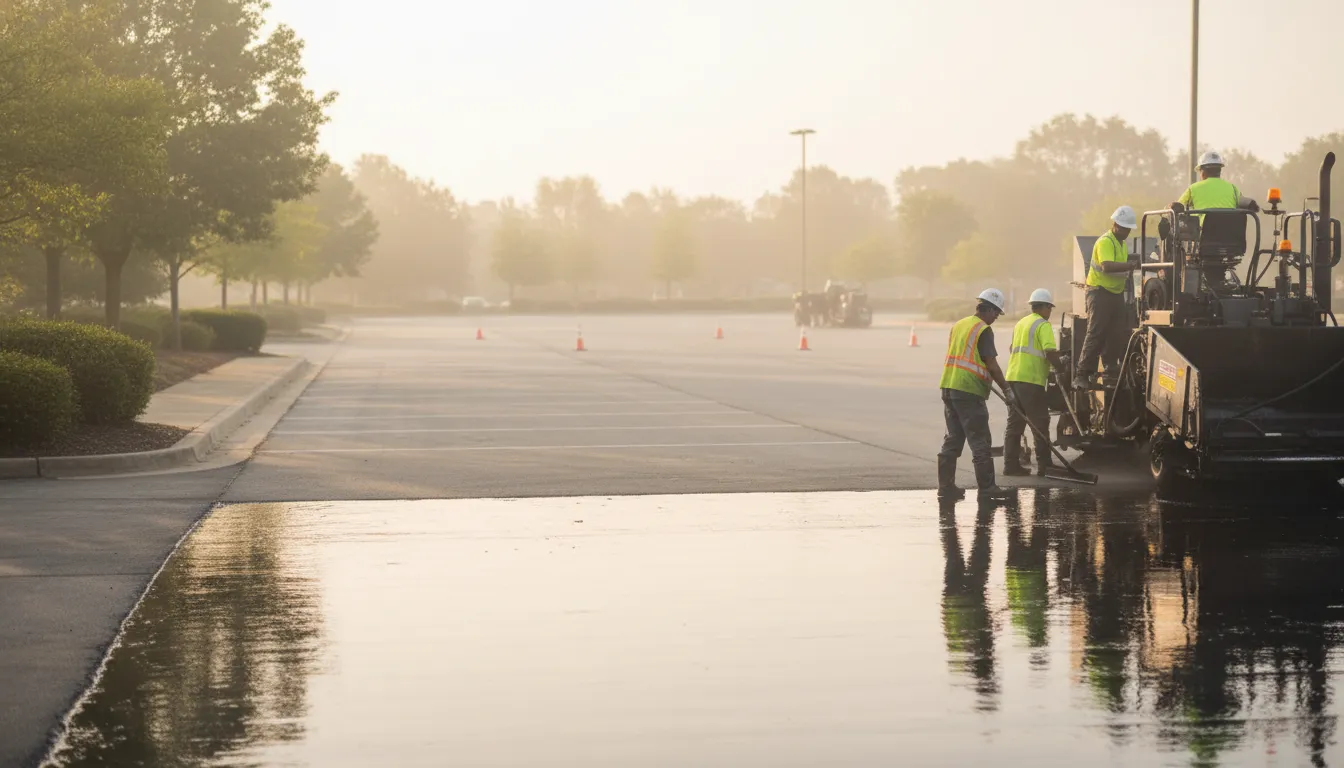
Find the Best Parking Lot Sealcoating Companies for Your Business
No obligation • Fast responses • Nationwide coverage
Why you can trust Tidy Parking
Tidy Parking is a leading U.S. source for parking lot maintenance services, including striping, sealcoating, sweeping, paving, resurfacing, and repairs. Our content is created independently, and providers cannot pay to influence ratings or recommendations.
Search providers near you
Top Parking Lot Sealcoating Companies in Cedar Park, Texas Ranked
For property managers and business owners in Cedar Park, protecting your asphalt investment is a critical part of facility maintenance. Parking lot sealcoating is the process of applying a protective layer to asphalt pavement, shielding it from the damaging effects of sun, rain, chemicals, and traffic. This routine maintenance is essential in Central Texas to combat intense UV rays, high heat, and heavy rain. A well-maintained lot not only extends pavement life by 3-5 years per application but also improves safety and curb appeal. This guide explains the local considerations, process, and timing for effective asphalt sealing, helping you understand your options and plan for professional service.
Integrity Paving and Coatings
21307 Martin Ln, Pflugerville, TX 78660
Integrity Paving and Coatings is a parking lot paving and repair company located in Austin, TX. They offer a range of services including asphalt paving, seal coating, striping, and parking lot repairs for various property types such as multi-family, retail, medical, and municipal utility districts. With over 200 years of combined experience, the company emphasizes durable and long-lasting installations. They provide after-hours and weekend services to accommodate customer needs.
Bishop Paving
4600 Valley View Rd, Leander, TX 78641
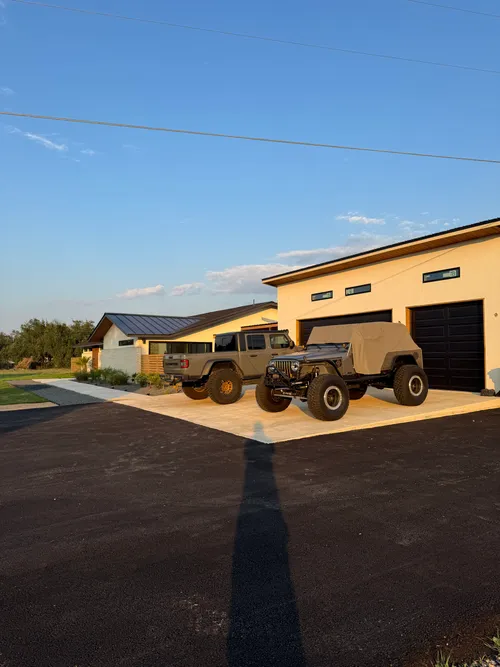
Bishop Paving is a paving contractor based in Austin, TX, specializing in asphalt paving, sealcoating, striping, resurfacing, and repair for residential and commercial properties. They provide services such as driveway and parking lot paving, ranch road paving, asphalt overlays, crack and pothole repairs, and ADA-compliant striping to enhance safety and organization. Since 2019, Bishop Paving has focused on using quality materials and proven techniques to deliver durable, long-lasting pavement solutions that improve curb appeal and property value.
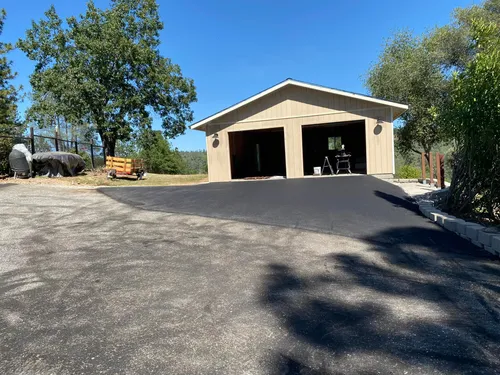
Absolute Asphalt Inc
Fort Worth, TX
Absolute Asphalt Inc is a parking lot paving and maintenance company serving Fort Worth, TX. They offer a range of asphalt services including paving, patching, striping, sealcoating, resurfacing, and repair for residential and commercial properties. The company uses premium materials and advanced techniques to ensure durable and long-lasting asphalt surfaces. Their expertise includes parking lot striping and sealcoating to enhance safety and protect pavement from damage. With years of experience, Absolute Asphalt Inc focuses on delivering tailored asphalt solutions that meet specific customer needs.
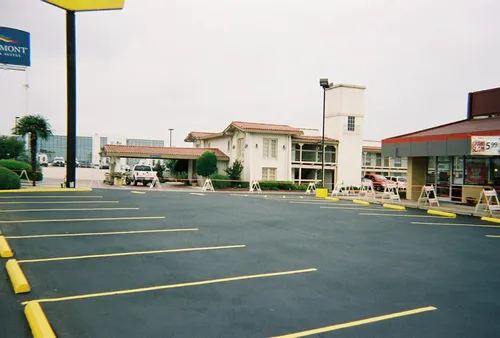
Ballard’s Asphalt & Concrete
Austin, TX
Ballard's Asphalt & Concrete is a paving and repair contractor serving Austin, TX, and surrounding Central Texas cities including Round Rock and Pflugerville. They provide a full range of services such as asphalt and concrete paving, repair, sealcoating, parking lot striping, and maintenance for commercial, residential, city, state, and government projects. With over 25 years of experience, the company is licensed, insured, and committed to safety. Their crews are available after hours to accommodate projects that extend beyond normal business times.
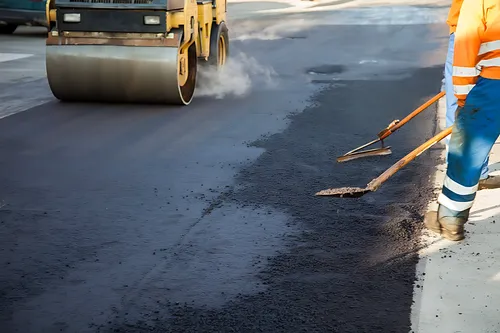
Asphalt Paving Georgetown
Austin, TX
Asphalt Paving Georgetown is a family-owned asphalt contractor serving Georgetown, TX, and surrounding areas. They provide a range of services including residential and commercial asphalt paving, parking lot striping, sealcoating, pothole repair, and resurfacing. The company emphasizes quality workmanship and community care, handling projects from driveway paving to large parking lots with attention to safety and durability. With decades of experience, Asphalt Paving Georgetown is committed to meeting customer expectations and maintaining the integrity of paved surfaces in the local area.
Why Sealcoating is Critical in Cedar Park's Climate
The Central Texas climate presents a unique set of challenges for asphalt pavement. Understanding these factors is key to developing an effective maintenance schedule.
- Intense UV Exposure & Heat: Prolonged sun exposure breaks down the asphalt binder, the "glue" that holds the pavement together. This leads to fading, brittleness, and cracking. Summer surface temperatures can exceed 130°F, which can soften asphalt and cause issues with the curing of new sealant if applied during peak heat.
- Heavy Rain & Humidity: Sudden, severe storms are common. Water is asphalt's number one enemy; it seeps into cracks, weakens the base, and leads to potholes and structural failure. High humidity can also slow the proper drying and curing of sealcoat materials 1.
- Freeze-Thaw Cycles: While milder than northern states, Cedar Park does experience occasional freezing temperatures. Water that has penetrated cracks expands when it freezes, widening cracks and causing further damage.
A quality asphalt sealer acts as a waterproof, UV-resistant barrier, significantly slowing this deterioration. Neglected lots in this environment can fail within 10 years, while properly maintained lots can last over 20 years 2.
Determining the Right Sealcoating Schedule
There is no one-size-fits-all schedule for pavement sealing. The frequency depends heavily on your property's specific use and traffic patterns.
- High-Traffic & Retail Properties: Lots for shopping centers, restaurants (especially drive-throughs), and busy medical facilities experience constant vehicle stress, frequent turning, and potential fluid spills. These areas typically require sealcoating every 1 to 2 years 3.
- Standard Office & Commercial Properties: For typical business parks, offices, and churches with moderate daily traffic, a cycle of every 2 to 3 years is standard and recommended 4 5.
- New Asphalt Installation: If you have a newly paved lot, wait 6 to 12 months for the asphalt to fully cure and volatiles to escape before the first protective sealcoat is applied 6.
Visual Cues It's Time:
- The asphalt color has faded from rich black to a dull, grayish hue.
- The surface appears dry, chalky, or sandy.
- Small surface cracks are becoming more numerous.
- You notice the aggregate (small stones) is becoming exposed or loose.
Find the perfect parking lot sealcoating companies for your needs
Get personalized recommendations and expert advice
The Sealcoating Process: More Than Just Spraying On Coating
A durable, long-lasting sealcoat job is 80% preparation and 20% application. Proper prep prevents the sealant from peeling (delamination) and ensures it bonds correctly to the old pavement 7.
Step 1: Thorough Cleaning & Preparation
The entire surface must be immaculate. Professionals use power brooms, blowers, and sometimes pressure washers to remove all dirt, debris, sand, and vegetation from cracks 8. This step is non-negotiable for good adhesion.
Step 2: Oil Stain & Spill Treatment
Areas near dumpsters, in driving lanes, or parking stalls often have oil and fluid stains. These must be treated with specialized degreasers and, in severe cases, an oil-spot primer. This seals the stain and prevents it from bleeding through the new sealcoat 9.
Step 3: Crack Repair
Any crack wider than 1/4 inch should be filled before sealing. Professionals typically use a hot rubberized crack filler, which remains flexible and prevents water from penetrating the base. Filling cracks after sealing is ineffective, as the sealant cannot bridge gaps 10.
Step 4: Application
The sealant-often a coal tar or asphalt emulsion-based product-is applied using spray systems and smoothed with squeegees. For high-traffic areas, two coats are highly recommended for added durability and protection 11. Edges are carefully trimmed, and grass is cut back to expose the full pavement edge.
Step 5: Curing & Restriping
The lot must be blocked off for typically 24-48 hours to allow proper curing. Once fully dry, restriping is an essential follow-up, as the new sealcoat covers all old pavement markings. It's standard practice to schedule these services together.
Cost Considerations for Cedar Park Properties
The cost for professional parking lot sealing is typically calculated per square foot. For Cedar Park, industry averages range from $0.17 to $0.30 per square foot12. The final price is heavily influenced by the amount of preparation work needed.
- Small Lot (approx. 10,000 sq ft): Roughly $1,700 - $3,000
- Large Lot (approx. 50,000 sq ft): Roughly $8,500 - $15,000
What Impacts the Price?
- Condition: Lots with many cracks, stains, or vegetation require more labor-intensive prep.
- Repairs: The cost of crack filling and patching is usually additional.
- Number of Coats: A two-coat application will cost more but lasts longer.
- Access & Complexity: Lots with tight corners, numerous light poles, or landscaping obstacles may take longer to prepare and seal.
The Best Time of Year for Sealcoating in Central Texas
Timing is crucial for a successful application. The sealant requires specific conditions to cure properly and form a strong bond.
- Ideal Seasons: Spring (April-June) and Fall (September-November). These periods offer moderate temperatures (ideally between 50°F and 85°F) and lower humidity, which is perfect for curing 13 14.
- Avoid Peak Summer: Applying sealcoat during extreme heat (air temps above 90°F) can cause the material to cure too quickly, leading to cracking, poor adhesion, and rapid oxidation. Surface temperatures on black asphalt can be 40+ degrees hotter than the air temperature 15.
- Monitor the Forecast: Sealcoating requires at least 24-48 hours of dry weather with no chance of rain. Professionals will not apply if rain is expected within that window.
Coordinating Sealcoating with Other Pavement Maintenance
A comprehensive asphalt maintenance plan involves more than just periodic sealing. Here's how sealcoating integrates with other key services:
- Restriping: As mentioned, this should be done immediately after sealcoating. For safety and ADA compliance, restriping is generally needed every 18 to 24 months, making its schedule align closely with sealing for many properties 16 17.
- Crack Sealing: This is a preparatory step for sealcoating, as part of the repair process.
- Patching & Repairs: Any significant potholes or alligator cracking areas should be fully repaired (cut out and replaced) before the sealcoat is applied.
Annual Maintenance Checklist for Cedar Park Lots:
| Task | Timing | Why? |
|---|---|---|
| Visual Inspection | Annually (Spring) | Identify new cracks, stains, or damage early. |
| Crack Filling | Before Sealcoating | Prevents water penetration and base failure. |
| Sealcoating | Every 2-3 Years | Blocks UV/water, restores appearance, adds life. |
| Restriping | Every 18-24 Months | Ensures safety, traffic flow, and ADA compliance. |
Frequently asked questions
Sources
Footnotes
-
How Weather Impacts Asphalt in Central Texas - https://www.contractorsasphalt.com/how-weather-impacts-asphalt-in-central-texas/ ↩
-
Benefits Of Sealcoating Commercial Parking Lots - Get A Sealcoating Bid - https://propertymanagerinsider.com/benefits-of-sealcoating-commercial-parking-lots/ ↩
-
How Often Should a Parking Lot Be Sealcoated? 510-723-0280 - https://americanasphalt.com/how-often-should-a-parking-lot-be-sealcoated/ ↩
-
How Often Should You Sealcoat Your Commercial Parking Lot - https://thepavementgroup.com/commercial-parking-lot-sealcoat/ ↩
-
How Often to Sealcoat Asphalt and Reseal a Parking Lot - https://finleyasphalt.com/how-often-should-you-sealcoat-your-parking-lot/ ↩
-
How Often Should You Seal Coat Asphalt? - Elcor Construction - https://elcorconstruction.com/how-often-should-you-seal-coat-asphalt/ ↩
-
Preparing Commercial Parking Lots for Seasonal Changes in ... - https://dannyspaving.com/preparing-commercial-parking-lots-for-seasonal-changes-in-midland-odessa/ ↩
-
How to Prepare Your Parking Lot for Sealcoating - Arrow Paving - https://arrowpavinginc.com/blog/prepare-parking-lot-for-sealcoating/ ↩
-
Asphalt Sealcoating: The Step-by-Step Process - https://www.youtube.com/watch?v=cPEXNTJQnkw ↩
-
How To Sealcoat A Parking Lot (Start To Finish) - https://www.youtube.com/watch?v=bRFh7Ehm7go ↩
-
Sealcoating Cost Planning Guide for Commercial Parking Lots - https://dbkrieginc.com/blog/sealcoating-cost-planning-guide-for-commercial-parking-lots/ ↩
-
Sealcoating a Parking Lot: When, Why & How Much - https://strikeforcestriping.com/sealcoating-parking-lot-guide ↩
-
The Optimal Time to Sealcoat in North Texas - Asphalt Paving - https://texpaveexperts.com/blog/the-optimal-time-to-sealcoat-in-north-texas/ ↩
-
What's the Best Time of Year for Asphalt Sealcoating? - https://www.fullerandsonspaving.com/what-s-the-best-time-of-year-for-asphalt-sealcoating ↩
-
Texas Weather Parking Lot Striping Guide for Property Owners - https://www.semperfistriping.com/post/texas-weather-parking-lot-striping-guide-for-property-owners ↩
-
How often should a parking lot be restriped? - Seton - https://www.seton.com/when-to-restripe-a-parking-lot ↩
-
How Often Should You Restripe Your Parking Lot? (And Why It ... - https://1800striper.com/how-often-should-you-restripe-your-parking-lot-and-why-it-matters/ ↩