Find the Best Parking Lot Sealcoating Companies for Your Business
No obligation • Fast responses • Nationwide coverage
Why you can trust Tidy Parking
Tidy Parking is a leading U.S. source for parking lot maintenance services, including striping, sealcoating, sweeping, paving, resurfacing, and repairs. Our content is created independently, and providers cannot pay to influence ratings or recommendations.
Search providers near you
Top Parking Lot Sealcoating Companies in Reading, Pennsylvania Ranked
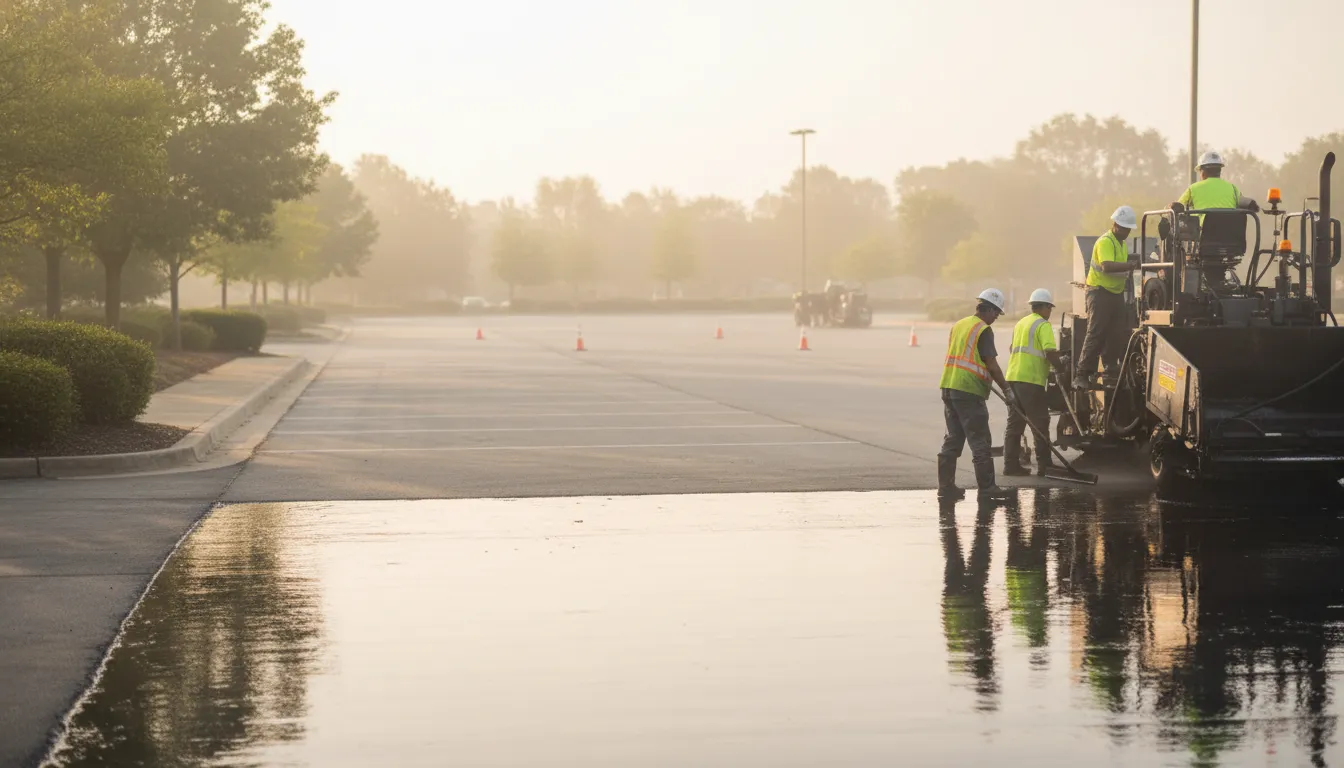
Parking lot sealcoating is the process of applying a protective coating to asphalt pavement to shield it from damaging elements like water, UV rays, and chemicals. For property owners and managers in Reading, this maintenance is crucial for preserving your investment, enhancing curb appeal, and ensuring safety. This guide explains the local considerations for sealcoating and pavement marking, helping you understand the process, timing, and how to connect with qualified professionals for your project.

Dyer Brothers Sealcoating
Philadelphia, PA
Dyer Brothers Sealcoating is a parking lot sealcoating company based in Philadelphia, PA. They offer services focused on driveway and parking lot sealing, including thorough preparation work to improve surface appearance and durability. The company is noted for its attention to detail and cleanup after sealing. While relatively young, Dyer Brothers Sealcoating serves the Philadelphia area and nearby communities, delivering quality sealcoating work that enhances curb appeal.
Jet-Black of Macungie
5326 Princeton Rd, Macungie, PA 18062
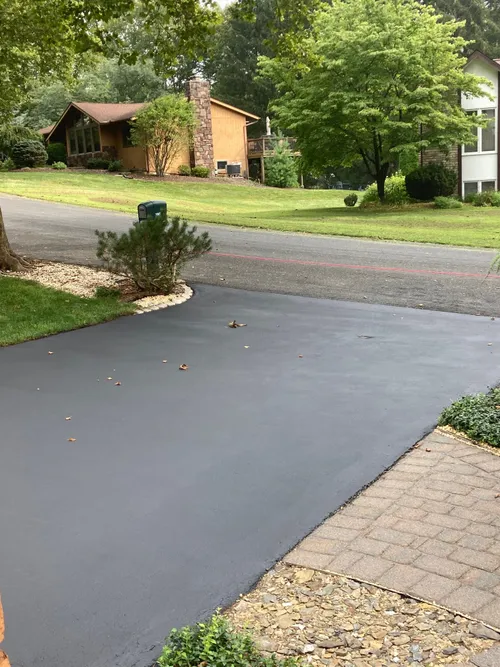
Jet-Black of Macungie provides parking lot sealcoating and repair services in Allentown, PA. They specialize in driveway and parking lot maintenance, including sealcoating, crack sealing, and patchwork repairs. The company uses industrial-grade sealers and hot rubber crackfiller designed for long-lasting protection and durability. Established in 1987, Jet-Black has completed over 500,000 projects nationwide and offers expertise backed by nearly four decades of experience.
Derek's Sealcoating
Philadelphia, PA
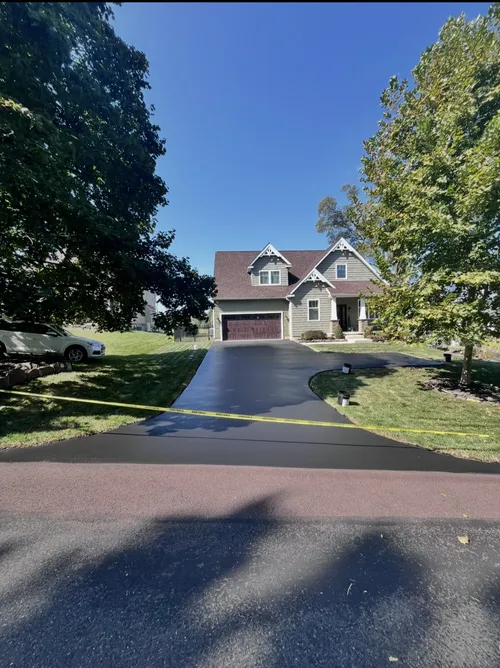
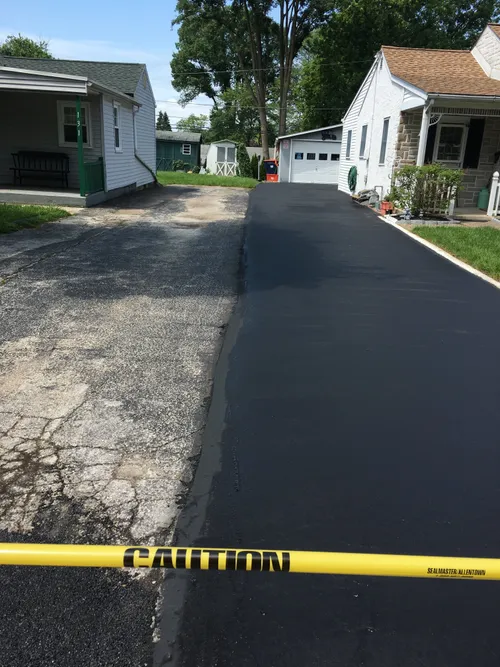
Derek's Sealcoating is a parking lot sealcoating company based in Philadelphia, PA. They specialize in applying high-quality commercial grade sealers, including the eco-friendly Sealmaster® PMM asphalt emulsion, which provides a durable, matt-black, non-slip finish. Their skilled team focuses on precise application to protect asphalt surfaces while avoiding unwanted areas like garages or concrete.
SealMaster
6853 Ruppsville Rd, Allentown, PA 18106
SealMaster in Allentown, PA, offers a range of pavement maintenance products and services including parking lot sealcoating, striping, crack filling, and asphalt repair. They provide equipment, tools, and materials for contractors, along with expert recommendations and full application services through a nationwide network of trained professionals. SealMaster supports projects with specialized capabilities such as crack filling and sealcoating to help preserve asphalt surfaces.
Burke Asphalt
Allentown, PA
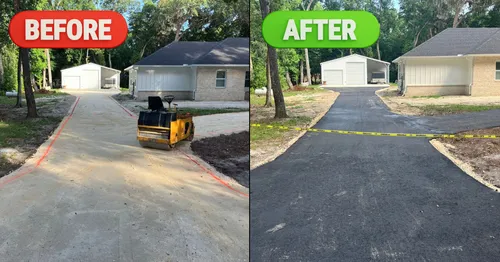
Burke Asphalt is a full-service asphalt maintenance contractor located in Allentown, PA. They specialize in asphalt paving, sealcoating, parking lot striping, and general parking lot repairs for both professionally managed and privately owned properties. With over 40 years of experience, Burke Asphalt offers a range of services to maintain and improve asphalt surfaces.
Why Sealcoating is Essential for Reading Parking Lots
Asphalt is a durable but porous material. Without a protective sealcoat, it is vulnerable to degradation from several sources prevalent in the Reading area. Water is the primary enemy; it seeps into tiny cracks and pores in the asphalt. During Pennsylvania's harsh winters, this water freezes and expands, a process known as the freeze-thaw cycle, which forces cracks to widen and new ones to form. Summer brings its own challenges with intense sun, which oxidizes and dries out the asphalt binder, making it brittle. Vehicle fluids like oil and gasoline also break down the asphalt's composition. A high-quality sealcoat acts as a waterproof, flexible barrier, blocking these elements and significantly extending the life of your pavement.
The Recommended Sealcoating Schedule for Reading Properties
A common question is how often a parking lot should be sealed. The general industry recommendation for commercial properties in climates like Pennsylvania's is every 2 to 3 years 1. This frequency directly combats the cumulative damage from winter freeze-thaw cycles and summer heat. However, this is a guideline, not a strict rule. The ideal schedule for your specific lot depends on two key local factors:
- Traffic Volume and Usage: A high-traffic retail plaza or busy medical facility in Reading will experience more wear from constant vehicle movement and may require sealcoating as often as every 1-2 years. A low-traffic office park or storage facility might extend the interval to 3-4 years or more.
- Existing Pavement Condition: A newer lot in good condition can follow the standard schedule. An older lot with visible oxidation (graying color) and minor cracking needs more frequent protection to prevent rapid decline.
Regular inspections are the best way to determine need. Look for signs like fading color (from rich black to gray), a rough or sandy texture, and the appearance of small, interconnected cracks (alligator cracking).
The Critical Role of Preparation
A successful sealcoating job is 80% preparation and 20% application. Skipping or rushing prep work will lead to premature coating failure, no matter how good the sealer is. Professional contractors in Reading follow a meticulous preparation process:
- Deep Cleaning: The entire surface must be free of dirt, debris, leaves, and loose gravel. Power sweeping and blowing are standard.
- Oil Stain Removal: Petroleum-based stains must be treated with a degreaser and removed. If sealed over, these stains will bleed through the new coating.
- Crack Sealing: Any crack wider than 1/8 of an inch must be cleaned and filled with a hot-pour or cold-applied crack filler 2 3. This prevents water from penetrating the sub-base, which is the root cause of potholes.
- Patching: Any areas of alligator cracking or small potholes are cut out and replaced with fresh asphalt or a specialized patching mix.
Only after these steps are complete is the lot ready for sealant application.
The Best Time of Year for Sealcoating in Reading
Timing your project correctly is vital for optimal results and longevity of the sealcoat. The application requires specific weather conditions:
- Temperature: Sealcoat needs consistent temperatures above 50°F (10°C), both during application and for at least 24-48 hours while curing. Nighttime temperatures must also remain above freezing.
- Dry Conditions: The pavement must be completely dry, and rain must not be forecast for at least 24-48 hours after application.
Given these requirements, the ideal sealing windows in Reading are late spring (after the April/May rains subside) and early fall 4 5. Summer can work, but extreme heat can cause the sealant to cure too quickly. Winter is unsuitable. Planning your project for these shoulder seasons ensures the sealant cures properly, forming a strong, durable barrier.
Find the perfect parking lot sealcoating companies for your needs
Get personalized recommendations and expert advice
Coordinating Sealcoating with Pavement Striping
Parking lot striping, or line marking, is a separate but closely related maintenance task. For the best visual impact and cost efficiency, these two services should be coordinated. The standard practice is to apply new pavement markings immediately after the sealcoat has fully cured 6 7. Applying fresh, bright paint over a new, dark sealcoat provides maximum contrast and visibility, which is critical for safety and traffic flow.
Striping itself has its own maintenance cycle. In Reading, parking lot lines typically need to be refreshed every 18 to 24 months to maintain compliance with ADA standards and ensure clarity 8 9 10. However, lots with very high traffic volumes (like busy shopping centers) may require annual re-striping 8. Faded or missing lines create confusion, increase the risk of accidents, and can even impact liability in the event of an incident 11.
Understanding Sealcoating Costs in Reading
The cost to sealcoat a parking lot is primarily calculated by the square foot. Prices can vary based on the contractor, the quality of materials, and, most significantly, the amount of preparation work needed. Based on regional pricing guides, you can expect a general range:
- Small Lots (under 10,000 sq. ft.): Often have a higher per-square-foot cost, ranging from approximately $0.15 to $0.25 per sq. ft., due to fixed mobilization costs.
- Large Lots (25,000+ sq. ft.): Benefit from economies of scale, with costs often falling between $0.10 and $0.15 per sq. ft. 12.
Important Note: These are base rates for applying sealant to a clean, prepped surface. The final quote will increase based on the necessary preparatory work: crack sealing, patching, and oil spot treatment. A detailed, on-site inspection from a reputable contractor is the only way to get an accurate estimate for your specific property in Reading.
Choosing a Local Sealcoating Professional
Selecting the right contractor is as important as the service itself. Look for providers with a strong local reputation in the Berks County area. They should be fully insured and willing to provide references from past commercial clients. A trustworthy contractor will always perform a thorough site inspection before providing a detailed, written estimate that clearly breaks down the costs for preparation, materials, and application. They should also communicate clearly about timing, weather dependencies, and the curing process to set proper expectations.
Frequently asked questions
Sources
Footnotes
-
How Often Should You Sealcoat Your Commercial Parking Lot - https://thepavementgroup.com/commercial-parking-lot-sealcoat/ ↩
-
The Complete Maintenance Plan Guide - parking lot - PaveConnect - https://paveconnect.com/blog/how-to-tell-what-your-parking-lot-needs-the-complete-maintenance-plan-guide/ ↩
-
How Often Should You Sealcoat Your Parking Lot? - American Asphalt - https://americanasphalt.com/how-often-should-you-sealcoat-your-parking-lot/ ↩
-
Sealcoating: Timing and Frequency for Optimal Protection - https://lonestarpavingtx.com/sealcoating-timing-and-frequency/ ↩
-
Meet Sealcoating Temperature Requirements for Better Results - https://www.ppm.us/sealcoating-in-spring-and-fall/ ↩
-
How Often Should You Re-Stripe and Seal Coat Your Parking Lot or ... - https://popestriping.com/blog/index.php/2024/06/24/how-often-should-you-re-stripe-and-seal-coat-your-parking-lot-or-parking-garage/ ↩
-
How Often Should a Parking Lot Be Sealcoated? - American Asphalt - https://americanasphalt.com/how-often-should-a-parking-lot-be-sealcoated/ ↩
-
How Often Should You Repaint Parking Lot Lines? - https://ottospm.com/how-often-should-you-repaint-parking-lot-lines/ ↩ ↩2
-
How Often Should Parking Lot Striping Be Redone? - https://www.americanpavingtx.com/how-often-should-parking-lot-striping-be-redone/ ↩
-
How Often Should Parking Lot Striping Be Redone? - https://www.strategicgrounds.com/blog/how-often-should-parking-lot-striping-be-redone/ ↩
-
5 Reasons Fresh Parking Lot Stripes Matter 2026 - https://ada-striping.com/why-fresh-parking-lot-stripes-are-important/ ↩
-
How Much Does It Cost to Sealcoat a 50,000 Sq. Ft. Parking Lot? (2026 Pricing Guide) - https://www.fixasphalt.com/testblog/how-much-does-it-cost-to-sealcoat-a-50000-sq.-ft.-parking-lot-2026-pricing-guide ↩