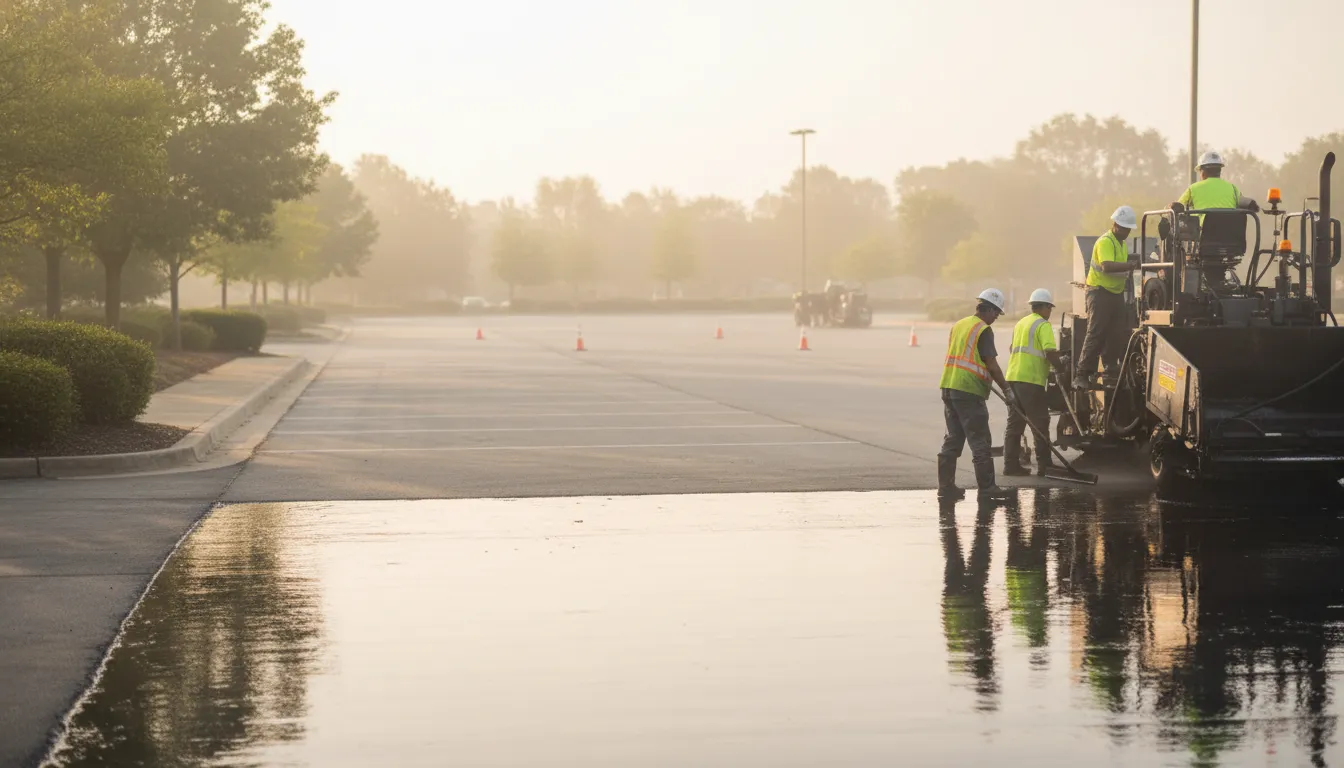
Find the Best Parking Lot Sealcoating Companies for Your Business
No obligation • Fast responses • Nationwide coverage
Why you can trust Tidy Parking
Tidy Parking is a leading U.S. source for parking lot maintenance services, including striping, sealcoating, sweeping, paving, resurfacing, and repairs. Our content is created independently, and providers cannot pay to influence ratings or recommendations.
Search providers near you
Top Parking Lot Sealcoating Companies in Wilson, North Carolina Ranked
Parking lot sealcoating is a vital protective maintenance service that applies a specialized coating to asphalt surfaces. In Wilson, this process is essential for defending against the region's specific climate challenges, preserving your investment, and maintaining a safe, professional appearance for your property. This guide explains the importance of seal coating, outlines the local best practices, and helps you understand the process to connect with qualified professionals who can assess and protect your pavement.
Planet Paving
Raleigh, NC
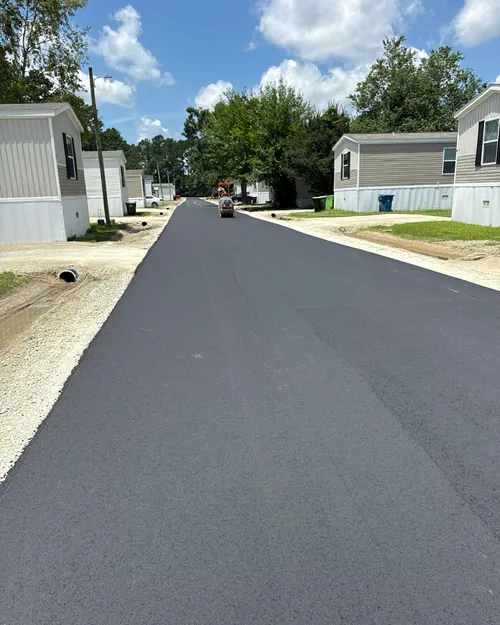
Planet Paving is a family-owned paving company serving Raleigh, NC, with a legacy dating back to 1957. They offer a range of services including asphalt paving, sealcoating, repairs, and grading. Their team uses top-tier equipment and proven methods to handle projects such as driveway and parking lot paving, pothole patching, crack sealing, and site grading. With over six decades of experience, Planet Paving emphasizes craftsmanship and clear communication throughout each project.
Precise Paving & Seal Coating
1120 Tobacco Row Ct, Zebulon, NC 27597
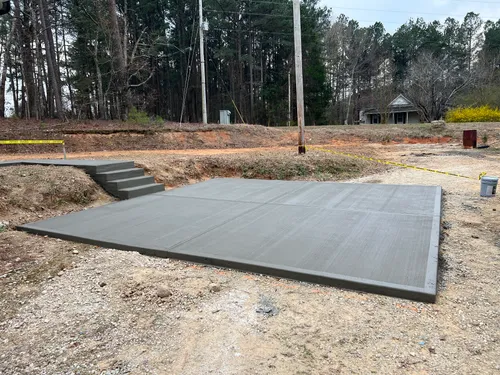
Precise Paving & Seal Coating is a locally owned company based in Zebulon, NC, serving Raleigh and surrounding areas. Since 2003, they have provided concrete services including driveway repairs, stamped concrete, concrete slabs, sealcoating, and parking lot striping. Their capabilities include concrete pouring and repair for residential properties throughout Wake County.
Why Sealcoating is Critical for Wilson Properties
The asphalt in your parking lot is constantly under attack from the elements. In Eastern North Carolina, the primary threats are intense UV radiation from the sun, high humidity, and significant rainfall. These factors work together to break down the asphalt binder-the "glue" that holds the pavement together-through a process called oxidation. This makes the surface brittle, leading to cracks, raveling, and potholes. A quality sealcoat acts as a sacrificial barrier, blocking UV rays, repelling water, and restoring the rich, black color that signifies a well-maintained property 1.
Beyond weather, chemical spills from vehicles, such as gasoline, oil, and antifreeze, can rapidly deteriorate unprotected asphalt. A fresh sealcoat provides a non-porous layer that resists these stains and makes future clean-up easier. For business owners in Wilson, this maintenance is not just about preservation; it's about safety and curb appeal. A cracked, faded lot can create trip hazards and convey a negative impression to customers and tenants. Regular seal coating is a proactive measure that prevents costly repairs like full-depth patching or premature resurfacing 2.
Determining Your Sealcoating Schedule
How often you need to apply a new seal coat depends on several factors unique to your property. A general rule for commercial lots in North Carolina is every 1 to 3 years 3 4.
- Traffic Volume: High-traffic areas like busy retail centers, restaurant lots, or industrial parks with heavy delivery trucks may require sealcoating every 1 to 2 years. The constant friction from tires accelerates wear. Lower-traffic office or church lots can often extend to a 2-3 year cycle 5.
- Asphalt Age: New asphalt should cure for 6 to 12 months before its first sealcoat application. This allows oils and solvents to evaporate fully, ensuring proper adhesion for the sealant 6.
- Current Condition: If your lot is already showing significant oxidation (graying), small cracks, or surface raveling, it's a clear sign that sealcoating is overdue. Addressing these issues promptly with sealcoating and crack filling can restore protection.
The most reliable way to establish a schedule is to have a professional assessment. A local contractor can evaluate your pavement's condition, traffic patterns, and exposure to recommend a personalized maintenance plan.
The Ideal Time for Sealcoating in Wilson
Timing is everything for a successful asphalt sealing project. The sealant requires specific conditions to cure properly and form a durable, long-lasting coat.
The prime sealcoating season in North Carolina runs from May through October 7. During these months, temperatures are consistently warm, which is crucial for the chemical curing process. The sealant needs temperatures above 50°F, both during application and for at least 24 hours afterward, with ideal conditions being 70°F and rising 8.
Perhaps even more critical than temperature is moisture. The pavement surface must be completely dry, and rain must not be forecast for a minimum of 24 hours after application. The high humidity common in Wilson summers can extend drying times, so contractors often aim for periods of lower humidity within the warm season 9. Applying sealcoat in marginal conditions leads to poor adhesion, streaking, and a finish that will fail prematurely.
Find the perfect parking lot sealcoating companies for your needs
Get personalized recommendations and expert advice
Comprehensive Preparation: The Key to Success
A sealcoat is only as good as the surface it's applied to. Proper preparation is the most important phase of the entire project and typically involves these steps:
- Thorough Cleaning: The lot must be free of all dirt, dust, leaves, and debris. Professionals use industrial sweepers and blowers to achieve a clean surface. Any debris left behind will be sealed into the coating, creating a rough finish and weak spots 10.
- Oil Spot Treatment: Gasoline and oil stains are common in parking lots and will prevent sealant from bonding. These areas need to be power washed and treated with a specialized primer or degreaser to ensure the sealcoat adheres properly 11.
- Crack and Pothole Repair: All cracks must be filled before sealcoating. If water seeps into cracks under the new sealcoat, it will continue to erode the base, causing the crack to reappear and fail the new coating. Small cracks are filled with hot-pour or cold-pour rubberized crack filler. Larger alligator cracks and potholes require more extensive repair with patching material 12 13.
- Curing Time: After repairs are made, the filler and patch materials need adequate time to cure. The entire surface must then be completely dry for at least 24-48 hours before the sealant is applied 14.
A reputable contractor will never skip or rush these preparatory steps. When requesting quotes, ask detailed questions about their preparation process to ensure a quality, long-lasting result.
Sealcoating and Striping: What Comes First?
A common question for property managers is the order of operations for sealcoating and re-striping. The standard best practice is clear: always apply sealcoat before painting new pavement markings.
New striping paint requires a solid, stable surface to bond to. Fresh sealcoat is a liquid emulsion that needs time to harden. If you stripe first, the sealcoat can dissolve or obscure the new paint. Therefore, the process should be:
- Complete all preparation and sealcoating.
- Allow the sealcoat to cure fully, typically for 24 to 48 hours (longer in high humidity) 15.
- Apply new, crisp traffic markings and symbols over the fully cured sealcoat.
This sequence ensures maximum longevity for both your sealcoat and your striping. Pavement markings in a high-traffic lot like those in Wilson shopping centers generally need refreshing every 18 to 24 months to maintain safety and compliance 16 17.
Understanding Costs for Wilson Parking Lots
The cost of commercial sealcoating is typically quoted per square foot and varies based on the lot's size, condition, and preparation needs. Economies of scale apply, so larger lots generally have a lower cost per square foot. Based on regional data, you can expect a price range for the sealcoating service itself 18:
- Small Lots (up to 20,000 sq ft): $0.15 - $0.25 per sq ft
- Medium Lots (20,000 - 50,000 sq ft): $0.12 - $0.20 per sq ft
- Large Lots (over 50,000 sq ft): $0.10 - $0.18 per sq ft
It's important to note that this is for the sealant application. The total project cost will include the essential preparation work: cleaning, crack filling, and patching. These repairs are critical and will be priced based on the linear feet of cracks and square footage of damaged areas. Always request a detailed, itemized quote that breaks down preparation, materials, and application.
Frequently asked questions
Sources
Footnotes
-
Why Regular Seal Coating Is Essential For Maintaining Your Parking Lot - We Do Lines - https://wedolines.com/why-regular-seal-coating-is-essential-for-maintaining-your-parking-lot/ ↩
-
Wilson Parking Lot Services - https://www.unlimitedprofessionalservices.com/nc/parking-lot-services-wilson-nc/ ↩
-
How Often Should You Sealcoat a Driveway or Parking Lot? - https://coastalpipelineinc.com/how-often-should-i-sealcoat-a-driveway-or-parking-lot/ ↩
-
How Often Should Parking Lots Be Sealed? (Charlotte, NC Guide) - https://prolineplm.com/how-often-should-parking-lots-be-sealed/ ↩
-
Should I Seal Coat My Parking Lot in North Carolina? [2025 ... - https://www.fixasphalt.com/blog/should-i-seal-coat-my-parking-lot-in-north-carolina-2025-guide ↩
-
When to Sealcoat Your Parking Lot - G-FORCE® - https://www.gogforce.com/news/sealcoating-your-parking-lot/ ↩
-
When Is The Best Time Of Year For Asphalt Sealcoating? - https://www.raleighpaving.com/resources/blog/when-is-the-best-time-of-year-for-asphalt-sealcoating/ ↩
-
🚧 SEALCOATING SEASON IS HERE! 🚧 The weather is ... - Facebook - https://www.facebook.com/groups/985153748542614/posts/2949135952144374/ ↩
-
How Often Should You Sealcoat a Driveway in North ... - https://armorasphaltnc.com/sealcoat-schedule-north-carolina/ ↩
-
How to Prepare Your Parking Lot for Sealcoating - https://www.maintainitall.com/how-to-prepare-your-parking-lot-for-sealcoating ↩
-
Asphalt Sealcoating for Busy Parking Lots - https://asphaltinc.com/asphalt-sealcoating-for-busy-parking-lots/ ↩
-
How to Sealcoat a Parking Lot or Driveway - SealMaster.net - https://sealmaster.net/faq/sealcoat-parking-lot-driveway/ ↩
-
How Often Does A Parking Lot Need Sealcoating & Crack Repair? - https://www.royalpavementsolutions.com/how-often-does-a-parking-lot-need-sealcoating-and-crack-repairs/ ↩
-
Step-by-Step Process of Parking Lot Sealcoating - https://asphaltcoatingscompany.com/blog/step-by-step-process-of-parking-lot-sealcoating/ ↩
-
Should You Sealcoat Before or After Striping? - 1-800-striper - https://1800striper.com/sealcoat/ ↩
-
How Long Will Parking Lot Striping Last Before a Re-Stripe? - https://thesurfacemasters.com/parking-lot-striping-a-re-stripe/ ↩
-
How Often Should a Parking Lot Be Resurfaced? - https://prolineplm.com/how-often-should-parking-lots-be-resurfaced/ ↩
-
Commercial Parking Lot Sealing Cost in Cary, NC | 02/2026 - https://caryasphaltsealing.com/cary-nc-commercial-parking-lot-sealing-costs ↩