Find the Best Parking Lot Sealcoating Companies for Your Business
No obligation • Fast responses • Nationwide coverage
Why you can trust Tidy Parking
Tidy Parking is a leading U.S. source for parking lot maintenance services, including striping, sealcoating, sweeping, paving, resurfacing, and repairs. Our content is created independently, and providers cannot pay to influence ratings or recommendations.
Search providers near you
Best Parking Lot Sealcoating Companies in North Carolina Ranked
Parking lot sealcoating is a vital maintenance service that applies a protective layer to asphalt surfaces. In North Carolina, this process is essential for defending against intense sun, high humidity, and heavy rainfall that can rapidly degrade pavement. A properly sealed lot prevents costly damage, improves safety, and enhances curb appeal. This guide explains the local considerations, best practices, and timing for sealcoating to help you understand the process and connect with qualified professionals in your area.
Allstar Paving
1538 23rd St SW, Hickory, NC 28602
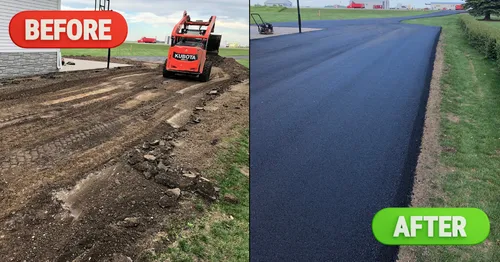
Allstar Paving is a paving contractor based in Charlotte, NC, offering a range of services for both residential and commercial properties. Their expertise includes asphalt paving, parking lot striping, sealcoating, and repairs designed to enhance durability and appearance. They provide custom driveway solutions and commercial parking lot paving that focus on traffic flow and long-lasting results. Their parking lot striping services ensure clear markings and ADA compliance to optimize space use.
Yellow Dawg Asphalt of The Triad
1510 Battleground Ave, Greensboro, NC 27408
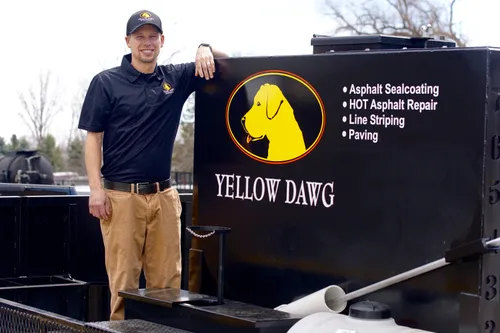
Yellow Dawg Asphalt of The Triad is a commercial pavement maintenance and reconstruction company based in Greensboro, NC. They offer a range of services including asphalt paving, patchwork, sealcoating, crack repair, line striping, and concrete work. Their capabilities include full-scale asphalt paving and hot asphalt patchwork, which provide durable repairs for parking lots and other surfaces. Yellow Dawg Asphalt is part of the Jet-Black franchise group, which has completed over 500,000 jobs since 1987, reflecting extensive experience in pavement maintenance and repair.
Crocker Asphalt Services
4609 Coronado Dr I, Charlotte, NC 28212
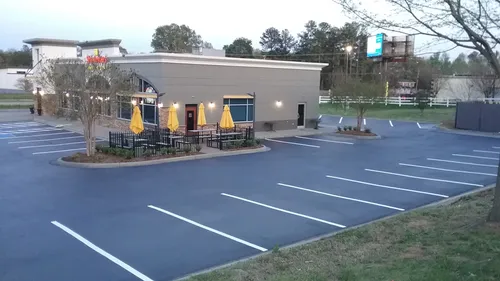
Crocker Asphalt Services is a parking lot repair and maintenance company based in Charlotte, NC. They provide a range of services including parking lot striping, sealcoating, paving, resurfacing, and repair. Their offerings cover asphalt replacement, hot crack filling, chipseal application, pothole repair, line striping, asphalt milling and paving, and new asphalt installation. Serving Mecklenburg County and surrounding areas, Crocker Asphalt Services handles projects of various sizes with a focus on efficient completion. The company emphasizes both maintenance and full replacement services for asphalt surfaces.
Regional Asphalt Services
115 Corina Ln, Mooresville, NC 28115
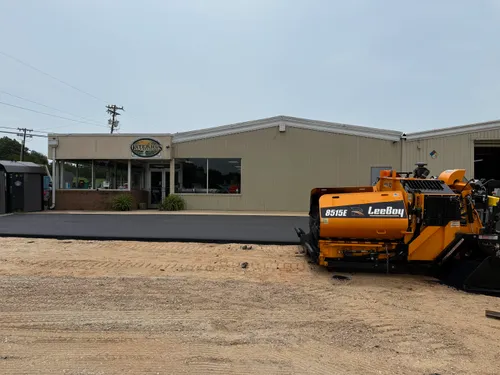
Regional Asphalt Services is a third-generation asphalt paving company serving Charlotte, NC. They provide a range of pavement improvement services including milling, repair, resurfacing, sealcoating, and maintenance for residential, commercial, and government clients. Their team uses state-of-the-art technology and offers hands-on management from inspection through project completion. The company serves Charlotte and surrounding areas such as Huntersville, Harrisburg, Matthews, Asheville, Concord, and more.
Lambeth Asphalt Services
Greensboro, NC
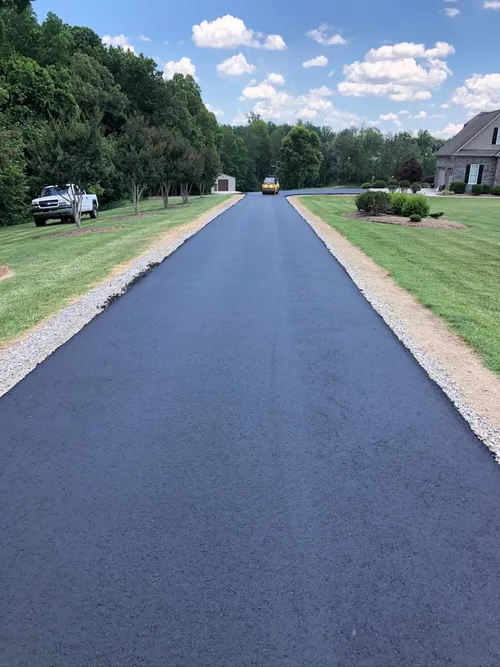
Lambeth Asphalt Services is a family-owned and locally operated company serving Greensboro, NC, and nearby areas since 2019. They specialize in asphalt paving, seal coating, crack sealing, striping, and concrete work for both commercial and residential projects. The company offers licensed and insured services, including asphalt repair and patching, using quality materials and proven techniques to ensure durable and smooth surfaces. Lambeth Asphalt Services provides a one-year warranty on all their work and free estimates, reflecting their commitment to quality and customer satisfaction.
Why Sealcoating is Critical for North Carolina Pavement
The Tar Heel State's climate presents a unique set of challenges for asphalt. The combination of intense UV exposure, high humidity, and significant rainfall creates a perfect storm for pavement deterioration. Sealcoating acts as a barrier against these elements, directly combating the primary causes of asphalt failure in the region.
UV Protection: North Carolina's strong sun causes asphalt to oxidize, making it brittle, faded, and prone to cracking. A quality sealcoat contains additives that block UV rays, slowing this oxidation process and keeping the asphalt flexible and its rich, black color intact.
Moisture Defense: High humidity and frequent rain mean water is constantly trying to penetrate the asphalt surface. Once moisture seeps into small cracks and reaches the base layer, it can lead to potholes, alligator cracking, and base failure, especially during freeze-thaw cycles in winter. Sealcoating seals the surface, preventing this intrusive moisture from causing structural damage 1.
Chemical Resistance: Parking lots are exposed to gasoline, oil, and antifreeze leaks. These petroleum-based fluids break down the asphalt binder. A fresh sealcoat provides a protective layer that resists these chemicals, making spills easier to clean and preventing permanent stains and softening of the pavement.
The Optimal Sealcoating Schedule for NC Lots
A consistent maintenance schedule is the most cost-effective strategy for long-term pavement preservation. The frequency depends on traffic levels and exposure, but general guidelines are well-established for North Carolina conditions.
- New Asphalt: Freshly paved lots should not be sealed immediately. The asphalt needs 12 to 18 months to fully cure and release oils. Sealing too soon can trap these oils and prevent proper drying, leading to a failed application.
- High-Traffic Lots: Shopping centers, grocery stores, and office complexes with constant vehicle flow should be sealcoated every 2 to 3 years. The constant wear from tires and exposure demands more frequent protection.
- Moderate to Low-Traffic Lots: Facilities like churches, warehouses, or smaller offices may extend the interval to 3 to 5 years, provided the existing sealcoat is still in good condition with no significant fading or cracking 2 3.
- Annual Inspections: Regardless of the schedule, a professional inspection each spring is recommended. This check can identify early signs of cracking, fading, or water pooling, allowing for minor repairs before a full sealcoat is needed 4.
Best Time of Year for Sealcoating in North Carolina
Timing is everything for a successful, long-lasting sealcoat application. The product requires specific environmental conditions to cure properly.
The ideal temperature range for application is between 50°F and 90°F 5. The sweet spots in North Carolina's calendar are:
- Spring (April to early June): The weather is warming, humidity is often lower than summer, and rain patterns can be more predictable. This window allows the sealcoat to be applied before the peak stress of summer sun.
- Fall (Late September through October): Temperatures are cooling, and the extreme heat has passed. This provides a stable window for application before winter sets in.
It's crucial to avoid peak summer months when temperatures consistently exceed 95°F6. Extreme heat causes the sealcoat to cure too quickly, leading to poor adhesion, flaking, and a brittle finish that won't last. Furthermore, afternoon thunderstorms are common in NC summers, and the sealant requires 24-48 hours of dry weather after application.
Find the perfect parking lot sealcoating companies for your needs
Get personalized recommendations and expert advice
Essential Preparation Steps Before Sealcoating
A sealcoat is only as good as the surface it's applied to. Proper preparation is non-negotiable for a durable result. Reputable contractors will always complete these steps.
- Thorough Cleaning: All dirt, debris, sand, and vegetation must be removed. This is typically done with industrial blowers and stiff steel brooms to ensure a perfectly clean surface for maximum adhesion.
- Oil Spot Treatment: Petroleum stains are a major cause of sealcoat failure. Professional crews will clean oil-saturated areas and apply a specialized oil spot primer. This primer seals the spot and prevents the oil from bleeding through the new sealcoat 7.
- Crack Repair: Any cracks larger than 1/4 inch should be filled with a hot-pour or cold-pour crack filler before sealing. This prevents water from entering the base and stops the cracks from reflecting through the new sealcoat.
- Ensuring a Dry Surface: The asphalt must be completely dry. Contractors will check for moisture in cracks and low spots. Applying sealcoat over damp pavement will result in immediate peeling and failure.
Application Standards and Environmental Regulations
Professional application follows specific standards to ensure quality and longevity. In North Carolina, environmental protection is also a key consideration.
- Two-Thin-Coat Method: The best practice is to apply two thin coats rather than one thick coat. The first coat, often applied with a squeegee, penetrates and seals the asphalt pores. The second coat, typically sprayed on, provides a uniform, durable finish. A single thick coat is prone to "mud-cracking" as it cures and shrinks 8.
- Proper Material Usage: The total application rate should be between 0.10 and 0.15 gallons per square yard (GSY). Using too little product provides inadequate protection, while using too much leads to cracking and tracking 9.
- Stormwater Compliance: North Carolina has strict regulations to protect waterways. Professional contractors are trained to prevent sealant runoff into storm drains. This involves using absorbent socks or filter bags to cover drain inlets during application and cleanup 10 11. Hiring a contractor aware of these rules is essential for environmental compliance.
Understanding Sealcoating Costs in North Carolina
Costs for commercial sealcoating in NC are typically quoted per square foot and can vary based on lot size, condition, and preparation needed. Economies of scale usually apply, with larger lots having a lower cost per square foot.
- Small Lots (under 20,000 sq ft): $0.15 - $0.25 per sq ft
- Medium Lots (20,000 - 50,000 sq ft): $0.12 - $0.20 per sq ft
- Large Lots (over 50,000 sq ft): $0.10 - $0.18 per sq ft
The material and application itself generally account for $0.05 to $0.10 per square foot of the total cost 12. The remainder covers the critical preparation work (cleaning, crack filling, oil spot treatment) and project management. Always request a detailed, written estimate that breaks down these components.
Choosing a Qualified Sealcoating Contractor
Selecting the right professional is as important as the service itself. Look for contractors with a proven track record in North Carolina. They should be fully insured, provide references from similar commercial projects, and be willing to explain their preparation process in detail. Ask about their methods for protecting landscaping and managing stormwater runoff to ensure they follow local regulations. A trustworthy contractor will conduct a site inspection before providing a firm quote and will clearly communicate the project timeline and curing requirements.
Frequently asked questions
Sources
Footnotes
-
How Often Should You Sealcoat a Driveway in North ... - https://armorasphaltnc.com/sealcoat-schedule-north-carolina/ ↩
-
How Often Should You Sealcoat Your Commercial Parking Lot - https://thepavementgroup.com/commercial-parking-lot-sealcoat/ ↩
-
How Often Should a Parking Lot Be Sealcoated? 510-723-0280 - https://americanasphalt.com/how-often-should-a-parking-lot-be-sealcoated/ ↩
-
When Should You Sealcoat Your Parking Lot After It Is Installed? - https://tosteconstructionnc.com/when-should-you-sealcoat-your-parking-lot-after-it-is-installed/ ↩
-
When Is The Best Time Of Year For Asphalt Sealcoating? - https://www.raleighpaving.com/resources/blog/when-is-the-best-time-of-year-for-asphalt-sealcoating/ ↩
-
Should I Seal Coat My Parking Lot in North Carolina? [2025 ... - https://www.fixasphalt.com/blog/should-i-seal-coat-my-parking-lot-in-north-carolina-2025-guide ↩
-
PDS Parking Lot Repair and Sealcoat Specifications - Alternative 4 - https://www.pdskc.org/Portals/pdskc/Documents/general_pdf/PDS%20Parking%20Lot%20Repair%20and%20Seal%20Specifications4.pdf ↩
-
Sealcoating a Parking Lot: When, Why & How Much (2026 Guide) - https://strikeforcestriping.com/sealcoating-parking-lot-guide ↩
-
10 Considerations Before Sealcoating Your Parking Lot - https://carolinaasphalt.com/10-considerations-before-scheduling-your-parking-lot-for-a-seal-coat/ ↩
-
Pavement Sealants: What You Should Know - City of Charlotte - https://www.charlottenc.gov/City-News/Pavement-Sealants-What-You-Should-Know ↩
-
North Carolina Asphalt Sealcoat Standards and Regulations - https://ecoshieldasphalt.com/uncategorized/north-carolina-asphalt-sealcoat-standards-regulations/ ↩
-
Commercial Parking Lot Sealing Cost in Cary, NC | 02/2026 - https://caryasphaltsealing.com/cary-nc-commercial-parking-lot-sealing-costs ↩