Find the Best Parking Lot Sealcoating Companies for Your Business
No obligation • Fast responses • Nationwide coverage

Why you can trust Tidy Parking
Tidy Parking is a leading U.S. source for parking lot maintenance services, including striping, sealcoating, sweeping, paving, resurfacing, and repairs. Our content is created independently, and providers cannot pay to influence ratings or recommendations.
Search providers near you
Top Parking Lot Sealcoating Companies in St Paul, Minnesota Ranked
Parking lot sealcoating is a vital protective maintenance process for commercial asphalt surfaces in St. Paul. This service involves applying a specialized protective coating to shield your pavement from Minnesota's harsh winters, damaging UV rays, and chemical spills. A well-maintained sealcoat preserves your investment, enhances safety, and improves curb appeal. This guide explains the local considerations for asphalt sealing and how to find qualified professionals for your property.

Jet-Black® of Shoreview
2395 12th Ave E, St Paul, MN 55109
Jet-Black® of Shoreview is a parking lot sealcoating and repair company serving St Paul, MN. They offer residential and commercial asphalt maintenance services including sealcoating, crack sealing, patchwork, and hot asphalt repairs. Known for using industrial-grade sealers and hot rubber crackfiller, Jet-Black aims to provide durable protection and improve the appearance of asphalt surfaces. Established in 1987, the company has completed over 500,000 projects nationwide and combines national experience with local service.
Doctor Asphalt, LLC
1949 Atlantic St, Maplewood, MN 55109
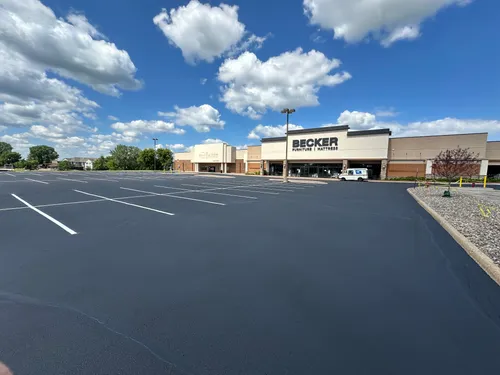
Doctor Asphalt, LLC is a parking lot paving and repair company based in St Paul, MN. They provide services including parking lot striping, sealcoating, crack filling, patching, and asphalt replacement. The company is known for working across the Twin Cities Metro Area and offers detailed proposals tailored to customer needs. Their team handles projects efficiently, often working around business schedules to minimize disruption. Doctor Asphalt has built a reputation for solid workmanship and clear communication, with a focus on practical solutions and customer perspectives.
Real Seal Asphalt Sealcoating
St Paul, MN
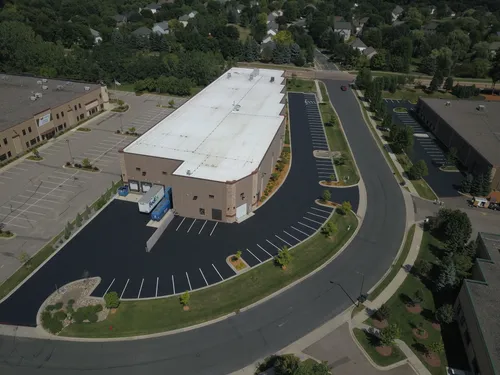
Real Seal Asphalt Sealcoating is a parking lot sealcoating and repair company serving St Paul, MN. The business offers services including asphalt patching, driveway extensions, crack maintenance, and sunken garage apron repair. Owner Dan Servais is actively involved in daily operations, emphasizing quality workmanship and attentive customer care. The company also provides snow removal services, addressing a range of asphalt and sealcoating needs in the local community.
Property Wide Facilities
St Paul, MN
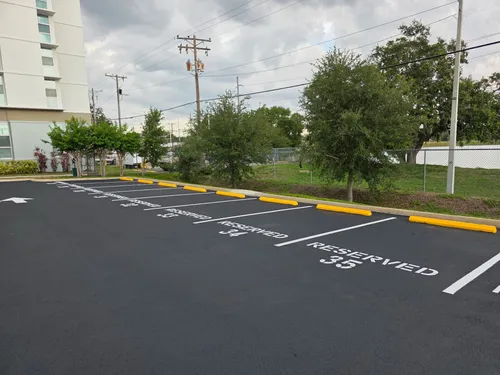
Property Wide Facilities is a parking lot striping, sealcoating, and repair company based in St Paul, MN. They provide a wide range of property maintenance services including asphalt and concrete repairs, bollards, ADA compliance, signage, speed bumps, and commercial cleaning. The company works with various clients from small local churches to large shopping plazas and franchise corporations, focusing on detailed and comprehensive service throughout each project.
Asphalt Paving Company
2136 Ford Pkwy Unit 8104G, St Paul, MN 55116
Asphalt Paving Company provides commercial asphalt paving, sealcoating, striping, and repair services in Minneapolis, MN. They specialize in durable asphalt solutions designed for high-traffic commercial properties, including parking lots, driveways, curbs, and drains. The company uses professional-grade materials suited for commercial equipment and offers services such as pothole repair and asphalt crack filling to maintain pavement integrity. Their expertise includes commercial asphalt paving that resists weather damage and heavy use, helping extend the lifespan of paved surfaces. Asphalt Paving Company serves the Minneapolis area with a focus on commercial clients and offers warranties on their work to ensure long-term durability.
Why Sealcoating is Essential for St. Paul Properties
In the Twin Cities, asphalt faces a relentless assault from the elements. The primary benefit of sealcoating, or applying a protective asphalt sealer, is to create a waterproof barrier. This is critical because Minnesota's notorious freeze-thaw cycles are a leading cause of pavement failure. When water seeps into tiny cracks in unsealed asphalt, it freezes and expands, widening those cracks and leading to potholes and base damage. A fresh sealcoat fills surface voids and prevents this moisture penetration, extending the life of your parking lot significantly.
Beyond water protection, a sealant guards against oxidation from the sun, which dries out and grays the asphalt binder, making it brittle. It also provides resistance to oil, gasoline, and de-icing chemicals commonly used on St. Paul lots. For property managers, this isn't just about maintenance-it's a cost-saving strategy. Proactive sealing is far less expensive than major repairs or full-depth reconstruction down the line.
Determining the Right Sealcoating Schedule
A common question is, "How often should I sealcoat?" The standard recommendation for commercial lots in our climate is every 2 to 3 years 1. However, this is a general guideline. The optimal frequency for your specific lot depends on several key factors:
- Traffic Volume and Type: High-traffic areas like shopping center entrances, loading docks, or lots serving heavy vehicles (trucks, buses) experience more wear and require more frequent application, potentially every 1 to 2 years 2.
- Exposure to Elements: Lots with full sun exposure degrade faster from UV rays. Lots that hold water or are heavily salted in winter also need vigilant protection.
- Surface Contaminants: Properties like gas stations, auto repair shops, or restaurants deal with frequent oil and chemical spills that break down asphalt, necessitating a more aggressive sealing schedule.
- Age of Asphalt: New asphalt should be given time to fully cure; it's typically recommended to apply the first sealcoat within 6 to 12 months of installation.
Regular visual inspections are your best tool. If the asphalt appears dry, faded to a light gray, and is losing its rich black color, it's likely time for a new protective coating.
The Ideal Time for Sealcoating in Minnesota
Timing is everything for a successful asphalt sealing project. The application requires specific weather conditions for the material to cure properly. The prime window for sealcoating in St. Paul is from late spring through early fall3.
Contractors need a consistent forecast with temperatures above 50°F, both during application and for at least 24 hours after 4. The surface must be completely dry, and rain cannot be expected for a minimum of 24-48 hours post-application. Humidity also plays a role; high humidity can slow the drying process. Scheduling your project during this reliable weather window ensures the sealant adheres correctly and forms a durable, long-lasting layer.
Understanding the Sealcoating Process and Preparation
A quality sealcoating job is about 80% preparation and 20% application. Professional contractors follow a meticulous process:
- Thorough Cleaning: The lot must be free of dirt, debris, leaves, and gravel. This is often done with power brooms, blowers, and pressure washers. Any vegetation growing in cracks is removed.
- Crack Sealing: All cracks must be cleaned and filled with a hot-pour or cold-applied crack filler before the sealcoat is applied. Sealing over cracks without filling them is ineffective.
- Oil Spot Priming: Oil and fluid stains are treated with a specialized primer. If not primed, these spots can "bleed" through the new sealcoat.
- Edge Cleaning and Trimming: Grass and soil along the pavement edges are trimmed back to ensure a clean application line.
- Application: The sealant (typically coal tar or asphalt-based emulsion) is sprayed or squeegeed onto the surface. Professionals ensure an even, consistent coat.
- Curing: The lot is closed to all traffic, including pedestrians, for a minimum of 24-48 hours to allow full curing.
Find the perfect parking lot sealcoating companies for your needs
Get personalized recommendations and expert advice
The Connection Between Sealcoating and Striping
Parking lot striping and sealcoating are interconnected maintenance tasks. It is standard industry practice to apply new pavement markings 24 to 48 hours after the sealcoat has been applied and has cured5. The fresh sealant provides a smooth, uniform, dark background that makes new lines appear bright and crisp.
Attempting to stripe before sealing is counterproductive, as the new paint would be covered by the sealcoat. Furthermore, old, faded lines should not be visible under a new seal; the dark coating will obscure them. For optimal safety and appearance, plan your re-striping project to immediately follow your sealcoating work. In general, parking lot lines in Minnesota should be refreshed every 18 to 24 months due to fading from traffic and snowplows.
Cost Considerations for Sealcoating in St. Paul
The cost of commercial sealcoating is typically quoted per square foot. For 2025, estimates for professional sealcoating in our region generally range from $0.20 to $0.50 per square foot6 7. Several variables influence where your project falls within this range:
- Lot Size: Larger lots often benefit from a lower cost per square foot due to economies of scale. Smaller lots may have a higher per-square-foot price due to fixed mobilization and setup costs.
- Condition and Prep Work: A lot in good condition needing only basic cleaning will be at the lower end. If extensive crack filling, pothole repair, or oil spot treatment is required, the price will increase 8 9.
- Surface Complexity: Lots with numerous light poles, tight corners, landscaping islands, and pedestrian crosswalks require more detailed handwork, which can add to labor time and cost.
- Contractor Expertise: Reputable, insured contractors using high-quality materials may charge more but deliver a longer-lasting, better-performing result.
Always request detailed, written quotes that break down preparation, materials, square footage, and cure time. This allows for an accurate comparison between service providers.
Creating a Proactive Parking Lot Maintenance Plan
Sealcoating is one component of a comprehensive asphalt maintenance plan. For St. Paul property managers, a proactive approach saves money and headaches.
| Task | Recommended Frequency/Timing | Key Notes for St. Paul |
|---|---|---|
| Visual Inspection | Quarterly / After winter thaw | Look for new cracks, potholes, drainage issues, and faded markings 10. |
| Crack Sealing | Annually, typically in fall | Prevents water infiltration before freeze-thaw cycles begin. |
| Pothole Repair | As needed, immediately | Addresses safety hazards and prevents further base damage. |
| Sealcoating | Every 2-3 years | Schedule for late spring to early fall, during dry weather above 50°F. |
| Cleaning & Sweeping | Regularly, especially spring and fall | Removes debris, sand, and salt that can trap moisture and abrade the surface. |
| Re-striping | Every 18-24 months / after sealcoating | Ensures compliance with ADA standards and maximizes safety for drivers and pedestrians 11. |
By following a schedule like this, you systematically protect your pavement asset, maintain a safe environment for users, and avoid costly emergency repairs.
Frequently asked questions
Sources
Footnotes
-
How Often Should You Sealcoat a Parking Lot? | Carol Stream - https://jspaving.com/how-often-should-you-sealcoat-a-parking-lot/ ↩
-
How Often Should You Seal Coat Asphalt? - Elcor Construction - https://elcorconstruction.com/how-often-should-you-seal-coat-asphalt/ ↩
-
The Best Time of Year to Schedule Sealcoating - Parker Concrete - https://www.parkerconcrete.com/the-best-time-of-year-to-schedule-sealcoating/ ↩
-
Sealcoat Application Guidelines - NEAL Manufacturing - https://nealequip.com/sealcoat-application/ ↩
-
Should You Sealcoat Before or After Striping? - 1-800-striper - https://1800striper.com/sealcoat/ ↩
-
Parking Lot Seal Coating Costs for Asphalt : 2025 Pricing Guide - https://www.fixasphalt.com/blog/how-much-does-it-cost-to-sealcoat-an-asphalt-parking-lot ↩
-
Parking Lot Seal Coating Costs for Asphalt : 2025 Pricing Guide - https://www.fixasphalt.com/blog/how-much-does-it-cost-to-sealcoat-an-asphalt-parking-lot ↩
-
How Often Should You Sealcoat a Driveway or Parking Lot? - https://coastalpipelineinc.com/how-often-should-i-sealcoat-a-driveway-or-parking-lot/ ↩
-
How Much Does It Cost to Seal an Asphalt Parking Lot in California ... - https://soscopaving.com/2025/05/15/parking-lot-sealcoating-costs-in-california-2025-data/ ↩
-
Parking Lot Maintenance Tips Every Property Manager Should Know - https://gopherstatesealcoat.com/parking-lot-maintenance-tips-every-property-manager-should-know/ ↩
-
How Often Should You Re-Stripe Your Parking Lot (and Why It Matters) - https://www.welovepaving.com/how-often-should-you-re-stripe-your-parking-lot-and-why-it-matters/ ↩