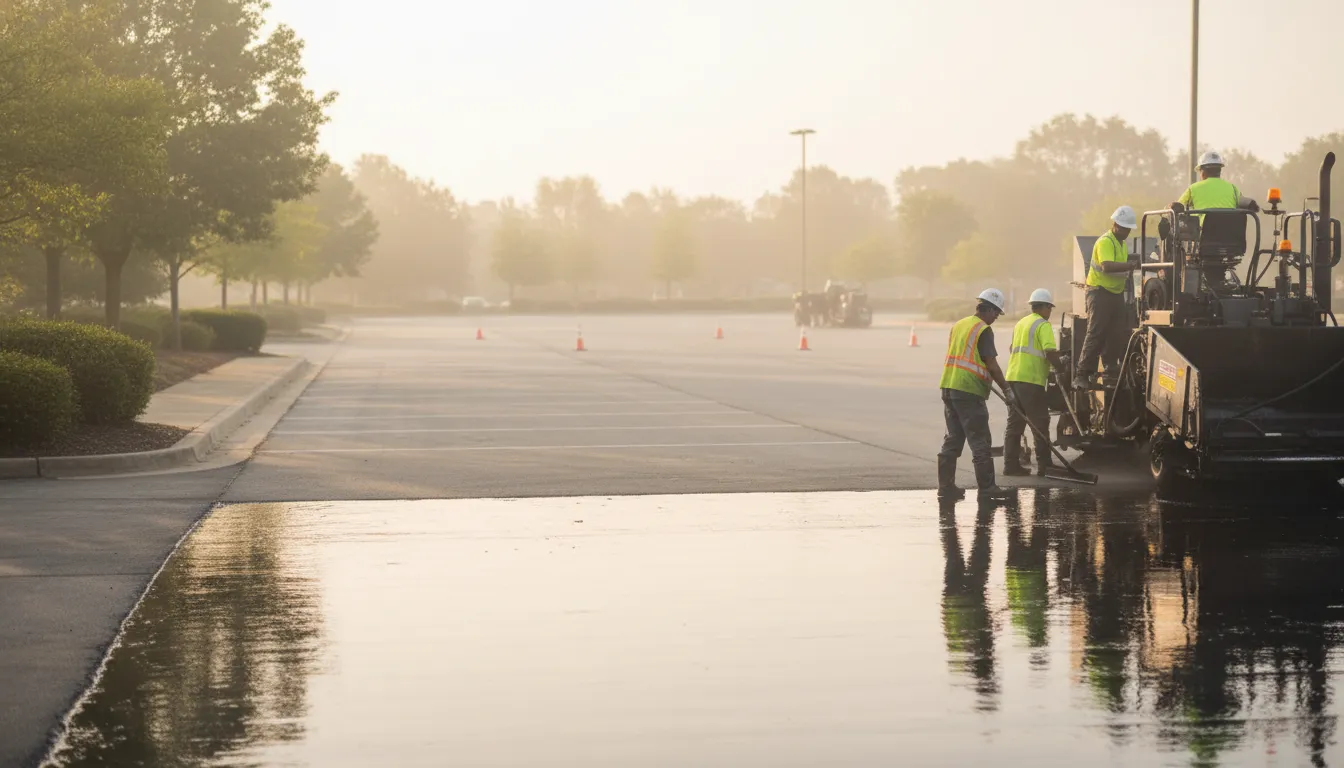
Find the Best Parking Lot Sealcoating Companies for Your Business
No obligation • Fast responses • Nationwide coverage
Why you can trust Tidy Parking
Tidy Parking is a leading U.S. source for parking lot maintenance services, including striping, sealcoating, sweeping, paving, resurfacing, and repairs. Our content is created independently, and providers cannot pay to influence ratings or recommendations.
Search providers near you
Top Parking Lot Sealcoating Companies in Louisville, Kentucky Ranked
Parking lot sealcoating is a critical maintenance service that applies a protective layer over asphalt pavement. In Louisville, this process is essential for defending against the region's harsh weather cycles and daily wear, which can rapidly degrade an unsealed surface. A quality sealcoat application prevents water damage, resists oil and fuel spills, and restores a dark, fresh appearance. This guide explains the importance of sealcoating, the local best practices, and how to evaluate and connect with qualified professionals for your property's needs.
Sealcoat Solutions
333 Bates Ln, Smithfield, KY 40068
Sealcoat Solutions is a pavement maintenance company based in Louisville, KY, offering a range of services including asphalt sealcoating, parking lot striping, sweeping, and repair. They also provide installation of bollard posts, parking stops, and traffic markers to improve safety and organization. The company uses high-quality materials and proven techniques to protect and enhance pavement surfaces, including exposed aggregate and concrete sealing. Sealcoat Solutions serves the greater Louisville area with a focus on integrity and customer communication.
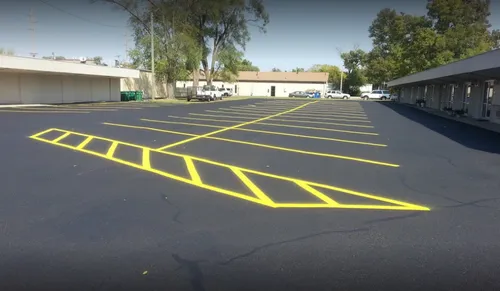
Ezzie Harrison Asphalt Paving, Sealcoating, and Repair
Louisville, KY
Ezzie Harrison Asphalt Paving, Sealcoating, and Repair is an asphalt paving contractor based in Louisville, KY. Serving both residential and commercial clients, they provide a full range of asphalt services including paving, repairs, sealcoating, resurfacing, and parking lot striping. With over 25 years of experience since 1995, they handle projects of all sizes and specialize in repairing asphalt damage such as potholes and cracks. Their capabilities also include ADA-compliant parking lot striping to ensure safe and organized parking areas. Ezzie Harrison Asphalt Paving is known for its comprehensive asphalt solutions throughout Louisville and surrounding communities.
G-FORCE Parking Lot Striping of Louisville
Louisville, KY
G-FORCE Parking Lot Striping of Louisville is a veteran-owned business providing parking lot striping, sealcoating, and repair services in Louisville, KY. They offer a wide range of pavement marking solutions including warehouse floor markings, parking lot sign installation, ADA compliance striping, fire lane striping, and athletic field markings. Using premium traffic paints and state-of-the-art equipment, G-FORCE specializes in durable thermoplastic markings and asphalt maintenance such as crack sealing and pothole repair. The company serves Louisville and surrounding cities, bringing military precision and advanced technology to each project.
Pave It Forward Asphalt Paving
16922 Shelbyville Rd, Louisville, KY 40245
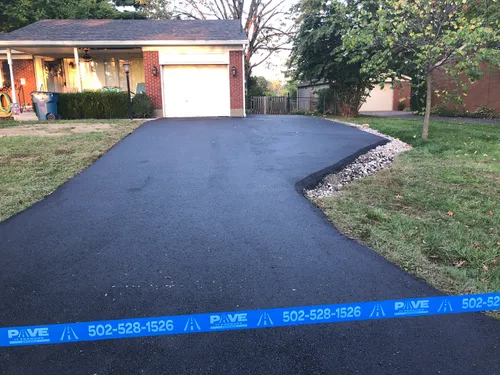
Pave It Forward Asphalt Paving is a parking lot sealcoating and paving contractor located in Louisville, KY. They serve Kentucky and Southern Indiana, offering asphalt revival and installation services with over 15 years of experience. The company emphasizes clear communication and community involvement, dedicating a portion of every project to local charities. Their approach includes using advanced equipment and innovative methods to improve paving quality and efficiency.
Down to Earth Seal Coating
Louisville, KY
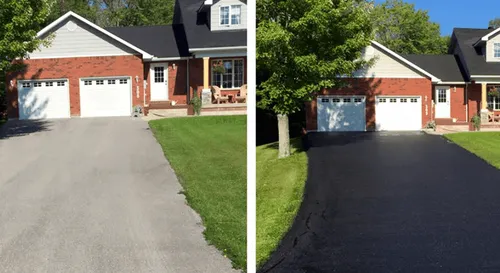
Down to Earth Seal Coating is a family- and veteran-owned business based in Louisville, KY, specializing in asphalt and concrete maintenance, including sealcoating, crack filling, pothole patching, and lot striping. Serving Louisville and surrounding areas, they use high-quality materials and advanced techniques to protect and enhance pavement surfaces. With over 30 years of experience since 1997, they offer services seven days a week to accommodate customer needs.
Why Sealcoating is Non-Negotiable in Louisville
Louisville's climate is one of the primary reasons asphalt sealing is so vital. The city experiences humid summers and freezing winters, creating a relentless cycle of expansion and contraction known as the "freeze-thaw" effect 1. Water seeps into tiny cracks in the asphalt, freezes and expands, widening those cracks, and then thaws, allowing more water to penetrate deeper. Over just a few seasons, this process can turn minor surface cracks into major structural failures. A professionally applied asphalt sealer acts as a waterproof barrier, blocking moisture from ever reaching the vulnerable base layers 2 3.
Beyond weather, chemical attacks from gasoline, oil, and de-icing salts steadily break down the asphalt binder that holds the pavement together. Ultraviolet (UV) radiation from the sun also oxidizes and dries out the surface, making it brittle and prone to raveling (where aggregate stones loosen and pop out). Sealcoating provides a shield against these elements, significantly extending the functional life of your pavement and protecting your investment 4.
Determining the Right Sealcoating Schedule
A one-size-fits-all schedule doesn't work for pavement maintenance. The frequency for applying a new protective coating depends heavily on usage and exposure.
- High-Traffic Commercial Lots: Shopping centers, restaurant drive-thrus, and industrial facilities with constant vehicle flow and frequent fluid leaks require the most vigilant schedule. For these lots, sealcoating every 1 to 2 years is often recommended to maintain integrity and appearance 5.
- Moderate-Use Lots: Standard office parks, apartment complexes, and churches typically benefit from a fresh sealcoat every 2 to 3 years.
- Low-Traffic & Residential Surfaces: Private driveways and lots with very light use can sometimes extend to 3 years between applications, but should still be inspected annually.
The best practice is to conduct visual inspections every spring and fall. Look for fading color, a rough or sandy texture, and the widening of small cracks. These are clear signs your pavement's protective layer is wearing thin and it's time to plan for resealing.
The Ideal Season for Asphalt Sealing in Kentucky
Timing your pavement sealing project correctly is as important as the work itself. The application and curing of sealant are highly dependent on temperature and weather conditions.
The prime window for sealcoating in Louisville runs from April through October. During these months, daytime temperatures are consistently above 50°F, which is crucial for the sealer to cure and bond properly. Ideal application conditions are dry, with temperatures between 70°F and 85°F, and no rain forecast for at least 24 hours after application.
It is strongly advised to avoid sealcoating during the winter months, from December through February 6. Cold temperatures prevent proper curing, leading to a soft, tacky finish that won't last and can track onto vehicles. Early spring and late fall projects require careful monitoring of nighttime temperatures to ensure they don't dip too low during the curing period.
The Critical Role of Preparation
A successful, long-lasting sealcoat is 80% preparation and 20% application. Skipping or rushing the prep work is the most common reason a new sealcoat fails prematurely. Professional contractors follow a meticulous process:
- Thorough Cleaning: The entire surface must be free of dirt, debris, leaves, and loose gravel. This is typically done with powerful air blowers, industrial brooms, and sometimes pressure washing 7.
- Edge Work: Grass and weeds overhanging the pavement edges are trimmed back. This creates a clean line for application and prevents organic matter from getting into the fresh sealer.
- Oil Spot Treatment: Gasoline, oil, and antifreeze stains must be specially treated or "primed." These substances prevent the water-based sealer from adhering. Professionals often use a heat-flush method or chemical primers to neutralize these areas.
- Crack Sealing: This is arguably the most important step. All cracks wider than 1/8 inch should be filled with a hot-pour or cold-pour rubberized crack filler 8 9. Filling cracks before sealcoating prevents water from passing through the new sealcoat and into the subbase.
- Curing for New Asphalt: If your pavement is newly laid, it's essential to wait. Fresh asphalt needs 6 to 12 months to fully cure and release gases and oils before it can be properly sealed 10.
Find the perfect parking lot sealcoating companies for your needs
Get personalized recommendations and expert advice
Understanding Sealcoating and Striping Coordination
Often, parking lot striping and sealcoating are planned together, as they are complementary services. Here's how they interact:
- Sequencing: Sealcoating is always done before new striping. The old pavement markings are covered by the new sealcoat.
- Timing: New traffic paint and line striping can be applied once the final coat of sealer is completely dry to the touch. This typically requires a minimum of 24 to 48 hours of good drying conditions 11 12.
- Frequency: Since both services are on similar 2-3 year maintenance cycles, coordinating them saves on mobilization costs and minimizes lot downtime 13 14. High-traffic areas like fire lanes and accessible parking spots may need stripe touch-ups more frequently.
Factors Influencing Sealcoating Costs
The cost to sealcoat a parking lot in Louisville is not a flat rate; it varies based on several key factors. Prices are often quoted per square foot, with economies of scale for very large areas.
- Lot Size & Condition: Small lots (like a dozen parking spaces) will have a higher cost per square foot due to minimum service charges. Large retail or commercial lots benefit from a lower per-square-foot rate. The single biggest cost variable is usually the amount of crack filling required before sealing 15 16.
- Scope of Work: A basic sealcoat over a clean, crack-free lot costs less than a project requiring extensive cleaning, weed removal, oil spot priming, and detailed crack sealing.
- Quality of Materials: Professional-grade, coal-tar emulsion or high-performance asphalt-based sealers cost more but offer superior durability and protection compared to consumer-grade products 17 18.
- Number of Coats: For optimal protection, two thin coats are vastly superior to one thick coat. Ensure your quote specifies a two-coat application for longevity.
A Proactive Maintenance Plan for Louisville Properties
To maximize your pavement's lifespan and minimize costly repairs, adopt a proactive maintenance strategy:
- Bi-Annual Inspections: Walk your lot every spring and fall. Look for new cracks, alligator cracking (patterned cracks), and areas where the black color has faded to gray.
- Prompt Crack Repair: Fill new cracks as soon as they appear, even if sealcoating is a year away. This small, inexpensive step prevents water damage.
- Schedule Sealcoating: Plan your sealcoating project for the late spring or early fall, aiming for a 2-3 year cycle (or 1-2 for high-traffic lots).
- Coordinate Services: Bundle sealcoating with necessary crack sealing, pavement marking, and minor repairs.
- Traffic Control: Ensure the contractor's plan includes clear signage and barricades to keep all vehicles and pedestrians off the fresh sealer for a minimum of 24-48 hours.
By understanding these principles, you can make informed decisions, ask the right questions, and select a qualified contractor who will protect one of your property's most valuable assets-its pavement.
Frequently asked questions
Sources
Footnotes
-
How Often Should You Sealcoat Your Driveway in Louisville ... - https://mvppavingky.com/2025/03/how-often-should-you-sealcoat-your-driveway-in-louisville-ky/ ↩
-
Parking Lot Striping, PSI Paving Inc. - Louisville - https://www.psipaving.net/services/parking-lot-striping/ ↩
-
Why Timing Matters for Asphalt Sealcoating - https://gopaveutah.com/why-timing-matters-for-asphalt-sealcoating/ ↩
-
Why Regular Seal Coating Is Essential For Maintaining Your Parking ... - https://wedolines.com/why-regular-seal-coating-is-essential-for-maintaining-your-parking-lot/ ↩
-
How Often Should You Sealcoat a Driveway or Parking Lot? - https://coastalpipelineinc.com/how-often-should-i-sealcoat-a-driveway-or-parking-lot/ ↩
-
Is It Too Cold to Sealcoat My Parking Lot? - PaveConnect - https://paveconnect.com/blog/is-it-too-cold-to-sealcoat-my-parking-lot/ ↩
-
Asphalt Sealcoating Contractor in Louisville, KY - https://commonwealthpaving.net/seal-coating/ ↩
-
How Often Should You Seal Coat Asphalt? - Elcor Construction - https://elcorconstruction.com/how-often-should-you-seal-coat-asphalt/ ↩
-
The Complete Maintenance Plan Guide - parking lot - PaveConnect - https://paveconnect.com/blog/how-to-tell-what-your-parking-lot-needs-the-complete-maintenance-plan-guide/ ↩
-
Asphalt FAQ - Plantmix Asphalt Industry of Kentucky - https://www.paiky.org/asphalt-education/asphalt-faq/ ↩
-
How Long Does It Usually Take to Seal a Parking Lot? - ACPLM - https://acplm.net/how-long-does-sealcoat-take-to-dry/ ↩
-
Parking Lot Sealing And Striping: All You Need to Know - https://www.themonrazcompany.com/parking-lot-sealing-and-striping ↩
-
Asphalt Sealcoating Services In Louisville - Commonwealth Paving - https://commonwealthpaving.net/asphalt-sealcoating-louisville/ ↩
-
How Often Should Parking Lot Striping Be Redone? - https://www.strategicgrounds.com/blog/how-often-should-parking-lot-striping-be-redone/ ↩
-
How Often to Sealcoat an Asphalt Driveway & Parking Lot? - https://sipesasphaltconcrete.com/how-often-should-you-sealcoat-your-commercial-driveway-and-parking-lot/ ↩
-
How Much Does It Cost To Sealcoat An Asphalt Parking Lot? - https://absoluteblacktop.com/how-much-does-it-cost-to-sealcoat-an-asphalt-parking-lot/ ↩
-
How to Sealcoat a Parking Lot or Driveway - SealMaster.net - https://sealmaster.net/faq/sealcoat-parking-lot-driveway/ ↩
-
Asphalt Sealcoating Services - Southern California - https://www.empirepls.com/parking-lot-maintenance/asphalt-seal-coating ↩