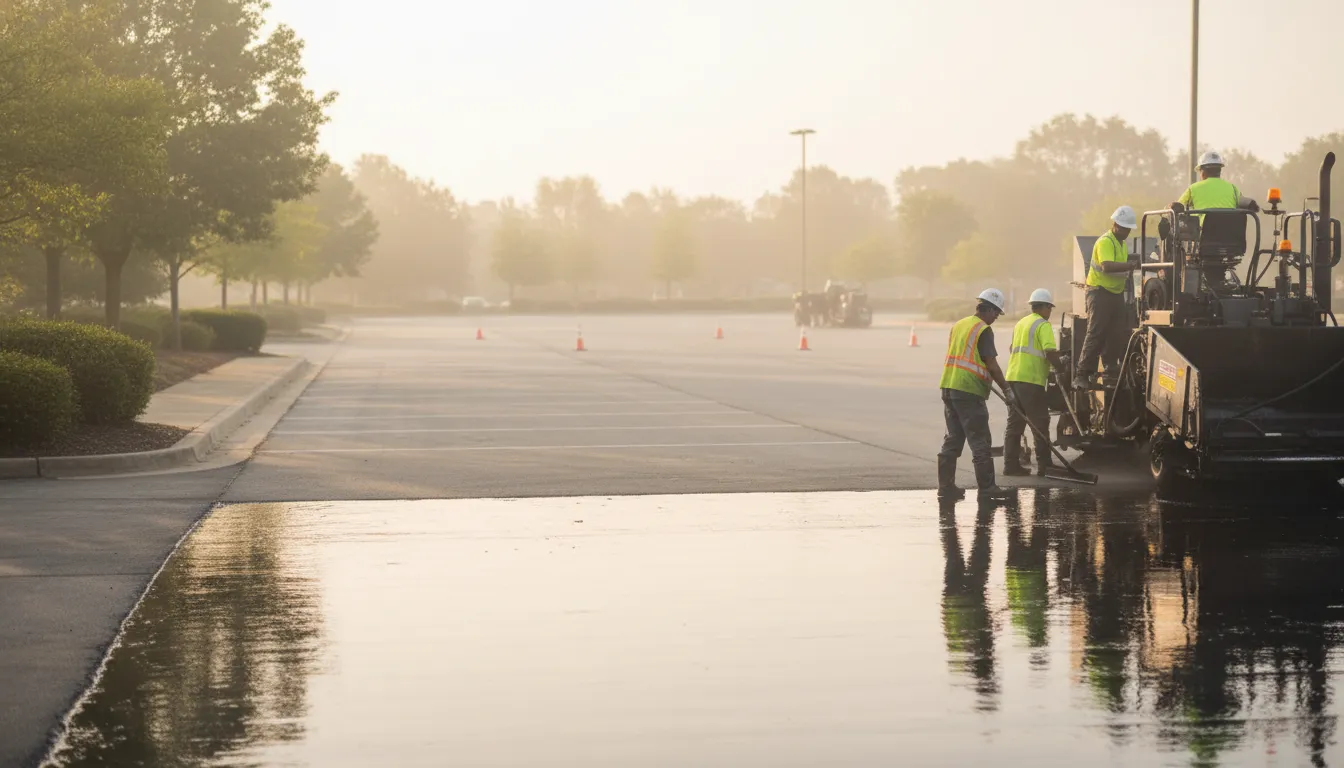
Find the Best Parking Lot Sealcoating Companies for Your Business
No obligation • Fast responses • Nationwide coverage
Why you can trust Tidy Parking
Tidy Parking is a leading U.S. source for parking lot maintenance services, including striping, sealcoating, sweeping, paving, resurfacing, and repairs. Our content is created independently, and providers cannot pay to influence ratings or recommendations.
Search providers near you
Top Parking Lot Sealcoating Companies in Iowa City, Iowa Ranked
Protecting your asphalt investment is essential for any property owner or manager in Iowa City. Parking lot sealcoating is a preventative maintenance process that applies a protective layer over asphalt pavement, shielding it from the damaging effects of weather, chemicals, and daily wear. This service is not just about aesthetics; it's a critical step in extending the lifespan of your pavement, preventing costly repairs, and maintaining a safe, professional appearance for your business or property. For those seeking this service, understanding the local climate's demands and the proper procedures can help you evaluate and connect with qualified professionals in the area.
Gee Asphalt Systems, Inc.
4715 6th St SW, Cedar Rapids, IA 52404
Gee Asphalt Systems, Inc. is a parking lot sealcoating company based in Cedar Rapids, IA. They specialize in pavement preservation using advanced techniques, including the application of GSB-88®, a natural asphalt product that is odorless, non-toxic, and cures quickly. Their services extend to airport pavements such as tarmacs, taxiways, and aprons, helping to reduce foreign object debris and protect infrastructure investments.
Pate Asphalt Systems
3285 3rd Ave, Marion, IA 52302
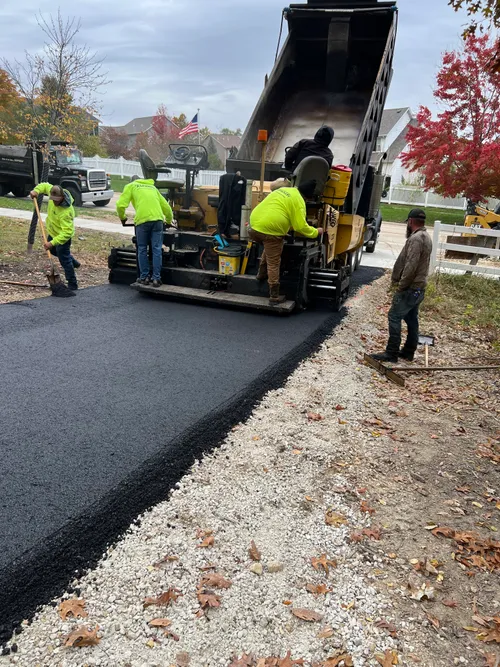
Pate Asphalt Systems is a full-service asphalt paving contractor based in Cedar Rapids, IA, serving Eastern Iowa including Iowa City, Waterloo, Cedar Falls, the Quad Cities, and Dubuque. They provide residential, commercial, and industrial paving solutions such as driveways, parking lots, recreational trails, and large-scale projects. Their services include asphalt paving, seal coating, crack sealing, resurfacing, and repairs. With over 40 years of experience, Pate Asphalt Systems focuses on delivering durable and professional results tailored to client needs.
Why Sealcoating is Non-Negotiable in Iowa City's Climate
The Midwest climate presents a unique set of challenges for asphalt pavement. In Iowa City, the combination of harsh winters and strong summer sun creates a cycle of stress that can rapidly deteriorate an unprotected surface. A proactive asphalt sealing strategy is your best defense against these elements.
- Freeze-Thaw Cycles: This is the primary enemy of Iowa asphalt. Water seeps into tiny cracks and pores in the pavement. When temperatures drop, this water freezes and expands, forcing the cracks to widen. With each cycle, the damage compounds, leading to larger cracks and eventual potholes. A fresh sealcoat acts as a waterproof barrier, preventing moisture from penetrating the asphalt in the first place 1.
- Snow Plowing and De-Icing Chemicals: Winter maintenance is necessary but abrasive. Snowplow blades can scrape and gouge unprotected, brittle asphalt. More insidiously, the salt and chemical de-icers used to keep lots safe break down the asphalt binder over time, causing the surface to ravel and become friable. Sealcoating provides a sacrificial layer that absorbs this abuse, protecting the structural asphalt below.
- UV Oxidation: Iowa's summer sun is relentless. Ultraviolet rays oxidize and dry out the essential oils in the asphalt binder, making it brittle and prone to cracking. A quality sealcoat restores a rich, black protective layer that blocks UV rays, keeping the pavement flexible and resilient.
Determining the Right Sealcoating Schedule for Your Property
There is no one-size-fits-all answer for how often to apply a protective coating. The frequency depends largely on the usage and exposure of your specific lot.
- High-Traffic Commercial Lots: Properties like busy retail centers, restaurants, grocery stores, and apartment complexes with constant vehicle flow should consider sealcoating every 1 to 2 years. The combined stress of heavy traffic, frequent turning, and exposure to fluids like oil and gasoline accelerates wear, necessitating more frequent maintenance 2 3.
- Moderate to Low-Traffic Areas: Office parks, churches, or lots with lighter, more predictable traffic patterns can typically follow a 2 to 3-year schedule. Regular inspections are key; if the asphalt begins to look faded, gray, and dry before the 3-year mark, it's time to schedule service.
- The Best Time of Year: Timing is everything for a successful application. The ideal window for asphalt sealing in Iowa City is from late spring through early fall, specifically May to September. The process requires consistently dry conditions with temperatures above 50°F (and ideally below 90°F) for proper curing. Scheduling during this period avoids the pitfalls of spring rains and fall frosts.
The Critical Role of Surface Preparation
A common misconception is that sealcoating is simply about spraying on a new black coat. In reality, surface preparation constitutes about 80% of a successful job. Proper prep ensures the new coating bonds correctly and delivers long-lasting protection 4 5.
- Thorough Cleaning: Every square foot of the pavement must be free of dirt, dust, leaves, and debris. Professionals use powerful blowers, sweepers, and in some cases, pressure washing to achieve a clean surface. Any contamination left behind will prevent proper adhesion.
- Oil Stain Treatment: Oil and fluid spills are a fact of life in parking lots. These spots must be addressed, as sealant will not stick to them. The process involves heavy-duty scrubbing with industrial degreasers and often the application of a specialized oil-spot primer to block the stain and allow for proper bonding.
- Crack and Pothole Repair: Applying sealcoat over significant cracks or potholes is a waste of resources. All cracks wider than 1/4 inch should be cleaned and filled with a hot-pour or cold-applied crack sealant. Potholes require full-depth patching. This repair work addresses the structural issues before the protective seal is applied.
- Proper Curing and Barricading: Once applied, the sealcoat needs time to cure. The parking lot must be completely closed to all traffic, including pedestrians, for a minimum of 24 to 48 hours. This allows the coating to harden fully and achieve its maximum durability. Planning for this closure is a crucial part of the project.
Find the perfect parking lot sealcoating companies for your needs
Get personalized recommendations and expert advice
Coordinating Sealcoating with Parking Lot Striping
If your lot requires fresh pavement markings, the order of operations is vital. The standard best practice is to always complete the sealcoating first, then apply the new striping. Attempting to sealcoat over existing lines will trap old paint, leading to poor adhesion and premature failure of the new coating 6.
After the final coat of sealant is applied, you must wait for it to cure sufficiently before striping. A good rule of thumb is to wait 24 to 48 hours. The surface must be completely dry and no longer tacky to the touch. Applying traffic paint too soon can result in poor adhesion, smearing, and a shortened lifespan for your new lines 7 8. Professional contractors use high-quality, water-borne traffic paint designed specifically for adhesion over sealed asphalt.
Understanding Investment and Value
The cost for parking lot sealing can vary based on several project-specific factors. Generally, pricing is calculated per square foot.
- Small Lots and Driveways: Smaller areas often have a higher cost per square foot, typically ranging from $0.15 to $0.30 or more. This accounts for the mobilization of equipment and the detailed handwork often required around edges and obstacles.
- Large Commercial Lots: For expansive, open parking areas, economies of scale can bring the price down, often ranging from $0.10 to $0.20 per square foot for a standard two-coat application 9 10.
- Key Cost Factors: The final price will be influenced by the amount of preparatory work needed (especially crack filling and oil spot treatment), the number of coats applied, the total square footage, and the current condition of the asphalt.
It's important to view this not as an expense, but as a strategic investment. Regular sealcoating is one of the most cost-effective ways to prevent far more expensive repairs like pothole patching or full-depth asphalt replacement down the line 11.
Planning Your Next Sealcoating Project: A Quick Checklist
To ensure a smooth and successful outcome, keep these local guidelines in mind when planning:
- Schedule Early: Book your project for the optimal window of May through September.
- Check the Forecast: Ensure no rain is predicted for at least 24 hours before and after application. Avoid days with high humidity or wind over 10 mph, which can affect application quality 12 13.
- Plan for Closure: Coordinate a full 24-48 hour lot closure with tenants, customers, or residents.
- Order Services Correctly: Schedule crack sealing and patching as part of the prep work, followed by sealcoating, followed by striping after a proper cure time.
- Inspect Annually: Each spring, evaluate your pavement's condition. Look for fading, small cracks, and overall dryness to determine if it's time for a new protective coat.
Frequently asked questions
Sources
Footnotes
-
How Weather Affects Asphalt and Sealcoating Durability - https://precisionmaint.com/how-weather-affects-asphalt-and-sealcoating-durability/ ↩
-
How Winter Weather Damages Asphalt and Why Sealcoating ... - https://www.greatsealcoating.com/how-winter-weather-damages-asphalt-and-why-sealcoating-helps ↩
-
How Often Should a Parking Lot Be Sealcoated? 510-723-0280 - https://americanasphalt.com/how-often-should-a-parking-lot-be-sealcoated/ ↩
-
How to Prepare Your Parking Lot for Sealcoating - https://www.maintainitall.com/how-to-prepare-your-parking-lot-for-sealcoating ↩
-
How to Prepare Your Parking Lot for Sealcoating - Arrow Paving - https://arrowpavinginc.com/blog/prepare-parking-lot-for-sealcoating/ ↩
-
Should You Sealcoat Before or After Striping? - 1-800-striper - https://1800striper.com/sealcoat/ ↩
-
How soon can you stripe after sealcoating? - Asphalt Parking Lot Pros - https://asphaltparkinglotpros.com/2025/05/20/how-soon-can-you-stripe-after-sealcoating/ ↩
-
Re-Striping After Sealcoating: How Long Should You Wait? - https://www.retemple-painting.com/painting-articles/re-striping-after-sealcoating-how-long-should-you-wait ↩
-
How Often Should You Seal Coat Asphalt? - Elcor Construction - https://elcorconstruction.com/how-often-should-you-seal-coat-asphalt/ ↩
-
Understanding the Cost of Parking Lot Maintenance: Budgeting for Long-Term Savings - https://www.plsofflorida.com/understanding-the-cost-of-parking-lot-maintenance-budgeting-for-long-term-savings/ ↩
-
Seal coating your parking lot before winter offers several benefits, especially in climates where freeze-thaw cycles and snow can cause damage. Here are some key advantages✅Prevents Water Damage: Seal coating seals small cracks and gaps, stopping water from seeping into the asphalt. This prevents freeze-thaw cycles during winter from expanding the cracks and creating potholes.✅Prepares for Snow Removal: A smooth, sealed surface makes it easier to remove snow with shovels or plows without damaging the pavement. This reduces the likelihood of scraping or gouging the asphalt.✅Shields Against Deicing Agents: Winter salts and deicing chemicals can break down asphalt over time. A seal coat provides a protective layer that reduces damage from these harsh substances.✅Cost-Effective Preventative Maintenance: Seal coating is a low-cost investment that helps prevent expensive repairs by shielding your parking lot from winter's damaging effects. | T&K Asphalt Services - https://www.facebook.com/TandKAsphalt/videos/seal-coating-your-parking-lot-before-winter-offers-several-benefits-especially-i/545785104551364/ ↩
-
How Weather Conditions Impact Sealcoating Quality - https://asphaltcoatingscompany.com/blog/how-weather-conditions-impact-sealcoating-quality/ ↩
-
How Often Should You Seal Coat in Florida's Climate? Seal Coating in Pensacola, FL - https://www.bryncoimprovements.com/asphalt-repair-and-maintenance-tips/how-often-should-you-seal-coat-in-floridas-climate ↩