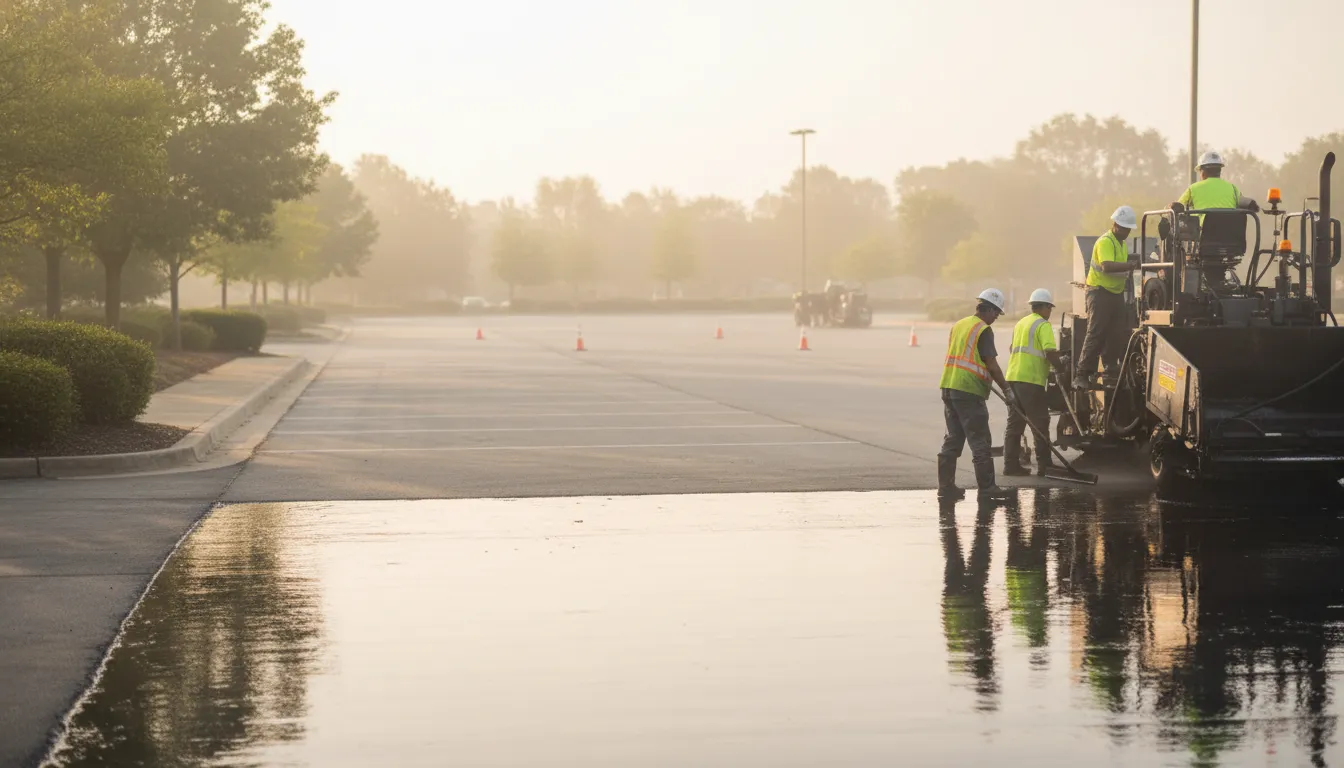
Find the Best Parking Lot Sealcoating Companies for Your Business
No obligation • Fast responses • Nationwide coverage
Why you can trust Tidy Parking
Tidy Parking is a leading U.S. source for parking lot maintenance services, including striping, sealcoating, sweeping, paving, resurfacing, and repairs. Our content is created independently, and providers cannot pay to influence ratings or recommendations.
Search providers near you
Best Parking Lot Sealcoating Companies in Iowa Ranked
Protecting your commercial asphalt investment in Iowa requires a proactive defense against the state's punishing weather. Sealcoating is the essential process of applying a protective layer over asphalt pavement, shielding it from water, UV rays, chemicals, and wear. This maintenance is not just about aesthetics; it's a critical strategy to prevent costly repairs and extend the life of your parking lot. Understanding the specific timing, preparation, and materials for Iowa's climate is key to a successful project. This guide provides the local insights you need to plan effectively and connect with qualified professionals who can execute the work to the highest standard.
Blackford Inc
5550 Wild Rose Ln #400, West Des Moines, IA 50266
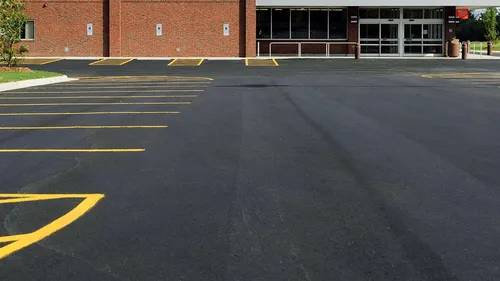
Blackford Inc is an asphalt paving company based in Des Moines, IA, specializing in residential and commercial asphalt paving, parking lot sealcoating, resurfacing, and repairs. They handle new installations as well as maintenance projects, using quality materials to ensure durable results. The company emphasizes thorough workmanship and customer satisfaction, serving the local area with expertise in asphalt paving and crack repair.
Generations Paving LLC
Cedar Rapids, IA
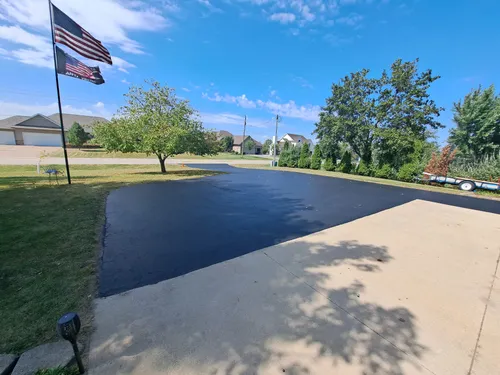
Generations Paving LLC is a parking lot paving and repair company based in Cedar Rapids, IA. They offer a range of asphalt services including sealcoating, driveway and road patching, crack filling, and parking lot striping. Their expertise includes hot asphalt paving, recycled asphalt, chip and seal, and sealcoating, serving both residential and commercial clients in Cedar Rapids and nearby areas. The company brings four generations of experience to their work and operates with Christian values as a core part of their business approach.
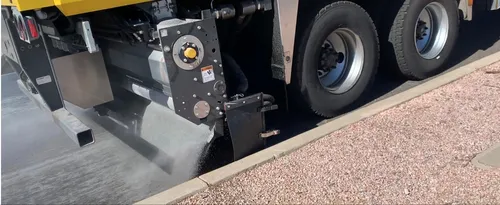
Gee Asphalt Systems, Inc.
4715 6th St SW, Cedar Rapids, IA 52404
Gee Asphalt Systems, Inc. is a parking lot sealcoating company based in Cedar Rapids, IA. They specialize in pavement preservation using advanced techniques, including the application of GSB-88®, a natural asphalt product that is odorless, non-toxic, and cures quickly. Their services extend to airport pavements such as tarmacs, taxiways, and aprons, helping to reduce foreign object debris and protect infrastructure investments.
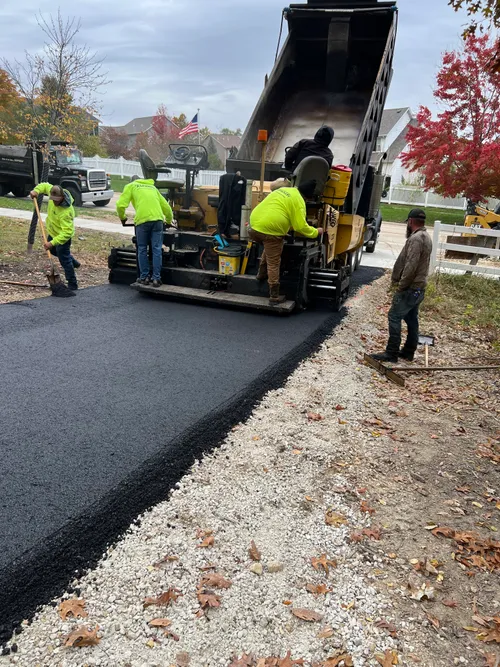
Pate Asphalt Systems
3285 3rd Ave, Marion, IA 52302
Pate Asphalt Systems is a full-service asphalt paving contractor based in Cedar Rapids, IA, serving Eastern Iowa including Iowa City, Waterloo, Cedar Falls, the Quad Cities, and Dubuque. They provide residential, commercial, and industrial paving solutions such as driveways, parking lots, recreational trails, and large-scale projects. Their services include asphalt paving, seal coating, crack sealing, resurfacing, and repairs. With over 40 years of experience, Pate Asphalt Systems focuses on delivering durable and professional results tailored to client needs.
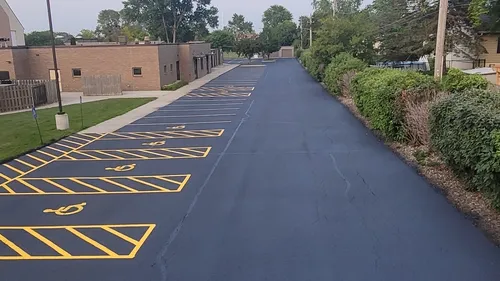
Midwest Sealcoating Of Iowa
Des Moines, IA
Midwest Sealcoating Of Iowa is a family-owned asphalt contractor serving Des Moines, IA. They specialize in concrete repair, patching, replacement, and a full range of pavement maintenance services for residential and commercial properties. Their expertise includes asphalt sealcoating, which protects pavement from weather damage and extends its lifespan. With decades of experience as a third-generation business, they use commercial-grade materials to ensure durable results and address local weather challenges.
Why Sealcoating is Critical for Iowa Pavement
Iowa's climate presents a unique challenge for asphalt surfaces. The extreme temperature shifts and relentless freeze-thaw cycles are the primary enemies of pavement longevity. Water seeps into tiny cracks in the asphalt, freezes and expands, widening those cracks, and then thaws, leaving a void. This cycle repeats, leading to alligator cracking, potholes, and base failure. A high-quality sealcoat acts as a waterproof barrier, preventing this destructive infiltration.
Beyond weather protection, sealcoating guards against oxidation from the sun, which dries out and brittles the asphalt binder. It also provides resistance to automotive fluids like oil and gasoline, which can break down the pavement surface. For commercial properties, a fresh, dark sealcoat improves curb appeal, enhances safety with clear markings, and protects your asset, ultimately providing a strong return on investment by delaying far more expensive reconstruction.
The Ideal Sealcoating Window in Iowa
Timing is everything for a durable sealcoat application. The ideal window in Iowa falls between late spring and early fall, specifically from May through September. This period offers the stable, warm conditions necessary for the material to cure properly.
Temperature Requirements: Both air and pavement surface temperatures must be at least 50°F (10°C) and rising at the time of application, and they need to remain above 50°F for a full 24 hours afterward 1 2. Applying in colder conditions prevents proper curing, leading to a soft, tacky finish that can track or wash away. Conversely, avoid application if temperatures exceed 95°F, as the sealer can dry too quickly, becoming brittle and prone to premature cracking.
Humidity and Rain: Iowa's spring and fall can bring high humidity and rain, which are detrimental to sealcoating. Humidity should ideally be below 60% during application 3. Rain can wash away uncured sealer, so a reliable forecast with no precipitation for 24 to 48 hours after application is mandatory 4. Scheduling in the spring is highly recommended to address winter damage before the summer heat sets in and to prepare the pavement for the next winter 5.
Developing a Proactive Maintenance Schedule
A reactive approach to pavement care leads to higher costs. A proactive, scheduled maintenance plan is the most cost-effective strategy.
- New Asphalt: Wait 6 to 12 months after a new asphalt installation before the first sealcoat application. This allows the asphalt to fully cure and any oils to evaporate.
- Routine Reapplication: For commercial parking lots with regular traffic, plan to reseal every 2 to 3 years 6 7. Lower-traffic areas may extend to 3-5 years between applications 8.
- Bi-Annual Inspections: Conduct visual inspections twice a year-once in the fall and once in the spring. The fall inspection helps identify issues to address before winter, while the spring inspection assesses winter damage and plans for summer repairs.
- Winter Preparation: Completing sealcoating and any necessary crack filling before the first freeze is a wise winter preparation strategy. It seals the pavement, preventing water intrusion and the resulting freeze-thaw damage 9.
Find the perfect parking lot sealcoating companies for your needs
Get personalized recommendations and expert advice
Essential Steps in Parking Lot Preparation
A sealcoat is only as good as the surface it adheres to. Proper preparation is non-negotiable for a long-lasting result and typically involves several key steps 10 11.
- Thorough Cleaning: The entire surface must be free of dirt, debris, vegetation, and especially oil and grease stains. This is usually achieved with high-pressure air blowers, mechanical brooms, and, in some cases, power washing.
- Oil Spot Treatment: Petroleum stains are a common cause of sealcoat failure. These areas must be thoroughly cleaned and then treated with a specialized oil-spot primer. Without this step, the sealer will not bond and will quickly peel away.
- Crack Sealing: All cracks wider than 1/4 inch should be cleaned out and filled with a hot-poured rubberized crack sealant. This prevents water from reaching the base and stops the cracks from reflecting through the new sealcoat 12.
- Pothole and Patch Repairs: Any areas with alligator cracking (interconnected cracks resembling alligator skin) or potholes must be fully repaired-either patched or excavated and replaced-before the sealing process begins 13.
Understanding Sealcoating Materials and Application
Knowing what goes into the project helps you evaluate contractor proposals.
- Material Types: The two primary types are asphalt emulsion-based and coal tar-based sealers. Asphalt emulsion is widely used and effective. Coal tar is known for exceptional durability and chemical resistance but is restricted in some municipalities due to environmental concerns regarding PAHs (polycyclic aromatic hydrocarbons) 14.
- Additives: Many contractors use latex additives. These improve the sealer's flexibility, allowing it to expand and contract with temperature changes, and can enhance drying time and overall durability 15.
- Application Method: Professional contractors typically use specialized spray systems for large areas to ensure an even, consistent coat. The standard is two thin coats rather than one thick one, which provides better coverage and longevity. Sand is often mixed into the sealer for added traction 16 17.
Cost Considerations for Iowa Projects
The cost to sealcoat a parking lot in Iowa is not a simple per-square-foot calculation; it heavily depends on the condition of the pavement and the required preparation.
- Sealcoating (Material & Labor): The core application typically ranges from $0.10 to $0.30 per square foot.
- Crack Filling: This essential prep work adds $1.00 - $2.00 per linear foot.
- Oil Spot Priming: Treating fluid stains may cost $0.00 - $5.00 per affected parking stall, depending on severity.
- Minimum Project Charge: Due to mobilization and setup costs, most professional contractors have a minimum charge, often between $2,500 and $5,000.
- Extensive Cleaning: Lots in poor condition may require industrial power sweeping or washing, which can add $500 - $3,500 to the project cost 18 19.
Investing in proper preparation, while adding to the upfront cost, is crucial for achieving a sealcoat that lasts for years, protecting your larger pavement investment.
Frequently asked questions
Sources
Footnotes
-
The Asphalt Repair Timeline: What Homeowners Should Know - https://www.pateasphalt.com/post/the-asphalt-repair-timeline-what-homeowners-should-know ↩
-
Best Weather Conditions for Sealcoating - D.B.Krieg, Inc. - https://dbkrieginc.com/blog/best-temperature-weather-for-sealcoating/ ↩
-
How Weather Conditions Impact Sealcoating Quality - https://asphaltcoatingscompany.com/blog/how-weather-conditions-impact-sealcoating-quality/ ↩
-
Sealcoat Parking Lots: What is the Best Temperature ... - ACPLM - https://acplm.net/sealcoat-parking-lots/ ↩
-
Why Spring is the Best Time for Seal Coating Your Driveway - https://www.greatsealcoating.com/why-spring-is-the-best-time-for-seal-coating-your-driveway ↩
-
How Often to Sealcoat an Asphalt Driveway & Parking Lot? - https://sipesasphaltconcrete.com/how-often-should-you-sealcoat-your-commercial-driveway-and-parking-lot/ ↩
-
How Often Should You Seal Coat Asphalt? - Elcor Construction - https://elcorconstruction.com/how-often-should-you-seal-coat-asphalt/ ↩
-
Sealcoating Cost Planning Guide for Commercial Parking Lots - https://dbkrieginc.com/blog/sealcoating-cost-planning-guide-for-commercial-parking-lots/ ↩
-
Asphalt Sealcoating: A Wise Winter Preparation Strategy - https://paveconnect.com/blog/sealcoating-a-wise-winter-preparation-strategy/ ↩
-
How to Prepare Your Parking Lot for Sealcoating - https://www.maintainitall.com/how-to-prepare-your-parking-lot-for-sealcoating ↩
-
Your Definitive Guide to Asphalt Sealcoating in Florida - https://acplm.net/asphalt-sealcoating/ ↩
-
Asphalt Sealcoating for Busy Parking Lots - https://asphaltinc.com/asphalt-sealcoating-for-busy-parking-lots/ ↩
-
Getting Ready for Sealcoating Your Parking Lot: A Step By Step Guide - https://s3da-design.com/getting-ready-for-sealcoating-your-parking-lot-a-step-by-step-guide/ ↩
-
Parking Lot Seal Coating: How to Maintain Your Parking Lot Through Seal Coating - https://www.themonrazcompany.com/parking-lot-seal-coating ↩
-
Sealcoating: How to Preserve Asphalt Parking Lots & Roads - https://www.byrneandjones.com/blog/asphalt/sealcoating-asphalt-surfaces/ ↩
-
Sealcoating 101: Why Your Business Parking Lot Needs It - https://www.pateasphalt.com/post/sealcoating-101-why-your-business-parking-lot-needs-it ↩
-
PDS Parking Lot Repair and Sealcoat Specifications - https://www.pdskc.org/Portals/pdskc/Documents/general_pdf/PDS%20Parking%20Lot%20Repair%20and%20Seal%20Specifications4.pdf ↩
-
Parking Lot Seal Coating Costs for Asphalt : 2025 Pricing Guide - https://www.fixasphalt.com/blog/how-much-does-it-cost-to-sealcoat-an-asphalt-parking-lot ↩
-
Frequently Asked Questions - https://kclsealcoating.com/frequently-asked-questions/ ↩