Find the Best Parking Lot Sealcoating Companies for Your Business
No obligation • Fast responses • Nationwide coverage
Why you can trust Tidy Parking
Tidy Parking is a leading U.S. source for parking lot maintenance services, including striping, sealcoating, sweeping, paving, resurfacing, and repairs. Our content is created independently, and providers cannot pay to influence ratings or recommendations.
Search providers near you
Top Parking Lot Sealcoating Companies in West Covina, California Ranked
Parking lot sealcoating is a critical maintenance service that applies a protective layer over asphalt to shield it from the elements and wear. In West Covina, this process is especially vital due to the intense Southern California sun and high traffic volumes, which can rapidly degrade pavement. Understanding the local climate, proper timing, and preparation steps can help property owners extend the life of their asphalt investment. This guide explains the key considerations for sealcoating in the area and how to connect with qualified professionals for the job.
Alliance Paving Inc.
2201 E Winston Rd E, Anaheim, CA 92806
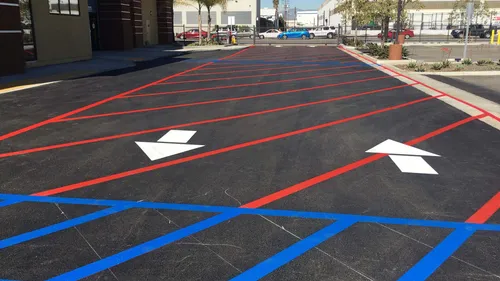
Alliance Paving Inc. is a paving and maintenance company based in Los Angeles, CA, serving Orange, Los Angeles, Riverside, San Bernardino, and San Diego counties. They specialize in commercial parking lot services including asphalt repair, sealcoating, striping, and complete pavement replacements. With over 20 years of experience, Alliance Paving focuses on extending pavement life through regular maintenance and offers coordinated project management to minimize business interruptions.
City Service Asphalt
769 Beverly Rd, Corona, CA 92879
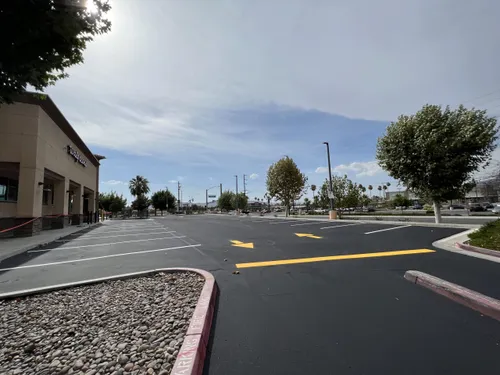
City Service Asphalt is a family-owned paving company serving Los Angeles, CA, and Southern California with over 25 years of experience. They provide commercial and residential asphalt and concrete paving services, including parking lot striping, sealcoating, resurfacing, crack sealing, and ADA-compliant access improvements. The company handles projects of all sizes, from small repairs to large-scale commercial parking lots, using commercial-grade materials and in-house crews to ensure quality and durability. City Service Asphalt also offers asphalt overlay and removal services to restore and maintain pavement surfaces effectively. Their operations cover a broad range of clients, including retail centers, multifamily units, schools, and public works.
Alpha Asphalt
Stockton, CA
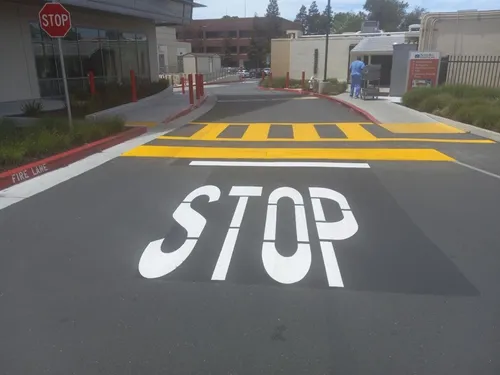
Alpha Asphalt is a full-service asphalt contractor based in Stockton, CA, specializing in parking lot paving, striping, sealcoating, and repair for both commercial and residential clients. They provide durable asphalt surfaces, precise striping, and protective sealcoating to enhance and maintain pavement quality. The company is known for using industry-grade materials and advanced equipment to deliver long-lasting results. Alpha Asphalt is a family-run business with a focus on clear communication and dependable scheduling.
Bay Cities Paving Inc
931 Mahar Avenue, 1314 North Avalon Boulevard Ste A, Wilmington, CA 90744
Bay Cities Paving Inc is a family-owned asphalt and concrete contractor serving Los Angeles, CA, with over 40 years of experience. They provide a range of services including parking lot paving, resurfacing, sealcoating, striping, and repair for commercial, industrial, and residential properties. The company handles projects from shopping malls and restaurants to single-family driveways, applying expert techniques and quality materials to ensure durable results. Established in 1984, Bay Cities Paving also offers sign installation services and educational seminars for property managers to address safety concerns.
Bay Cities Paving
Long Beach, CA
Bay Cities Paving is a parking lot paving and repair company serving Long Beach, CA, and surrounding Orange County communities. With over 30 years of experience, they provide comprehensive asphalt and concrete services including parking lot striping, sealcoating, resurfacing, and repair. Their expertise covers residential, commercial, and industrial properties, with capabilities such as asphalt milling, crack sealing, and ADA-compliant parking lot paving. The company emphasizes local knowledge of Southern California's climate and soil conditions to deliver durable pavement solutions. Bay Cities Paving offers emergency services and weekend consultations by appointment.
Why Sealcoating is Essential in West Covina
The primary benefit of sealcoating, or pavement sealing, is protection. Asphalt is a petroleum-based product that naturally oxidizes and becomes brittle when exposed to ultraviolet (UV) rays. West Covina's climate features intense, direct sunlight for much of the year, which accelerates this damaging process 1. A quality sealcoat acts as a sunscreen for your parking lot, blocking UV rays and slowing oxidation.
Beyond sun protection, a sealcoat provides a barrier against automotive fluids like oil and gasoline, which can break down asphalt binder. It also makes the surface easier to clean and maintain, while restoring a deep, uniform black color that improves curb appeal. For commercial properties, maintaining a well-kept parking area is part of presenting a professional image to customers and tenants.
The Impact of Local Climate on Sealant Application
Weather is the single most important factor in scheduling a successful sealcoating project. The application is highly sensitive to temperature and moisture.
- Temperature Range: Sealant must be applied when temperatures are consistently above 50°F and are forecast to stay below 95°F for at least 24-48 hours during curing 2. Temperatures soaring over 100°F, common in West Covina summers, can cause the sealer to bake and skin over before it properly adheres to the asphalt.
- Moisture & Humidity: Rain or high humidity during the curing period can ruin the application, causing the sealant to wash away or cure improperly with a whitish, blotchy appearance 3. The sealer also cannot be applied to a damp surface.
- Ideal Seasonal Timing: Given these constraints, fall often presents the ideal window for sealcoating in Southern California 4. The extreme summer heat has passed, and the rainy season has not yet begun, providing a stretch of dry, moderate days perfect for application and curing.
Determining the Right Schedule for Your Lot
There's no one-size-fits-all schedule for asphalt sealing. The frequency depends largely on the usage and exposure of your specific parking area.
- Standard Recommendation: For a typical commercial lot in West Covina, a sealcoat should be applied every 2 to 3 years.
- High-Traffic Areas: Lots for shopping centers, medical facilities, or busy restaurants experience more vehicle turnover and stress. These high-traffic areas may require annual or biennial sealing to maintain protection 5.
- Low-Traffic Areas: A private lot for a small office or low-occupancy residential complex with less frequent use might be able to extend the interval to 3 or even 4 years between applications 6.
Regular visual inspections are key. Look for signs of fading color, widespread small cracks (crazing), or a dry, brittle texture. These are indicators that your asphalt's protective layer has worn thin and it's time for a new application.
Critical Preparation: The Foundation of a Lasting Seal
A sealcoat is only as good as the surface it's applied to. Proper preparation is non-negotiable for achieving a long-lasting, attractive finish. Reputable contractors will always include these steps:
- Thorough Cleaning: The entire lot must be free of dirt, dust, leaves, and debris. This is typically done with power sweeping and blowing.
- Oil Spot Treatment: Oil and fluid spills penetrate asphalt and will bleed through a new sealcoat. These spots must be cleaned and treated with a specialized primer or filler to create a stable base.
- Crack Sealing: All cracks, even small ones, must be filled with a hot-pour or cold-applied crack sealant. If left unsealed, water will infiltrate, erode the base, and cause the cracks to rapidly reappear through the new sealcoat 7.
Skipping or rushing preparation is a common cause of premature sealcoat failure. Ensure any estimate you receive details the prep work included.
Find the perfect parking lot sealcoating companies for your needs
Get personalized recommendations and expert advice
The Integral Link Between Sealcoating and Striping
Parking lot striping and sealcoating are complementary maintenance tasks that should be planned together. Pavement markings fade due to traffic wear and UV exposure, just like the asphalt itself. For optimal visibility and safety, striping should be refreshed every 18 to 24 months 8 9.
The most efficient and effective approach is to re-stripe immediately after a new sealcoat has been applied. Industry best practice is to paint new lines within 24 to 48 hours after sealing 10. This ensures the paint bonds directly to the fresh sealant, resulting in sharper, more durable lines. Scheduling these services together also minimizes lot closures and disruption.
Furthermore, a sealcoating project is the perfect time to review and update your lot's layout for ADA compliance. Regulations for accessible parking spaces and access aisles are specific, and an annual inspection is recommended to ensure your property meets all legal requirements 11.
Understanding Project Scope and Cost Factors
Sealcoating costs are primarily calculated by the square footage of the area to be covered. For a standard commercial-grade coal tar or asphalt-based sealer, you can expect a baseline cost in the range of $0.22 to $0.38 per square foot. However, the final price is heavily influenced by the condition of the lot and the necessary preparation.
- Small Project (e.g., 10-20 stalls): A basic sealcoat for a small lot might range from $300 to $500.
- Large Project (e.g., 50,000 sq. ft. lot): For a substantial commercial property, the sealcoating alone could cost between $11,000 and $19,000 12. When you add essential preparatory work like crack sealing (which can add $1,500-$5,000) and follow-up line striping ($1,000-$2,000 or more), the total investment for comprehensive maintenance can easily reach $15,000 to $25,000 12 13.
The most significant cost variables are the amount of crack sealing and patching needed. A heavily damaged lot requires far more labor and materials to repair before it's even ready for sealing. Obtaining detailed, written estimates that break down prep, materials, and application is crucial for accurate comparison.
Choosing a Service Provider in West Covina
When selecting a contractor for your pavement sealing project, look for experience specifically with Southern California conditions. They should be knowledgeable about local weather patterns and the best products for the region. Always verify that the company is licensed, insured, and can provide references from similar local projects. Be wary of quotes that seem unusually low, as they often indicate subpar materials, skipped preparation steps, or insufficient insurance coverage.
Frequently asked questions
Sources
Footnotes
-
Does Sealcoating Work in California - https://www.gpmpavement.com/blog/sealcoat-california/ ↩
-
Sealcoat Parking Lots: What is the Best Temperature ... - ACPLM - https://acplm.net/sealcoat-parking-lots/ ↩
-
Sealcoating and Weather: What You Need to Know - https://sunstarsealcoating.com/2019/02/sealcoating-and-weather-what-you-need-to-know/ ↩
-
Asphalt Sealcoating: A Wise Winter Preparation Strategy - https://paveconnect.com/blog/sealcoating-a-wise-winter-preparation-strategy/ ↩
-
Sealing a Parking Lot: the Difference between Sealcoating and Paving - https://acplm.net/sealing-a-parking-lot-2/ ↩
-
How Often Should Parking Lots Be Sealed in Southern California? - https://www.asphaltprofessionals.com/how-often-should-parking-lots-be-sealed-in-southern-california/ ↩
-
How Often Should You Repaint Parking Lot Lines? - https://ottospm.com/how-often-should-you-repaint-parking-lot-lines/ ↩
-
How Often Should You Repaint Parking Lot Lines? - https://asphaltcoatingscompany.com/blog/how-often-should-you-repaint-parking-lot-lines/ ↩
-
How often should a parking lot be restriped? - Seton - https://www.seton.com/when-to-restripe-a-parking-lot ↩
-
Parking Lot Striping Guide: Cost, Process, & More - McLean Company - https://mclean-company.com/blog/parking-lot-striping/ ↩
-
Complete Parking Lot Striping Guide 2025 - https://ada-striping.com/complete-parking-lot-striping-guide/ ↩
-
How Much Does It Cost to Sealcoat a 50,000 Sq. Ft. Parking Lot? ( ... - https://www.fixasphalt.com/testblog/how-much-does-it-cost-to-sealcoat-a-50000-sq.-ft.-parking-lot-2026-pricing-guide ↩ ↩2
-
How Much Does It Cost to Stripe a Parking Lot? [2026 Data] - Angie's List - https://www.angi.com/articles/stripe-parking-lot-cost.htm ↩