Find the Best Parking Lot Sealcoating Companies for Your Business
No obligation • Fast responses • Nationwide coverage
Why you can trust Tidy Parking
Tidy Parking is a leading U.S. source for parking lot maintenance services, including striping, sealcoating, sweeping, paving, resurfacing, and repairs. Our content is created independently, and providers cannot pay to influence ratings or recommendations.
Search providers near you
Top Parking Lot Sealcoating Companies in Ontario, California Ranked
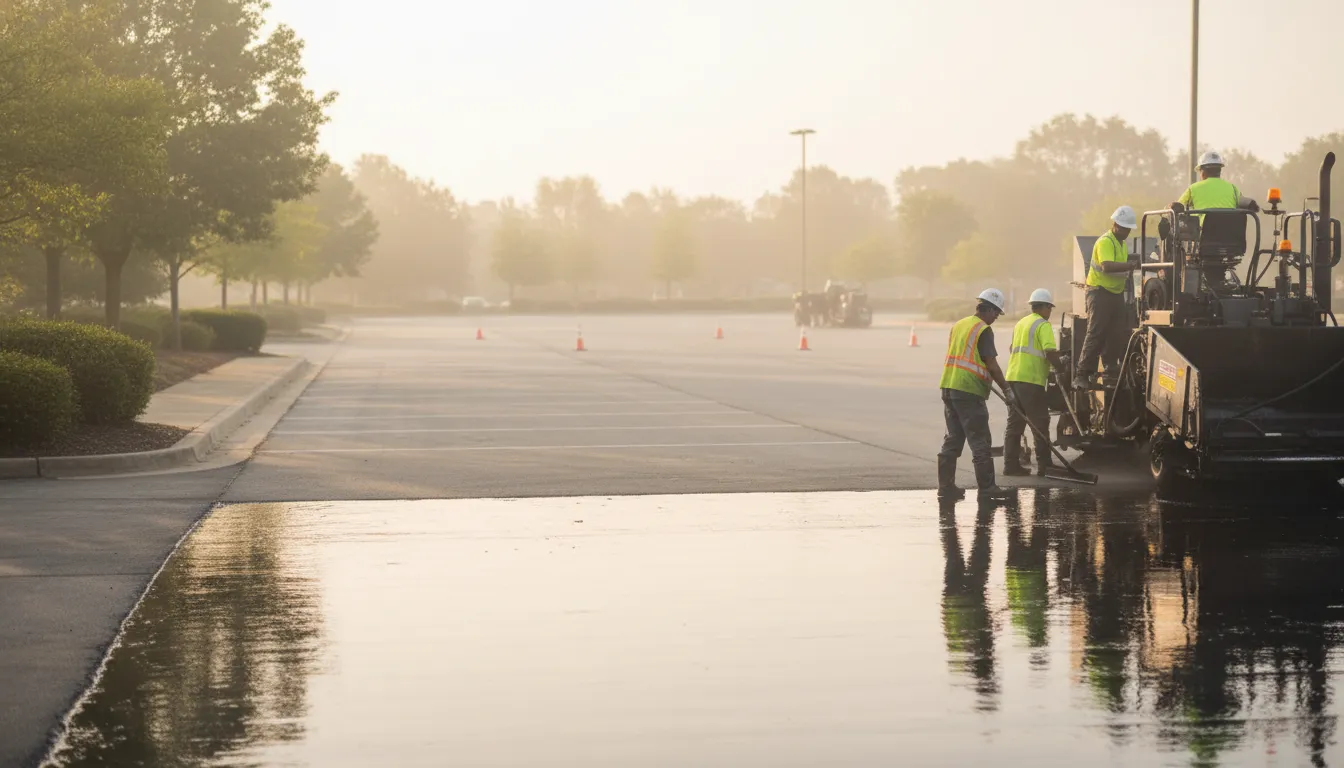
Parking lot sealcoating is a vital, cost-effective maintenance procedure that applies a protective layer over your asphalt pavement. In Ontario, California, this service is essential for shielding your investment from the region's intense sun and high traffic, which can quickly degrade unprotected asphalt. This guide explains why sealcoating matters, how to determine the right schedule for your property, and what to expect from the process, helping you connect with qualified local professionals for your project.
HKY Asphalt Paving of San Bernardino
Riverside, CA
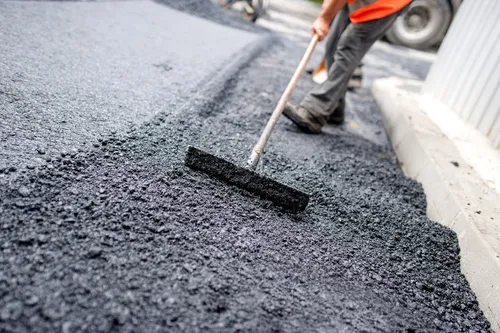
HKY Asphalt Paving of San Bernardino is a paving contractor based in Riverside, CA, offering services including parking lot striping, sealcoating, paving, resurfacing, and repair. They serve residential and commercial clients across San Bernardino, handling everything from small driveways to large parking lots and road construction projects. The company emphasizes proper base preparation and uses commercial-grade materials to ensure durability in local soil and weather conditions. With over 30 years of experience, they also provide demolition and speed bump installation services, managing permits and debris removal as part of their comprehensive approach.
Alliance Paving Inc.
2201 E Winston Rd E, Anaheim, CA 92806
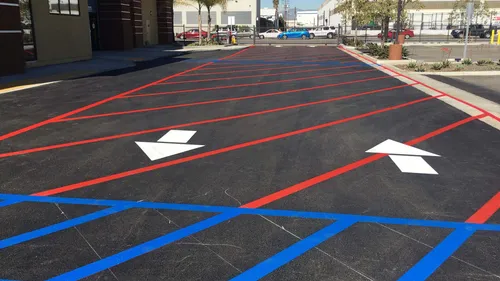
Alliance Paving Inc. is a paving and maintenance company based in Los Angeles, CA, serving Orange, Los Angeles, Riverside, San Bernardino, and San Diego counties. They specialize in commercial parking lot services including asphalt repair, sealcoating, striping, and complete pavement replacements. With over 20 years of experience, Alliance Paving focuses on extending pavement life through regular maintenance and offers coordinated project management to minimize business interruptions.
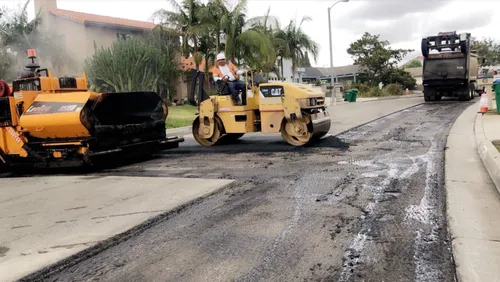
HKY Asphalt Paving
Anaheim, CA
HKY Asphalt Paving is a paving contractor based in Anaheim, CA, serving Riverside and nearby communities. They provide a range of services including asphalt paving, sealcoating, parking lot striping, resurfacing, and repair for residential and commercial properties. The company emphasizes thorough base preparation and proper grading to ensure durable surfaces that withstand local weather conditions. They also offer milling to remove damaged pavement, installation of speed bumps, and full demolition services for site preparation. With over 30 years of experience in the Riverside area, HKY Asphalt Paving has developed local knowledge to address soil and drainage challenges effectively.
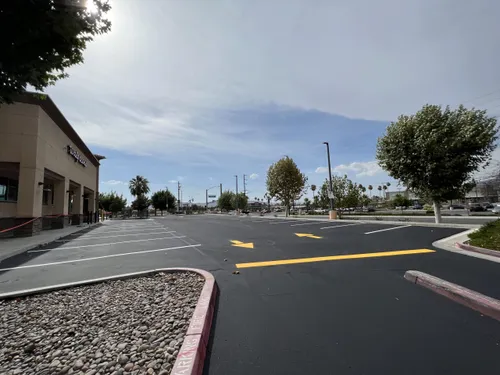
City Service Asphalt
769 Beverly Rd, Corona, CA 92879
City Service Asphalt is a family-owned paving company serving Los Angeles, CA, and Southern California with over 25 years of experience. They provide commercial and residential asphalt and concrete paving services, including parking lot striping, sealcoating, resurfacing, crack sealing, and ADA-compliant access improvements. The company handles projects of all sizes, from small repairs to large-scale commercial parking lots, using commercial-grade materials and in-house crews to ensure quality and durability. City Service Asphalt also offers asphalt overlay and removal services to restore and maintain pavement surfaces effectively. Their operations cover a broad range of clients, including retail centers, multifamily units, schools, and public works.
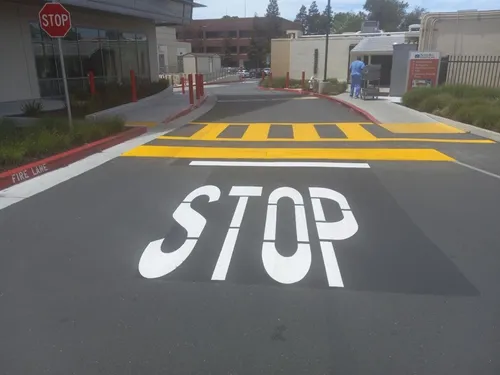
Alpha Asphalt
Stockton, CA
Alpha Asphalt is a full-service asphalt contractor based in Stockton, CA, specializing in parking lot paving, striping, sealcoating, and repair for both commercial and residential clients. They provide durable asphalt surfaces, precise striping, and protective sealcoating to enhance and maintain pavement quality. The company is known for using industry-grade materials and advanced equipment to deliver long-lasting results. Alpha Asphalt is a family-run business with a focus on clear communication and dependable scheduling.
Why Sealcoating is Essential for Ontario Properties
Sealcoating, often called pavement sealing or asphalt sealing, is not just a cosmetic upgrade. It serves as a critical barrier against the specific environmental stressors found in Southern California. The primary benefit is protection from UV radiation. Ontario's abundant sunshine breaks down the binding oils in asphalt, causing it to become dry, brittle, and gray-a process known as oxidation 1. A fresh sealcoat layer blocks these harmful rays, preserving the asphalt's flexibility and rich black color.
Furthermore, sealcoating provides a waterproof shield. While Ontario is dry, occasional rain can seep into tiny cracks and pores in unsealed asphalt. When this water freezes (which can happen on cold nights) or simply expands and contracts with temperature changes, it accelerates the formation of cracks and potholes. A proper sealant prevents water penetration, safeguarding the structural base of your parking lot. It also resists damage from automotive fluids like oil and gasoline, which can dissolve asphalt binder, making cleanup easier and preventing permanent stains.
For commercial properties in a bustling logistics and retail hub like Ontario, maintaining a safe, professional appearance is crucial. A freshly sealed lot looks well-kept, enhances curb appeal for customers and tenants, and provides a smoother, safer driving surface with better traction.
Determining Your Sealcoating Schedule
There is no one-size-fits-all schedule for asphalt sealing. The frequency depends on several factors unique to your property. A general rule for most commercial lots in Ontario is every 2 to 3 years. However, you should adjust this based on the following:
- Traffic Volume and Type: High-traffic areas, such as retail centers, shopping plazas, and logistics warehouses with constant truck traffic, experience significantly more wear. These lots typically require sealcoating every 18 to 24 months 2. Lots with moderate traffic, like those for office buildings or apartment complexes, can often follow the 2-3 year guideline.
- Age of Asphalt: For new pavement, timing is critical. The first seal coat should be applied 6 to 12 months after installation, once the asphalt has fully cured and released its excess oils 3. Sealing too early can trap these oils and prevent proper adhesion.
- Local Climate & Application Timing: Southern California's climate allows for near year-round application, but summer is generally ideal because warmth promotes quick curing. However, contractors avoid applying sealant during extreme heat (over 95°F), as it can dry too quickly and fail to bond properly 4. Winter applications are risky due to the potential for rain, which can wash away uncured sealant. The best practice is to schedule during stable, dry weather.
- Current Pavement Condition: An existing lot's condition dictates immediate needs. If the asphalt is already showing significant oxidation, fine cracking, or fading, it's a clear sign that sealcoating is overdue. Consistent maintenance, including regular sealcoating, can potentially double the lifespan of your asphalt investment.
The Sealcoating Process: Preparation is Key
A successful sealcoating project is 80% preparation and 20% application. Proper surface prep ensures the sealant adheres correctly and delivers long-lasting protection. Reputable contractors follow a meticulous sequence 5 6:
- Deep Cleaning: The entire surface must be thoroughly cleaned of all dirt, debris, sand, and vegetation. Power sweeping and washing are standard. Most importantly, oil and grease spots must be scrubbed and removed, as sealant will not bond to oily surfaces.
- Oil Spot Priming: After cleaning, any remaining oil stains are treated with a specialized primer. This primer bonds with the oil residue and creates a stable surface for the sealcoat to adhere to, preventing early failure in these vulnerable spots 7.
- Crack Filling: All cracks, from hairline to larger ones, must be filled before sealing. This is typically done with a hot-pour rubberized sealant. The best time for crack filling is during cool, dry months when cracks are at their widest 8. Filling cracks prevents water from infiltrating the base material.
- Asphalt Repairs: It is crucial to understand that sealcoating is a protective layer, not a structural fix. Any potholes, alligator cracking, or areas of base failure must be fully repaired with patching or overlay before the sealcoat is applied 9 10.
- Application: Once the surface is perfectly prepared, the sealant-a mixture of refined coal tar or asphalt emulsions, water, additives, and sand-is applied using spray systems or squeegees. The area is then closed off until fully dry, which usually takes 24 to 48 hours depending on conditions.
Find the perfect parking lot sealcoating companies for your needs
Get personalized recommendations and expert advice
The Critical Link: Sealcoating and Parking Lot Striping
Sealcoating and striping are complementary services that should be planned together. Parking lot striping must be applied after the new sealcoat has fully dried. Fresh, dark sealcoat provides the perfect backdrop for bright, crisp pavement markings.
For compliance and safety, restriping should be done immediately after sealing. High-traffic retail lots may need restriping every 12-18 months, while moderate-traffic lots can often go 18-24 months between restriping 11 12. This is also the ideal time to review and update your layout for ADA compliance, ensuring accessible spaces are correctly sized, located, and marked with the proper blue paint to meet Ontario's local building codes 12.
Understanding Sealcoating Costs in Ontario
The cost of commercial parking lot sealcoating in Ontario is typically calculated per square foot. For larger lots, prices generally range from $0.03 to $0.08 per square foot 13. However, for smaller properties, contractors often provide estimates based on the number of parking stalls, as mobilization and setup costs are spread over a smaller area. The following table provides a general cost estimate based on lot size:
| Lot Size | Description | Estimated Total Cost |
|---|---|---|
| Small | 10-20 stalls | $300 - $500 |
| Medium | 21-50 stalls | $500 - $800 |
| Large | 51+ stalls | $800 - $1,200+ |
Note: These are estimated ranges. Your final price will depend on the condition of your pavement, the amount of prep work required (crack filling, patching), and the specific materials used.
Building a Long-Term Pavement Maintenance Plan
To truly protect your investment, view sealcoating as one component of a comprehensive maintenance plan. A proactive approach for an Ontario property should include:
- Annual Inspections: Have a professional inspect your lot each spring to identify new cracks or damage.
- Prompt Crack Filling: Fill cracks annually, preferably in the fall, to prevent winter water damage.
- Regular Sealcoating: Adhere to the 2-3 year schedule (or more frequent for high-traffic lots) as the cornerstone of your plan 14.
- Immediate Repairs: Address potholes and structural issues as soon as they appear.
This consistent, planned maintenance is far more cost-effective than reactive repairs and can significantly extend the life of your pavement 15.
Frequently asked questions
Sources
Footnotes
-
Does Sealcoating Work in California - https://www.gpmpavement.com/blog/sealcoat-california/ ↩
-
How Often Should a Parking Lot Be Sealcoated? 510-723-0280 - https://americanasphalt.com/how-often-should-a-parking-lot-be-sealcoated/ ↩
-
When Should I Seal Coat My Parking Lot - https://www.fixasphalt.com/blog/when-should-i-seal-coat-my-parking-lot ↩
-
Sealcoat Parking Lots: What is the Best Temperature ... - ACPLM - https://acplm.net/sealcoat-parking-lots/ ↩
-
Parking Lot Sealcoating - City Service Contracting, Inc. - https://citypavinginc.com/commercial-paving-services/pavement-maintenance/parking-lot-sealcoating/ ↩
-
How to Sealcoat a Parking Lot or Driveway - SealMaster.net - https://sealmaster.net/faq/sealcoat-parking-lot-driveway/ ↩
-
Parking Lot Sealcoating - City Service Contracting, Inc. - https://citypavinginc.com/commercial-paving-services/pavement-maintenance/parking-lot-sealcoating/ ↩
-
The Best Seasons for Warehouse and Parking Lot Maintenance - https://www.empirepls.com/blog/the-best-seasons-for-warehouse-and-parking-lot-maintenance ↩
-
How Often Should You Sealcoat Your Commercial Parking Lot - https://thepavementgroup.com/commercial-parking-lot-sealcoat/ ↩
-
The Ultimate Guide to Sealcoating - What, Why and How it Works - https://asphaltindustrial.com/blogs/asphalt-industrial-blog/the-ultimate-guide-to-sealcoating-what-why-and-how-it-works ↩
-
Parking Lot Maintenance Schedules - https://bowmanparkinglotstriping.com/parking-lot-maintenance-schedules/ ↩
-
Retail Parking Lot Sealcoating: Why It Pays to Plan Ahead - DRYCO - https://www.dryco.com/blog/retail-parking-lot-sealcoating-why-it-pays-to-plan-ahead/ ↩ ↩2
-
How Much Does It Cost to Seal an Asphalt Parking Lot in ... - https://soscopaving.com/2025/05/15/parking-lot-sealcoating-costs-in-california-2025-data/ ↩
-
How Often Should You Sealcoat a Driveway or Parking Lot? - https://coastalpipelineinc.com/how-often-should-i-sealcoat-a-driveway-or-parking-lot/ ↩
-
How Often Should You Sealcoat Your Parking Lot? - American Asphalt - https://americanasphalt.com/how-often-should-you-sealcoat-your-parking-lot/ ↩