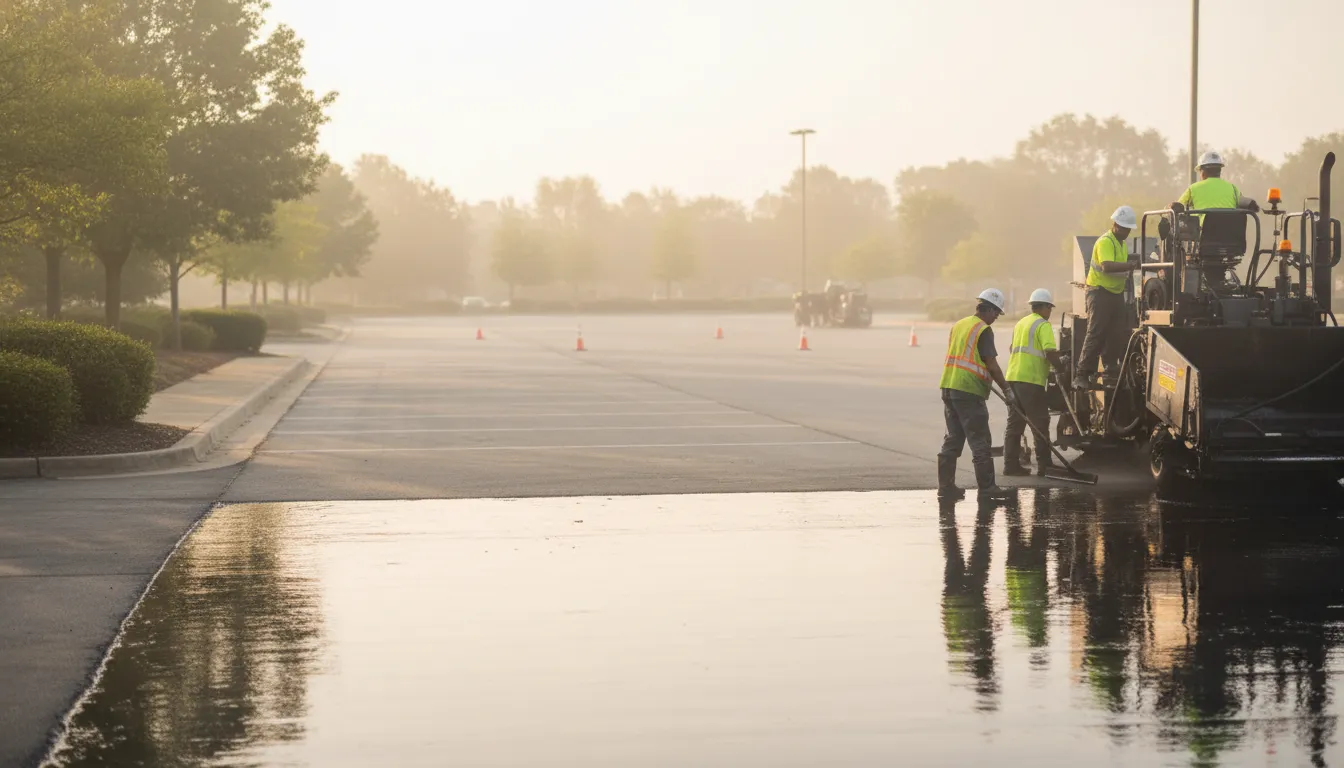
Find the Best Parking Lot Sealcoating Companies for Your Business
No obligation • Fast responses • Nationwide coverage
Why you can trust Tidy Parking
Tidy Parking is a leading U.S. source for parking lot maintenance services, including striping, sealcoating, sweeping, paving, resurfacing, and repairs. Our content is created independently, and providers cannot pay to influence ratings or recommendations.
Search providers near you
Top Parking Lot Sealcoating Companies in Thousand Oaks, California Ranked
Parking lot sealcoating is a vital protective maintenance service that applies a specialized coating to asphalt pavement. This process shields the surface from the damaging effects of sun, rain, oil, and gasoline, extending the life of your investment and maintaining a professional appearance. For property managers and business owners in Thousand Oaks, understanding the local requirements for asphalt sealing is key to effective planning. This guide provides the essential information needed to evaluate your property's needs and connect with qualified local professionals for this critical service.
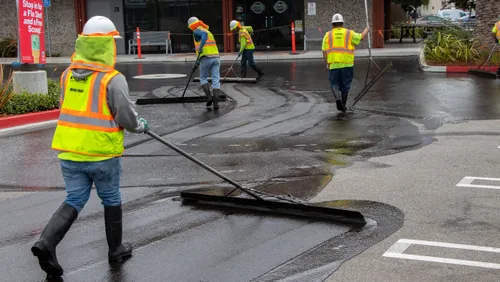
General Pavement Management (GPM)
850 Lawrence Dr #100, Thousand Oaks, CA 91320
General Pavement Management (GPM) is a paving company based in Oxnard, CA, serving the Central Coast and Southern California. They provide a range of services including asphalt paving, concrete work, sealcoating, grading, crack sealing, pavement marking, and chip sealing for commercial, industrial, and residential properties. GPM is experienced in handling projects such as parking lot striping, resurfacing, and repair, with capabilities including pothole repair, concrete repair, and ADA compliance. With over 30 years in business, GPM emphasizes clear communication, quality materials, and personalized service.
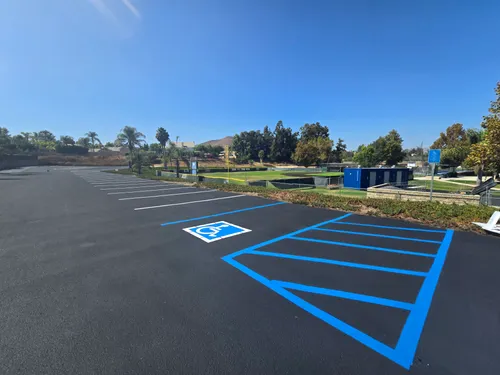
EverLine Coatings and Services
Simi Valley, CA
EverLine Coatings and Services is a parking lot maintenance company based in Simi Valley, CA. They provide comprehensive pavement maintenance services including parking lot striping, sealcoating, asphalt repair, and custom parking space design. EverLine manages multi-site maintenance programs with a single point of contact and contract, serving clients such as restaurant brands and retail and healthcare chains nationwide. Their Preventative Pavement Maintenance Program aims to extend the lifespan of parking lots through coordinated and hassle-free project management.
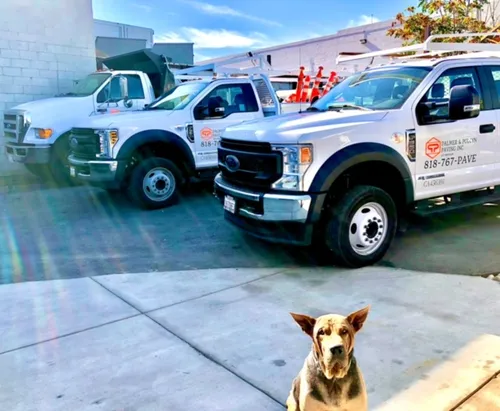
Palmer & Polcyn Paving Inc
Los Angeles, CA
Palmer & Polcyn Paving Inc is a paving contractor based in Los Angeles, CA, serving the area for over 30 years. They offer parking lot striping, sealcoating, and asphalt paving services, including grading and installation of new asphalt. Their team can handle projects of various sizes, from basketball courts to ADA-compliant handicap stalls, providing solutions to maintain and improve existing asphalt surfaces.

Santa Clarita Paving
25671 Springbrook Ave suite 1100, Santa Clarita, CA 91350
Santa Clarita Paving is a paving contractor based in Santa Clarita, CA, offering a range of services including parking lot paving, striping, sealcoating, resurfacing, and repair. They provide customized solutions for both residential and commercial properties, using premium materials such as asphalt, concrete, and paving stones to ensure durable and aesthetically pleasing results. The company has decades of experience and a strong understanding of local climate and building codes, which helps them deliver projects that withstand California's weather conditions. Their capabilities include engineered drainage systems and ADA-compliant striping, supporting both functionality and compliance. Santa Clarita Paving serves multiple communities in Southern California, including Valencia, Stevenson Ranch, Newhall, Canyon Country, and Saugus.
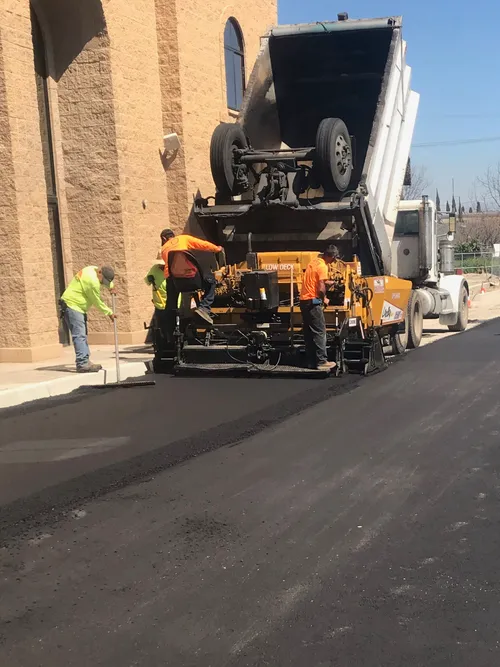
JSL Mastery Paving Inc.
Oxnard, CA
JSL Mastery Paving Inc. is a paving contractor based in Oxnard, CA, offering a range of services including asphalt resurfacing, pavement maintenance, parking lot striping, seal coating, grading, concrete work, and excavating. They serve commercial, industrial, public works, residential, educational, and sports facility clients. With over 25 years of experience, their skilled team focuses on efficient, high-quality workmanship to meet diverse paving and maintenance needs.
Why Sealcoating is Essential in Thousand Oaks
The sunny, warm climate of Thousand Oaks and the broader Conejo Valley is a double-edged sword for asphalt pavement. While the mild winters are favorable, the intense, year-round UV radiation is the primary agent of asphalt deterioration 1. The sun's rays oxidize and dry out the asphalt binder, making it brittle and causing it to crack and fade. A high-quality sealcoat acts as a sunscreen for your parking lot, blocking these harmful UV rays and preventing the asphalt from becoming dry and friable.
Beyond sun protection, sealcoating provides a waterproof barrier against moisture penetration, which can lead to potholes and base failure during rare rain events. It also resists damage from automotive fluids like oil and gasoline, which can break down the asphalt binder. For commercial properties, a freshly sealed, dark black surface projects an image of care, safety, and professionalism to customers and tenants.
Local Climate & Timing: The SoCal Sealcoating Window
Scheduling your asphalt sealing project correctly is perhaps the most important factor for success in Southern California.
The Optimal Season: May Through October The consensus for the Ventura County area is to plan sealcoating for the dry season, typically from late spring through early fall 2. This window minimizes the risk of rain, which can wash away uncured sealer and ruin a new application. The goal is to have the work completed well before the onset of winter rains.
Temperature and Humidity Requirements Sealcoat materials have specific curing requirements:
- Temperature: Application should only occur when temperatures are above 50°F and rising, with ideal conditions falling between 60°F and 90°F 3 4. Avoid scheduling during periods of predicted extreme heat, as record-high temperatures can cause the sealer to cure too quickly, leading to cracking and poor adhesion 5.
- Rain & Humidity: No rain should be forecast for at least 24 to 48 hours after application 6. While Thousand Oaks has relatively low humidity, coastal fog can creep into the valley, bringing high moisture levels in the early morning. High humidity can significantly slow the drying and curing process, so contractors often plan to apply sealer after any morning moisture has burned off 7.
Determining Your Sealcoating Schedule
Not every parking lot needs to be sealed on the same timeline. The frequency depends largely on usage and traffic patterns.
- High-Traffic Commercial Lots: Shopping centers, banks, restaurants, and grocery stores with constant vehicle flow, turning movements, and frequent oil spills require the most frequent maintenance. These lots typically benefit from sealcoating every 1 to 2 years 8 9.
- Moderate to Low-Traffic Lots: Office complexes, apartment buildings, and smaller HOAs with less intense use can usually follow a 2 to 4 year sealing cycle.
- New Asphalt: If you have a newly paved lot, it's crucial to wait for the asphalt to fully cure. The first sealcoat should be applied 6 to 12 months after installation 10. This initial application provides essential early-stage protection.
A simple visual inspection can also signal it's time for sealcoating: look for a faded, grayish color, a rough or sandy texture, and small surface cracks beginning to form.
The Sealcoating Process: From Prep to Cure
A professional sealcoating job is more than just spraying a black coating on the ground. Proper preparation is critical for long-lasting results.
- Thorough Cleaning: The entire surface must be free of dirt, debris, leaves, and vegetation. Professionals use high-powered blowers and sweepers to achieve a clean surface.
- Oil Spot Treatment: Oil and fluid stains are not just unsightly; they will bleed through a new sealcoat. These areas must be cleaned with a degreaser and then treated with a specialized primer or "blocker" to prevent bleed-through 11.
- Crack Repair: Before any sealer is applied, cracks between 1/4 inch and 2 inches wide should be filled with a hot-applied rubberized crack sealant. This prevents water from entering the subbase and stops the cracks from reflecting through the new sealcoat.
- Application: For large commercial lots, sealcoat is typically applied using a spray system for speed and even coverage. For areas requiring extra adhesion or detail work, a squeegee method may be used. In high-traffic areas, two coats are often recommended for added durability 12.
- Curing and Reopening: The lot must be closed to all traffic during application and initial curing. While the surface may be dry to the touch in a few hours, it needs 24 to 48 hours to cure sufficiently for vehicle traffic, depending on temperature and humidity 13 14.
Find the perfect parking lot sealcoating companies for your needs
Get personalized recommendations and expert advice
Coordinating Sealcoating with Parking Lot Striping
Sealcoating and striping are interconnected maintenance tasks. A newly sealed lot will have its old pavement markings covered. Restriping should always be performed after sealcoating, not before. It is recommended to wait 24 to 72 hours after the sealcoat application before applying new paint, allowing the sealer to cure fully and ensuring the paint adheres properly 15.
This makes sealcoating the perfect time to refresh your lot's layout. Parking space lines, handicap symbols, directional arrows, and fire lane markings should be repainted approximately every 18 to 24 months to maintain compliance with ADA and local codes and ensure clear visibility for drivers 16 17.
Understanding Costs for Thousand Oaks Properties
The cost of sealcoating is primarily calculated per square foot and is influenced by the size of the lot, the amount of preparation needed, and the number of coats applied.
- Small Lots (Under 10,000 sq. ft.): Smaller projects have a higher cost per square foot due to fixed setup costs. Prices can range from $0.15 to over $0.40 per square foot, heavily dependent on the extent of crack filling and oil spot treatment required 18.
- Large Commercial Lots (Over 20,000 sq. ft.): Economies of scale apply to larger properties. For these lots, the cost per square foot is generally lower, often in the range of $0.08 to $0.25 per square foot 19. The final price will always be affected by the current market price of the petroleum-based materials used in sealcoat.
The most accurate way to determine cost is to obtain detailed estimates from local contractors that clearly outline the scope of prep work, number of coats, and cure time.
Planning Your Next Sealcoating Project
To ensure a smooth and successful sealcoating project for your Thousand Oaks property, follow this checklist:
- Schedule: Mark your calendar for a 2-3 year re-sealing cycle, depending on your lot's use.
- Timing: Target the May-October window for optimal weather conditions 20 21.
- Preparation: Budget for and expect thorough cleaning, oil spot priming, and crack filling as essential steps 22.
- Striping: Plan to restripe 24-72 hours after the sealcoat application 23.
- Traffic Control: Arrange to close the lot for a minimum of 24-48 hours post-application to allow for proper curing 24.
Frequently asked questions
Sources
Footnotes
-
Does Sealcoating Work in California - https://www.gpmpavement.com/blog/sealcoat-california/ ↩
-
When Is The Best Time Of Year For Asphalt Sealcoating? - https://www.raleighpaving.com/resources/blog/when-is-the-best-time-of-year-for-asphalt-sealcoating/ ↩
-
Commercial & Residential Sealcoating FAQs - https://www.bigjoessealcoating.com/about/faqs/ ↩
-
How Cold Weather Affects Sealcoating - https://www.greatsealcoating.com/how-cold-weather-affects-sealcoating ↩
-
Sealcoat Parking Lots: What is the Best Temperature ... - ACPLM - https://acplm.net/sealcoat-parking-lots/ ↩
-
Parking Lot Sealcoating: Definition and It's Importance - https://donovansealcoating.com/parking-lot-sealcoating/ ↩
-
Sealcoating and Weather: What You Need to Know - https://sunstarsealcoating.com/2019/02/sealcoating-and-weather-what-you-need-to-know/ ↩
-
How Often Should You Seal Coat Asphalt? - Elcor Construction - https://elcorconstruction.com/how-often-should-you-seal-coat-asphalt/ ↩
-
How often should you sealcoat your Parking Lot? - https://www.blackdiamondpaving.com/services/sealcoating/often-sealcoat-parking-lot/ ↩
-
Is It Too Cold to Sealcoat My Parking Lot? - PaveConnect - https://paveconnect.com/blog/is-it-too-cold-to-sealcoat-my-parking-lot/ ↩
-
Why Sealcoat your Driveway - T&K Asphalt Services - https://www.tkasphalt.com/why-sealcoat-your-driveway/ ↩
-
The Step-by-Step Process to Sealcoat a Parking Lot - https://www.rmserviceco.com/the-step-by-step-process-to-sealcoat-parking-lot/ ↩
-
When Is The Best Time To Apply Oil Based Sealcoating On A ... - https://www.pavecoaps.com/when-is-the-best-time-to-apply-oil-based-sealcoating-on-a-parking-lot/ ↩
-
Sealcoating 101: Protecting Your Pavement from Daily Wear and Tear - https://totalpaving.com/sealcoating-101-protecting-your-pavement-from-daily-wear-and-tear/ ↩
-
How Often Should You Sealcoat Your Commercial Parking Lot - https://thepavementgroup.com/commercial-parking-lot-sealcoat/ ↩
-
How often should a parking lot be restriped? - Seton - https://www.seton.com/when-to-restripe-a-parking-lot ↩
-
5 Reasons Fresh Parking Lot Stripes Matter 2026 - https://ada-striping.com/why-fresh-parking-lot-stripes-are-important/ ↩
-
How Often Should You Seal Coat Asphalt? - Elcor Construction - https://elcorconstruction.com/how-often-should-you-seal-coat-asphalt/ ↩
-
How Often to Sealcoat an Asphalt Driveway & Parking Lot? - https://sipesasphaltconcrete.com/how-often-should-you-sealcoat-your-commercial-driveway-and-parking-lot/ ↩
-
How Often Should You Sealcoat a Parking Lot? | Carol Stream - https://jspaving.com/how-often-should-you-sealcoat-a-parking-lot/ ↩
-
Why Summer is Great for Driveway Sealcoating - https://www.a1asphaltinc.com/why-summer-is-great-for-driveway-sealcoating.php ↩
-
How Often Should You Sealcoat Your Commercial Parking Lot - https://thepavementgroup.com/commercial-parking-lot-sealcoat/ ↩
-
How Often Should You Sealcoat a Parking Lot? | Carol Stream - https://jspaving.com/how-often-should-you-sealcoat-a-parking-lot/ ↩
-
Retail Parking Lot Sealcoating: Why It Pays to Plan Ahead - DRYCO - https://www.dryco.com/blog/retail-parking-lot-sealcoating-why-it-pays-to-plan-ahead/ ↩